Last updated November 18, 2026





Free written scope consultation - allowances, timeline, and change-order rules on paper before a single trade is scheduled
Windows & Doors Troubleshooting: Common Problems and How to Fix Them
A drafty window in Carrollton is rarely a failed window. It’s usually failed weatherstripping, a shifted frame, or caulk that dried out and cracked through another Texas summer, and most of those fixes cost under $50 in materials. We’ve walked into hundreds of homes where a homeowner was ready to replace every window on the north wall because the house felt cold, and the actual culprit was a quarter-inch gap behind the trim that a tube of sealant would have closed. What follows is the diagnostic framework we use on our own jobs: how to tell whether the problem lives in the window or door unit itself, in the installation, or in the structure around it – and which fixes you can handle in an afternoon versus which ones need a pro.
Quick Answer
Most window and door problems homeowners in Carrollton call about aren’t the unit at all – they trace back to weatherstripping, caulk, frame movement, or humidity-driven shifting in the surrounding structure. Start by identifying whether the symptom is air, water, glass, or operation: air leaks usually mean seals or weatherstripping, water means flashing or caulk, fogged glass means a failed dual-pane seal, and sticky operation usually means humidity and soil movement rather than broken hardware. Diagnosing from the symptom backward tells you whether you’re looking at a $20 fix or a real replacement, and it stops you from paying for hardware that was never the problem.
Styles & brands we work with
- Kitchen remodeling
- Bathroom remodeling
- Home additions & ADU
- Roofing
- Windows & doors
- Driveway & pavers
- Fence
Table of Contents
- The Troubleshooting Decision Tree: Window, Installation, or Structure?
- Why Doors Stick Seasonally in North Texas
- Fogged Double-Pane Glass: Failed Seal or Normal Condensation?
- Finding Air Infiltration With the Incense Test
- The Problems That Point to Installation Failure
- What You Can Fix in an Afternoon vs. What Needs a Pro
- How to Know When Replacement Is Actually the Right Call
- Carrollton Climate, Soil, and What It Does to Your Openings
The Troubleshooting Decision Tree: Window, Installation, or Structure?
Before you call anyone, work the symptom backward through three layers. Nearly every problem falls into one of them, and the layer tells you who should fix it.
- The unit itself. The glass, the sash, the operating hardware, the weatherstripping attached to the frame. If the unit is the problem, the symptom usually appears on that window or door alone and shows up regardless of the season or the weather.
- The installation. The rough opening, the shims, the flashing, the caulk line between the frame and the wall. Installation problems often show up as water intrusion, drafts around the perimeter of the frame, or a unit that was never square to begin with.
- The surrounding structure. The wall, the header, the foundation, the soil outside. Structural problems tend to be seasonal, affect multiple openings on the same wall, and get worse or better as the weather changes.
We’ve watched homeowners replace a perfectly good door because it stuck in August, then discover the new door stuck too – because the problem was the slab, not the door. The single fastest way to narrow this down is to note the pattern: one window or all the windows on one side? Year-round or seasonal? Dry weather or after rain? Those three answers cut the possibilities roughly in half each time.
Why Doors Stick Seasonally in North Texas
If your front door swings freely in January and drags on the threshold in July, that’s not a hardware defect. It’s humidity and soil movement, and it’s one of the most common calls we get in Carrollton. North Texas soil – especially the expansive clay that runs through much of the region – swells when it’s wet and shrinks when it’s dry. That movement lifts, drops, and tilts foundations by fractions of an inch, and a door that was hung perfectly plumb can bind against a frame that’s moved.
Here’s how to tell the difference between a seasonal shift and a real hardware problem:
- Seasonal sticking improves or worsens with the weather, usually binds at the top corner or drags on the threshold, and affects doors on the same side of the house. Adjusting the strike plate or planing a sixteenth of an inch usually gets you through the season.
- Hardware failure is consistent year-round – the lock won’t latch, the hinges are loose, or the door sags because a screw pulled out of the jamb. That’s a genuine repair, not a weather issue.
- Foundation movement shows up as doors that stick and cracks in the drywall above the corners, or gaps that open and close over the year. If you see both, it’s worth having the foundation looked at before you touch the door.
In Carrollton, the swing between a wet spring and a dry August can be enough to move a door a quarter inch. Keeping consistent moisture in the soil near the foundation during dry spells – not flooding it, just steady watering – does more to keep doors swinging free than any hardware adjustment. When sticking is accompanied by air leaks you can feel, it’s worth having the whole opening checked, because the frame may have shifted enough to break the seal between the unit and the wall.
Fogged Double-Pane Glass: Failed Seal or Normal Condensation?
Not all fog is a problem. Condensation on the inside of your house – the glass surface you can touch – is normal, especially on a cold morning in Carrollton when the indoor air is humid. What matters is which surface is fogged and whether it clears.
- Surface condensation: you can wipe it off with your hand. It appears in cool, humid weather and clears as the day warms. This is a humidity and ventilation issue, not a window failure.
- Fog between the panes: the cloudiness is trapped inside the sealed unit and won’t wipe off from either side. That’s a failed seal on a dual-pane window. Moisture got into the gas-filled space between the glass and the desiccant can no longer hold it back.
A failed seal is a real problem, but it doesn’t always mean a full replacement. Many manufacturers warrant the sealed unit for a set period, and if your windows are still under the original manufacturer’s warranty, the glass unit may be covered even if the labor to swap it isn’t. Check the paperwork before you assume you’re paying for new windows. We’ve seen homeowners in Carrollton pay for full replacements when a sealed unit swap under warranty would have solved it.
One warning: between-the-panes fogging that starts as a small cloud at the bottom edge and grows is a clear sign moisture is actively entering. Left alone, it eventually causes staining, and on cold mornings the interior glass can sweat so much it damages the sill. Get it diagnosed quickly rather than waiting for the fog to spread across the whole pane.
Finding Air Infiltration With the Incense Test
You can feel a draft. You just don’t know where it’s coming from. The incense test tells you exactly – and it costs about three dollars. This is the single most useful diagnostic step a homeowner can do before calling anyone, because it separates “the window is bad” from “the seal around the window is bad.”
- Pick a windy day or turn on a bathroom or kitchen exhaust fan to depressurize the house slightly. Either gives you a steady draft to trace.
- Light an incense stick and hold it a couple inches from the window, starting at the bottom corner. Move slowly along the perimeter, then across the sash, then along the meeting rail where the two sashes close.
- Watch the smoke. A steady sideways pull means air is moving through that spot. A faint flicker near a drafty room is normal; a strong, consistent pull is a leak.
- Repeat around the whole opening – the frame-to-wall joint, the hinges on a door, the threshold, the weatherstripping line, and the lock side.
Write down exactly where the smoke moves. If the pull is at the caulk line where the frame meets the wall, the problem is the installation seal, not the window. If it’s through the weatherstripping or the meeting rail, it’s the unit’s seals. If it’s under a door, it’s the sweep or threshold gasket. That single distinction changes who you call and what you pay.
In our experience across Carrollton, the majority of “drafty window” calls trace to dried caulk at the exterior frame joint – a bead that cracked and pulled away after a hot summer. Recaulking that joint is a weekend project. Replacing the window is not, and usually not necessary.
The Problems That Point to Installation Failure
Some symptoms can’t be blamed on the unit, no matter how new it is. If the window or door was installed with a shortcut – missing flashing, no sill pan, shims that fell out, or a frame that was racked out of square – the unit will fail from the outside in. These are the signatures we look for:
- Water staining or soft wood at the sill or bottom corners. That’s almost always a missing or improperly lapped sill pan or flashing, and it lets water sit against the frame.
- Drafts around the entire perimeter, not just one edge. A unit that leaks air all the way around was usually installed without a proper air seal or with insulation packed too tight.
- A door or window that was never square. If the reveal – the gap between the sash and the frame – is wider on one side than the other, the unit was installed out of square. Corner gaps that won’t close are the tell.
- Condensation or staining on the interior drywall near the corners. Water is getting behind the frame, usually because exterior caulk was applied over a joint that should have been flashed.
Carrollton’s heavy spring storms put real pressure on these details – wind-driven rain finds every gap, and a poorly flashed window will show water inside within a season. If you’re seeing any of the four symptoms above, this is past the “handy homeowner” stage. Poor installation is the number one reason a new window fails early, which is why the contractor you choose matters more than the window brand. We back our window and door work with our 730-Day Done Right Promise – if it’s not done right, we make it right – because installation quality is what actually determines how long the unit lasts.
What You Can Fix in an Afternoon vs. What Needs a Pro
Here’s the honest split. Plenty of window and door problems are genuinely a Saturday afternoon fix. Others will cost you more time and money if you touch them yourself, and a few are a safety issue. Use this as your guide.
Handle it yourself:
- Recaulking the exterior joint where the frame meets the wall, and the interior trim line.
- Replacing worn weatherstripping or a door sweep or threshold gasket.
- Tightening hinge screws and adjusting a strike plate on a sticking door.
- Clearing weep holes at the bottom of window frames so water can drain.
- Cleaning and adjusting a window that’s sticking because of dirt or paint, when the frame itself is sound.
Call a professional:
- Any sign of water intrusion behind the frame, sill, or drywall.
- A failed sealed glass unit that needs replacing.
- An out-of-square frame, a door that’s pulled from the jamb, or a unit that’s shifted in the wall.
- Broken or failed lock and operating hardware on a security door or sliding door.
- Any opening where the surrounding structure – header, wall, or foundation – is involved.
If you’re planning several upgrades at once, it’s worth mapping them out. A window and door refresh often pairs with other exterior work, and doing it in one coordinated project saves you from tearing into the same wall twice. You can see how we handle that broader scope through our work on Home Additions & ADU in Carrollton and our Fence Installation in Carrollton – the same crew discipline and upfront pricing apply to every trade.
How to Know When Replacement Is Actually the Right Call
Most of this guide is about not replacing a window that doesn’t need it. But sometimes it’s the right answer, and it’s worth being clear about when. Replacement makes sense when the problem is built into the unit and can’t be repaired economically:
- Multiple failed seals on the same window units, especially on original builder-grade windows that are past their service life.
- Wood rot in the sash or frame that’s spread past the point where a repair will hold.
- Single-pane windows throughout the house where you’re fighting condensation and drafts everywhere – upgrading to dual-pane pays back through comfort and energy use.
- Frames that were installed poorly and can’t be squared without pulling and reframing the opening.
When replacement is the answer, the material matters as much as the labor. We work with premium window partners like Andersen and Marvin, because a 20-year window installed correctly will outlast a cheap one by a wide margin. If you’re replacing windows as part of a larger exterior refresh, pairing it with new driveway and hardscape surfaces is common – take a look at our Driveway & Pavers in Carrollton work to see how we coordinate the exterior of a home. And if you’re comparing quotes, get a written line-item estimate: the number you see should be the number you pay, with no change orders showing up mid-job.
Carrollton Climate, Soil, and What It Does to Your Openings
Carrollton sits on ground that moves. The blackland and expansive clay soils across much of North Texas swell with rain and shrink in drought, and that cycle runs right up against the edge of your home. We regularly see doors and windows in Carrollton that were perfect when installed bind or leak two summers later – not because the product failed, but because the structure around it shifted. Neighborhoods like Downtown Carrollton and the older blocks near Josey Ranch show it more than newer construction on better-prepared sites.
The climate works on openings from two directions. Summer heat pushes the exterior caulk joint to expand and contract until it cracks; the first fall rain finds those cracks. Spring storms drive water sideways into flashing details that face a real test. And winter’s occasional hard freeze can split a weatherstripping seal that looked fine in October. That’s why we recommend an annual walkaround in early spring, before storm season: check the caulk at every window and door on the south and west walls, clear the weep holes, and run the incense test on any opening that feels drafty.
It’s also why we treat installation and the surrounding structure as one job. A window is only as good as the flashing, sealing, and square framing it’s set into. Our technicians have up to 12 years of experience diagnosing exactly this kind of seasonal and structural failure, and we come to the job background-checked and in uniform so you know who’s on your property. You can read more about how we run a whole-home project from Groundwork Construction Co. of Carrollton home.
Common Mistakes to Avoid
- Replacing a window before diagnosing the leak source. Nine times out of ten the window isn’t the problem, and a new one installed over an unresolved flashing issue will fail too. Run the incense test and check the caulk line first.
- Caulking over wet or dirty joints. In Carrollton’s humid spring, caulk applied to a damp or dusty surface peels within a season. Clean, dry, and let it cure – or it’s wasted effort.
- Adjusting a door to fix what’s actually a foundation problem. If doors stick seasonally and you also see cracks in the drywall, planing the door won’t fix the movement that’s causing it.
- Assuming fog between panes means a full replacement. Check the manufacturer warranty on the sealed unit first – the glass may be covered even if the labor isn’t.
- Ignoring a small water stain at the sill. A pencil-wide stain in spring is a rotted sill by fall. Water finds the framing behind the frame and does the expensive damage quietly.
- Skipping the permit on a window or door replacement that changes the opening. Structural changes to an opening need a permit and inspection in Carrollton; skipping it can cause problems at resale. A reputable contractor pulls the permit and passes the inspection.
- Going with the low bid on a window package without reading the scope. Cheap quotes often leave out flashing, sealing, or finish trim, and those gaps get filled with change orders once the walls are open.
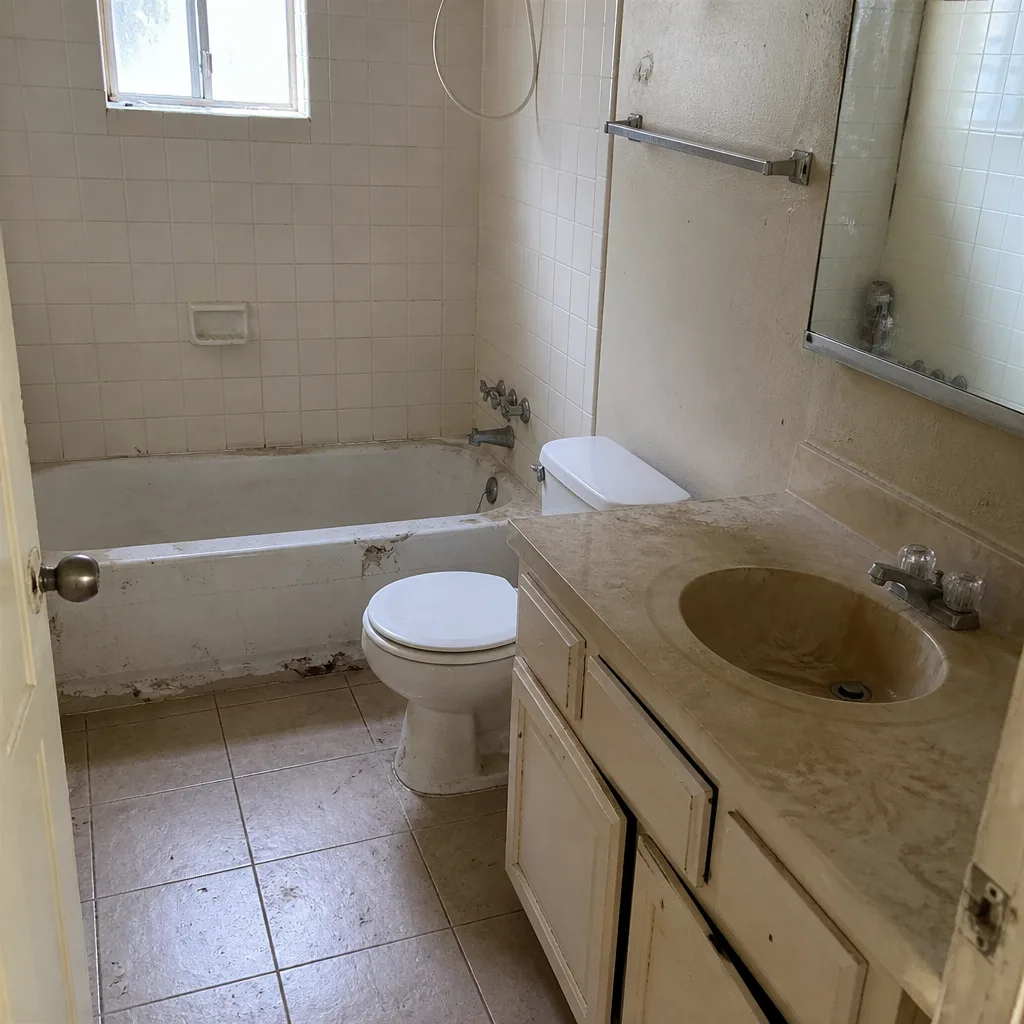
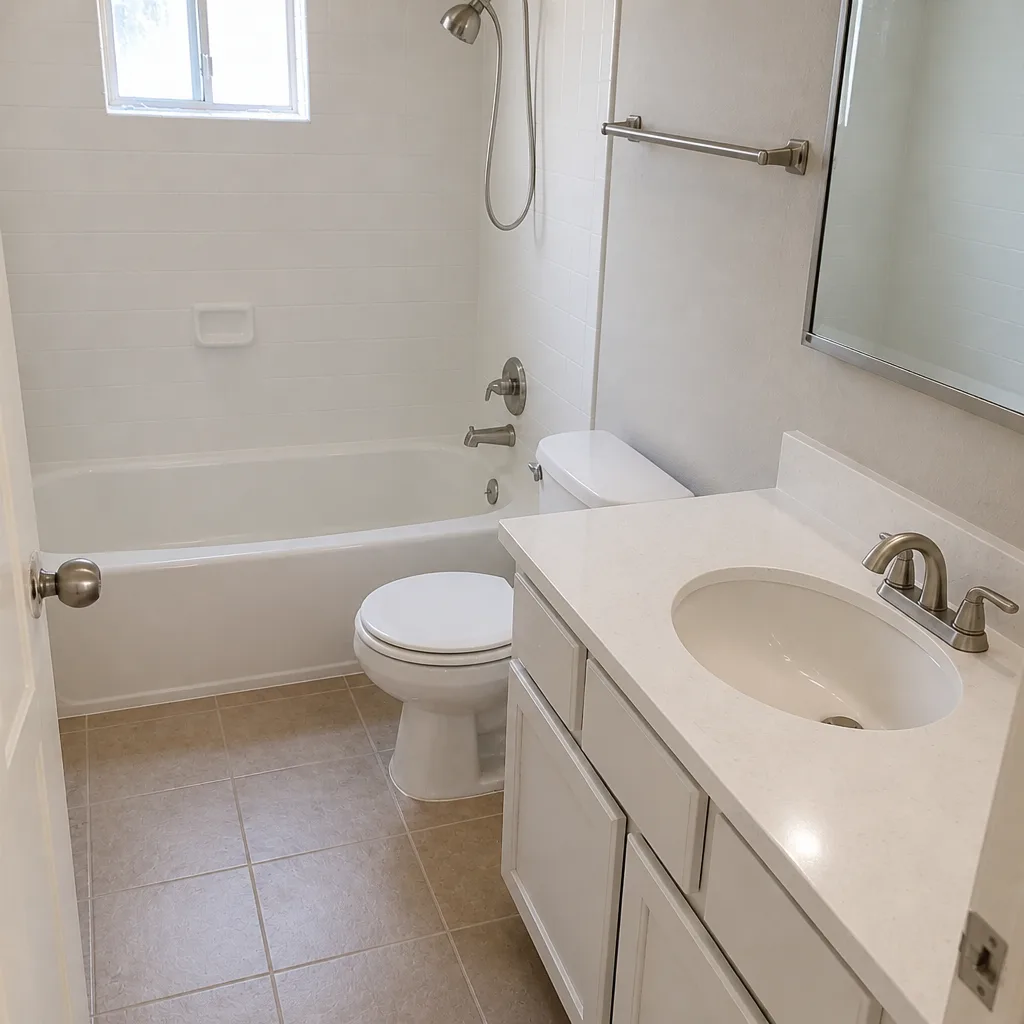
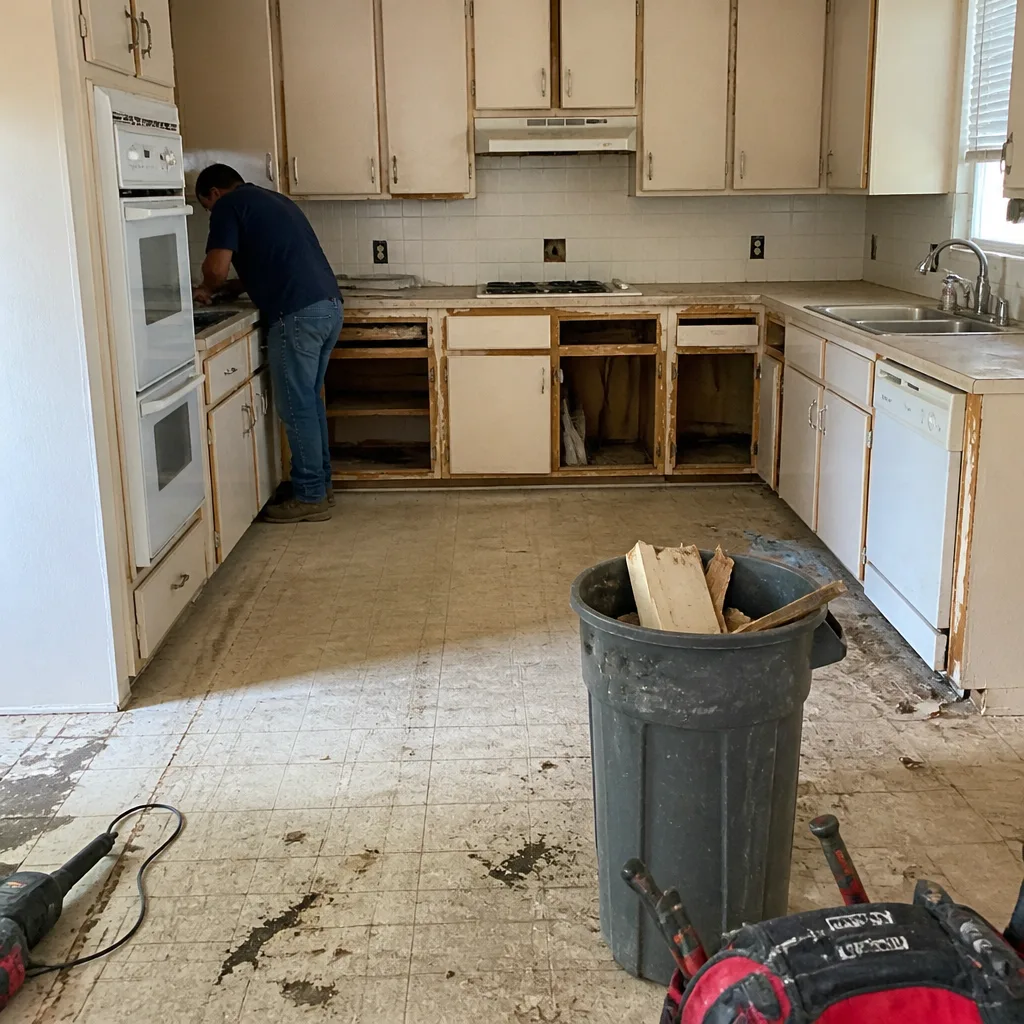
See the difference
 Before
 After
 Before
 After
 Before
 After
When to Call a Professional
Call a pro when water is getting behind the frame, when the frame or surrounding structure is out of square, when a sealed glass unit has failed and needs replacing, or when security hardware on a door is broken. Call sooner if you see soft wood at a sill, staining on interior drywall near a corner, or a door that’s pulled away from the jamb. These are the signs that the problem has moved past the unit and into the structure, and they’re where a quick fix can become a much bigger repair if left alone. A proper diagnosis up front is what keeps a small leak from becoming a framing repair. Groundwork Construction Co. of Carrollton offers free estimates in Carrollton – call (844) 560-0925, and a live person answers any hour of the day. We’ll tell you honestly whether you’re looking at a $40 caulk job or a replacement, and back any work we do with our 730-Day Done Right Promise.
Frequently Asked Questions
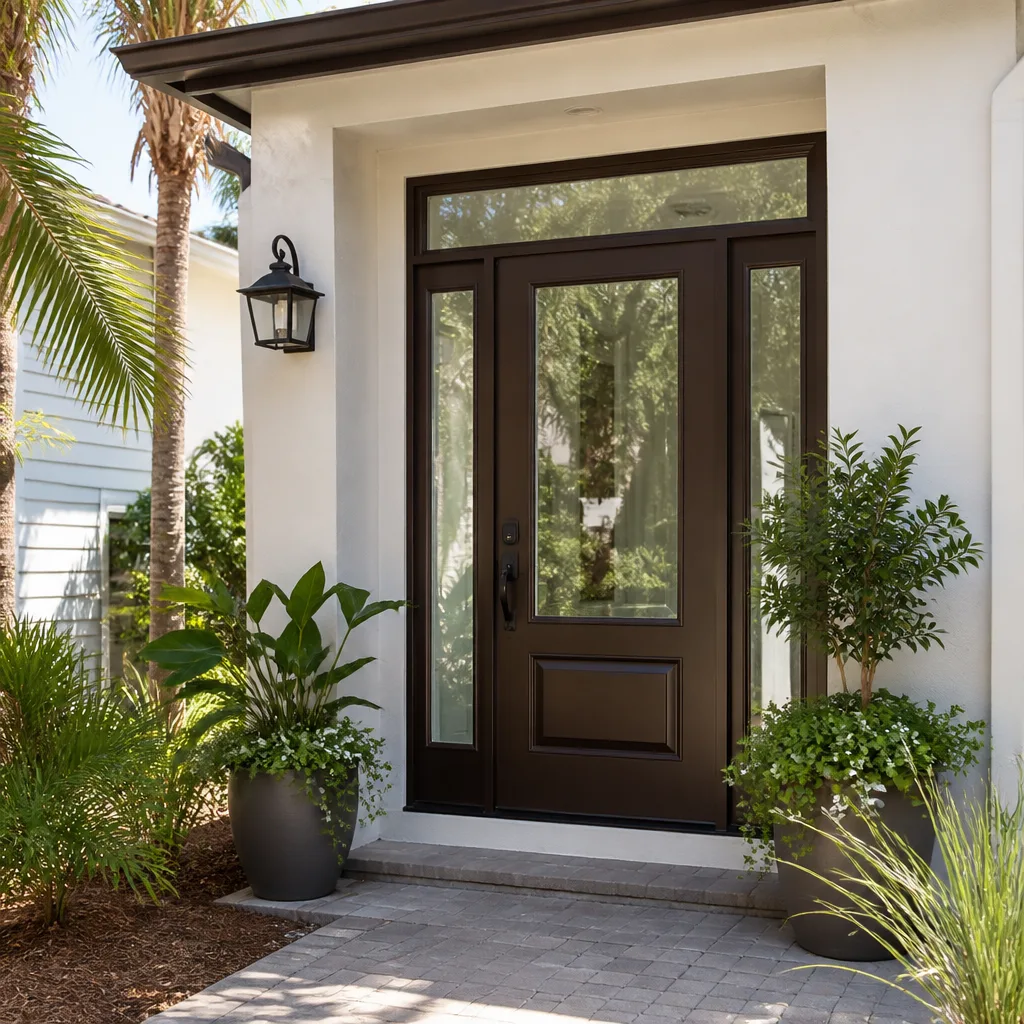
Seasonal sticking in Carrollton is almost always humidity and soil movement, not a hardware defect. North Texas’ expansive clay soil swells with spring and summer moisture, which shifts foundations slightly and binds a door against its frame. Adjusting the strike plate or lightly planing the door gets you through the season, but if the sticking comes with drywall cracks, have the foundation checked.
Fog between the panes means the sealed glass unit has failed and moisture has entered the gas space – but it doesn’t always mean full replacement. Many manufacturers warrant the sealed unit for a set period, so check your paperwork before you assume a full window replacement. Call (844) 560-0925 for a free estimate if you want the unit diagnosed and a straight answer.
Use the incense test. On a windy day or with an exhaust fan running, run a lit incense stick slowly around the window or door perimeter and watch where the smoke pulls sideways. A strong, steady pull at the caulk line means the installation seal is the problem; a pull through the weatherstripping means the unit’s seals need attention.
A professional diagnostic visit in Carrollton typically runs a set service fee, and most repairs – recaulking, weatherstripping, hinge and strike adjustment, single-unit swaps – cost well under a full replacement. The honest range depends on whether you’re fixing a seal or replacing a unit. Call (844) 560-0925 for an exact quote – estimates are free, and we give written line-item pricing up front.
Not with us. We give no-hassle upfront pricing – the number you see is the number you pay – so a written estimate stays a written estimate. If we open a wall and find something unexpected, we stop and talk to you before doing any additional work, not after. That’s part of how we back every project with the 730-Day Done Right Promise.
Yes. When a replacement changes the opening size or touches structural framing, a permit and inspection are required in Carrollton, and we pull the permit and pass the inspection as part of the job. Skipping that step creates problems at resale, so we never leave it out of scope. Call (844) 560-0925 to talk through your project.
The Bottom Line
Most window and door problems in Carrollton aren’t the window or the door – they’re the seals, the installation, or the ground moving underneath. Diagnose from the symptom backward: air means seals or weatherstripping, water means flashing or caulk, fog between panes means a failed sealed unit, and seasonal sticking means humidity and soil. Run the incense test before you call anyone, and you’ll know whether you’re looking at a $40 afternoon fix or a real replacement. When it’s the installation or the structure, don’t gamble on a bargain bid – get upfront pricing, written in full, and a workmanship guarantee that actually means something.
If your windows or doors need more than a tube of caulk, we’re glad to take a look. Call (844) 560-0925 for a free estimate – a live person answers any time, and our technicians are background-checked, uniformed, and experienced with exactly this kind of work.
Written by the team at Groundwork Construction Co. of Carrollton.