Last updated November 18, 2026







Free written scope consultation - allowances, timeline, and change-order rules on paper before a single trade is scheduled
Windows & Doors Warning Signs Every Homeowner Should Know
A door that’s slightly harder to lock than it used to be isn’t a minor annoyance. It’s your house telling you the frame has shifted, and what comes next is either a repair or a burglary. We’ve walked into Carrollton homes where a homeowner mentioned “the back door sticks a little” and found a rotting sill plate underneath. The signs your windows and doors give you show up years before the hardware actually fails, which is exactly why most people miss them. This guide covers the five ways a window seal fails, the door-latch signal that points to framing or foundation movement, the water signs homeowners mistake for condensation, the summer energy pattern that flags window failure in Carrollton, and the security gaps you can spot in ten seconds with a flashlight.
Quick Answer
The main warning signs that windows and doors need attention are failed seals (fogging, drafts, condensation between panes), doors that won’t latch without lifting, water staining or soft wood around frames, cooling bills that climb every summer without explanation, and frames that flex or show daylight gaps when you push on them. Any one of these is worth a professional look. Two or more showing up at once usually means the unit is past repair and replacement is the smarter money.
Styles & brands we work with
- Kitchen remodeling
- Bathroom remodeling
- Home additions & ADU
- Roofing
- Windows & doors
- Driveway & pavers
- Fence
Table of Contents
- The Five Signs a Window Seal Has Failed
- Why a Door That Won’t Latch Is a Framing Signal
- Water Infiltration Signs Homeowners Mistake for Condensation
- What Your Carrollton Summer Cooling Bill Is Telling You
- The Security Vulnerability Signals Most Homeowners Miss
- A 10-Minute Inspection You Can Do This Weekend
- Repair or Replace? How to Decide
- Common Mistakes to Avoid
- When to Call a Professional
The Five Signs a Window Seal Has Failed
A sealed window unit is two panes of glass with argon or krypton gas trapped between them. That gas pocket is what gives the unit its insulation rating, and once the seal breaks, the rating is gone whether the glass looks fine or not. We’ve seen Carrollton windows that looked perfectly clear but tested at a fraction of their original performance because the gas had leaked out years earlier. Here are the five signs, in the order they typically appear:
- Fogging or haze between the panes. This is moisture that got in through the broken seal. It’s the most obvious sign and usually the last one to show up.
- Condensation on the interior of the glass in cool weather. If you’re wiping the inside of a double-pane window on a January morning in Carrollton, the seal is compromised.
- A visible wavy or distorted reflection. Stand outside and look at the reflection of a straight line in the glass. A failed unit often distorts it.
- Drafts you can feel with a wet hand. Run a damp hand along the frame and sash edges on a windy day. Cool spots mean air is moving where it shouldn’t.
- Sound leaking through. A sealed unit deadens outside noise. If you’re suddenly hearing the traffic on Josey Lane more clearly than you used to, the unit has lost its gas fill.
One failed seal in a house isn’t an emergency. Three or more in the same wall usually means the whole batch was installed at the same time on the same day, and the rest are on the same clock. Windows of this type are one of the core categories we handle through Groundwork Construction Co. of Carrollton home and our window and door service line, and we see this batch-failure pattern in Carrollton subdivisions constantly because builders install entire walls in a single afternoon.
Why a Door That Won’t Latch Is a Framing Signal
When the deadbolt used to throw with a thumb push and now requires you to lift the door, the hardware didn’t suddenly get harder to turn. The door moved relative to the frame. That means either the hinges settled, the frame racked, or the wall around the door shifted. In Carrollton, all three are common, and you have to diagnose which one is actually happening before you touch the lock.
Start with the easy check first. Open the door and look at the gap between the door and the frame at all four corners. Is it even? Is the gap at the top uniform across the width? Run a straightedge (a level works) down the hinge side of the frame. It should be plumb. If it’s not, the frame is out of square, and no amount of hinge adjustment will fix that.
Next, look at the hinges. Tighten every screw. If a screw spins without grabbing, the hole is stripped, and the fix is to fill the hole with a wooden matchstick or dowel and re-drive the screw, not to buy a bigger screw. Check the strike plate on the latch side and see if there are marks in the wood where the bolt has been scraping. Those scratch marks trace the door’s movement over time.
If all three of these checks come back clean and the door still doesn’t latch, the problem is under the door, not at the door. That’s a framing or foundation signal. Our region has shrink-swell clay soil, and during a dry summer in Carrollton, that clay contracts and takes the foundation slab with it. A door that started sticking in July and stopped in October is doing exactly what slabs do. The same applies to a door that changes its behavior with the season. Those seasonal shifts are often the earliest sign of foundation movement, and we’ve seen them show up in a door six months before a homeowner noticed any other symptom.
Water Infiltration Signs Homeowners Mistake for Condensation
Condensation is a moisture problem. Water infiltration is a water problem, and the two get confused constantly because both leave the same wet glass look on the inside of the window. The tell is where the moisture sits and what happens near it.
Condensation on the glass surface wipes away and leaves no trace. Infiltration leaves something behind:
- Soft or dark wood at the sill or the bottom corners of the frame. Press a screwdriver into the wood gently. If it sinks in, the wood is rotten and the water has been getting in for years.
- Bubbling or peeling paint on the interior trim. Water finds the paint and pushes it off from behind. It’s almost never the paint’s fault.
- Staining on the wall or ceiling just below the window header. This is water that got in above the frame and traveled down the inside of the wall cavity.
- Salty white crust on the exterior brick or siding. That’s efflorescence, and it means water has been moving through the masonry around the window for a long window of time.
- Mold or musty smell near the window. Where water sits, mold follows. If you smell it before you see it, trust your nose.
A specific Carrollton pattern we deal with every year: homes in the 75006 and 75007 zip codes with original builder-grade aluminum frames and stucco cladding. The caulk joints at the perimeter crack in the third or fourth Texas summer, and water gets behind the stucco along the window flange. The homeowner sees a little moisture on the interior trim and chalks it up to humidity. By the time the plaster starts to bubble, the sheathing is compromised. If your window trim has been repainted more than twice because it keeps peeling, that’s not an aesthetic issue. Have somebody look at it.
What Your Carrollton Summer Cooling Bill Is Telling You
Window performance failure shows up in your electricity bill before it shows up anywhere else. In Carrollton, our cooling season runs May through September, and the peak months are July and August when highs regularly hit 100°F or higher. A window that’s lost its gas fill or has a broken seal lets the heat in all day, and your air conditioner works harder every single hour of it.
Here’s the pattern to watch for on your energy statements:
- Pull your bills for the same month this year and the past two. Compare kilowatt-hours (the raw usage), not the dollar total. Rates change, usage doesn’t lie.
- If your kWh usage in July is up more than 10% to 15% compared to three summers ago, and your habits, appliance lineup, and thermostat setpoints haven’t changed, start looking at the envelope. Windows are usually the first suspect.
- Check which side of the house gets the afternoon sun. In Carrollton, that’s the west and southwest walls. Windows on that side take the worst of it, and their failure shows up in the utility data years before you’d notice fogging.
- Look at when your usage climbs. If your air conditioner runs longer into the night than it used to, the house isn’t shedding heat load the way it should. That’s a window and door envelope problem, not a failing compressor.
We’ve seen Carrollton homeowners spend $6,000 to $8,000 on a new air conditioner to fix a cooling complaint and then realize the problem was eight failed window units on the west wall. The AC was doing its job. The windows were handing it work it couldn’t win. A window and door assessment is a lot cheaper than a compressor replacement.
The Security Vulnerability Signals Most Homeowners Miss
A residential burglary almost never involves breaking glass. It involves finding a window or door that can be opened easily, quietly, and without force. The signs that a window or door is vulnerable are physical and obvious once you know to look for them.
The daylight test. Stand inside on a sunny afternoon and look at the perimeter of every exterior door and window. If you can see daylight around the frame, the latch is not sealing against the strike, and that same gap lets a burglar work a shim or a pry tool into the gap with almost no effort. This is the single fastest security check you can run and most homeowners have never done it.
The flex test. Open the window a few inches and push on the frame at the corners. It should feel solid. If the frame moves, the entire window moves. A window that flexes under hand pressure can be flexed further with a pry bar.
The deadbolt throw test. Close your front door and rotate the deadbolt. It should drop fully into the strike plate with zero drag. If it stops halfway and needs a bump, the bolt is not seated fully, and a common “credit card” entry technique works against doors in that state. Look at the strike plate: the bolt should pass completely through into the frame-side bore with the full length showing on the inside of the plate.
Loose or stripped screws. Fifteen seconds with a screwdriver. Every hinge screw and every strike plate screw should tighten firmly. In Carrollton’s climate, wood swells and shrinks seasonally, and screws back out over time. A door with three loose top-hinge screws is a door that will eventually separate from its frame.
Sliding glass door track lift. On a sliding patio door, grab the fixed panel and try lifting it. If it moves more than about an eighth of an inch, the rollers or the track are worn, and the panel can be lifted out of the track from outside. That’s a direct entry point.
Windows and doors are the highest-leverage part of your home’s exterior envelope – the same category of work we handle under Driveway & Pavers in Carrollton and every other exterior scope we take on, because it all protects the structure from the same weather and the same intrusion risk.
A 10-Minute Inspection You Can Do This Weekend
You don’t need a ladder, a moisture meter, or a contractor. You need ten minutes, a flashlight, and a wet hand. Run this walkthrough on every exterior door and window in the house once a year, ideally in the fall before Carrollton’s cooling season winds down.
- Flashlight corner check. Shine a light along the perimeter of every window and door from the inside. Any visible daylight = a gap.
- Wet-hand draft test. Wet the back of your hand and hold it near the sash edges and frame joints on a windy day. Any cold spot = air infiltration.
- Lift test on every deadbolt. If any door needs a lift to lock, note it. That’s what you’ll come back to first.
- Latch throw test. Lock the door, then wiggle it. If the bolt moves inside the strike, the door isn’t seated properly.
- Rotten-wood test. Press a screwdriver into the bottom corners and sill plate of every window frame. Firm = fine. Soft = water damage.
- Frame flex test. Push on every frame corner. Anything that moves beyond a hair is worth flagging.
- Caulk and weatherstrip inspection. Look for cracked caulk lines, peeling paint at perimeter joints, or weatherstripping that has lost its spring.
- Glass inspection between the panes. Fog, haze, or drip trails between the glass = failed seal.
- Operable window ease test. Open and close every window. If any stick, scrape, or need force, the hardware or frame is moving.
Write down the results by location. When we walk into a Carrollton home for a window and door estimate, that list tells us more than three hours of guessing would. It also tells us whether the problem is one unit or the whole house.
Repair or Replace? How to Decide
The question the homeowner always asks us: can’t you just fix it? Sometimes yes. Usually the answer depends on which of three categories the problem falls into.
Repair territory. Broken hardware, worn weatherstripping, a bad hinge, a stripped screw, a worn sliding-door roller, or a single failed glass unit in an otherwise healthy frame. These are all replaceable parts on a window or door that’s still square and watertight. Cost is typically in the low hundreds per unit, not the thousands.
Borderline territory. A failed seal on a newer unit that’s still under manufacturer warranty, or a frame that’s settled but isn’t structurally compromised. Get the manufacturer warranty info before you authorize anything. Replacement glass units (known as IGUs) are often the right call if the frame is solid.
Replace territory. Multiple failed seals in the same wall, rotten wood at the frame or sill, visible water damage to the surrounding wall assembly, frame that’s noticeably out of plumb, or a unit that’s 20+ years old and hasn’t aged gracefully. Once the frame is compromised, patching it is throwing money at the frame. You’ll be back in two years.
On the replacement side, we work with a curated lineup that includes Andersen for window units and James Hardie products for the exterior trim and cladding around them. That last detail matters more than most homeowners expect because the trim around a window does a big part of the job the window itself doesn’t: it sheds water away from the wall opening. When we replace a window in Carrollton, we generally recommend we replace any compromised trim with a product that holds up better in our summers, and James Hardie siding and trim is a standard part of that conversation.
We also frequently get asked whether replacing windows impacts any other part of the exterior, and it usually does. Exterior home additions and new window sections should always be planned together – our Home Additions & ADU in Carrollton page covers how we scope window and door work when it’s part of a bigger exterior change.
Common Mistakes to Avoid
These are the patterns we see most often from Carrollton homeowners who call us after living with a problem for too long.
- Treating a sticking door as a hardware problem. Nine out of ten times, a door that needs lifting to latch has moved relative to its frame, not broken its lock. Adjusting or replacing the lock will make the door feel fine and hide the framing movement for another year.
- Ignoring condensation on the inside of a double pane in cool weather. Wiping it off makes it look solved. It’s the first external sign that the gas fill is gone, and it will only get worse.
- Repainting peeling exterior trim over and over. If your window trim in Carrollton peels every two or three summers, the wood underneath is getting wet. Paint is a symptom treatment, not a fix.
- Assuming a higher energy bill is just “rates going up.” Compare kWh, not dollars. A 15% jump in kWh usage with the same habits is the envelope talking, not the utility company.
- Skipping the daylight test. It takes seconds and it catches the most common burglary entry point in the house. Homeowners who replace doors and windows for security usually find they had a daylight gap for years.
- Replacing one window in a wall of failing windows. Batch-installed windows fail as a batch. Replacing one at a time means you’ll pay four mobilization and labor charges instead of one.
- Fixing the AC when the real problem is the windows. Before you spend on a new condenser, check the west-facing wall. We’ve seen the same call three times in a single Carrollton summer.
When to Call a Professional
You can knock out the ten-minute inspection yourself. What you can’t do alone is diagnose whether a stuck door is a hardware, framing, or foundation problem, whether a failed window seal is a glass-only replacement or a full window replacement, or whether the water staining you’re seeing is a five-minute caulk job or a wall-assembly repair. Those three calls determine whether you’re spending hundreds or thousands, and getting them wrong costs real money.
Call us if any of these are true: multiple window seals have failed in the same wall, a door no longer latches without lifting, you see daylight around any exterior door or window, you have rotten or soft wood at a sill, or your Carrollton cooling bills have climbed 15% or more without a habit change. We work with Andersen window units and James Hardie exterior products, and every installation is backed by our 730-Day Done Right Promise. Groundwork Construction Co. of Carrollton offers free estimates in Carrollton – call (844) 560-0925, and a live person picks up 24 hours a day.
See the difference
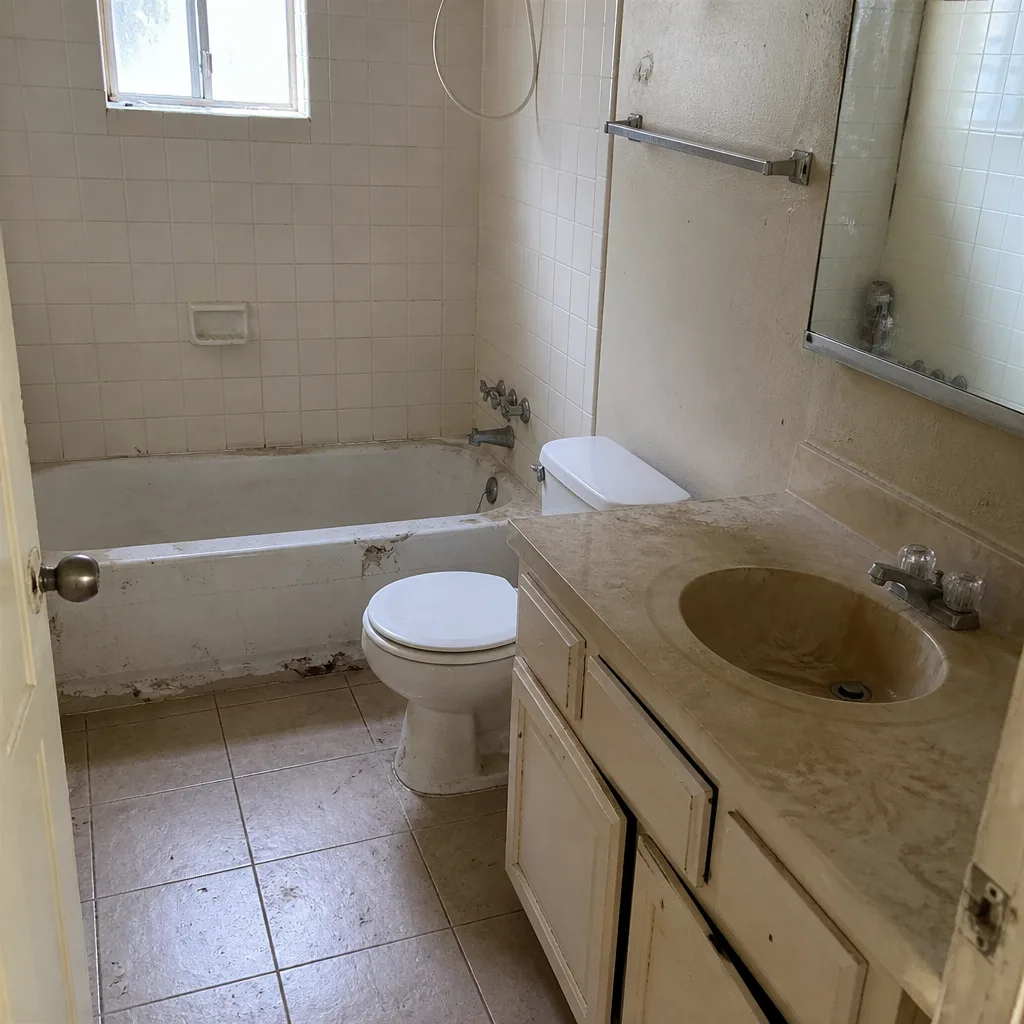 Before
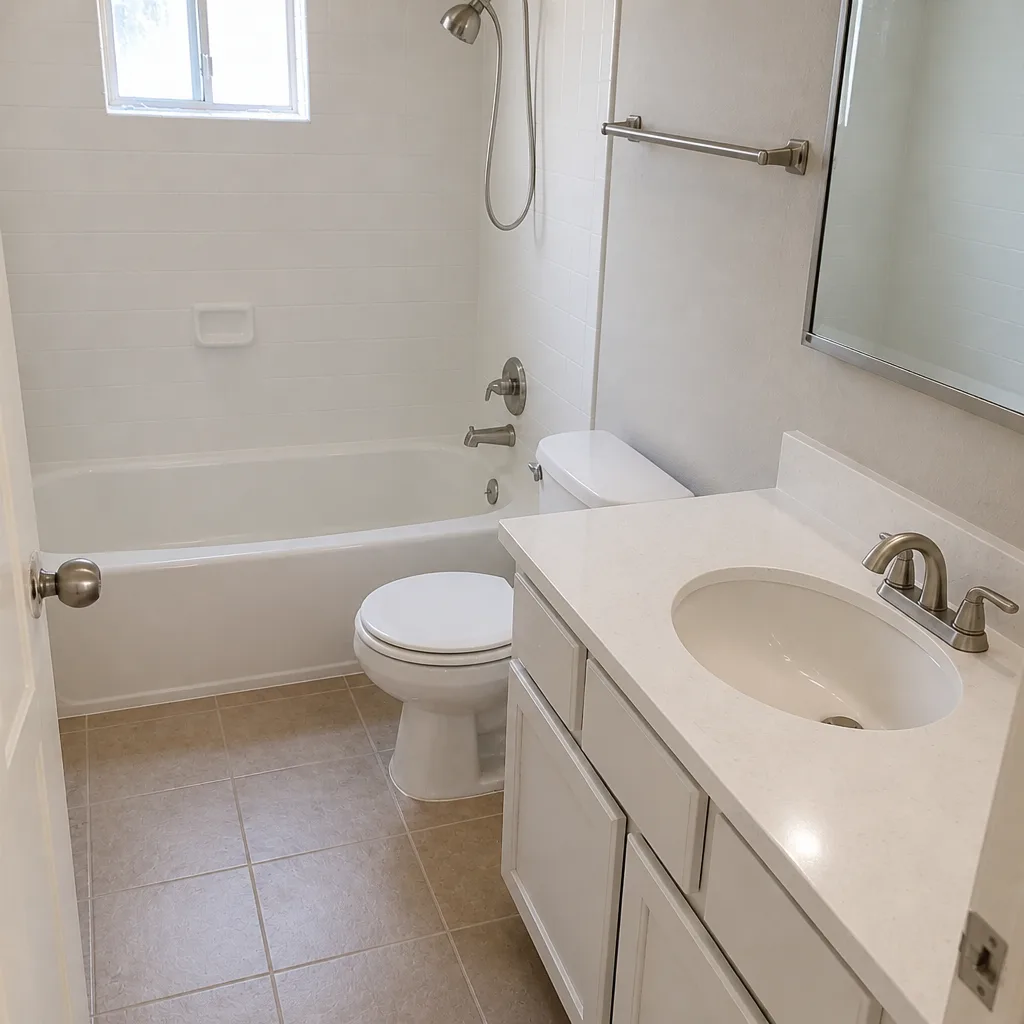 After
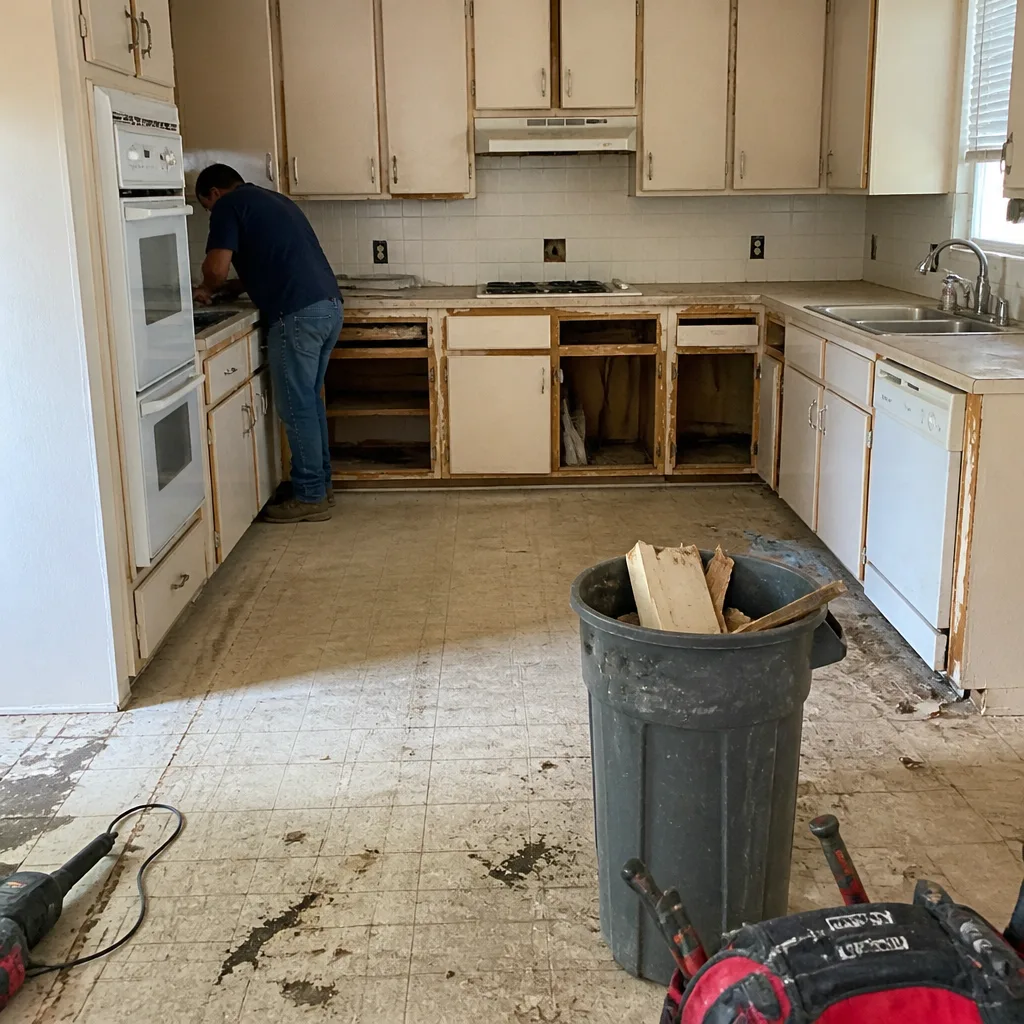 Before
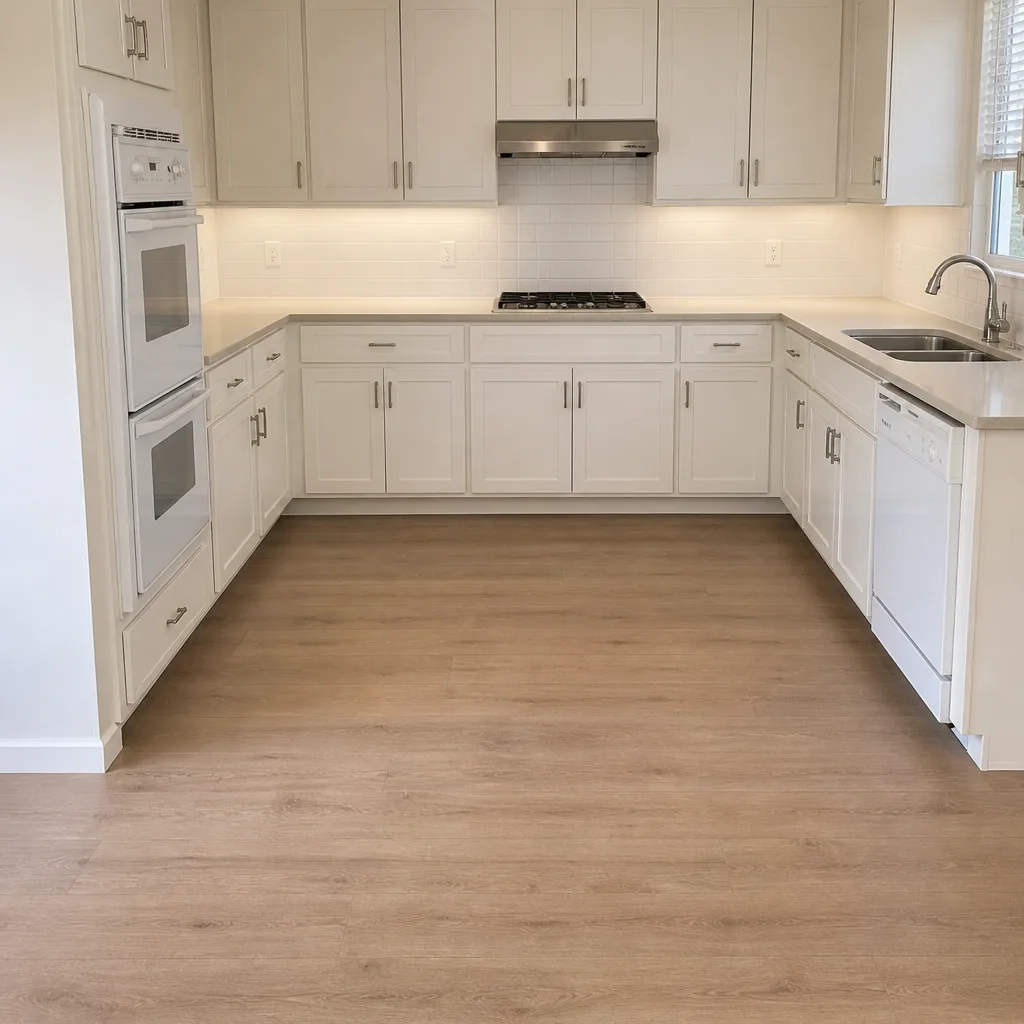 After
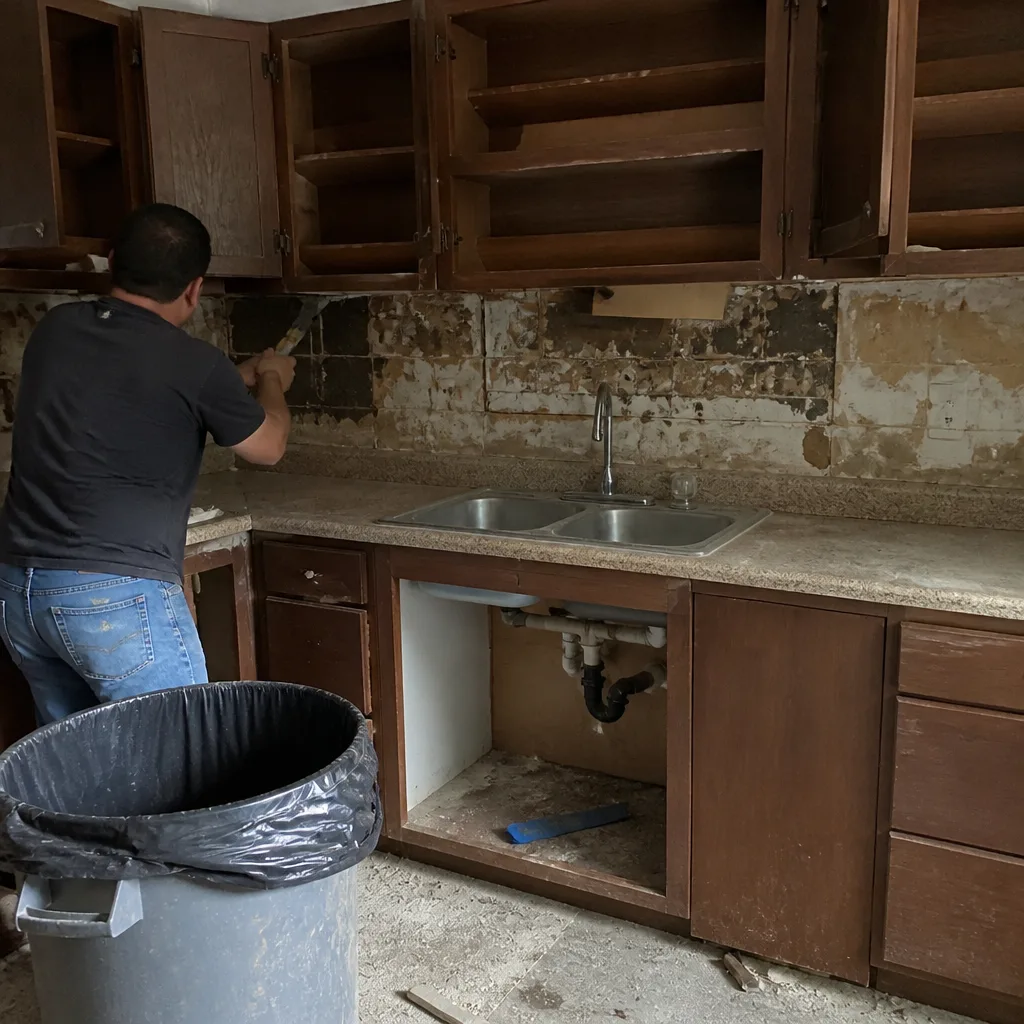 Before
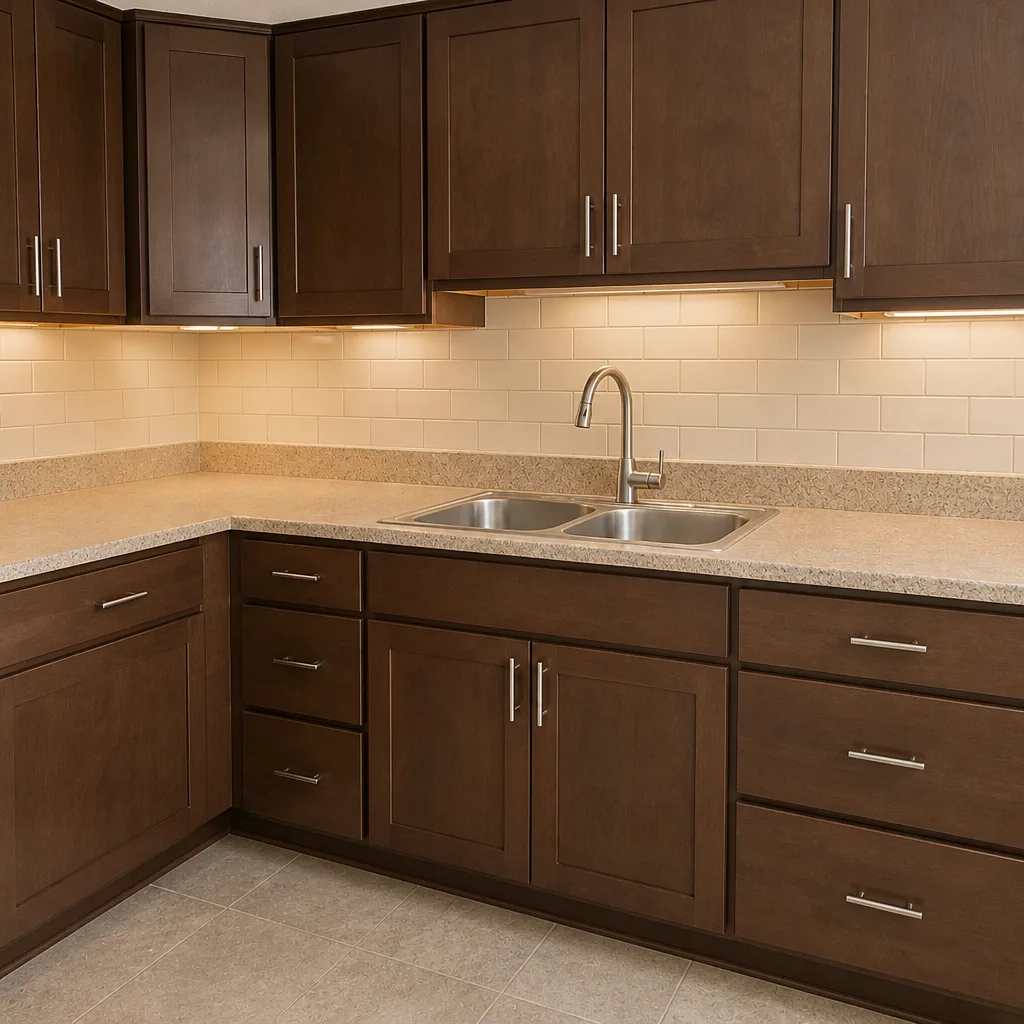 After
Frequently Asked Questions

The clearest sign is fogging, haze, or condensation between the two panes of glass. That’s moisture that only gets in when the seal is compromised, so it’s a direct indicator. Drafts you can feel with a wet hand near the sash edges, a distorted reflection in the glass, and outside noise leaking in more than usual are the other four signs. If a unit fails the fog test, it has lost its insulation performance whether the glass still looks clear or not. Call (844) 560-0925 for a free evaluation; estimates are free.
Because the door has moved relative to the frame, not because the lock is broken. That movement comes from settled hinges, a frame that’s out of square, or a shift in the wall or foundation under the door. In Carrollton’s clay soil, seasonal movement is common, and a door that sticks in a dry summer and loosens in a wet fall is telling you exactly what the slab is doing. Have it looked at before you adjust the hardware. Call (844) 560-0925 for an exact quote – estimates are free.
Yes, and they show up in kWh usage years before they show up visually. Carrollton’s cooling season runs from May through September with July and August regularly above 100°F. A window with a failed seal lets heat into the house all afternoon, and the same cooling system has to work harder every hour. If your kWh usage is up 10% to 15% over three summers with the same habits, start with the windows on the west-facing wall. Call (844) 560-0925 to schedule a free assessment; estimates are free.
Sometimes, yes. If the frame is square, the wood is solid, and the surrounding wall assembly is dry, a glass-only replacement (an IGU swap) is usually the more economical path. If the frame has moved, if the wood around the sill is soft, or if the surrounding wall has water damage, replacing the glass alone is throwing money at a frame that won’t hold it. A quick professional look tells you which path is right. Call (844) 560-0925 for a free estimate.
The daylight gap. Stand inside on a sunny afternoon and look at the perimeter of every exterior door and window. Any light coming through around the frame means the latch or bolt isn’t sealing fully, and that gap is what a burglar uses a pry tool or shim on. Tighten every hinge and strike plate screw, then re-check. If the gap is still there after tightening, the door has moved and the frame needs to be looked at. Call (844) 560-0925 for a free assessment in Carrollton.
In most cases, yes, a permit is required for a full window or door unit replacement in Carrollton because it changes the exterior envelope of the house, and the permit pulls in an inspection of the flashing, sealing, and frame installation. Repairing hardware, weatherstripping, or a glass IGU often does not require a permit. When we do a window or door replacement, we pull the permits and pass the inspections as part of the job, so you’re not chasing the city on your own. Call (844) 560-0925 to talk through your project scope; estimates are free.
The Bottom Line
The warning signs your windows and doors give you fall into four buckets: insulation failures (fogging, drafts, sound leaking), structural signals (doors that won’t latch, frames that flex), water intrusion (soft wood, peeling paint, staining), and security vulnerabilities (daylight gaps, deadbolts that don’t throw fully). Any single sign is worth investigating. Two or more in the same house means you’re past the repair window and into the replacement conversation. The ten-minute inspection in this guide catches all of them, and catching them early is what separates a few hundred dollars from a few thousand in Carrollton. When it’s time for a professional look, a free estimate and a written line-item quote will tell you more than any online calculator will. That’s the whole point of a free estimate.
Call (844) 560-0925 to schedule yours, and a live person picks up. Every estimate is free, every quote is upfront with no surprises, and every installation carries the 730-Day Done Right Promise. From window seals to full door replacement, we back the work in writing, so the stuff that shows up years from now is already covered.
Written by the team at Groundwork Construction Co. of Carrollton.