Last updated November 18, 2026





Free written scope consultation - allowances, timeline, and change-order rules on paper before a single trade is scheduled
Seasonal Construction Care for Carrollton: Year-Round Homeowner’s Guide
Carrollton sits inside one of the highest shrink-swell soil risk zones in the United States. That single fact explains most of what goes wrong with homes here: the hairline cracks in your masonry every spring, the driveway corner that keeps lifting, the trim joints that open wider each August. They aren’t random. They follow a calendar, and the calendar starts in October, not in March when you first notice the damage. This guide walks through that calendar month by month, built around North Texas clay, surprise ice storms, and summers that bake sealants to powder. You’ll learn what to inspect, when to act, and which tasks protect the warranties on your roof, windows, pavers, and fence.
Quick Answer
Seasonal construction care in Carrollton means working with the clay, not against it. The core rhythm is this: manage drainage and grade before the February freeze window, clear and inspect foundation drainage before the March-to-May storm season, protect caulk, expansion joints, and polymeric sand through the 100°F summer, and document soil movement after the late-summer drought so you have a paper trail if a warranty claim ever comes up. Homeowners who follow that rhythm spend far less on repairs than those who react to cracks after the fact.
Styles & brands we work with
- Kitchen remodeling
- Bathroom remodeling
- Home additions & ADU
- Roofing
- Windows & doors
- Driveway & pavers
- Fence
Table of Contents
- Why Carrollton’s Soil Makes Seasonal Care Different
- The Fall Pre-Freeze Checklist for Carrollton Clay
- Spring Storm Season: Inspect Before the First Major Rain
- Summer Material Care: Heat, Caulk, and Polymeric Sand
- The Post-Drought Inspection Protocol
- Which Seasonal Tasks Protect Your Contractor Warranties
- Neighborhood Notes Across Carrollton
- Common Mistakes to Avoid
Why Carrollton’s Soil Makes Seasonal Care Different
Most seasonal maintenance advice you’ll find online was written for a generic American suburb. It assumes soil that drains, a mild winter, and a summer that tops out around 90°F. Carrollton gives you none of those. The black and gray clay under much of this city expands when it’s wet and contracts when it’s dry, and the swing between the two is measured in inches, not fractions. A foundation poured on that clay moves. The question isn’t whether it moves, but whether it moves evenly.
That’s the whole game. When soil under one corner of a slab stays wet while the opposite corner dries out, the slab racks. You see the result as stair-step cracks in brick, doors that stick in July and swing free in January, and gaps where the garage wall meets the house. Groundwork Construction Co. of Carrollton has watched this pattern repeat across the city for years, and it’s remarkably consistent: the homes with the worst movement almost always have a grading or drainage problem that went unaddressed for two or three seasons.
North Texas adds two more variables. First, ice storms that arrive with little warning and drop a half-inch of ice on trees that haven’t shed their leaves, which is how you get frozen limbs through a roof. Second, a summer sun that pushes surface temperatures on dark pavers and roofing past 140°F, which ages sealants and flexible materials at roughly double the rate they’d age in a milder climate.
Key Takeaways:
- Carrollton’s shrink-swell clay is the root cause of most visible cracking here.
- Uniform moisture around the foundation matters more than total moisture.
- Drainage fixes done in fall prevent the worst spring and summer damage.
- Heat and ice do different damage, and each needs its own seasonal response.
The Fall Pre-Freeze Checklist for Carrollton Clay
Fall is the most important season for Carrollton homeowners, and it’s the one most people skip. The work you do in October and November determines how your foundation, driveway, and exterior trim come through the February freeze. Clay that’s saturated going into a hard freeze heaves. Clay that’s been graded to shed water away from the slab stays stable.
Here’s the pre-freeze sequence we recommend, in order:
- Walk the perimeter and check the grade. Soil should slope away from the foundation at roughly six inches of drop over the first ten feet. If water ponds anywhere within three feet of the slab, that’s your first fix.
- Clear gutters and downspout extensions. Downspouts that dump water at the foundation are the single most common cause of one-corner saturation. Extend them at least four to six feet out.
- Inspect the soil line against brick and siding. Mulch and soil should sit below the weep holes and below the bottom course of siding. Piling mulch high traps moisture against the wall and invites rot and pest entry.
- Seal exterior caulk joints on trim, windows, and doors. Use a paintable exterior-grade sealant rated for movement. Caulk that’s already cracked won’t survive a freeze-thaw cycle.
- Check the roof for loose or lifted shingles before ice season. A lifted shingle is a wind and ice entry point. GAF and Owens Corning systems both rely on a continuous sealed field, and a single lifted tab breaks that seal.
- Drain and winterize exterior hose bibs and irrigation lines. A split pipe inside a wall is a far more expensive February surprise than a frozen spigot.
- Trim tree limbs back from the roofline. Ice-loaded limbs are the number one cause of punctured roofs in North Texas ice events.
If your grading needs real work, that’s not a weekend project. Regrading and drainage correction around a foundation should be done by a crew that understands how water behaves on clay. It’s also the right time to think about hardscape that manages water rather than trapping it, which is where a properly built Driveway & Pavers in Carrollton installation earns its keep: a base built to spec with correct slope moves water off the slab instead of into it.
Spring Storm Season: Inspect Before the First Major Rain
Carrollton’s storm window runs roughly March through May, and it produces the heaviest rain events of the year, often in short bursts that overwhelm drainage. This is the highest-risk period for foundation drainage failure, because the soil goes from dry to saturated in hours. Clay that was tight and cracked in February swells fast when it soaks, and the pressure it exerts against a foundation wall or slab edge is real.
The inspection that matters most happens before that first big storm, not after. Here’s what to look at:
- Downspouts and splash blocks. Confirm every downspout still discharges well away from the foundation. Winter wind and lawn equipment move these constantly.
- French drains and area drains. Check that grates are clear and that the drain actually carries water. A clogged drain is worse than no drain because it concentrates flow.
- Window and door seals. Wind-driven rain finds failed weatherstripping and old caulk. Andersen and Marvin window systems are built to shed water, but only if the perimeter seal is intact.
- Roof flashing at valleys, chimneys, and wall intersections. Flashing failures don’t show up until a hard rain, and by then you’re dealing with interior damage.
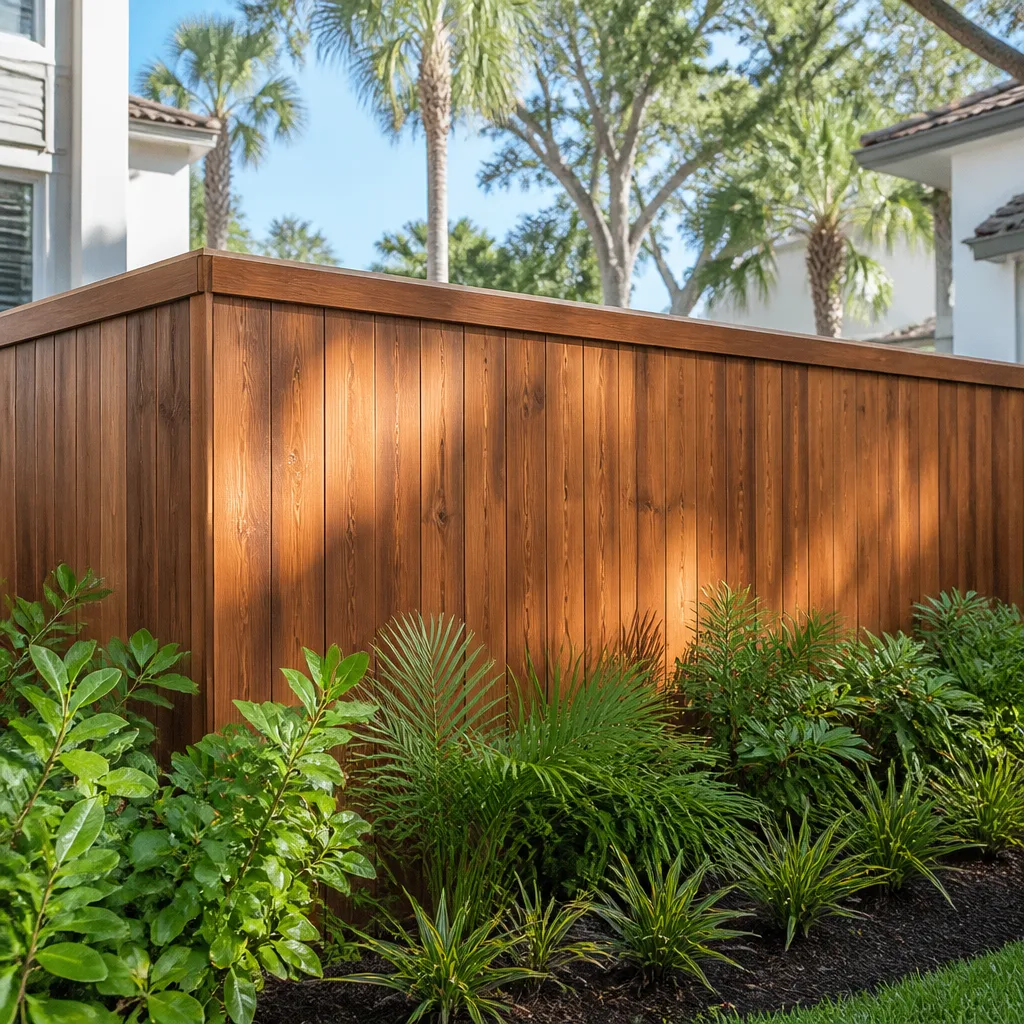
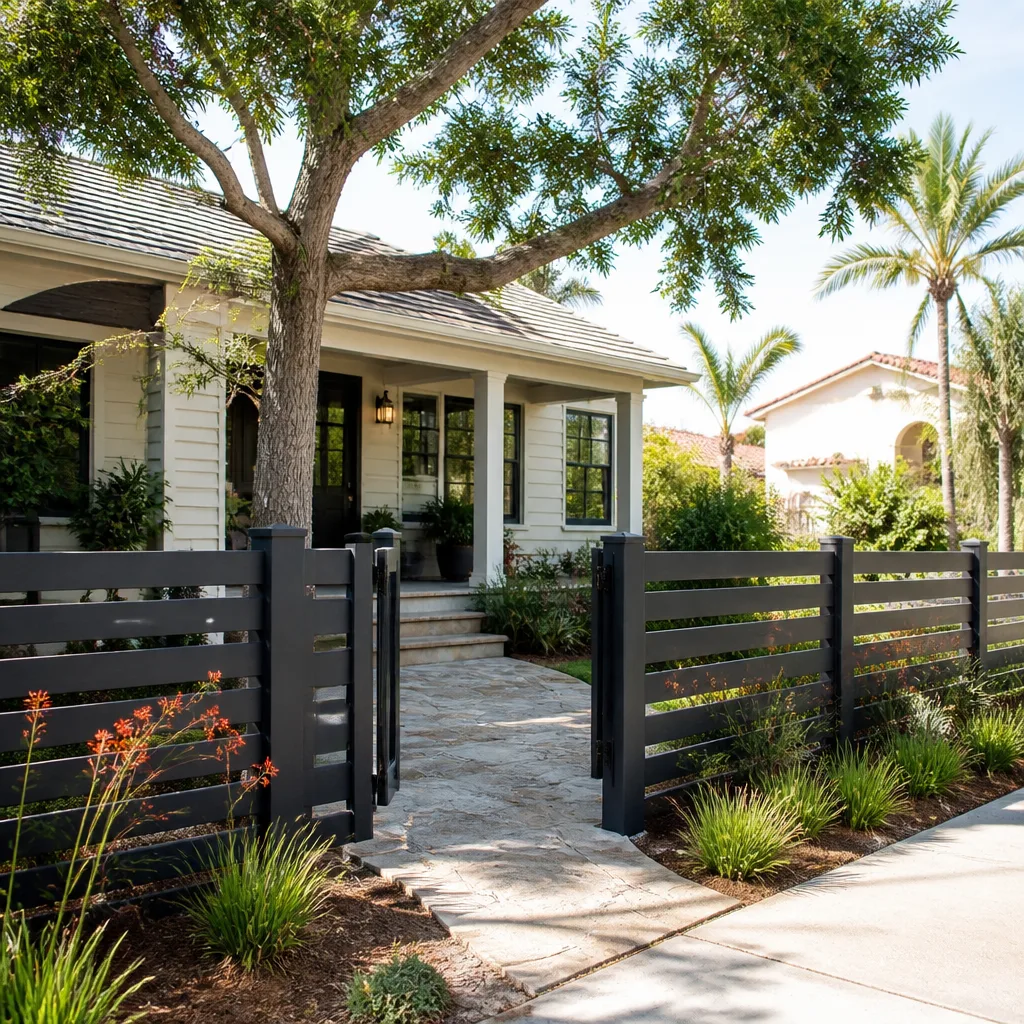
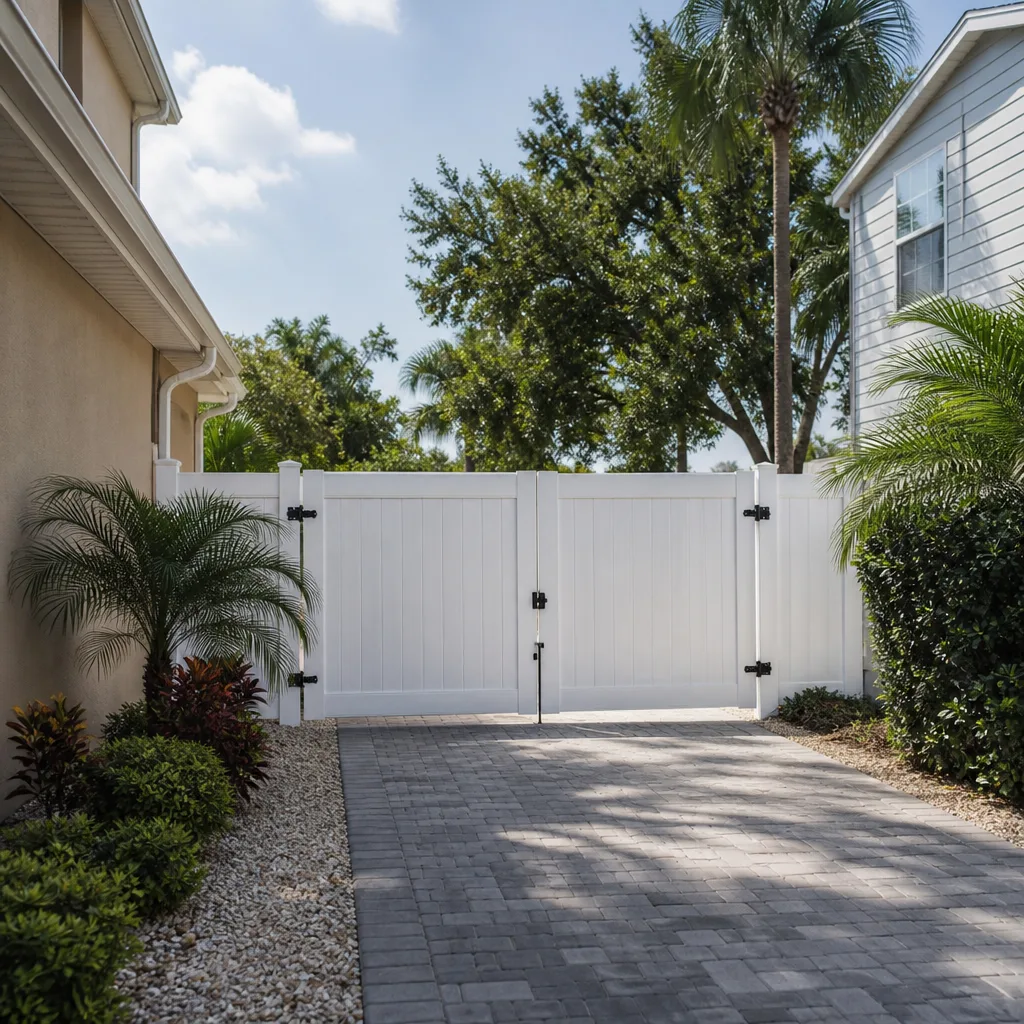
- Fence posts and gates. Saturated clay loosens posts, and spring wind finishes the job. This is why post depth and concrete setting matter so much on a Fence Installation in Carrollton project.
If you find ponding against the house after a storm, document it with photos and the date. That record is useful later, whether you’re filing an insurance claim or discussing a fix with a contractor. In our experience, homeowners who photograph drainage problems early have a much easier time getting issues resolved quickly.
Summer Material Care: Heat, Caulk, and Polymeric Sand
Carrollton summers routinely push past 100°F, and the materials on your home take a beating that isn’t obvious until something fails. The eight-week stretch from late June through August is when sealants age fastest and when the smallest gaps become real problems.
What the heat actually does:
- Caulk and sealant. Exterior caulk loses elasticity when it’s repeatedly cycled through 100°F days and 75°F nights. Once it hardens, it cracks, and water gets behind trim and window frames.
- Expansion joints in concrete and pavers. Concrete expands in heat and contracts at night, and joint material wears out under that cycle. A joint that’s lost its filler is a joint that will crack the slab or loosen a paver.
- Polymeric sand in paver joints. This is a common failure point in Carrollton. Polymeric sand needs to cure properly and stay intact; once it washes out or degrades, pavers shift and weeds take hold. Summer heat accelerates the breakdown if the sand wasn’t installed to the manufacturer’s spec in the first place.
- Wood trim and siding. Unsealed or poorly painted wood dries and checks in summer heat, opening grain cracks that hold water in the next rain. James Hardie fiber cement resists this far better than natural wood, which is one reason it’s a popular choice here.
- Roofing. Asphalt shingles soften in extreme heat, and foot traffic on a hot roof can leave permanent marks or damage the seal. If you need roof work done in summer, it should be scheduled for early morning.
The summer care routine is simple: inspect caulk joints on the south and west exposures first (they get the most sun), refill any paver joints that have opened, and keep an eye on wood trim for checking. Re-caulking a joint costs a fraction of repairing water damage behind it.
The Post-Drought Inspection Protocol
By late August or September, Carrollton soil has typically gone through weeks of dessication. The clay shrinks, the ground pulls away from the foundation, and the slab settles into whatever void has opened up. This is when foundation movement is most visible, and it’s also when homeowners tend to panic unnecessarily because they misread normal seasonal movement as a structural failure.
What you should do is document, not diagnose. Here’s a protocol that gives you useful information:
- Photograph every visible crack with a ruler or coin for scale. Note the date. You’re establishing a baseline so you can tell later whether a crack is growing.
- Check interior doors and windows. Note which ones stick and in which direction they bind. A door that binds at the top corner tells you which way the frame is racking.
- Look for stair-step cracks in brick veneer and gaps at window corners. These are the clearest external signs of differential movement.
- Measure the gap between soil and slab at several points around the foundation. Note the depth of any gap and where it’s deepest.
- Check the driveway and walkways for new heaving or settling. Pavers and concrete both respond to soil movement, and a new lip at a control joint is worth noting.
- Repeat the same inspection in spring and compare. A crack that’s the same width in September and April is stable. A crack that’s grown is a different conversation.
The critical thing is consistency. One set of photos tells you almost nothing. Two sets a season apart tell you whether your foundation is stable or moving, and that’s the difference between a minor repair and a major one.
Which Seasonal Tasks Protect Your Contractor Warranties
This is a topic almost nobody covers, and it matters. Most construction warranties, including the 730-Day Done Right Promise we stand behind on every project, cover workmanship and materials defects. They don’t cover damage caused by neglected maintenance. If a homeowner skips the basic tasks a manufacturer requires, that’s often grounds to deny a claim, and it’s fair: a roof that fails because gutters were never cleared isn’t a roofing defect.
Here’s what typically needs to happen to keep warranties in force:
- Roofing. Clear debris from valleys and behind chimneys. Manufacturers like GAF and CertainTeed publish maintenance expectations, and skipping them can void coverage on a leak that traces back to debris damming.
- Windows and doors. Keep perimeter caulk and weatherstripping intact. Andersen and Pella both expect the installer’s seal to be maintained, not just installed once.
- Pavers and hardscape. Keep polymeric sand topped up and joints filled. Missing joint sand leads to paver movement, and movement isn’t a warranty issue, it’s a maintenance one.
- Fencing. Check post stability annually and address soil erosion at the base. Post failure from erosion usually falls outside a workmanship warranty.
- Exterior trim and siding. Maintain paint and sealant on wood components. James Hardie requires paint per their schedule to keep its warranty valid.
The good news is that the annual work is modest. A few hours in spring and fall, done consistently, keeps almost every warranty intact.
Neighborhood Notes Across Carrollton
Different parts of Carrollton present different seasonal priorities, mostly because of soil variation and the age of the housing stock.
- Downtown Carrollton and the older neighborhoods near the square. Older homes here often have mature trees close to the house, which means fall leaf debris and winter ice loads are the top concern. Gutter maintenance matters more here than almost anywhere else in the city.
- Trinity Mills and the southeastern corridors. Homes closer to low-lying areas see more drainage concentration during the March-May storm window. Grading and downspout extensions here should be checked every single spring.
- North Carrollton and the newer master-planned communities. Newer builds often have fresh sod and settling soil around the foundation. The first two or three years are when soil-to-slab gaps open most dramatically, and early documentation helps.
- West Carrollton near the George Bush corridor. Expansive clay is prominent here, and homeowners commonly see the widest seasonal door and window movement. Keeping uniform moisture around the foundation by managing irrigation is worth the effort.
No matter where in Carrollton you live, the fundamentals are the same. Water is the variable. Control it, and your home’s construction materials last.
Common Mistakes to Avoid
- Watering the foundation heavily in summer. Some homeowners over-water to compensate for dry soil, which creates a saturated zone that’s just as damaging as a dry one. The goal is even moisture, not more moisture.
- Ignoring small cracks until they’re big. A hairline crack in Carrollton clay is information, not a crisis. But if you don’t track it, you can’t tell when it turns into a structural problem.
- Piling mulch against the siding. It’s tempting to freshen up the beds, but mulch stacked above the weep holes traps water and invites termite activity. Keep it below the bottom course.
- Skipping gutter cleaning because it hasn’t rained. In Carrollton, the first spring storm will find whatever’s sitting in your gutters. Clean them in late winter, before the rain.
- Pressure-washing pavers and concrete aggressively. High pressure blasts out polymeric sand and damages the surface. Use low pressure and a proper paver cleaner.
- Letting tree limbs grow over the roof. It’s not just pest access. Ice storms arrive with little notice in North Texas, and a limb hanging within a few feet of the shingle is a real risk.
- Assuming a new installation needs no seasonal care. Every warranty, including our Groundwork Construction Co. of Carrollton home page’s standard terms, assumes basic maintenance. New construction still needs the calendar.
See the difference
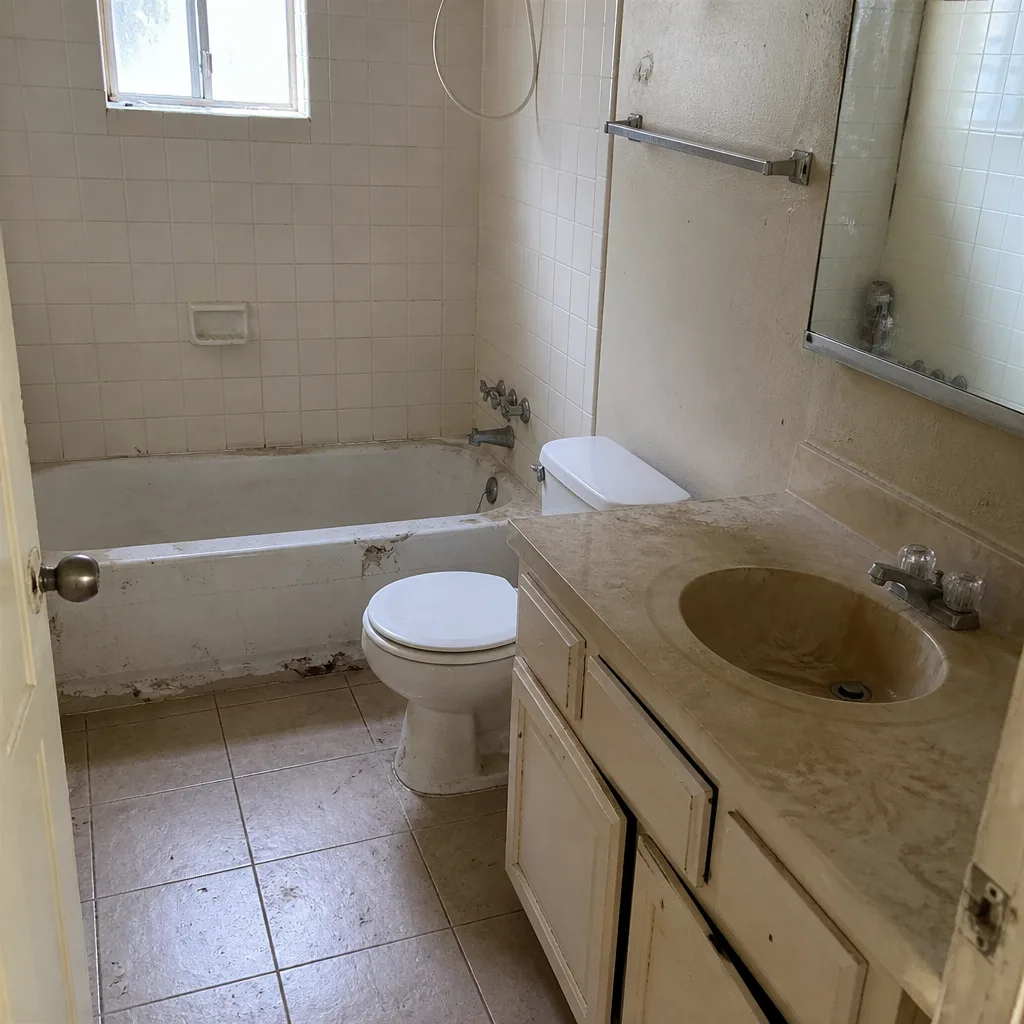 Before
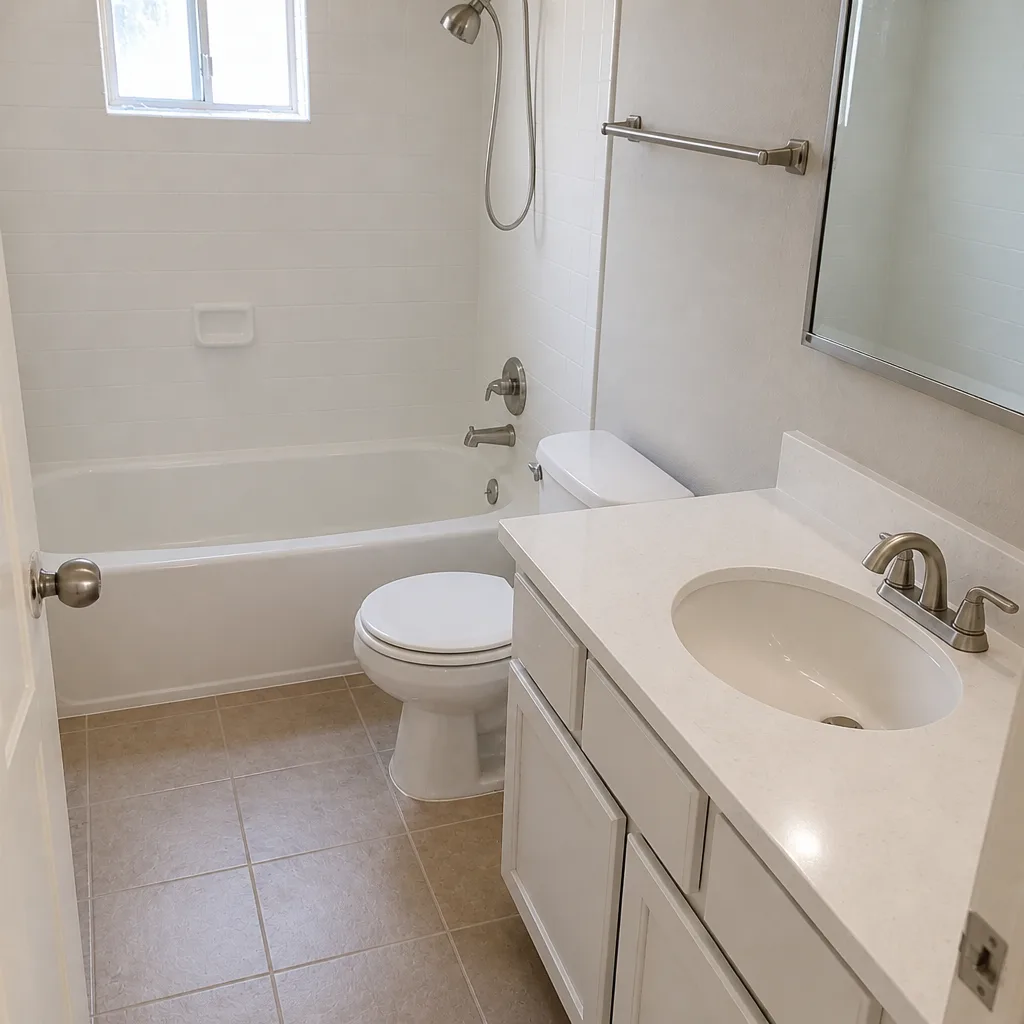 After
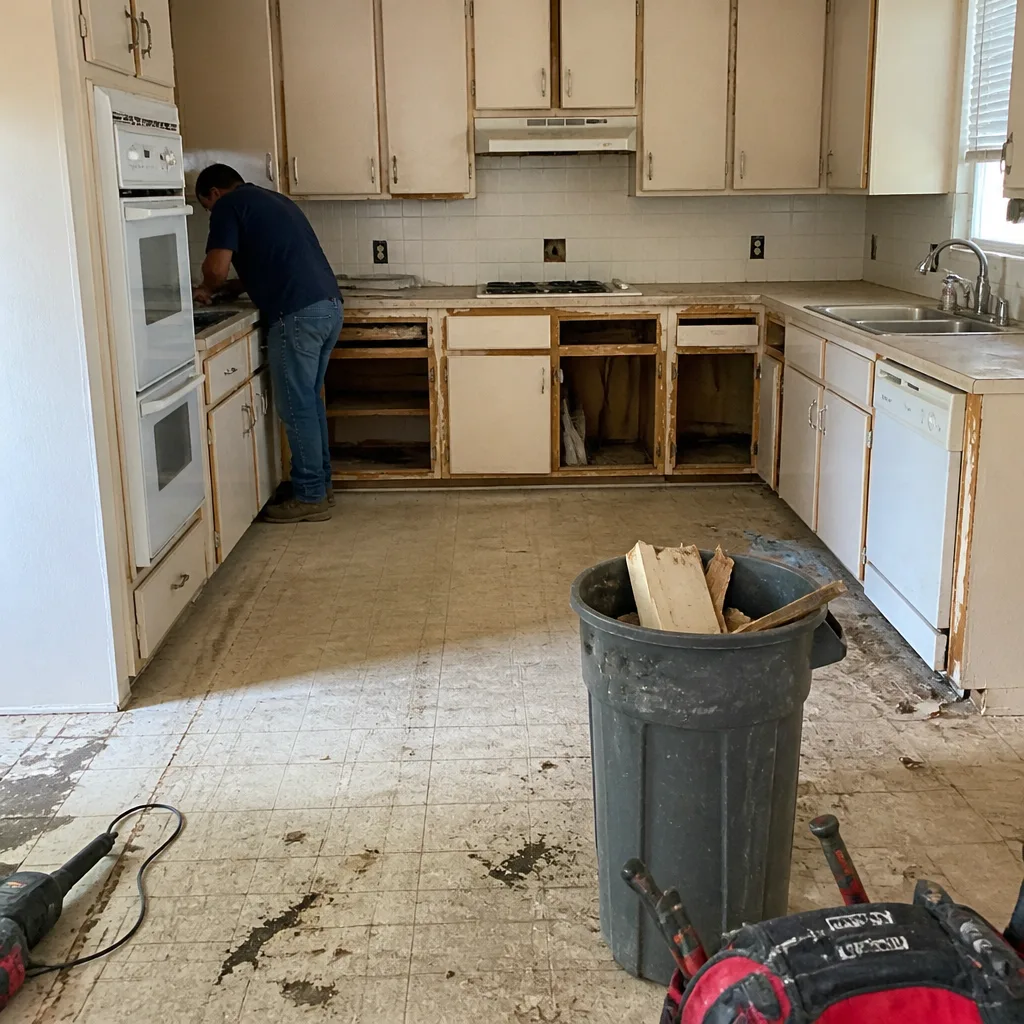 Before
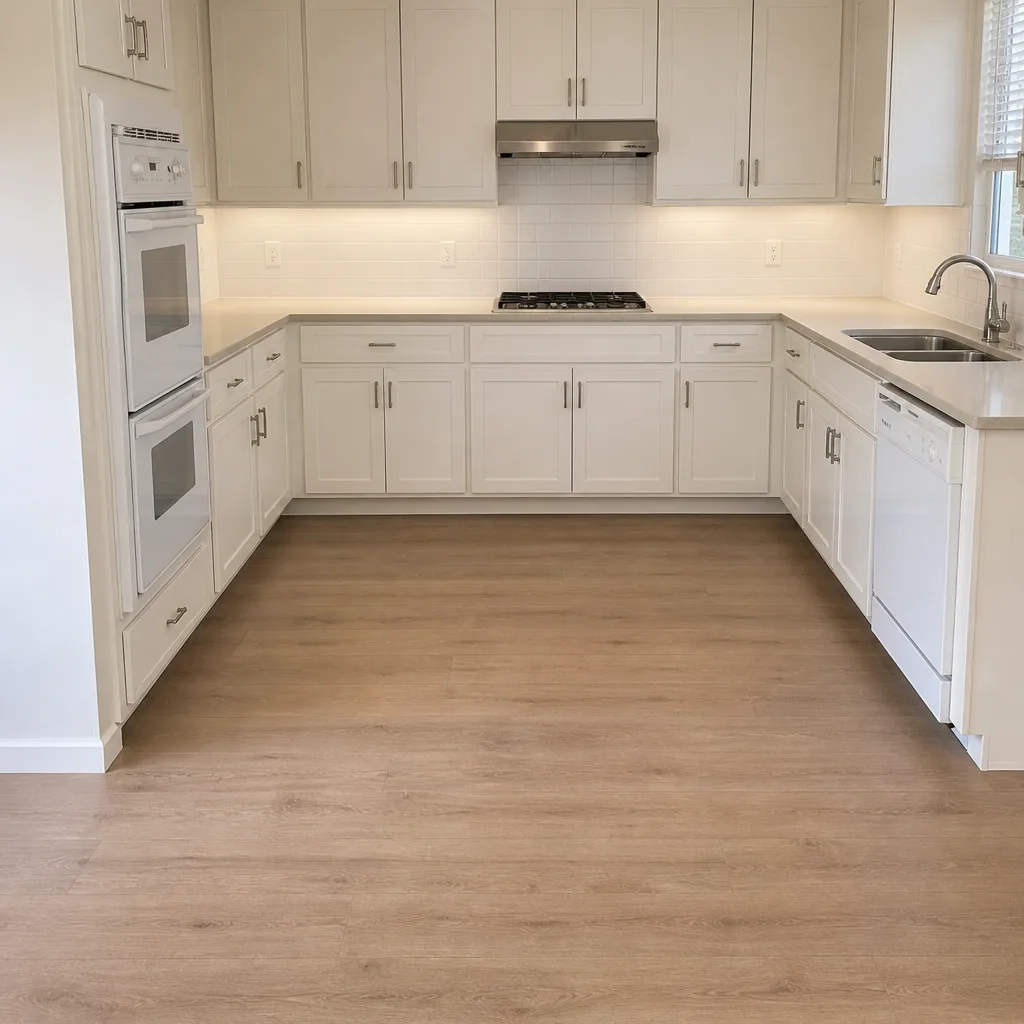 After
 Before
 After
When to Call a Professional
Some seasonal tasks are true homeowner jobs: clearing gutters, checking caulk, taking photos. Others aren’t. Call a professional when you see stair-step cracks in brick wider than a quarter inch, doors or windows that stick in one season and swing free the next, water ponding within three feet of the foundation after a storm, missing or deteriorated flashing, or paver joints that keep opening despite refilling. Those are signs of a drainage or structural issue that a routine checklist won’t fix. Anything involving roof work, foundation work, or replacing a large run of windows or doors is also a call-a-pro situation, both because of the height and because those materials carry warranties that depend on correct installation.
If you’re adding onto the house, the seasonal timing matters even more, since foundation work on clay needs to be planned around weather rather than forced through it. A Home Additions & ADU in Carrollton project benefits from starting when soil conditions are predictable, and a contractor who builds here will tell you that up front rather than after.
Groundwork Construction Co. of Carrollton offers free estimates in Carrollton. Call (844) 560-0925 and a live person will pick up, day or night.
Frequently Asked Questions
Twice a year is the practical answer: once in early fall before the freeze window, and once in late summer after the drought has peaked. Two inspections a season apart let you compare measurements and tell the difference between normal clay movement and a structural problem. If you see a crack growing between inspections, call a professional before the next rain season.
Cover the freeze-specific items: drain and winterize exterior hose bibs and irrigation, verify the grade slopes away from the foundation, clear gutters, and trim any tree limbs hanging over the roof. These four tasks prevent the vast majority of freeze-related damage in Carrollton. If you’re unsure about your grading, a free estimate from a professional will answer the question faster than guesswork. Call (844) 560-0925.
Because of the heat cycle, not because the caulk was bad. Exterior sealant in Carrollton expands through 100°F afternoons and contracts at night, and that cycle wears out even good caulk after a season or two. The fix is to use a high-movement exterior-grade sealant and re-check the sun-facing joints every spring. Warmer exposures (south and west) need attention first.
Yes, in many cases. Manufacturer warranties on roofing, windows, siding, and pavers typically require basic maintenance, and a contractor’s workmanship warranty doesn’t cover damage caused by neglect. Keeping gutters clear, caulk intact, and paver joints filled keeps your coverage in force. If you’re unsure what your warranty requires, ask; a reputable contractor will tell you plainly.
Measure and track them. A hairline crack that stays the same width from fall to spring is usually cosmetic. Stair-step cracks in brick wider than a quarter inch, doors that bind differently by season, or gaps at window corners are worth a professional look. Document with photos and dates, and call for an estimate if anything is growing.
Not bad, but it needs planning. Roofing and exterior work is best scheduled for early morning in summer, since surface temperatures on shingles and pavers get extreme. Interior projects and additions are fine year-round as long as the foundation work is timed around soil conditions. The heat mostly affects sealants and foot traffic, not the overall schedule.
The Bottom Line
Carrollton’s construction challenges are seasonal, but they’re predictable. Manage water away from your foundation in fall, inspect drainage before the spring storms, protect sealants and polymeric sand through the summer heat, and document soil movement after the dry season. Do those four things consistently and you’ll spend far less on repairs and far more time enjoying your home. The 730-Day Done Right Promise on every Groundwork project is built on the same idea: do the work right, maintain it, and it lasts. Call (844) 560-0925 for a free estimate and a calendar built for Carrollton.
Written by the team at Groundwork Construction Co. of Carrollton.