Last updated November 18, 2026

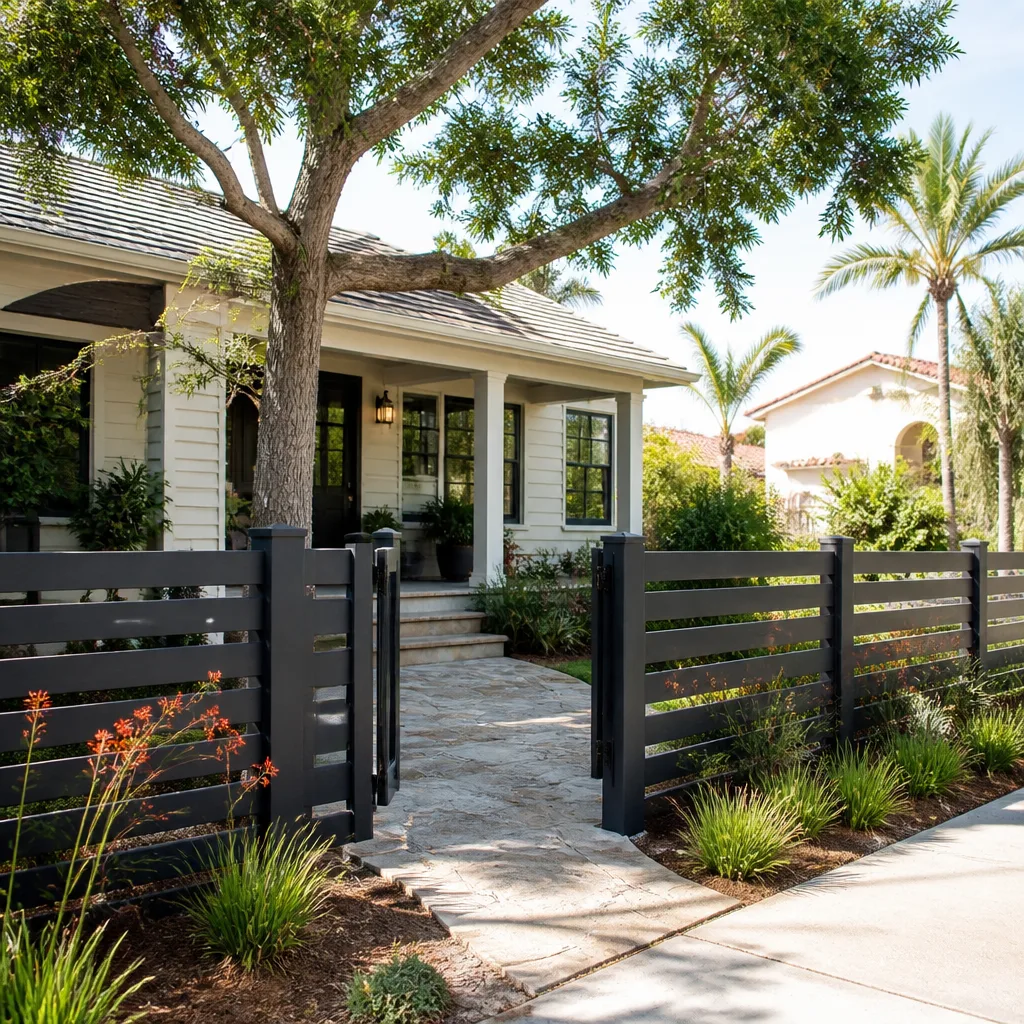
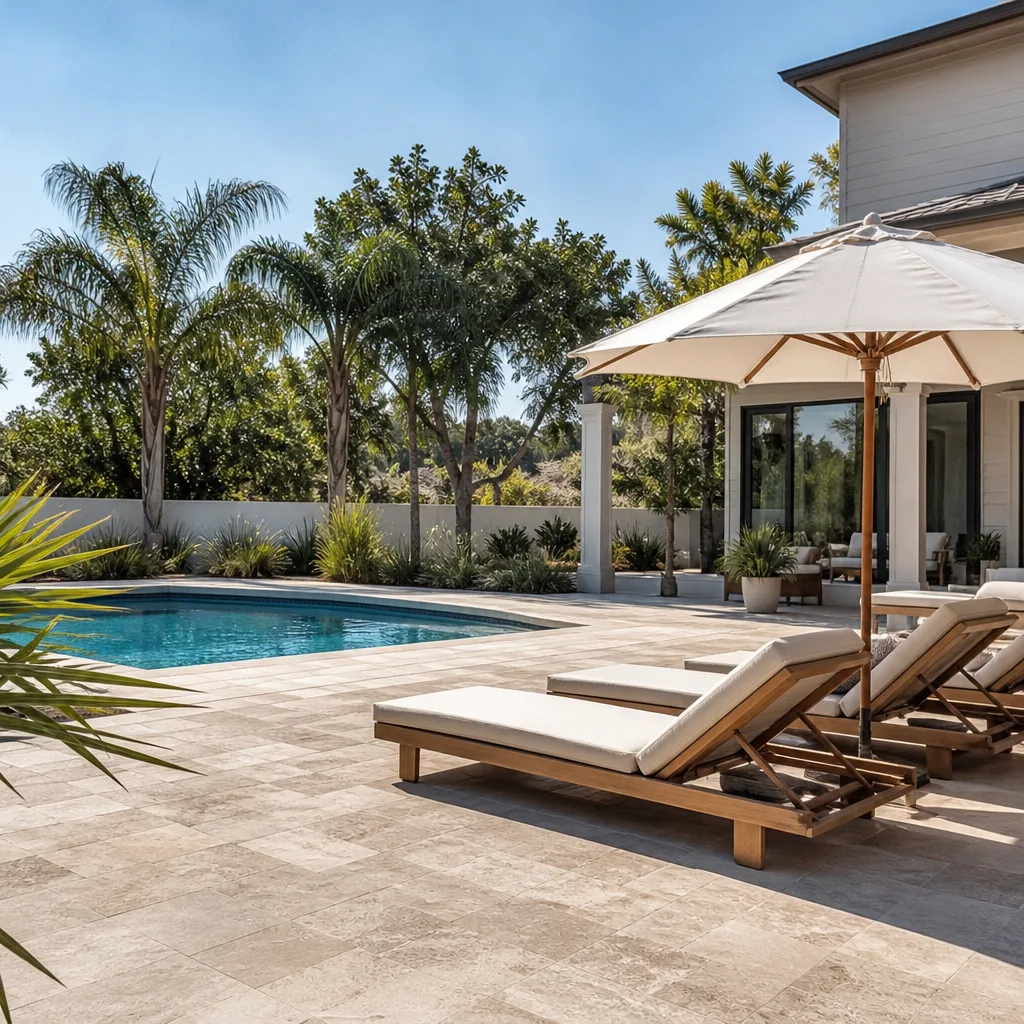
Free written scope consultation - allowances, timeline, and change-order rules on paper before a single trade is scheduled
How to Hire a Construction Contractor in Carrollton: A Step-by-Step Guide
A contractor can carry a perfect Google rating, a clean registration with the Texas Residential Construction Commission, and a truck full of DeWalt tools, and still not know that Carrollton requires a separate site plan review for any project that changes surface drainage. Miss that step and your permit sits in a queue for weeks while your crew stands around. That’s the gap no review site catches: the difference between a capable talker and a builder who actually knows this city’s rules, its soil, and its inspection schedule. This guide gives you the interview questions, verification steps, and contract language that separate the two. You’ll learn how to vet a Carrollton contractor like someone who’s done it before.
Quick Answer
To hire a construction contractor in Carrollton, verify their registration, confirm they’ll pull permits in their own name, get a written line-item bid with no open-ended allowances, and put the schedule, payment terms, and warranty in writing before you sign. The three screens that matter most: proof of general liability and workers’ comp coverage, a contract with a defined completion date and retainage, and a contractor who can explain Carrollton’s drainage and engineering review requirements without checking with someone else. Everything else you’ll read below is detail stacked on those three.
Styles & brands we work with
- Kitchen remodeling
- Bathroom remodeling
- Home additions & ADU
- Roofing
- Windows & doors
- Driveway & pavers
- Fence
Table of Contents
- Step 1: Verify the Contractor’s License and Registration
- What an Unlicensed Subcontractor Actually Exposes You To
- The Five Contract Clauses Carrollton Homeowners Almost Never Get
- How to Read a Bid Apples-to-Apples
- Red Flags in DFW’s Storm-Chaser Market
- Why the Lowest Bid in Carrollton Is Almost Never a Deal
- The Interview Questions That Reveal Capability
- Common Mistakes to Avoid
Step 1: Verify the Contractor’s License and Registration
Texas does not license general contractors statewide the way some states do. That’s the first thing to understand, and it’s also where a lot of homeowners get fooled. A contractor who says “I’m licensed” in Carrollton is usually referring to a trade license (electrical, plumbing, HVAC) or to a registration, not a general contractor’s license, because Texas doesn’t issue one for residential general contracting. What you actually need to check is more specific than a single piece of paper.
Verification breaks into four checks:
- Assumed name certificate (DBA). Search the Texas Secretary of State and Dallas County records for the business name. If the company name on the bid doesn’t match a filed certificate, you’re dealing with a personal name or an unregistered entity. Ask why.
- TRCC registration and warranty compliance. If the project involves residential construction, the Texas Residential Construction Commission tracks builder registrations and warranty obligations. Ask the contractor for their registration status and confirm it covers the type of work you’re hiring for. A roofer with roof registration and a remodeler with remodel registration are not interchangeable.
- Liability and workers’ comp. Request certificates of insurance for both, made out with you as certificate holder. Liability alone isn’t enough. If the crew doesn’t carry workers’ comp, an injury on your property becomes your problem.
- City of Carrollton contractor registration. The city maintains a list of registered contractors who can pull permits. Confirm the contractor is on it and that permits will be pulled in their name, not yours.
Each check takes minutes online. Doing all four before you talk scope will save you more money than any negotiation. In Carrollton, we’ve watched homeowners skip this step on a $6,000 fence replacement and regret it when a permit came back missing two weeks later. The verification isn’t the paperwork – it’s the signal that the contractor actually runs a business.
What an Unlicensed Subcontractor Actually Exposes You To
Here’s the part almost no guide tells you: the subcontractors your general contractor brings onto your property are legally your responsibility for certain injury and liability exposure, even when you didn’t hire them directly. That’s why the paperwork matters more than the handshake.
A general contractor who brings in unlicensed or uninsured help creates three specific risks for you:
- Injury liability. If an uninsured worker falls off your roof, your homeowner’s policy becomes the deep pocket. In Texas, the exposure can run into six figures and it’s not covered by a waiver you signed with the GC.
- Lien exposure. Unpaid subs and suppliers can file mechanics’ liens against your property in Dallas County if they weren’t paid by the GC. You can end up paying twice for the same work. The fix is a conditional lien waiver from every sub at every draw.
- Code liability. If the city inspector flags unpermitted electrical or structural work done by a sub, the correction lands on you as the property owner, regardless of who hired the sub. In Carrollton, a failed final inspection can stall occupancy or resale.
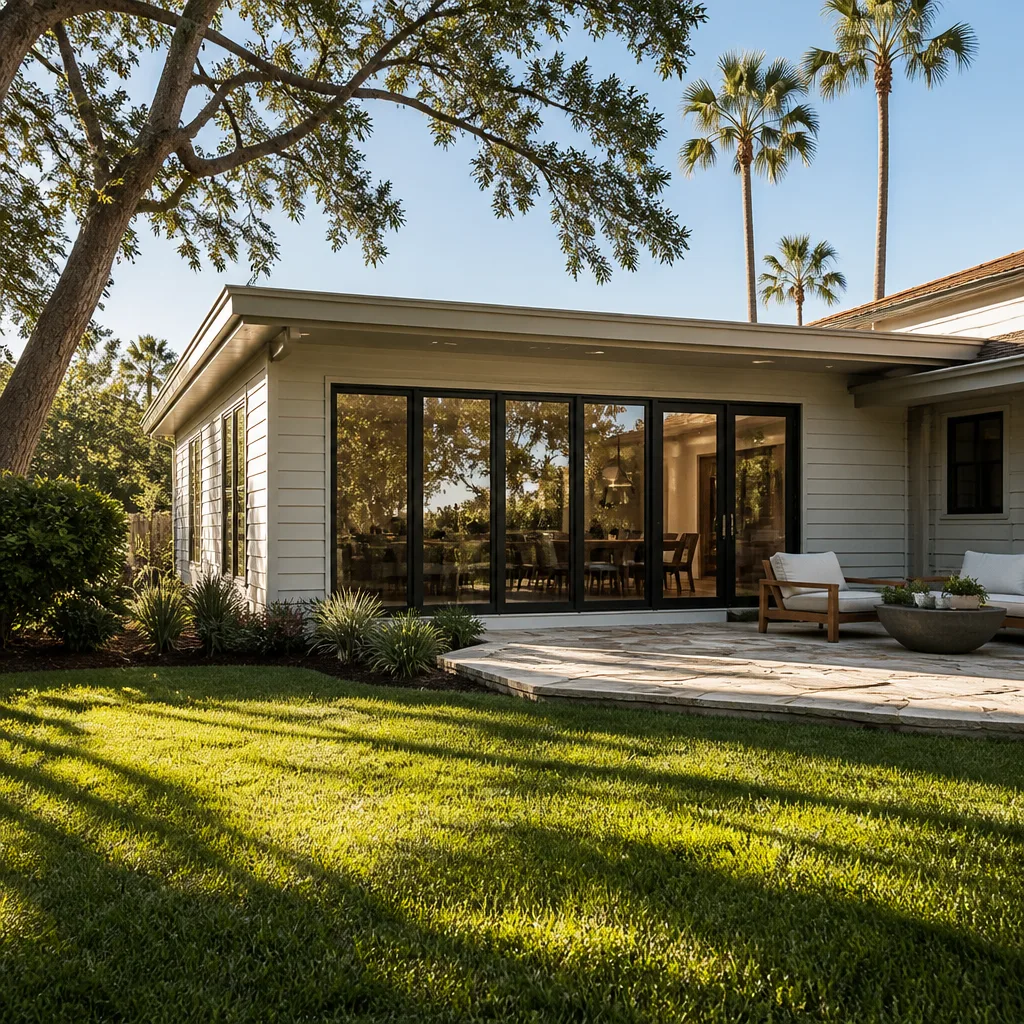
Ask your contractor for a written subcontractor list before work starts, with proof of license and insurance for each trade. If they can’t produce it, that’s a signal they don’t know who’s on your job either. This applies across every category of work in Carrollton, from a fence installation in Carrollton where a single crew does the labor, to a home addition or ADU in Carrollton where five trades cycle through your property in one week.
The Five Contract Clauses Carrollton Homeowners Almost Never Get
Most residential construction contracts are written for the contractor’s protection, not yours. That doesn’t mean the contractor is dishonest. It means you have to add the protections that matter. Here are the five clauses worth asking for, in writing, before you sign anything.
- Defined completion date with a liquidated-damages clause. Not a “target” or “estimated” date. A hard date, plus a specified credit against final payment for each day past it, unless the delay is weather or a city inspection backlog you can document.
- Retainage. Hold back 10% of the contract value until final inspection passes and punch list is signed off. This is standard in commercial work and rarely offered residentially. Ask for it.
- Change-order procedure in writing. No verbal changes. Every change order must be signed, priced, and dated before work continues. The clause kills the “we found something and just did it” surprise.
- Material substitution clause. The contract should list the specific brand and model for major materials, with a stated credit if the contractor substitutes. This is the exact clause that prevents a KraftMaid cabinet from becoming unknown-box plywood halfway through the job.
- Warranty with claim procedure. A written workmanship warranty that names who to call, in what timeframe, and what the remedy is. A warranty certificate without a claim procedure isn’t a warranty, it’s a brochure.
In our own contracts, we put the framework of the 730-Day Done Right Promise in front of the homeowner on day one. It’s one of the longest workmanship guarantees in the residential construction space, and it exists because we saw too many Carrollton homeowners stuck with fine print. A contractor who won’t put a real warranty clause in writing is telling you something about how they handle problems later.
How to Read a Bid Apples-to-Apples
When you get three bids, they will not be comparable. One puts a single number for “kitchen,” one line-items the cabinets but obscures the labor, and one buries allowances so deep you can’t tell if the tile is $4 a square foot or $14. Getting apples-to-apples requires asking the same six questions on every bid, in writing.
Here’s the structure to normalize bids:
- What’s the allowance, and what happens if we exceed it? Any line item with an “allowance” is a placeholder. Ask for the fixed dollar amount, and ask how overages are priced. A $3,000 cabinet allowance against $8,000 of actual selections is a hidden $5,000 in the bid.
- What’s excluded? Permits, engineering, demolition, dumpster rental, finish paint, hardware. Exclusions are the contractor’s escape hatch. Get them listed explicitly.
- What’s the labor rate for added work? Not the total, the hourly rate. A contractor who quotes $95/hour for changes and one who quotes $175 are different businesses.
- Who pulls permits, who attends inspections, who pays re-inspection fees? All three should be the contractor.
- What’s the payment schedule? It should follow progress, not a down payment plus two installments. A $20,000 deposit before demo is a red flag.
- What’s the warranty duration and what’s excluded? Get the exact language in writing. A brand-name warranty and a workmanship warranty are different warranties.
When we quote a kitchen remodel in Carrollton, we use a line-item structure with fixed install prices and clearly labeled allowances, because we’ve seen what happens when a homeowner has to guess at apples-to-apples at month four. Ask your builder to walk you through the second page of their bid line by line. If they can’t, the bid isn’t finished.
Red Flags in DFW’s Storm-Chaser Market
North Texas gets hit. Hail and wind storms move through Carrollton and neighboring suburbs every spring, and after each one, out-of-state crews roll in with freshly printed door hangers and zero local history. Some are legitimate. Many aren’t. Here are the signs that separate the two.
- They knocked on your door before you called them. A legit contractor doesn’t need to door-knock after a hail event. They’re booked on referrals and repeat customers. Not impossible, but a strong signal.
- No permanent local address. A P.O. box, a hotel, or a phone number with a non-DFW area code. Ask for a physical office address and verify it. A contractor with no record of operating in Carrollton or Dallas County before this storm can’t be around for a warranty claim in 2027.
- “We’ll handle your insurance claim for you.” Contractors should not be negotiating your insurance claim or signing documents on your behalf. A public insurance adjuster is a licensed role; a contractor is not. Walk away if they offer to handle it end-to-end.
- Full payment upfront. Never. In Texas, a signed contract is enforceable, but a cash-paid contractor who disappears in early winter isn’t findable. Ten percent down at contract and draws at milestones is standard.
- “We don’t need a permit for this.” Any structural work, roofing beyond simple repair, electrical, plumbing, or window replacement requires permits in Carrollton. Storm damage doesn’t exempt you.
Storm-chasers also create aftermarket problems for the next contractor. Half-finished insurance jobs, unpermitted roof decking, and materials ordered from out-of-state suppliers who won’t warranty labor leave the homeowner in a mess that a reputable builder inherits. If a Carrollton crew has been sitting on your project for six months, ask for a written explanation before you sign anyone else.
Why the Lowest Bid in Carrollton Is Almost Never a Deal
Carrollton’s labor market is tight. Skilled trades in DFW are at a premium, and a licensed carpenter, electrician, or plumber commands a real day rate that doesn’t shrink because someone bid low. So when a bid comes in 25-30% under the others, the math has to come from somewhere. It almost always comes from three places.
- Material substitution. The contract says “hardwood cabinets,” the truck delivers particleboard with a veneer. The $1,200-per-wall difference between KraftMaid and an unknown brand means the low bidder covers their labor by shrinking the materials. Unless your contract names the brand and the credit for substitution, you eat the difference.
- Scope cutting. The low bidder leaves framing, sheathing, or flashing out of the roof bid so the number looks $2,000 lighter. Those items appear as change orders mid-job. You pay more than the high bid in total.
- Cut-rate labor. Unlicensed subs, no workers’ comp, day labor. The savings translate directly into your liability if something gets hurt on your property.
Given Carrollton’s current market, a legitimate bid is normally within 10% of the average of three from registered contractors. Anything below that deserves a written explanation, not a celebration. Ask the low bidder: “What’s the labor rate for changes, and what brand are these cabinets?” If the answer is vague, the bid is actually a teaser.
We don’t win every job in Carrollton, and we don’t try to. What we do is quote the actual work with the actual materials at a fixed price, so you can compare our bid against anyone’s on the same line items. That’s what “upfront pricing, no surprises” means in this market.
The Interview Questions That Reveal Capability
You can walk away from a 30-minute contractor interview with a strong sense of whether you’re talking to a builder or a salesperson. The questions below aren’t intended to trip anyone up. They’re designed to make it obvious when someone doesn’t know their own business.
Questions to ask on the first call
- “Who’s answering the phone?” If the answer isn’t a live person during business hours, and a live person after hours, ask how emergencies are handled. We answer the phone with a live person 24/7, because a contractor who only exists between 9 and 5 is a contractor you can’t reach when a pipe bursts.
- “How long have your technicians been doing this work?” The best answer is a specific range, not “years.” Our technicians have up to 12 years of experience, and we’re fine saying the number.
- “Are your technicians background-checked and uniformed?” This isn’t a minor detail. Anyone with a key to your home should be on payroll, background-checked, and identifiable on arrival. We treat that as a baseline.
- “Can you give me two references from Carrollton in the last 12 months?” Not the last five years. Recent, verifiable, local.
Questions to ask when you meet on-site
- “Show me your insurance certificates.” Not “I’ll send them.” Today, now, certificate in hand, made out with you as certificate holder.
- “How many active jobs do you have in Carrollton right now?” If the answer is ’20,’ ask what the crew count is. Every additional job dilutes the attention on yours.
- “What’s the site plan review situation for this project?” A contractor who doesn’t flinch is either confident or unqualified. A contractor who immediately asks about drainage, grading, and surface water is a builder.
- “What’s your completion-date credit?” If they can’t answer, ask them to write one into the contract.
Notice that none of these questions are about price. Price is what you learn after the interview. Capability is what you learn during it. The builder who can answer these in plain language is a different animal than the smooth one who keeps steering back to a discount.
What Carrollton Permits and Site Plan Review Actually Require
Carrollton’s permitting workflow is one of the most specific in DFW, and it’s also where a lot of out-of-market contractors get caught. The city requires building permits for most structural changes, but the part that catches homeowners off guard is the stormwater and drainage review for any project that changes surface drainage on the lot.
Here’s what that means in practice:
- Additions and ADUs. A room addition, detached garage, or accessory dwelling unit changes how water flows across the lot. That triggers a site plan review with drainage calculations, not just a building permit. A builder who doesn’t know this will submit an incomplete application and wait 30-45 days for a return letter.
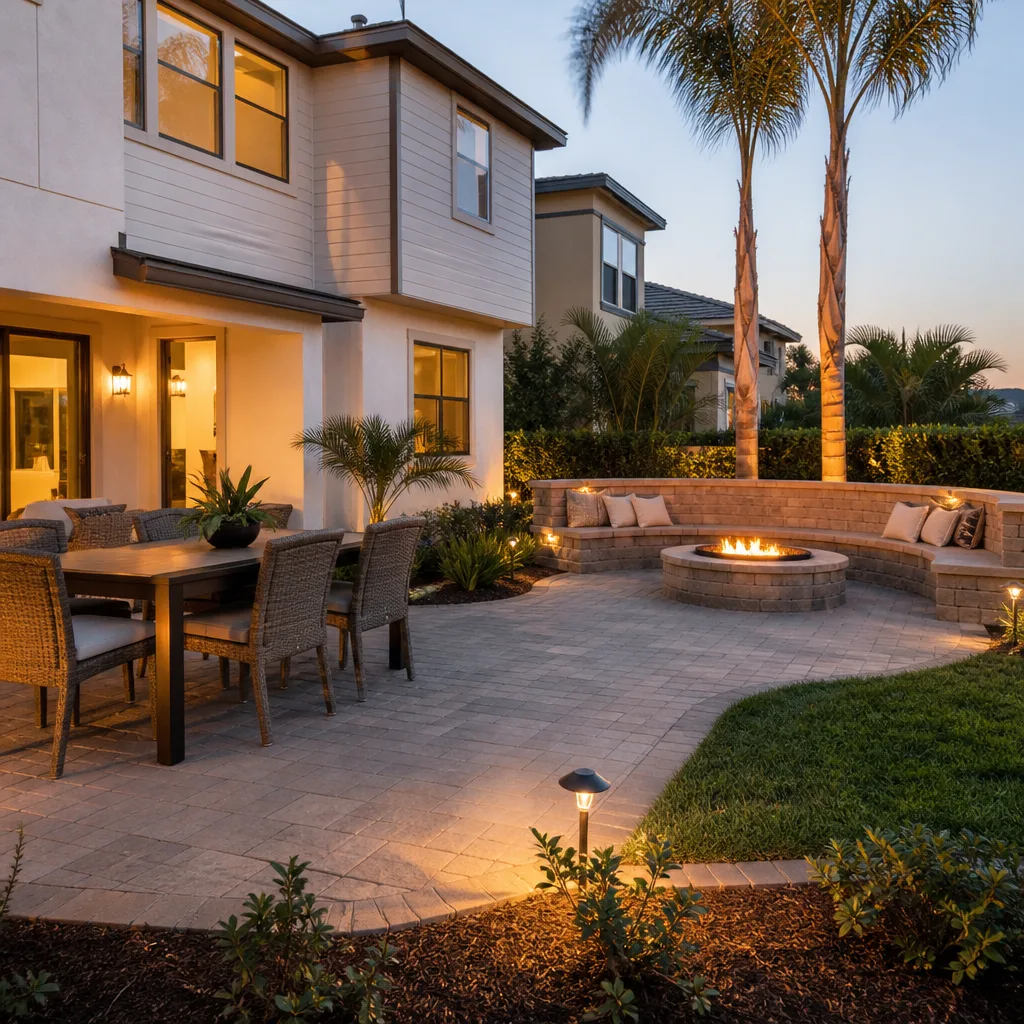
- Driveway and paving work. Expanding a driveway, adding a paver apron, or changing the grading near the home can trigger review if it alters stormwater flow. This is where driveway & pavers in Carrollton work needs a builder who understands the city’s drainage standards, not just the manufacturer’s spec sheet.
- Fencing and site work. Fences over a certain height, retaining walls, and pools all have their own permit tracks. Ask which track your project falls under before anyone orders material.
- Inspections. Carrollton runs separate inspections for foundation, framing, rough-in, and final. A contractor who schedules inspections correctly doesn’t stall your job. One who groups them into a single “final pass” is gambling on your project.
The reason this matters to you: if your contractor’s application gets kicked back, you’re waiting. Every week of stall adds carrying costs, and if a finish has already been ordered, storage fees. Ask a prospective builder point-blank: “Have you done a project in Carrollton with a site plan review in the last year? Walk me through what was required.” A qualified builder will have an answer. An unqualified one will change the subject.
Materials, Warranties, and What Real Quality Looks Like
Two theories of construction cost exist, and they produce wildly different end products. One contractor tries to keep the total number as low as possible by cutting materials. Another pushes the same total budget into better materials by trimming waste elsewhere. You want the second, and it’s not always obvious which one you’re getting.
Here’s how to tell:
- They name brands. A builder who says “we’ll use Belgard or Unilock pavers” has a portfolio of brand partners to fall back on. A builder who says “we use a good paver” is guessing. For outdoor hardscape in Carrollton, we specify Belgard, Unilock, Tremron, and ActiveYards, because those manufacturers stand behind both product and installation detail.
- They say who manufactures the warranty. Roofing work that uses GAF or CertainTeed materials carries manufacturer warranties that only hold up if the install follows the manufacturer’s spec. A builder who knows that gets you both warranties, the workmanship one and the material one.
- They match specification to climate. DFW heat and clay soil matter. Roofing underlayment, window glass ratings, and foundation drainage details should be specified for North Texas, not borrowed from a catalog for a national retailer.
- They quote the warranty in years, in writing. Our 730-Day Done Right Promise is in writing on every project. Not “lifetime,” not “as long as you own the home,” two years is a number you can hold someone to.
This is the difference between built to last and backed in writing, and it’s usually invisible in a bid comparison. Ask what brand will be installed on each line item, and ask what the manufacturer’s warranty length is compared to the installer’s warranty. If the two don’t line up, ask why.
Common Mistakes to Avoid
- Hiring off the door-knock. Storm-chasers show up in Carrollton’s neighborhoods after every hail event. Legit builders are booked on referrals. If you wouldn’t buy a car from a guy who knocked on your door, don’t sign a $40,000 roof from one either.
- Skipping the permit verification. A contractor who tells you “we don’t need a permit for that” in Carrollton is either wrong or lying. Both cost you later, at resale or at inspection.
- Paying too much upfront. A down payment over 10% before demo is a red flag. Payment should follow progress, not lead it.
- Accepting a bid without allowances fixed. “Allowance” is the word that hides $8,000 in your $40,000 kitchen bid. Get the fixed dollar amount, not the word.
- Not confirming who’s on the crew. A GC’s crew is legally your crew if they’re injured on your property. Ask for the sub list and the insurance certificates. Every time.
- Signing the default contract. The contractor’s paper protects the contractor. Ask for the five clauses described earlier. A builder who refuses any of them has told you something.
- Choosing on price alone. The lowest bid in Carrollton is almost never the cheapest job. It’s the bid that has the most room to grow while you’re already committed.
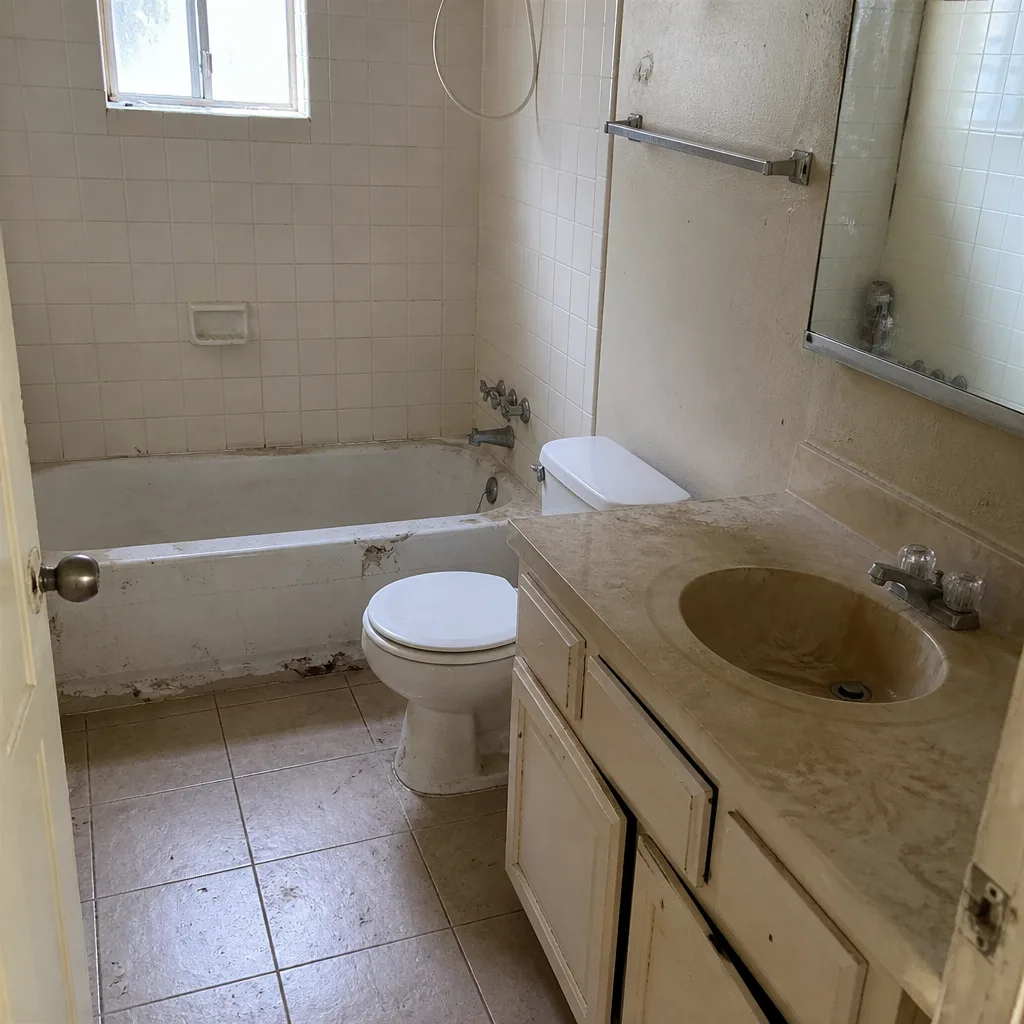
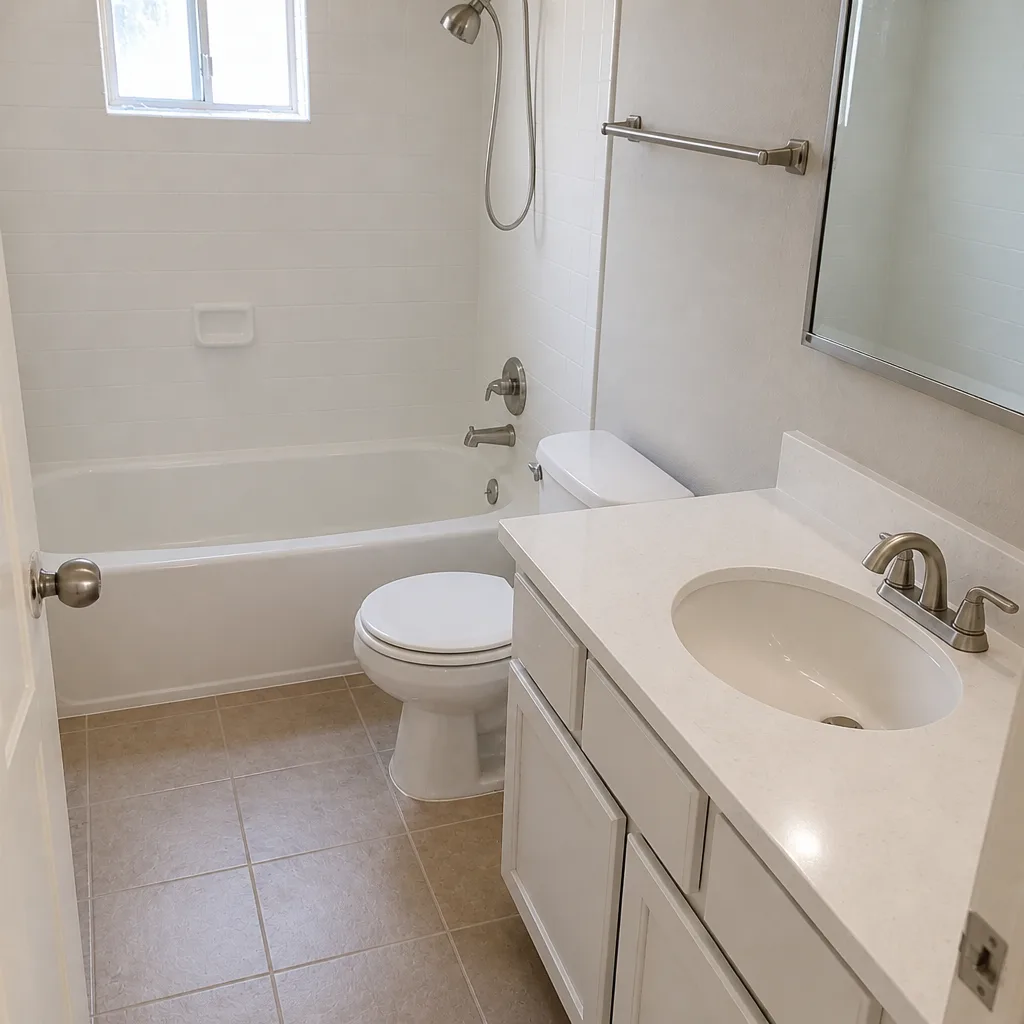
See the difference
 Before
 After
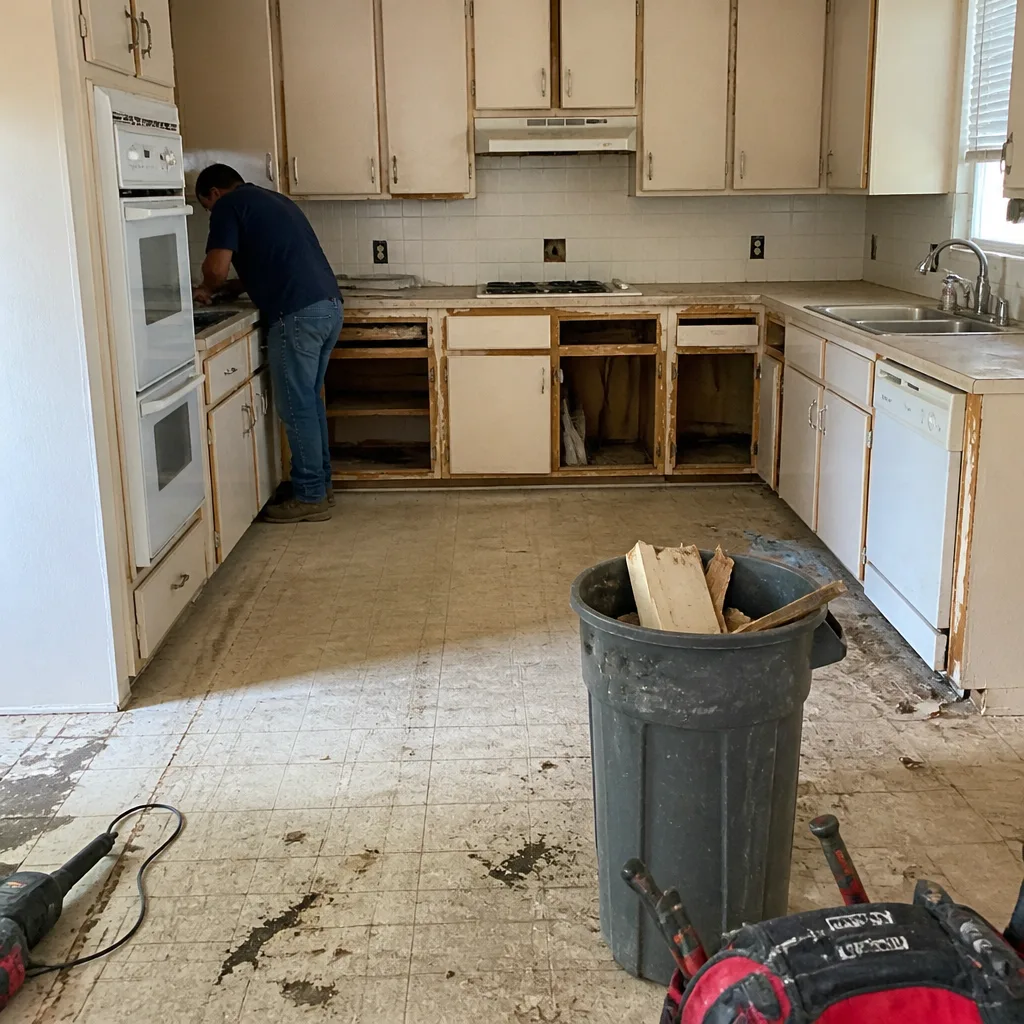 Before
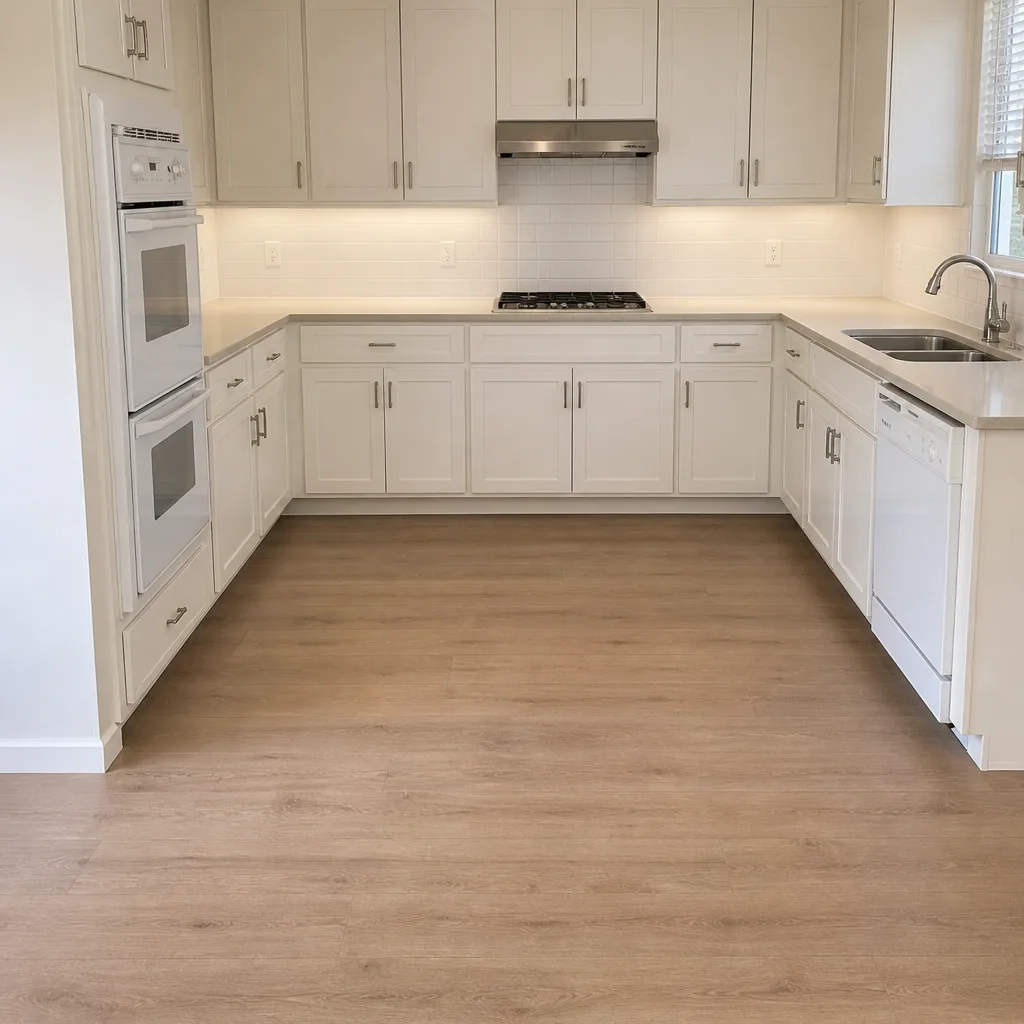 After
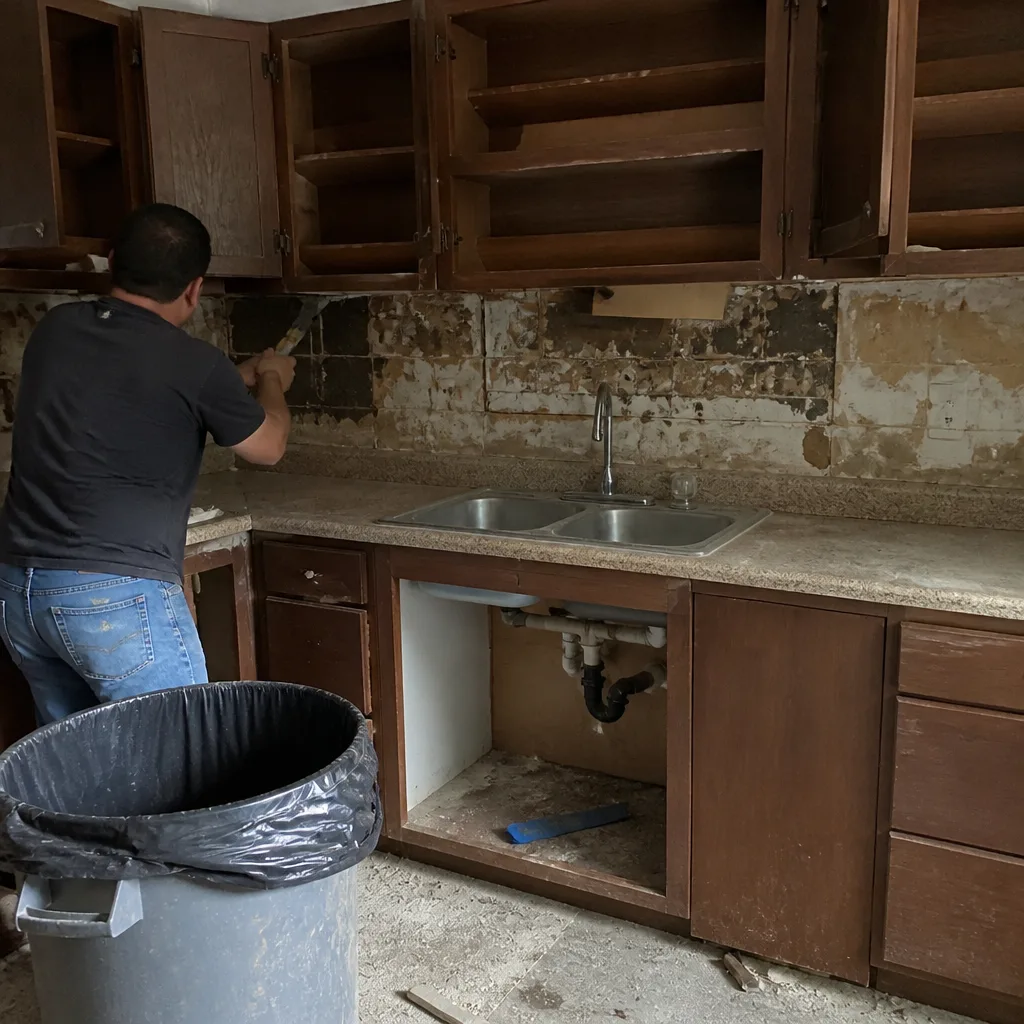 Before
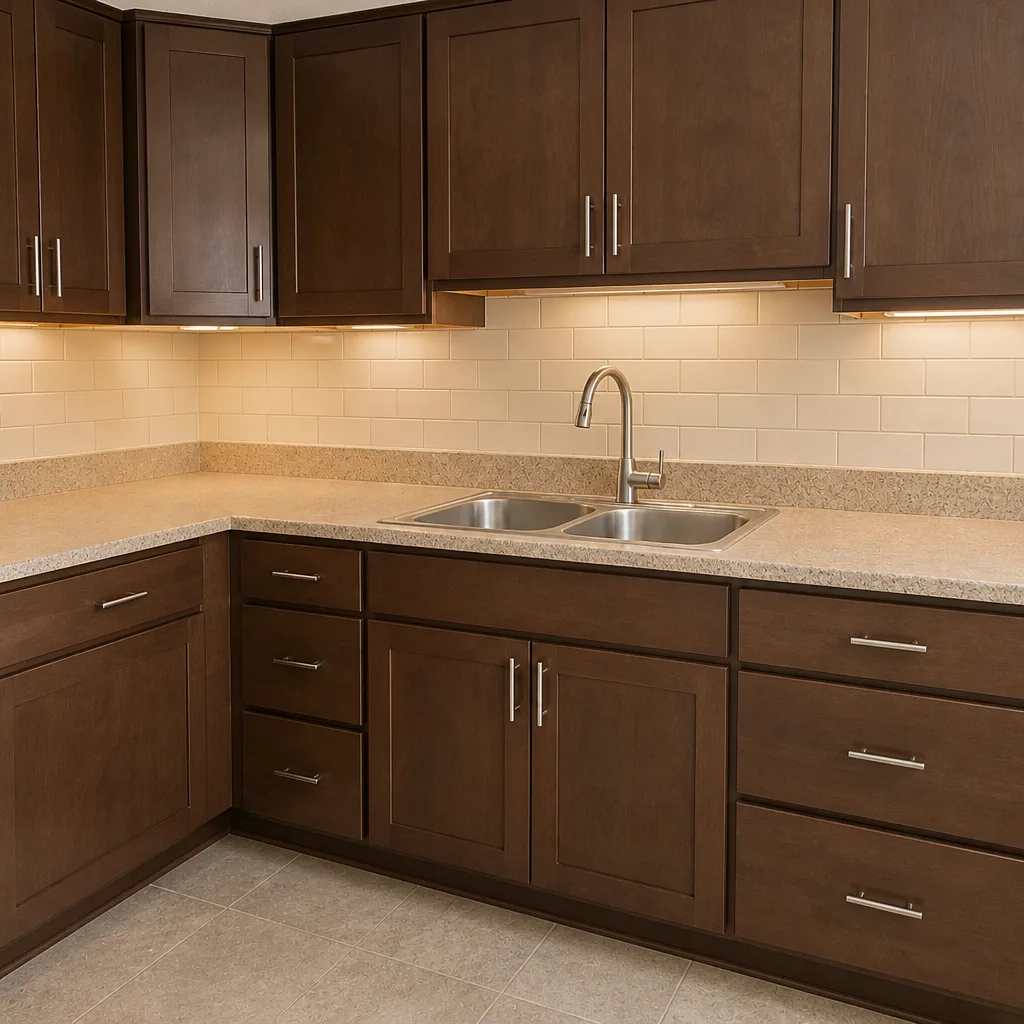 After
When to Call a Professional
Some jobs don’t require much thought about who does them. A light bulb, a screen, a mailbox. Then there’s the other end of the spectrum: kitchen remodels, roof replacements, structural work, anything involving permits, drainage changes, or the electrical panel. If the project touches your foundation, your roof line, your plumbing, or your site drainage, you’re past the DIY threshold and into the territory where hiring the wrong contractor compounds the problem.
We’ve also walked into plenty of Carrollton homes where the owner planned to “just do a quick fix” and ended up with a four-figure plumbing bill or a rotted subfloor under a bathroom tile job. If the project could affect your home’s sale value, insurance coverage, or warranty status, a professional estimate costs less than the average mistake. Groundwork Construction Co. of Carrollton offers free estimates in Carrollton and the surrounding suburbs. Call (844) 560-0925 to schedule yours, and we’ll walk the project with you, no obligation.
Frequently Asked Questions
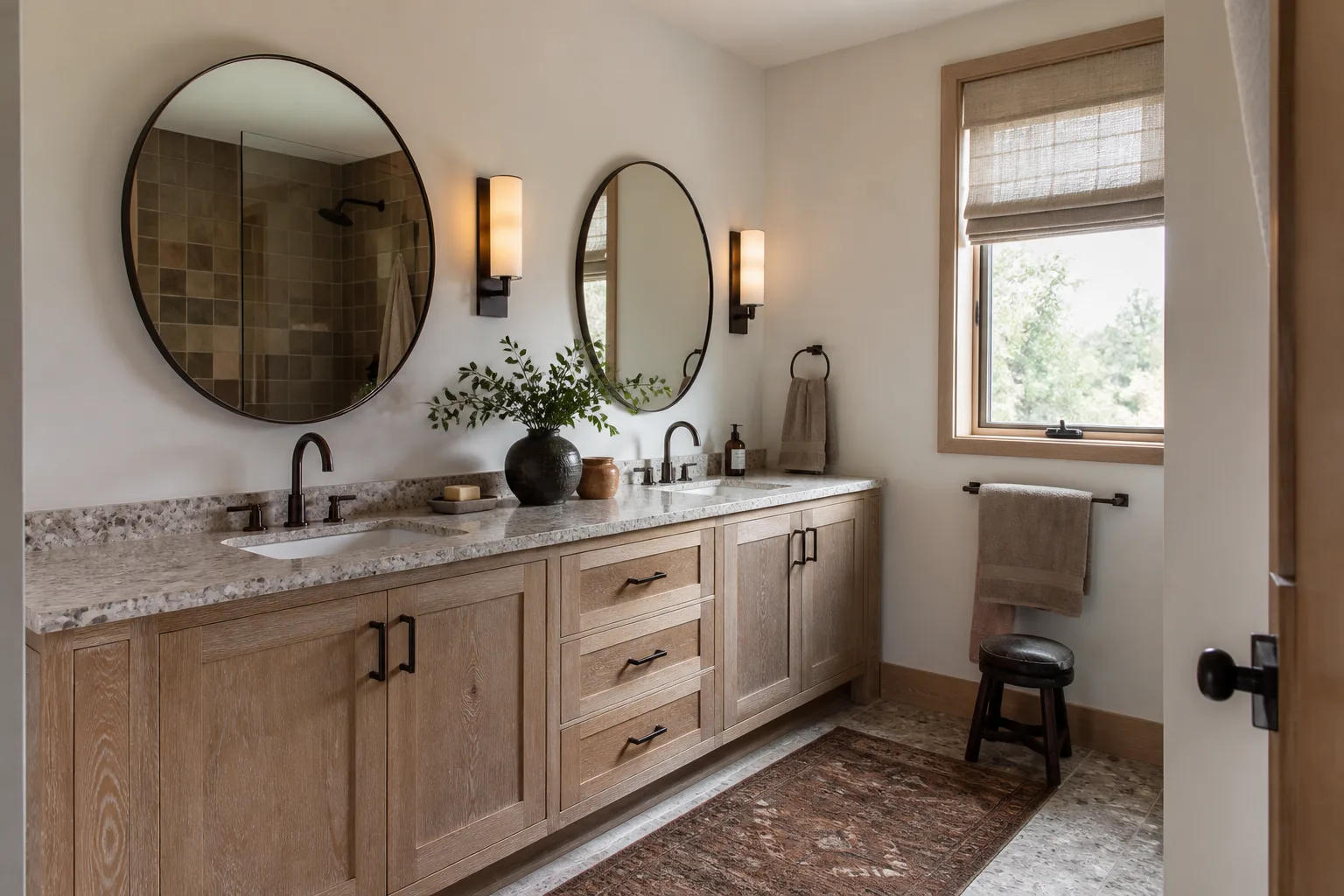
General contractors in Carrollton typically price work as a fixed project total or a markup of 15-25% on materials plus labor, depending on scope. For a mid-range kitchen remodel in Carrollton, most homeowners are looking at $28,000-$65,000 total, and a bathroom remodel commonly falls in the $12,000-$30,000 range, depending on finish level and layout changes. Roof replacement on a standard Carrollton home runs $9,500-$22,000 depending on pitch and material. Call (844) 560-0925 for an exact quote on your project; estimates are free and line-itemed.
Yes, for most structural, roofing, electrical, plumbing, mechanical, and site drainage changes. Carrollton requires building permits for additions, re-roofs, window replacement, and any project that alters surface drainage on the lot, which triggers a separate site plan review. Fencing over a certain height, retaining walls, and pools each have their own permit track. Ask your contractor which permits your project needs before ordering materials.
Texas doesn’t license general contractors statewide, so the verification is multi-part. Check the assumed name certificate with the Texas Secretary of State and Dallas County, confirm TRCC registration for residential work, request certificates of insurance for general liability and workers’ comp made out with you as certificate holder, and confirm the contractor is registered with the City of Carrollton to pull permits. A contractor who’s on all four lists is a registered, insured business.
DFW’s labor market has real day rates for skilled trades, so a bid 25-30% below the others has to make up the difference somewhere. That usually means material substitution, scope cutting, or unlicensed labor. In Carrollton specifically, the low bidder commonly leaves drainage review, sub trade insurance, or specified brands out of the number, then adds them as change orders. Ask a low bidder what their change-order labor rate is before you sign.
A typical single-story home addition in Carrollton takes 4-7 months from permit submission to final inspection, with the site plan review and drainage review adding 2-6 weeks upfront. An ADU commonly runs 6-10 months, depending on utility tie-ins and weather. The variable that most affects schedule is how quickly the contractor clears plan review, not framing speed, which is why it’s worth asking how many Carrollton projects they’ve taken through site plan review in the last year.
Start by documenting the failure with dated photos and a written description, then send a written warranty claim to the contractor at the address on the contract with a copy to whatever entity holds the warranty. If the contractor is registered and carries a written workmanship warranty, they’re obligated to respond. Our 730-Day Done Right Promise exists to eliminate the “who’s responsible” question on this exact scenario, and every project we do in Carrollton is covered by it in writing.
Groundwork Construction Co. connects homeowners with independent local professionals who perform the work. We run the project management, material specification, scheduling, and warranty, and the licensed tradespeople on your job are professionals who’ve been vetted, background-checked, and insured. You call us, we run the project, and you get a single point of contact for questions and warranty claims. Learn more about our full scope at the Groundwork Construction Co. of Carrollton home page.
The Bottom Line
Hiring a contractor in Carrollton isn’t about finding the best-rated one on Google or the cheapest bid in the pile. It’s about three things stacked in order. First, verify: registration, insurance, permit ability, city listing. Second, compare fairly: line-item bids, fixed allowances, defined exclusion lists, the same questions asked of every bidder. Third, protect the contract: completion date with a credit, retainage, written change-order procedure, material specification clause, and a workmanship warranty with a claim procedure. Get all three right and the project is almost boring, which is exactly what you want. Skip them and the problems compound. Get the free estimate and start with a builder who can answer the questions this guide gave you.
If you want to short-circuit the search with one call, Groundwork Construction Co. of Carrollton offers free, line-itemed estimates on kitchen remodels, bathroom remodels, roofing, windows and doors, fencing, driveways and pavers, and home additions and ADUs. Our technicians have up to 12 years of experience, all crews are background-checked and uniformed, and every project is backed by the 730-Day Done Right Promise. Call (844) 560-0925 today, a live person answers the phone 24/7, and we’ll set up a time to walk your project. From foundation to finish line, one call is the whole conversation.
Written by the team at Groundwork Construction Co. of Carrollton.