Last updated November 18, 2026




Free written scope consultation - allowances, timeline, and change-order rules on paper before a single trade is scheduled
Construction Warning Signs: A Carrollton Homeowner’s Reference Guide
A hairline crack in your brick mortar looks like nothing. In Carrollton’s clay soil environment, it’s sometimes the first readable sign that your foundation has already moved an inch and a half, and the window to intervene cheaply is closing. Most warning-sign guides tell you what failure looks like after the invoice arrives. This guide is different: it teaches you to read the early indicators that are specific to North Texas soil, the materials used on Carrollton homes, and the shortcuts that show up in this market. Catching a problem at stage one instead of stage four is the difference between a $400 repair and a $40,000 one.
Quick Answer
The most reliable construction warning signs for a Carrollton homeowner are stair-step cracks in brick wider than a quarter inch, soil that has pulled away from the foundation in a visible gap, downspouts dumping water within three feet of the slab, and flatwork that ponds water more than 48 hours after rain. These four signs point to soil movement and water management problems that are the leading cause of structural damage in North Texas. Any crack you can slide a nickel into, or any gap you can see daylight through, deserves a professional evaluation before the next wet season.
Styles & brands we work with
- Kitchen remodeling
- Bathroom remodeling
- Home additions & ADU
- Roofing
- Windows & doors
- Driveway & pavers
- Fence
Table of Contents
- How to Read Cracks in Brick, Stucco, and Fiber Cement
- Drainage Warning Signs That Precede Foundation Damage
- Warning Signs of Poor Original Construction at 5 – 10 Years
- How to Spot Problems During an Active Job
- Signs a Past Repair Made a Problem Worse
- Carrollton’s Seasonal Warning Calendar
- Your 15-Minute Annual Walkaround Checklist
How to Read Cracks in Brick, Stucco, and Fiber Cement
Not every crack is a structural emergency, but in Carrollton’s expansive clay soil, the pattern and shape of a crack tell you far more than the width alone. We’ve walked hundreds of Carrollton homes where the difference between a cosmetic issue and a foundation movement problem came down to reading the pattern correctly. Here’s how to tell them apart by material.
Brick veneer: Cosmetic cracks are typically random, isolated, and less than 1/16 inch wide, often following the mortar joint. Structural movement shows up as stair-step cracks that zigzag through the mortar joint following the brick course upward or diagonally. A stair-step crack that reaches a corner window, or that spans more than one story, is the classic signature of differential settlement. When a brick crack is wider at the top than the bottom, the foundation is moving unevenly and water is getting behind the veneer.
Stucco: Hairline map cracking (a spiderweb pattern across a wide area) is usually normal curing and thermal movement. A single, straight, vertical or diagonal crack wider than 1/8 inch, especially one that runs from a window corner outward toward the roofline or down toward the slab, is a structural indicator. Stucco also tells you when moisture is trapped behind it: look for soft, bubbling, or stained areas near the bottom of a wall that never quite dry after rain.
Fiber cement (James Hardie and similar): This product is dimensionally stable, so cracks here are more likely a fastening or substrate problem than a foundation problem. Look for cracks that follow the seams between panels, or panels that are visibly bowing away from the wall. Both suggest the sheathing behind the siding has swelled from water intrusion, which is a flashing or caulking failure you want to catch before rot sets in.
Across all three materials, use one rule of thumb: anything wider than a nickel (about 3/16 inch), anything that stair-steps, and anything that appeared suddenly after a drought-to-rain cycle needs a professional look.
Drainage Warning Signs That Precede Foundation Damage
Foundation damage in Carrollton almost always starts with water. The clay soil here expands when it’s wet and shrinks when it dries, and that cycle is what pushes and pulls a slab until it cracks. Before the crack ever shows up, the water is already doing its work, and it leaves visible clues you can spot on a dry day.
Walk your property four days after a heavy rain (or run a hose for 20 minutes to simulate one) and watch for these indicators:
- Ponding patterns: Water that stands more than 48 hours in the same low spot near the slab, in a swale, or against a retaining wall means the grade is working against you. Proper fall is away from the house at roughly six inches over the first ten feet.
- Soil pull-away gaps: A visible gap of a half inch or more between the soil surface and the foundation, running along part of a perimeter wall, means the soil has shrunk back. That same clay will swell again and push against the foundation when the rains return.
- Downspout erosion trails: Follow the water from each downspout outlet. If you see a bare, carved channel in the soil within three feet of the slab, or mulch and gravel pushed away to expose the grade beam, water has been dumping directly against the foundation for years.
- Efflorescence talk-to-slab: White, salty crusting along the bottom of the brick or masonry is the visible signature of moisture wicking up from saturated soil. It’s one of the most reliable early warnings, and one of the most commonly ignored.
- Spalling concrete on the driveway apron: Flaking and pitting where the drive meets the garage slab is often the local result of water running under the slab and freezing in the occasional North Texas ice event, or simply of a base that was never compacted properly.
Getting the drainage right, before the foundation has moved, is the cheapest work you’ll ever do on a Carrollton home. Adding gutter extensions, regrading a low spot, or correcting a bad downspout is a small line item compared to foundation repair. If your paver or concrete drives are part of the water problem, it’s worth reading about Driveway & Pavers in Carrollton for how proper base prep and slope prevent it from the start.
Warning Signs of Poor Original Construction at 5 – 10 Years
Many Carrollton homes built during the fast-growth boom of the 2000s and 2010s are now in the exact age window (five to ten years post-completion) where shortcuts hidden under the finished surface start to surface. In our experience, these are the three most common patterns, and all three are visible from the outside.
- Inadequate compaction behind walls and under slabs. The tell is settlement of the soil along the foundation edge, and sometimes depressions in the lawn where the backfill was never properly watered and rolled in lifts. It shows up as a gap under the fence line, or as sand and soil washing out from beneath the slab during heavy rain.
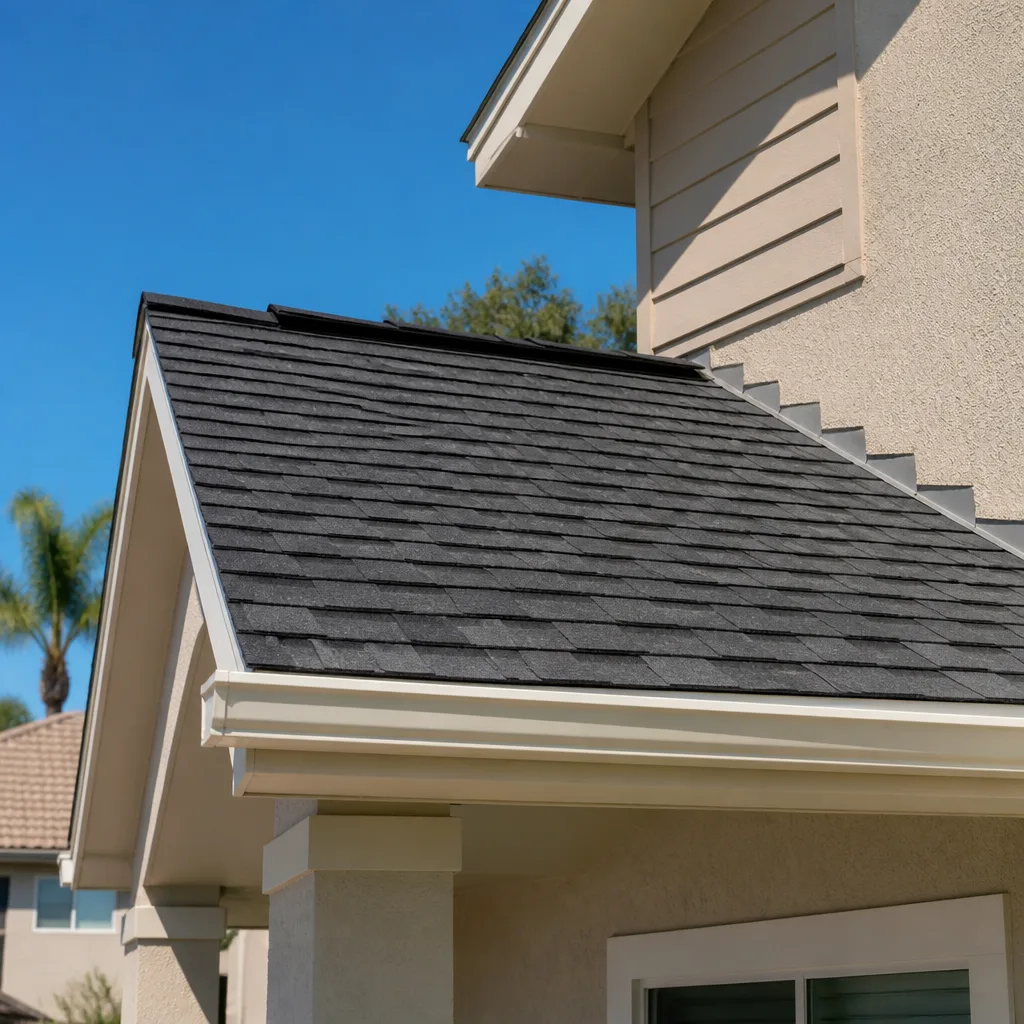
- Improper flashing. At roof-to-wall intersections, around chimneys, and above windows and doors, missing or badly lapped flashing lets water into the wall cavity. Look for stains or a dark shadow running down the wall below a roofline, or caulk that’s been smeared over a corner as a cosmetic fix. Same warning on the roof: we see it with GAF and Owens Corning installs where the step flashing was cut short, and it’s worth a roofer’s eye.
- Skipped weep holes in brick and mortar. Weep holes are the small gaps on the lowest course of a brick wall that let moisture drain out of the cavity. Stand at the bottom of a brick wall and look for a consistent pattern of evenly spaced openings. If you find none, or they’re plugged with mortar or touch the grade, water has nowhere to go but up your wall and behind the flashing.
A home this age is also a good time to have the roof and any outbuilding checked. If you’re planning a fence, the same we’re-describing-it-because-we’ve-seen-it logic applies: when we handle Fence Installation in Carrollton, we see how neglected grading and compaction cause posts to lean early. You can spot a lot of original-construction shortcuts in ten minutes, and the repair cost only climbs the longer they’re ignored.
How to Spot Problems During an Active Job
Once your project is underway, you have a narrow window to catch workmanship problems before they’re buried under concrete, tile, or siding. These are the in-progress warning signs every homeowner should be able to recognize, and none of them require you to be a builder. If you see any of the following, stop work and ask for a professional evaluation.
- Concrete mix ratios that look off. Fresh concrete that’s watery, or that’s being “sweetened” (topped off with extra water) at the site and poured without the proper water-cement ratio, will be weak and prone to cracking. A contractor shouldn’t be starting up the hose to make it easier to trowel.
- Curing shortcuts. Concrete needs to be kept moist and cool for several days to reach full strength. If the pour is sitting uncovered in the hot Carrollton sun the day after the pour, and there’s no curing compound or wet burlap going down, it’s a shortcut that shows up 2 – 3 years later as cracking.
- Improper slope on flatwork. Driveways, patios, and walks should be visibly graded away from the home at roughly a quarter-inch per foot. Before that concrete cures, look at the grade; if it’s flat or draining toward the house, it needs to be corrected while you still can.
- Base prep red flags. For pavers and drives, every inch of base matters. If the builder hasn’t compacted the base in layers and isn’t using the right aggregate, the surface will fail. Ask to see the base after compaction, and look for a good, firm, uniform surface, not loose sand.
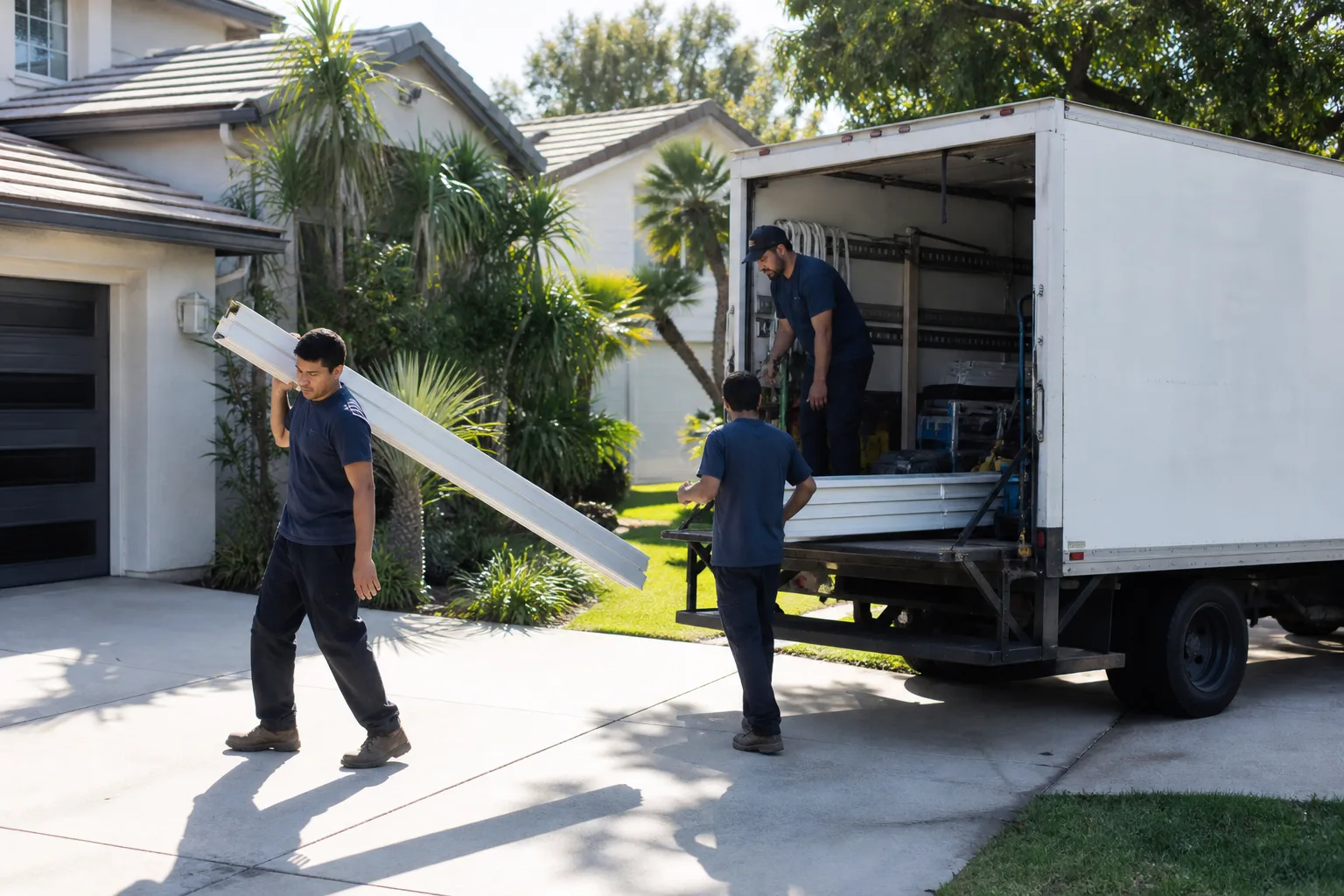
- Unprotected jobsite and unverified crews. A professional job should have a clean, organized site. We go further: Groundwork Construction Co. of Carrollton home uses background-checked, uniformed technicians on every project because who is in your home matters as much as how the work is done.
Ask for the plan before the pour. Document the base prep and the mix. Any legitimate contractor will share it. If they won’t, that’s the loudest warning sign of all.
Signs a Past Repair Made a Problem Worse
One of the most common things we see on Carrollton homes is a previous repair that hid the symptom instead of fixing the cause. These are the tells, and they’re worth checking whenever a contractor gives you a skeptical look at work you thought was already done. A patch over a structural issue can hold for a season and then surprise you.
Look for:
- Caulk and filler over cracks. New caulk, polyurethane, or mortar smeared over a stair-step crack in brick or stucco, with the crack visible underneath, is a cosmetic cover-up. The structure moved for a reason, and the patch doesn’t address it.
- New paint or stain on a small section of wall. A fresh, mismatched paint patch low on a wall, or on a single stucco section near the corner, often covers water damage or a cosmetically repaired crack. Feel for softness or a hollow sound with a tap.
- Fresh soil piled against a foundation. Sloppy regrading that raises dirt well above the original grade may be there to hide a settlement gap. That practice, called “swale building” or “ghosting” a foundation, can actually trap water against the house.
- Newer concrete over older concrete. A thin concrete cap or skim over a cracked slab at the garage or drive can look like a repair. Bring a straight edge: if the cap is delaminating or there’s a hollow sound when you tap, the base problem was never fixed.
- Screw or patch marks at foundation bolts. A foundation repair that bailed on a cheap, partial fix may leave evidence at the sill plate. Permanent repairs are engineered and signed off, and there’s a paper trail.
When a repair doesn’t come with a written warranty you can still read, assume it’s not guaranteed. That’s why we build everything on the 730-Day Done Right Promise: if it’s not done right, we make it right. A repair on a Carrollton home should come with the same kind of written, long-horizon coverage.
Carrollton’s Seasonal Warning Calendar
The timing of when problems appear on a Carrollton home follows the local weather closely. Because the soil here moves, the best time to look for warning signs is right after a big change in moisture. Here’s the pattern we see across Carrollton neighborhoods, from the older blocks near downtown to the newer subdivisions out by the tollway and farther north.
Late spring: After the heavy rain season, check drainage first. Ponding, pulled-away soil, and downspout erosion are at their worst right now. Exterior paint and caulk failures also show up as fresh staining.
Mid-summer: During the drought stretch, the clay shrinks. This is when new stair-step cracks first appear, when doors start to stick, and when you’ll notice a window that suddenly doesn’t close squarely. That’s foundation movement, not bad luck.
Fall transition: The first soaking rain after a dry summer is the most dangerous moment for a Carrollton slab. Watch for a fresh crack or the return of an old one within two weeks of the first big storm.
Winter and ice events: The occasional freeze catches a lot of North Texas homes off guard. Look for spalling on flatwork, popped mortar joints, and roof leaks that only appear on thaw days. Ice dams aren’t a common Texas issue, but a poorly flashed roof and a bad ice event are a bad combination.
If you’re considering an addition or a major remodel, checking the grading and drainage now is far cheaper than correcting it later. The Home Additions & ADU in Carrollton page covers how we assess a site before framing begins.
Your 15-Minute Annual Walkaround Checklist
You don’t need a license to do a basic walkaround. A homeowner with a notepad, a phone camera, and a level can catch most of the early warning signs. Do this once a year, ideally in the fall after the summer stress has shown itself and before the weather turns. Numbered for a reason: run it in order.
- Walk the perimeter, clockwise. Watch for cracks in the brick, stucco, and fiber cement, and note width and pattern. A quarter-inch nickel test is a good field gauge.
- Look for the foundation gap. Check for visible gaps between the soil and the slab, and see where water is standing after a rain. Look for any white crusting (efflorescence).
- Trace every downspout. Follow each one to its outlet. If water lands within three feet of the house, add an extension or a splash block. Rain chains and French drains can help where gutters can’t reach.
- Test the grade near the slab. With a level and a tape, see if the ground falls away from the house at about six inches over ten feet. If it drains toward the foundation, regrade it.
- Inspect the roof edge and flashings from the ground. Look for lifted granular shingles, stains on the fascia, or caulk smeared over a corner. That’s a roof professional’s area of judgment. Do not climb up there; a bad fall on a two-story Carrollton home is a bigger problem than a leaking flashing.
- Check windows and doors for sticking. If a door that closed last year needs a shoulder now, that’s foundation movement, not a hinge problem.
- Check the drive and walkways for slope and cracking. Ponding on the drive, or a slope that visibly runs toward the house, is a warning sign of a base failure.
- Photograph everything. Date your photos. A year-to-year record is the single best way to know whether a crack is old and stable or new and active.
- Check the fence line. A leaning fence post often telegraphs a compaction or drainage issue on the same side of the property. If the fence is on its last legs, the Fence Installation in Carrollton page explains what a properly set post looks like.
If you’re not comfortable making the call, get a free estimate. A trained eye can catch the things a checklist can’t.
Common Mistakes to Avoid
- Caulking over a structural crack. It looks fixed for one season; the movement continues under it. In Carrollton, a stair-step crack you’ve sealed may still mean the foundation has moved.
- Adding soil against the foundation to “hide” a settlement gap. This traps moisture right where the slab can’t handle it. The gap tells you the soil has shrunk; hiding it doesn’t fix the cycle of swelling and shrinking.
- Ignoring a downspout that dumps too close to the house. This is the cheapest fix in the guide and the most common root cause of foundation damage. A $30 extension is worth more than a $400 grade correction.
- Trusting a repair with no written warranty. A patch with a 30-day verbal promise is no promise. Ask for a written, long-horizon workmanship guarantee on any structural work.
- Hiring a crew that shows up in an unmarked van with no verification. A background-checked, uniformed technician is a sign the company has systems. An unmarked truck asking for cash is a warning sign. Ask for licensing and proof of insurance.
- Letting a contractor pour concrete or set base without seeing the prep. Once the concrete cures, you can’t check the base or the mix. Do a 30-minute walkthrough with the foreman before the pour.
- Skipping the annual walkaround. Problems are cheap to fix when they’re small. That’s the whole idea of this guide.
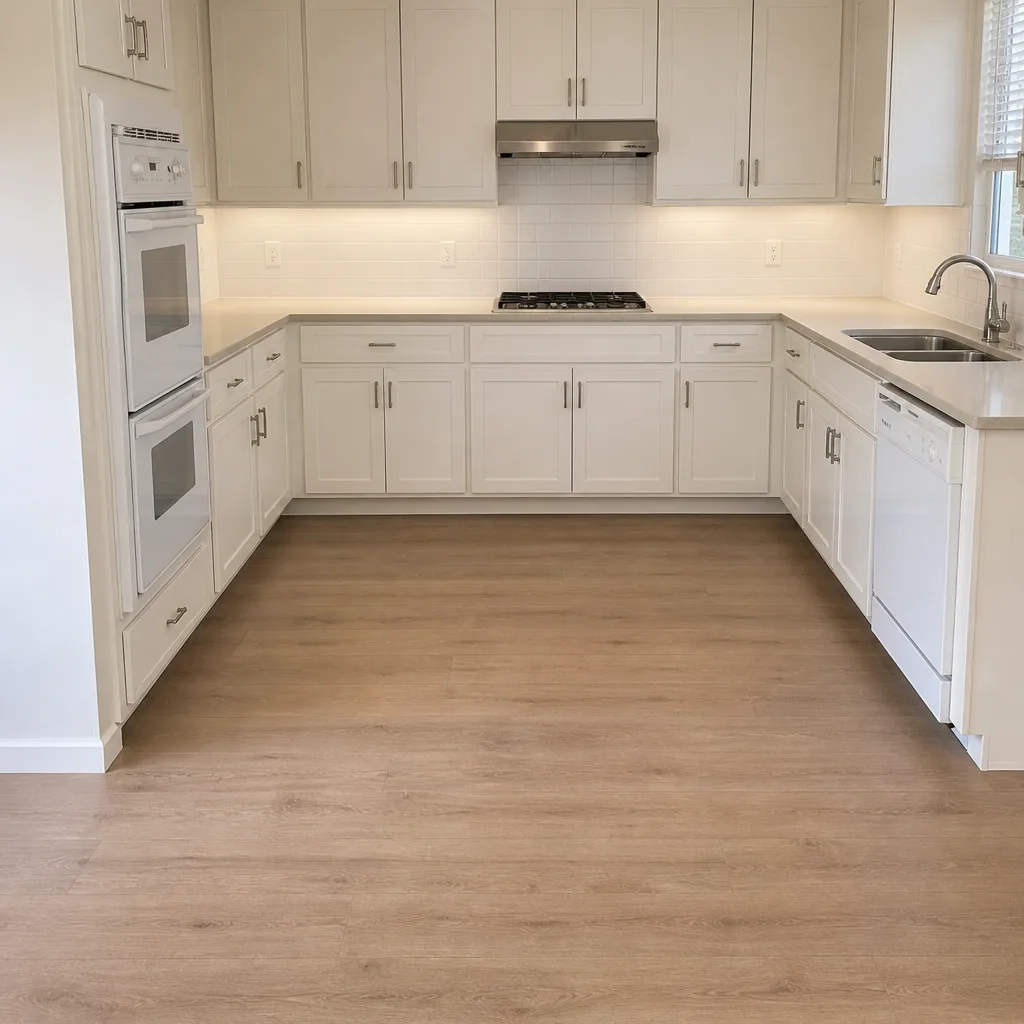
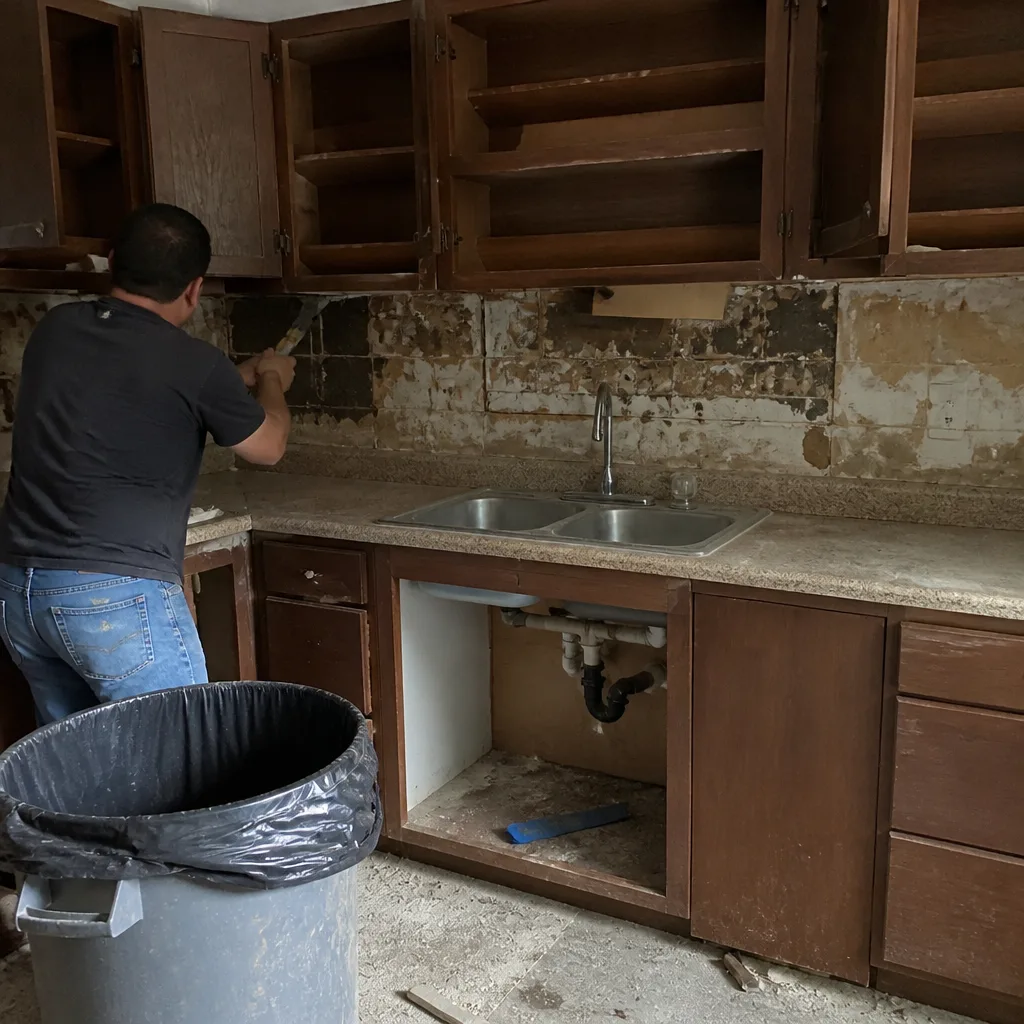
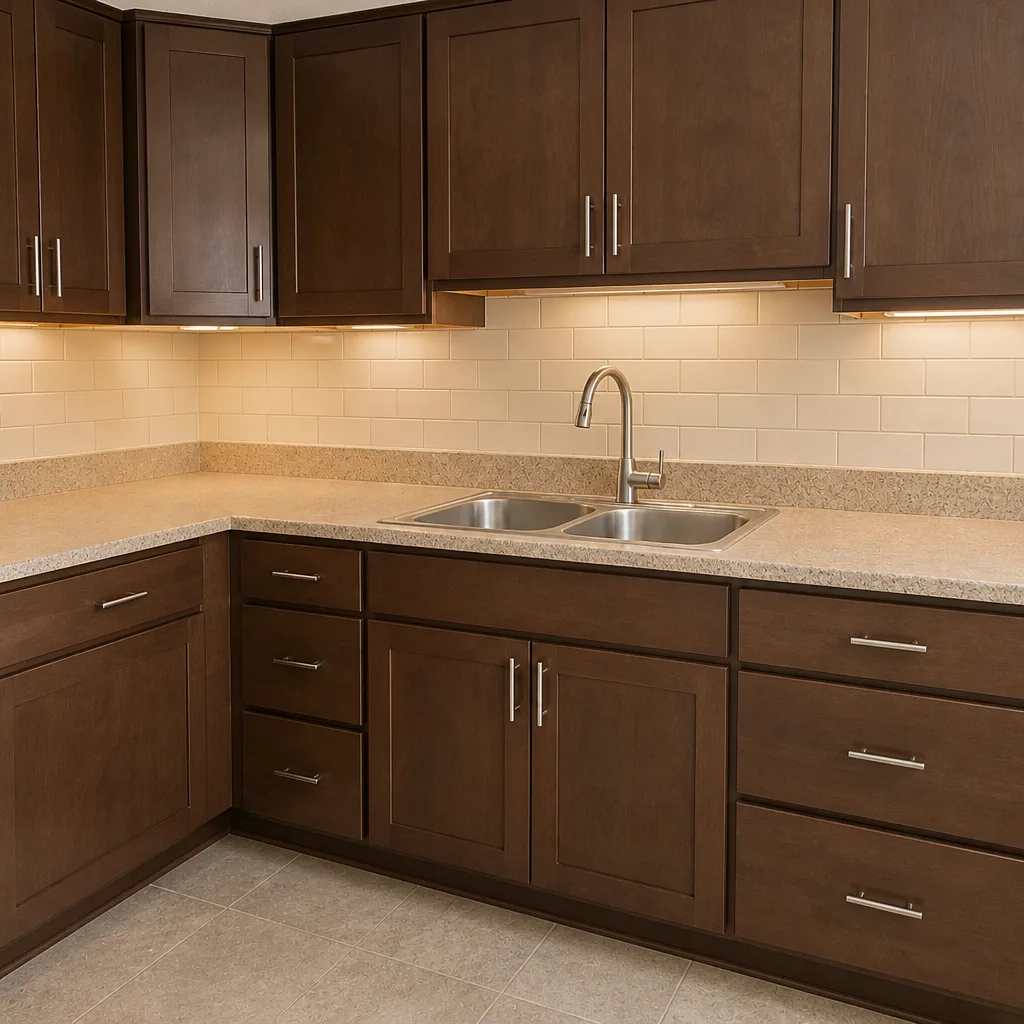
See the difference
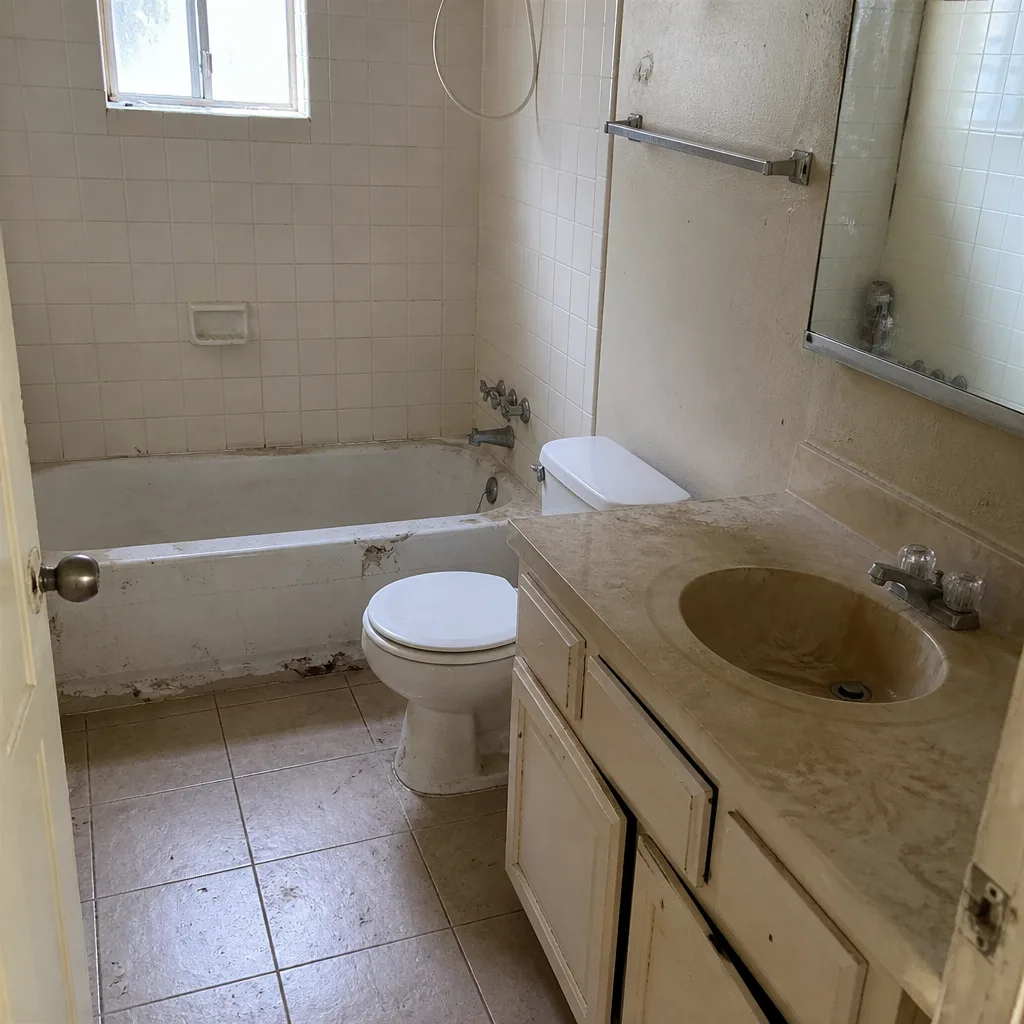 Before
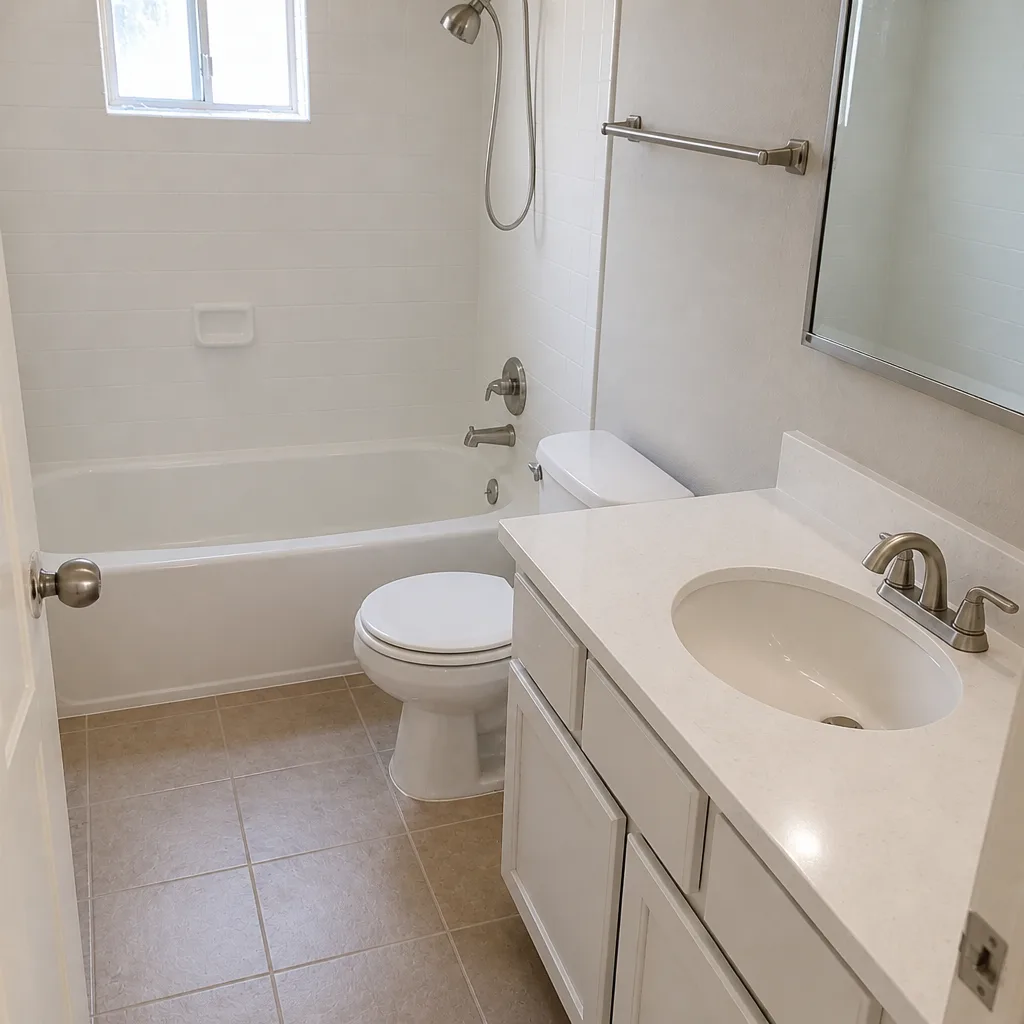 After
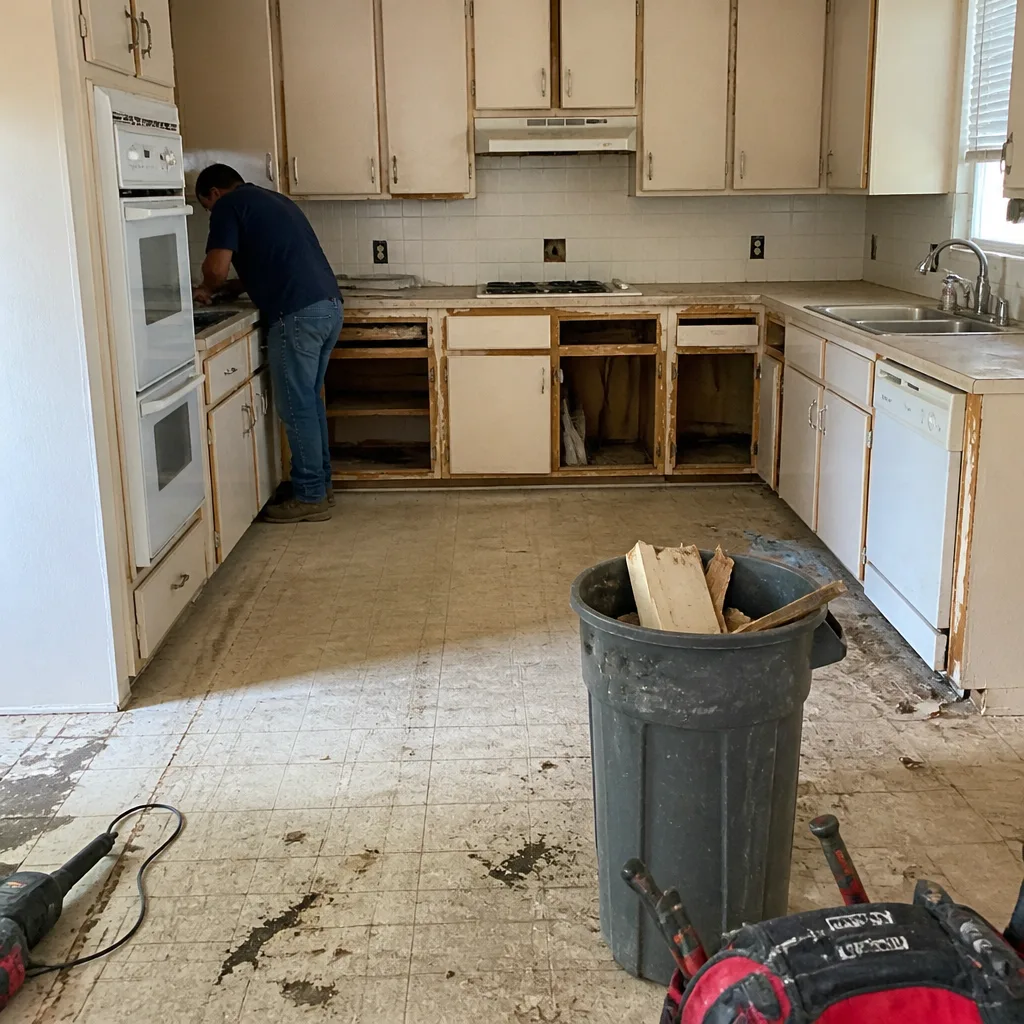 Before
 After
 Before
 After
When to Call a Professional
Some warning signs are a do-it-yourself check, and some are a call-the-pro moment. Call a professional when a crack is wider than a quarter inch, when a stair-step pattern spans a corner or more than one story, when a door or window has stopped closing squarely, when you see a visible gap at the foundation, or when water runs toward the house no matter what you do with the downspouts. Also call if you’re seeing any of the original-construction shortcuts: missing weep holes, flashing smeared with caulk, or fresh concrete over old. These are not DIY fixes, and patching over them just moves the bill down the road. Groundwork Construction Co. of Carrollton offers free estimates in Carrollton: call (844) 560-0925. Our technicians have up to 12 years of experience, we work from a written, line-item quote, and every project is covered by the 730-Day Done Right Promise.
Frequently Asked Questions
Foundation repair in Carrollton typically runs from about $400 for a small crack injection or downspout and grade correction up to $15,000 or more for full slab underpinning, and the final number depends on how many piers are needed and how far the foundation has moved. The cheapest realistic starting point is getting the drainage right before the movement gets worse. Call (844) 560-0925 for a free estimate. Our technicians have up to 12 years of experience, and we’ll give you a written line-item quote so you can see the number before you commit.
No, not always. A stair-step crack under 1/16 inch in isolated mortar is often just normal movement and thermal expansion. But a stair-step crack wider than a quarter inch, one that reaches a window or roofline corner, or one that’s appeared or grown within the last year, is a structural warning sign in Carrollton’s clay soil and deserves a professional evaluation. If it’s new, it’s worth a look even when it’s small.
Watch the ground for 48 hours after a heavy rain. If you see water ponding in the same low spot near the slab, a visible gap between the soil and foundation, white crusting along the bottom of the brick, or bare carved channels at the downspout outlets, the drainage is working against the house. The fix is usually regrading, extending downspouts, or correcting the slope on flatwork. If the flatwork is part of the problem, ask about the base prep at the same time.
Don’t wait. If a crack is new, growing, or wider than a nickel, get it evaluated within a couple of weeks. In Carrollton’s soil, a crack that’s moving in a wet-to-dry cycle can go from cosmetic to structural in a single season, and the fix gets more expensive at every stage. Take dated photos: that record tells a professional how fast it’s changing. A free estimate is the fastest way to know whether it’s stable or active.
The most common are caulk smeared over a crack that’s still visible underneath, fresh paint on a single patch low on a wall, new soil piled over a settlement gap, and a thin concrete cap over an older cracked slab. The unifying tell is that the repair addresses the appearance, not the cause. Ask for the written workmanship warranty on any structural work. Our work is backed by the 730-Day Done Right Promise: if it’s not done right, we make it right.
Yes, structural repair and additions in Carrollton typically require a permit and an inspection by the city, and a reputable contractor will pull the permit and make sure the work passes. A crew that wants to skip the permit to save time is handing you the risk. We pull permits and arrange the inspection as part of the scope. Call (844) 560-0925 to go over what your specific project needs. Our free estimate and design consult is the best place to start.
The Bottom Line
The warning signs that matter on a Carrollton home are the early ones: a stair-step crack wider than a quarter inch, soil pulling away from the slab, a downspout dumping water where it can’t drain, and flatwork that ponds. Read them while they’re still small. Do the 15-minute walkaround once a year, photograph everything, and don’t caulk over a structural crack or hide a settlement gap with new soil. When something looks structural, get a written estimate before the movement gets worse. Groundwork Construction Co. of Carrollton works from an upfront, line-item price you can trust, with background-checked, uniformed technicians and the 730-Day Done Right Promise standing behind every job. Call (844) 560-0925 today to schedule your free estimate; a live person answers, 24/7.
Written by the team at Groundwork Construction Co. of Carrollton.