Last updated November 18, 2026
Free written scope consultation - allowances, timeline, and change-order rules on paper before a single trade is scheduled
DIY vs Professional Construction: The Carrollton Homeowner’s Decision Guide
There’s a homeowner in Carrollton right now with a beautiful paver patio in the backyard. It looks fantastic. It sits in front of a retaining wall he built himself, and that wall quietly changed the drainage pattern across his lot. His neighbor’s yard started pooling water after the next big rain. The neighbor filed a complaint, the city came out, and now the wall has to come down. The patio survived. The wall is a loss. The lesson is the reason this guide exists: the DIY question is never “can I do this?” It’s “do I understand everything attached to doing this?” We’ll walk you through which Carrollton projects are genuinely safe to take on yourself and which ones carry legal, structural, and insurance risks no video ever mentions.
Styles & brands we work with
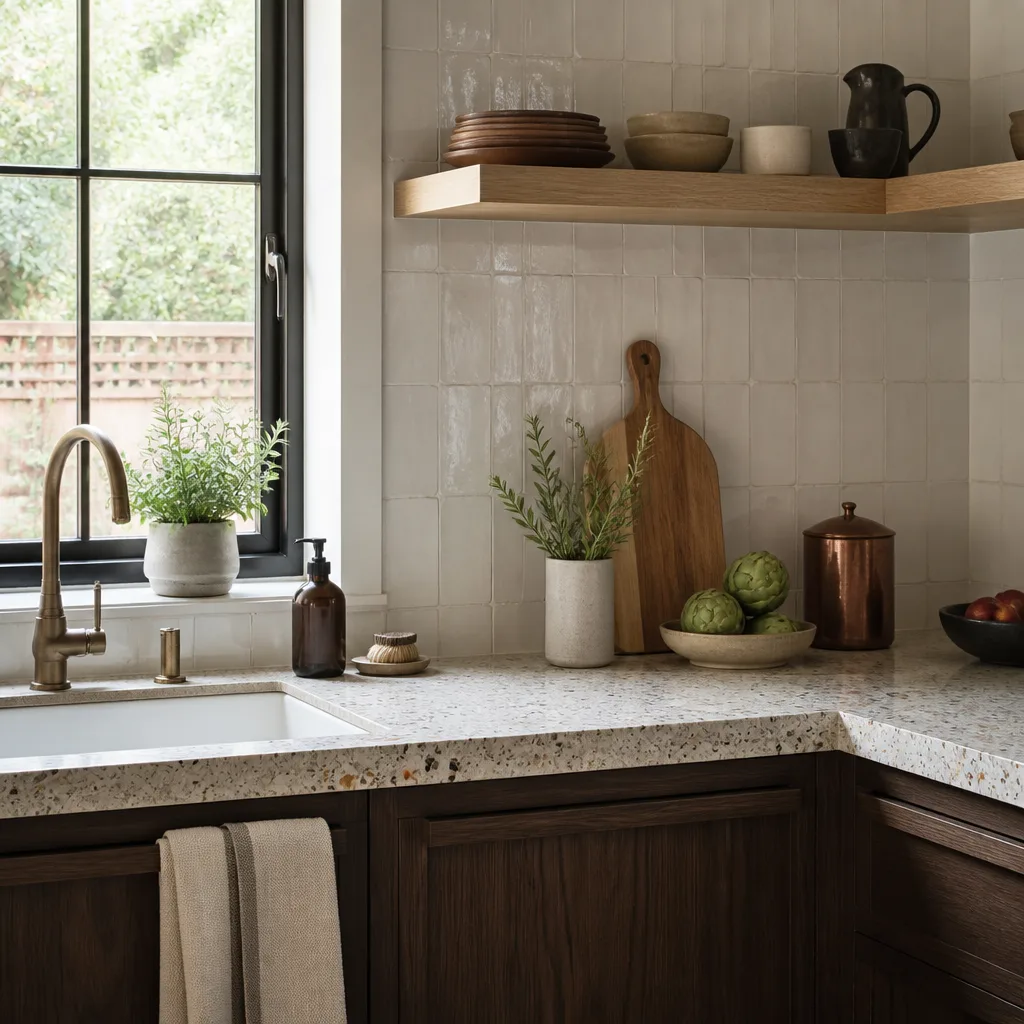
- Kitchen remodeling
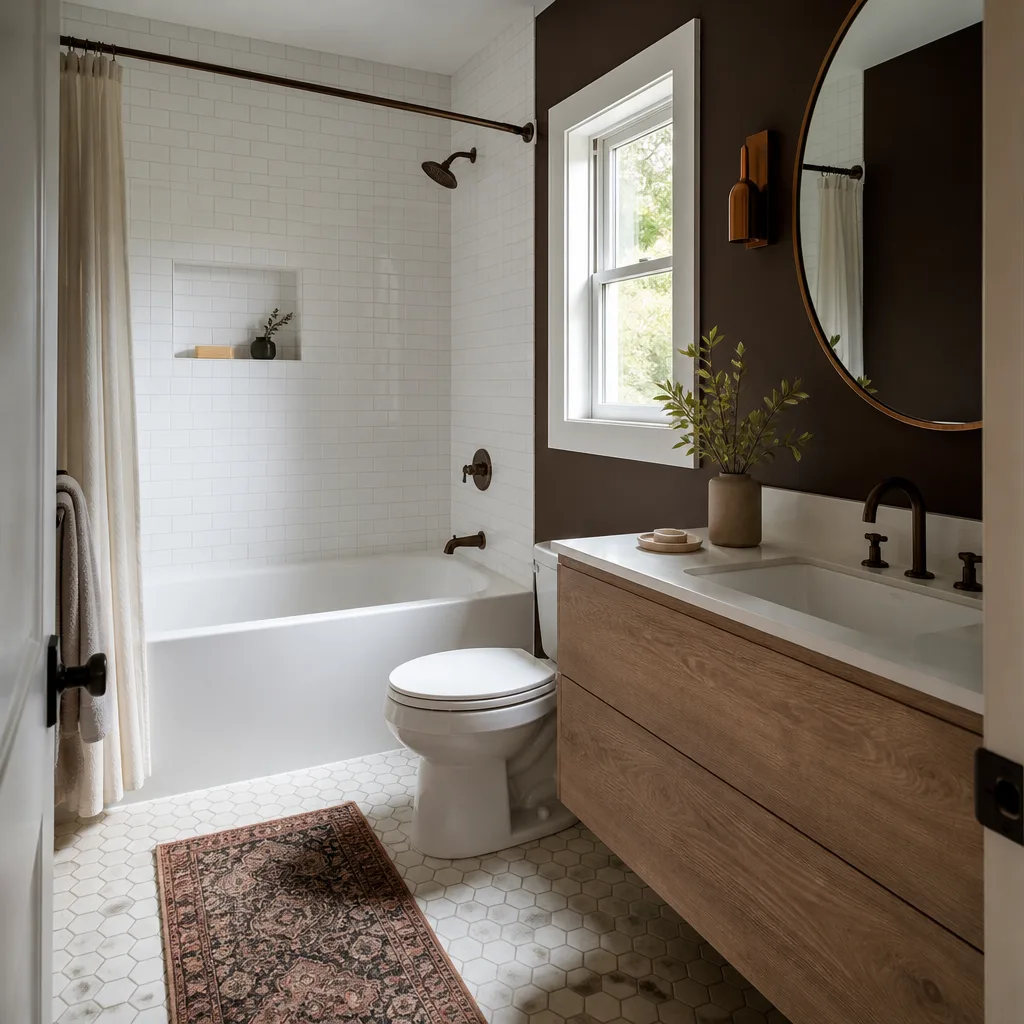
- Bathroom remodeling
- Home additions & ADU
- Roofing
- Windows & doors
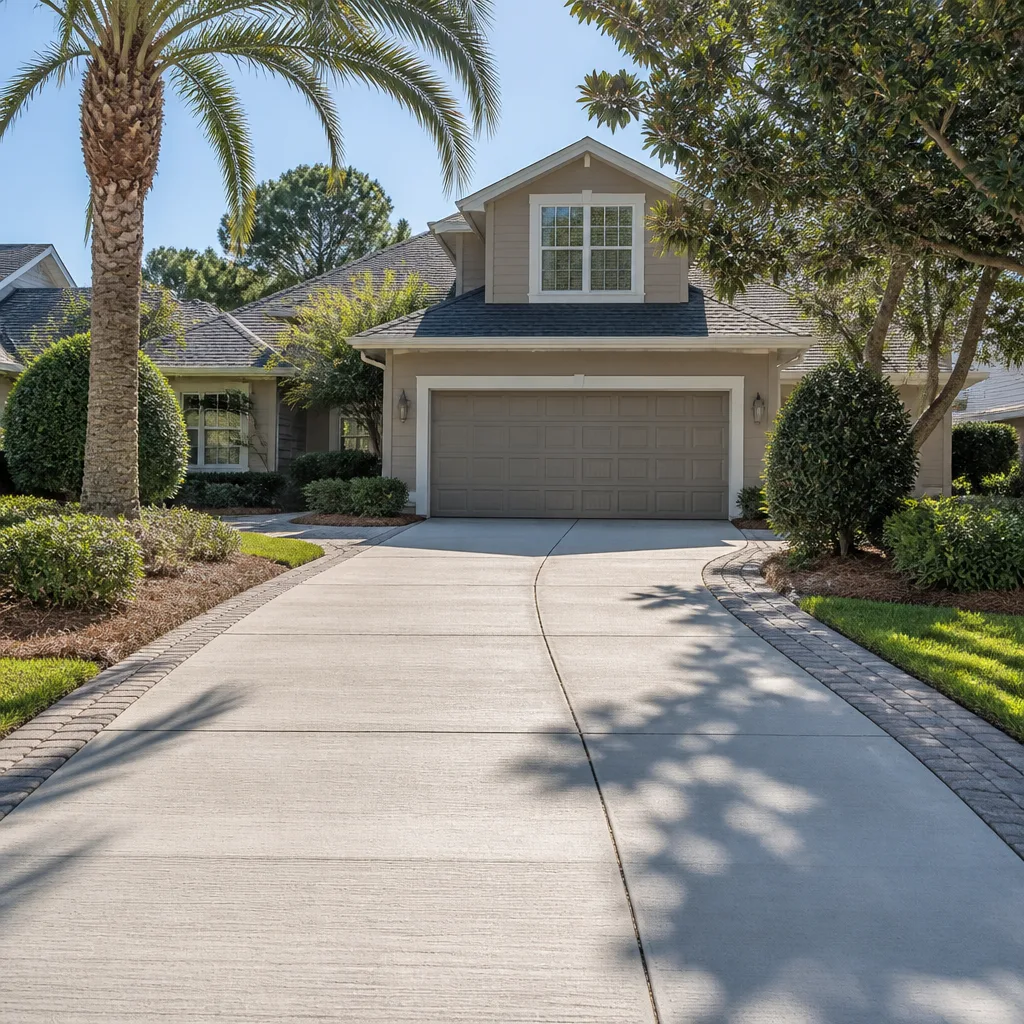
- Driveway & pavers
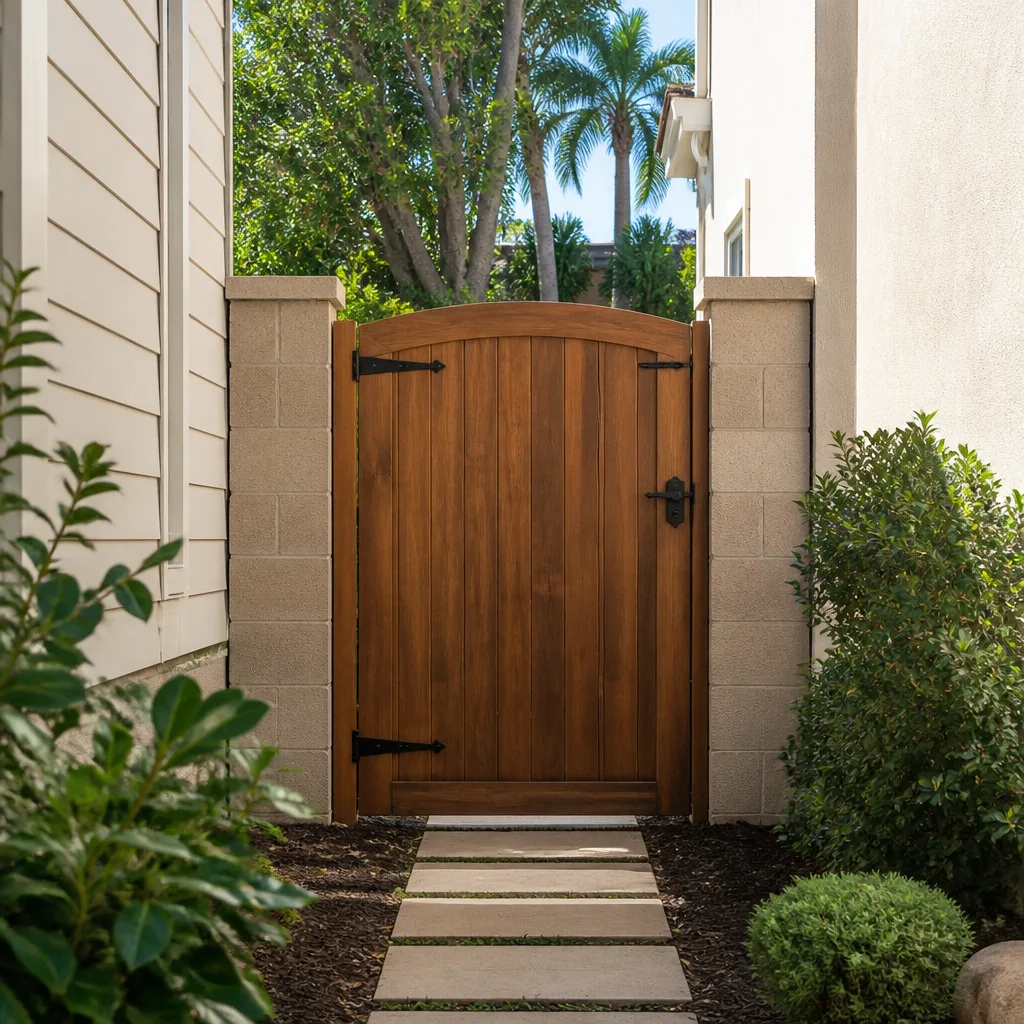
- Fence
Quick Answer
The DIY versus professional decision in Carrollton comes down to three filters, not skill: does the project require a city permit, does it touch structure or drainage, and does doing it yourself void any part of your homeowner’s insurance. If a project trips any one of those three, hire a licensed contractor. If it trips none, and it’s cosmetic or surface-level, you can likely do it yourself and do it well. Lower-risk DIY work in North Texas includes exterior paint prep, minor flatwork patching, fence staining, and surface-level paver touch-ups. Higher-risk work includes retaining walls, drainage changes, foundation repair, and anything requiring a Carrollton building permit.
Table of Contents
- The Carrollton Permit Requirement List as a DIY Decision Filter
- Structural vs. Cosmetic: The Honest Line in North Texas
- The Insurance Exposure Nobody Tells You About
- Real Cost Comparison: DIY vs. Contractor for Five Common Carrollton Projects
- Failure Rates and Redo Costs: The Data Behind DIY
- The Hybrid Model: How to Own-Manage Without Creating Liability
- How Carrollton Permits Actually Work (And Why This Matters)
- Neighborhood Context: What We See Across Carrollton
- Common Mistakes to Avoid
- When to Call a Professional
- Frequently Asked Questions
- The Bottom Line
The Carrollton Permit Requirement List as a DIY Decision Filter
Here’s the cleanest decision tool you’ll ever get: if a project requires a permit from the City of Carrollton, it almost always requires a licensed contractor to pull it. Not always, technically. But almost always. That single fact filters about 80% of DIY decisions before you ever open a browser tab.
Carrollton requires permits for a specific set of residential work. The ones that matter most for homeowners planning projects:
- New construction, additions, and ADUs (accessory dwelling units) – permit and licensed trades required
- Roofing replacement (structural) – permit required, inspection required
- Retaining walls over 4 feet in height – engineered plans and permit required
- Electrical panel changes, new circuits, and any wiring beyond swapping a fixture – permit and licensed electrician
- Plumbing changes that alter supply or drain lines – permit and licensed plumber
- Fence installation over 6 feet, or any fence in an easement – permit may be required, check first
- Driveway replacement or expansion, especially when it changes impervious cover – permit and sometimes drainage review
- Window replacement when the opening size changes – permit required; same-size replacement varies by scope
- Foundation repair – engineering letter and permit required
Projects that typically don’t require a permit: painting, minor concrete patching under a threshold, replacing a faucet, staining a fence, hanging shelves, swapping a light fixture, and resurfacing a patio with pavers that sit on existing flatwork without changing grade.
Use this list the way you’d use a checklist at the hardware store. If your project is on the permit side, that’s your answer – call a licensed contractor. If it’s not, keep reading. The rest of this guide is for you. And if you’re unsure which category your project falls into, a free estimate with Groundwork Construction Co. of Carrollton will tell you before you spend a dollar on materials.
Structural vs. Cosmetic: The Honest Line in North Texas
North Texas has a specific set of soil, weather, and code realities that reshape the DIY conversation. The ground here moves. Carrollton sits on the Blackland Prairie and the eastern edge of the Fort Worth Prairie, which means expansive clay soils that swell when wet and shrink hard in summer. Any project that touches soil, drainage, or a graded surface is a structural project, even if it doesn’t look like one.
That’s why the retaining wall story at the top of this guide matters. On flat, rocky ground, a low retaining wall is landscaping. On Carrollton clay, a retaining wall is a drainage structure. Move water in the wrong direction and you don’t just have a wet yard – you have a foundation problem on your neighbor’s side of the fence, and possibly a lawsuit.
Genuinely DIY-appropriate in Carrollton
- Exterior paint prep and painting (scraping, priming, caulking, two coats) – the work is slow but forgiving
- Minor flatwork patching under a threshold or at a sidewalk seam – small scale, low risk
- Fence staining and sealing – surface-level, cosmetic, easy to correct
- Paver touch-ups on an existing patio or walkway (re-sanding joints, replacing a broken paver)
- Landscaping, sod, mulch, and planting beds – as long as you’re not regrading
- Interior painting, trim replacement, and fixture swaps that don’t require new wiring
- Pressure washing and surface cleaning
Genuinely risky DIY in Carrollton
- Retaining walls of any height that change drainage
- Foundation repair, pier and beam shimming, or slab leveling
- Roofing replacement, especially on a steep pitch or above a two-story section
- Electrical panel work, new circuit runs, and any wiring in a wet location
- Gas line work of any kind – no exceptions, ever
- Drainage correction (French drains, swales, downspout rerouting underground)
- Any structural change to a load-bearing wall, header, or beam
Here’s the honest part: the second list isn’t about whether you’re capable. A skilled homeowner can learn to cut a French drain. But in Carrollton clay, the failure mode of a wrong drainage install isn’t a dry-weather inconvenience – it’s a $12,000 foundation correction two summers later. The math almost never works in the DIY column once you factor risk into the equation.
The Insurance Exposure Nobody Tells You About
Most homeowners don’t find out that unpermitted DIY work voided a policy clause until they file a claim. By then it’s too late. In Texas, insurer language around unpermitted structural work is specific, and it’s a common exclusion trigger.
Here’s the pattern. Homeowner policies generally cover damage from perils the policy names (hail, wind, fire, water leakage from a plumbing failure, and so on). But when the damage traces back to unpermitted work, the insurer has grounds to deny the claim or reduce the payout. The two places this hits hardest:
- Unpermitted structural changes. A DIY wall removal without a permit and inspection is a policy problem, not just a code problem. If a later inspector finds the work, insurers can deny claims on the resulting damage and may require the work be redone to code before reinstating coverage.
- Unpermitted electrical or plumbing. A fire that traces to a DIY electrical run without a permit is one of the most common denial scenarios in Texas homeowners claims. A water leak that traces to unpermitted plumbing has the same exposure.
- Drainage work that damages a neighbor’s property. If your DIY drainage change causes water to pool on an adjacent lot and the neighbor files a claim, your liability coverage may cover the neighbor’s damage, but the deductible and rate increase are yours, and the drainage still has to be corrected.
Permitted work, by contrast, doesn’t trigger any of this. Inspections pass, records exist, and the insurer has nothing to argue with. When we pull permits on a Carrollton job, we’re not just satisfying the city – we’re protecting the homeowner’s claim history for the next decade. That distinction isn’t covered in any DIY tutorial.
Real Cost Comparison: DIY vs. Contractor for Five Common Carrollton Projects
Pricing varies by scope, and we give every customer a line-item written quote before work starts, because vague ranges help nobody. That said, homeowners ask us for ballpark numbers every week, and the honest answer is that the DIY column is almost never as cheap as it looks once you account for tools, disposal, permits, redo risk, and your own time. Here’s the reality for five common Carrollton projects.
1. Interior paint (single room)
- DIY materials: $150-$300 for paint, primer, tape, rollers, brushes, drop cloths
- DIY tools you may not own: $80-$200 for a brush set, edger, pole sander
- Contractor bid: $600-$1,400 depending on room size and prep
- Time: 2 weekends of your own labor, or 1-2 days for a crew
- Verdict: DIY is genuinely reasonable here if you’re patient with prep
2. Paver patio (12×16)
- DIY materials: $3,500-$6,000 for pavers, base, sand, edging
- DIY tool rental: $400-$800 for a plate compactor, wet saw, hand tamper
- Contractor bid: $8,000-$15,000 with excavation, base prep, and drainage included
- Time: 60-100 hours of heavy labor
- Verdict: the DIY savings looks large on paper, but base prep is where most DIY patios fail within 3-5 years, and redo costs match the original contractor bid. Driveway & Pavers in Carrollton is a scope where the base layer earns the entire price.
3. Fence installation (6-foot privacy, 150 linear feet)
- DIY materials: $2,800-$4,500 for cedar pickets, posts, rails, concrete, hardware
- DIY tool rental: $200-$400 for post hole digger, auger, saw, level
- Contractor bid: $4,500-$7,500 installed, permits handled when required
- Time: 40-60 hours across multiple weekends
- Verdict: skilled DIY is possible, but 150 feet of pristine fence line depends on straight posts set in the right concrete and inspected against Carrollton easement lines. Fence Installation in Carrollton covers how we handle survey and permit checks before the first post goes in.
4. Roof replacement (asphalt shingle, 2,200 sq ft)
- DIY materials: $4,000-$7,000 for shingles, underlayment, flashing, nails
- DIY tool rental: $400-$700 for nailer, dumpster, tear-off equipment, safety gear
- Contractor bid: $12,000-$22,000 installed with tear-off, decking repair, and warranty
- Time: 5-10 days for a skilled crew; 4-8 weekends for a first-timer
- Verdict: this is not a DIY project. Roof pitch, Texas summer heat, and inspection requirements turn a roof replacement into a genuinely dangerous job. A 730-Day Done Right Promise exists for a reason – if a shingle edge fails, someone has to fix it.
5. Bathroom remodel (full gut, 60 sq ft)
- DIY materials: $4,500-$9,000 for tile, fixtures, tub, cabinetry, waterproofing
- DIY tools you may not own: $600-$1,200 for tile saw, wet saw, drywall tools, plumbing tools
- Contractor bid: $14,000-$28,000 with permits, licensed plumbing and electrical, and finish work
- Time: 20-40 weekends for a first-timer (most never finish)
- Verdict: partial DIY possible (demo), full DIY unrealistic. The plumbing and electrical portions require licensed trades in Carrollton, by code.
The pattern is consistent. Where DIY saves real money, it’s usually the labor-intensive cosmetic projects where error is forgiving. Where the numbers look most dramatic on the DIY side, the project almost always carries hidden costs – drainage failures, permit problems, or redo work that erases the savings.
Failure Rates and Redo Costs: The Data Behind DIY
You can’t find honest DIY failure data online, in part because most homeowners never publish it. But contractors see the aftermath. Here’s what we’ve watched across Carrollton jobs:
- Paver patios: DIY installations with 2 inches of base instead of 4-6 inches fail through settling within 3-5 years. Redo cost: same as a first-time contractor install, plus disposal of the failed material.
- Retaining walls: Most DIY failures are drainage-related, not structural. A wall that stands but pushes water to the wrong lot gets flagged by the city on complaint. Redo cost: 1.5x the original build, because removal adds to the labor.
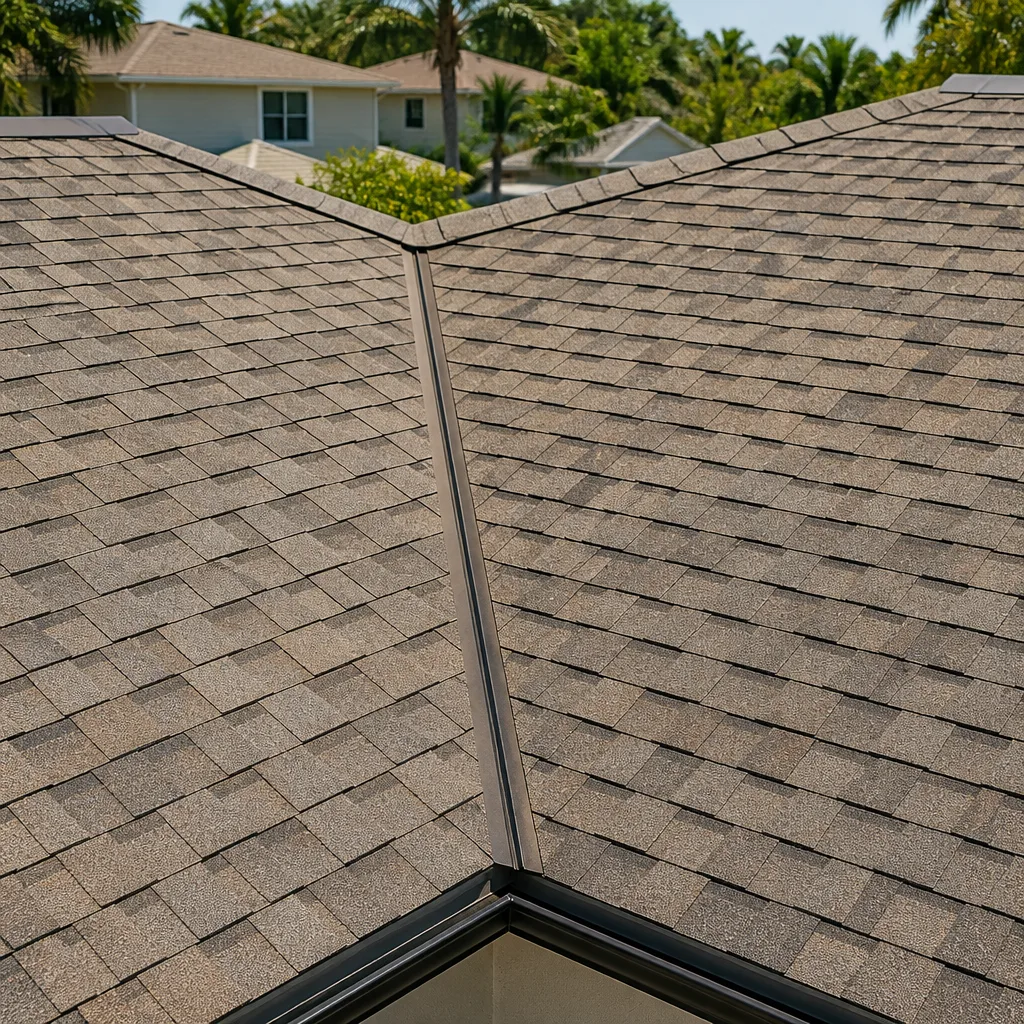
- Roof replacement: DIY shingle installs fail most often at valleys, flashing, and perimeter edges – areas that look simple but require technique. Leak damage often surfaces 2-3 summers later. Redo cost: full roof replacement.
- Bathroom tile: The most common DIY failure is waterproofing the shower pan incorrectly. The failure shows up as rot in adjacent flooring and framing, not visible tile damage. Redo cost: tile removal, subfloor repair, redo.
- Deck building: Footings that don’t hit frost depth or aren’t sized right fail inspection in Carrollton. Redo cost: 60-80% of original plus engineering, sometimes full rebuild.
The pattern we keep seeing: the DIY savings is real on the day the project finishes. It disappears the summer after, when settling, drainage, or a leak shows up. Failure rates north of 40% are common on the structural-adjacent DIY categories.
The Hybrid Model: How to Own-Manage Without Creating Liability
Here’s the strategy that actually saves a homeowner money without opening up the exposure. It’s called the hybrid model, and it treats a construction project the way a small business treats a buildout: you handle the parts you can do safely, and you hire licensed contractors for the permitted scope only.
What you can own as an owner-manager
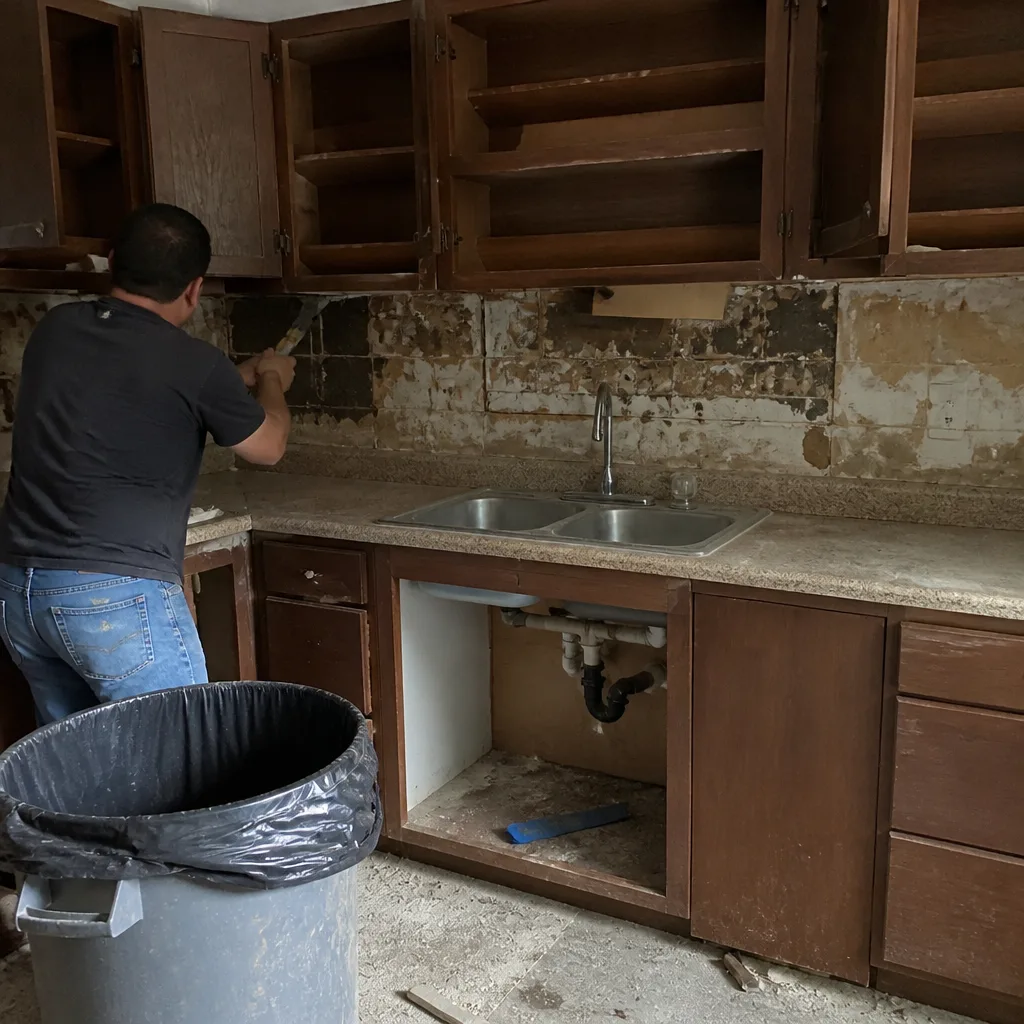
- Demo. Tearing out old tile, cabinets, decking, or flooring is labor-intensive and safe when you know where the shutoffs are and aren’t touching structural walls. This is where most homeowners save the most money on a hybrid job.
- Material sourcing. You can shop fixtures, tile, and cabinetry yourself. You can also ask your contractor to source them through brand partnerships – when we spec a KraftMaid or Wellborn cabinet line, the delivered cost is often lower than retail because of direct sourcing.
- Cleanup and dumpster coordination. Hauling old material and coordinating the debris box is straightforward, low-risk work.
- Scheduling and homeowner walkthroughs. You can be on-site for every inspection and walkthrough. That’s usually the homeowner’s best contribution.
- Finishes and painting. Interior paint, trim work, and surface-level finishing are genuinely DIY-appropriate once the structure is done.
What the contractor takes on
- Permit-pulling and inspection management. The licensed contractor pulls permits under their license, calls for inspections, and passes them – not you, not the neighbor.
- Structural work. Anything on a bearing wall, header, beam, or foundation goes to licensed trades.
- Electrical, plumbing, gas, and HVAC. All four trades are licensed in Carrollton, and all four require contractor-pulled permits for any scope beyond a fixture swap.
- Drainage and grading. Even a small regrade can move water across a lot line. Licensed contractors are the safe option.
- Roofing. Replacement and repair on any pitched roof. A 730-Day Done Right Promise means you get warranty coverage on the work and don’t own the risk.
The hybrid model isn’t right for every project, but it’s right for more projects than homeowners realize. It’s most effective when the DIY-scope and the permitted scope can be cleanly separated – interior paint plus permitted electrical, say, or demo plus a contractor-built Home Additions & ADU in Carrollton. When we quote a hybrid job, we itemize what the contractor does and what stays with you, so there’s no confusion at the walkthrough.
How Carrollton Permits Actually Work (And Why This Matters)
Carrollton permitting is friendlier to homeowners than most North Texas cities, but the process is specific enough that DIY permit-pulling is often more trouble than it saves. Here’s how it works in practice:
- Pre-application check. Before applying, you need to confirm zoning for ADUs, fences, and any structure in an easement.
- Application. Carrollton accepts residential permits through their online portal, and the application asks for scope, contractor information, plan drawings (for structural work), and site plan (for exterior work).
- Plan review. Most residential permits get over-the-counter or short-review treatment. Complex scopes (additions, ADUs, retaining walls over 4 feet) go through plan review with comments.
- Inspection sequence. Foundation, framing, electrical rough-in, plumbing rough-in, insulation, and final inspection – each one has to pass before the next stage starts.
- Final and certificate of occupancy (when applicable). For additions and ADUs, the final inspection triggers a certificate that the work is done to code. Without it, an insurer can challenge coverage.
The reason this matters for the DIY question is simple. Every step in that sequence runs through a licensed contractor for the permitted scope. A homeowner can technically pull some residential permits themselves in Carrollton, but the work still has to be performed by a licensed trade for structural, electrical, plumbing, and mechanical components. That means the DIY question for permitted work is really “do you want to be the general contractor?” – a role that carries the permit liability, inspection management, and trade coordination. Most homeowners opt out once they see the full scope. The ones who don’t tend to hire a licensed GC on a consultation basis to manage inspections. Either way, the licensed-trade requirement doesn’t move.
Neighborhood Context: What We See Across Carrollton
Carrollton is not one housing stock. It’s a set of neighborhoods with different ages, soils, and failure modes, and the DIY decision looks different block by block.
In Downtown Carrollton and the older streets near the square, homes from the 1950s through the 1970s have post-and-pier foundations and plumbing that’s already been through 60+ summers of North Texas clay. DIY foundation anything in these homes is a losing gamble. The old galvanized supply lines are another story – a small DIY repair on that plumbing almost always turns into a full repipe once a plumber sees the interior wall condition.
In Trinity Mills and the neighborhoods near the George Bush Turnpike, homes from the 1980s and 1990s have slab foundations and windows approaching replacement age. Exterior work here is often less about drainage (the lots are graded and stable) and more about window and door replacement, siding, and roof cycles. DIY window replacement when the opening size stays the same is possible but risky – Andersen and Pella both make it look easy in videos and both will void warranty on a self-install. Windows & Doors in Carrollton is a scope where installation warranty is worth paying for.
In Castle Hills and the neighborhoods south of Belt Line, the housing stock is newer and the lots are larger. That means bigger driveways, longer fence runs, and more opportunity for the hybrid model – a lot of homeowners here handle the yard and fence-line details themselves while a contractor pulls permits for larger driveway or paver work.
In North Carrollton near the President George Bush corridor, newer builds with engineered foundations are the norm. DIY work here is usually cosmetic – paint, landscaping, fence staining – and the failure modes are mostly about finish quality rather than structural risk. That’s the geography where the DIY conversation is most honest: some of the work is genuinely fair game.
One pattern holds across all of Carrollton. The closer a project sits to soil, drainage, and structure, the more a licensed contractor pays for themselves. The further it sits from those things (paint, finish, cosmetic), the more DIY makes sense.
Common Mistakes to Avoid
- Building a retaining wall without a drainage plan. A retaining wall in Carrollton clay is a drainage structure, not just a landscape feature. A wall that stands but pushes water to the wrong lot is the exact scenario that gets flagged on a neighbor complaint – and the wall still has to come down.
- Treating “permit required” as a suggestion. A homeowner who skips the Carrollton permit on a fence over 6 feet or a driveway expansion can be required to remove the work at their own cost when a neighbor complains. The city doesn’t give the money back.
- Doing electrical work in a wet location without an inspection. Exterior outlets, pool pumps, and kitchen circuits done without a permit are the most common DIY fire-claim denial trigger we see. The $200 saved on contractor labor turns into a denied claim.
- Waterproofing a shower pan from a video. The pan is the piece that fails. It’s not visible on the finished tile, and it shows up as rot in the adjacent bedroom floor 2-3 summers later. Full redo cost usually exceeds the original contractor bid.
- Sourcing cheap paver base instead of proper base. Using 2 inches of base instead of 4-6 inches saves about $400 on materials and shortens the patio life by 10+ years. The failure usually shows up within 5 summers.
- Assuming a homeowner policy covers unpermitted work. It usually doesn’t, and the exclusion only surfaces after a claim. A quick call to your insurer before DIY work starts is the cheapest five minutes you’ll spend on the project.
- Skipping the survey before a fence install. A fence built over an easement or 6 inches on the neighbor’s side is the most common fence-related complaint in Carrollton. Have the survey in hand before the first post goes in.
When to Call a Professional
Call a professional in Carrollton when the project requires a permit, touches structure or drainage, involves electrical, plumbing, HVAC, or gas, or carries any risk of damaging a neighbor’s lot. That’s the honest list. Roof replacements, foundation work, retaining walls, bathroom remodels with plumbing changes, window replacements that alter the opening, additions and ADUs, and every driveway or paver project over 200 sq ft fall into that category. Structural work isn’t a DIY skill problem – it’s an exposure problem, and exposure doesn’t shrink with practice.
When you do call, look for a contractor with a written workmanship guarantee, upfront line-item pricing, and a track record of pulling permits and passing inspections. At Groundwork Construction Co. of Carrollton, we pull every permit the work requires and put the number you see in writing so there are no change-order surprises at the end. If it’s not done right, our 730-Day Done Right Promise says we make it right – and that’s the kind of coverage that turns a construction project into something you can actually plan around.
Groundwork Construction Co. of Carrollton offers free estimates in Carrollton. Call (844) 560-0925 and a live person will pick up – 24/7, no voicemail, no waiting until Monday.
Frequently Asked Questions
In Carrollton, fences over 6 feet, fences in an easement, and fences on a corner lot with a sight-line requirement typically require a permit. Standard 6-foot privacy fences on a surveyed property line often do not, but it’s worth a call to Carrollton’s building department before you buy materials, because the rules vary by lot. A contractor who installs fences in Carrollton regularly will know which category your lot falls into before the first post goes in. Call (844) 560-0925 for a free fence estimate and we’ll confirm permit requirements up front.
Usually not. Most Texas homeowner policies exclude claims that trace back to unpermitted structural, electrical, or plumbing work, and the exclusion often applies even if the work itself was performed correctly. The claim denial shows up after a loss, not at installation, which is why so many homeowners don’t find out until they need the coverage. If you’re planning permitted-scope work, hiring a licensed contractor who pulls the permit is the way to protect your claim history. Call (844) 560-0925 for a free estimate on any permitted project in Carrollton.
You can, and if the patio is a small surface-level install on stable ground with proper base prep, DIY is a fair option. Most DIY paver patio failures in Carrollton trace back to under-built base (2 inches instead of 4-6) or drainage that pushes water toward the house or a neighbor’s lot – problems that don’t show up until 3-5 summers later, when the redo costs as much as a contractor install would have. For a patio over 200 sq ft, or anything near a slope, the math favors a licensed install. Call (844) 560-0925 for a free paver estimate and we’ll walk you through the base prep scope line by line.
The most common mistake we correct is a completed DIY project that changed the drainage pattern on the lot (retaining walls, French drains, regrading) without an engineering or permit review. The second most common is unpermitted electrical work in a wet location. Both fall into a category where the savings look real on the day of completion and disappear a summer later, when a foundation or water-intrusion problem surfaces. Free estimates at (844) 560-0925 will tell you if your project sits in that category before you start.
A permitted bathroom remodel typically runs 3-6 weeks in Carrollton, and a kitchen remodel runs 6-12 weeks depending on scope and cabinet lead times. Additions and ADUs run longer, usually 4-8 months from permit to final inspection, because the permit process and inspection sequence add real time. The hybrid model doesn’t compress that schedule much – a homeowner handling demo and cleanup can trim a week or two, but the permit-sequence wait time is fixed. Call (844) 560-0925 to get a realistic schedule on your specific scope.
For permitted scope, the licensed contractor pulls the permit under their license, calls for inspections, and passes them – the homeowner does not need to pull a permit for contractor-performed work. In the rare hybrid case where the homeowner handles part of the scope themselves, they may pull their own permit for their portion, but most homeowners opt out of this once they see the inspection management required. Groundwork Construction Co. of Carrollton pulls every permit the work requires. Call (844) 560-0925 to schedule a free estimate.
The Bottom Line
The DIY-versus-professional question in Carrollton comes down to three filters – permit requirements, structural or drainage involvement, and insurance exposure – and not skill. Cosmetic and surface-level projects (paint, finish, fence staining, small paver touch-ups) are genuinely fair game for a capable homeowner. Structural, drainage, and permitted-trade work is where DIY exposes you to costs that no tutorial mentions. The hybrid model – owning demo, materials, cleanup, and finishes while a licensed contractor handles the permitted scope – is the option that saves real money without opening up the exposure. And when you’re ready for the contractor side of that equation, we’re ready to quote it. Call (844) 560-0925 for a free estimate and a written line-item scope. We answer 24/7, live.
Written by the team at Groundwork Construction Co. of Carrollton.
See the difference
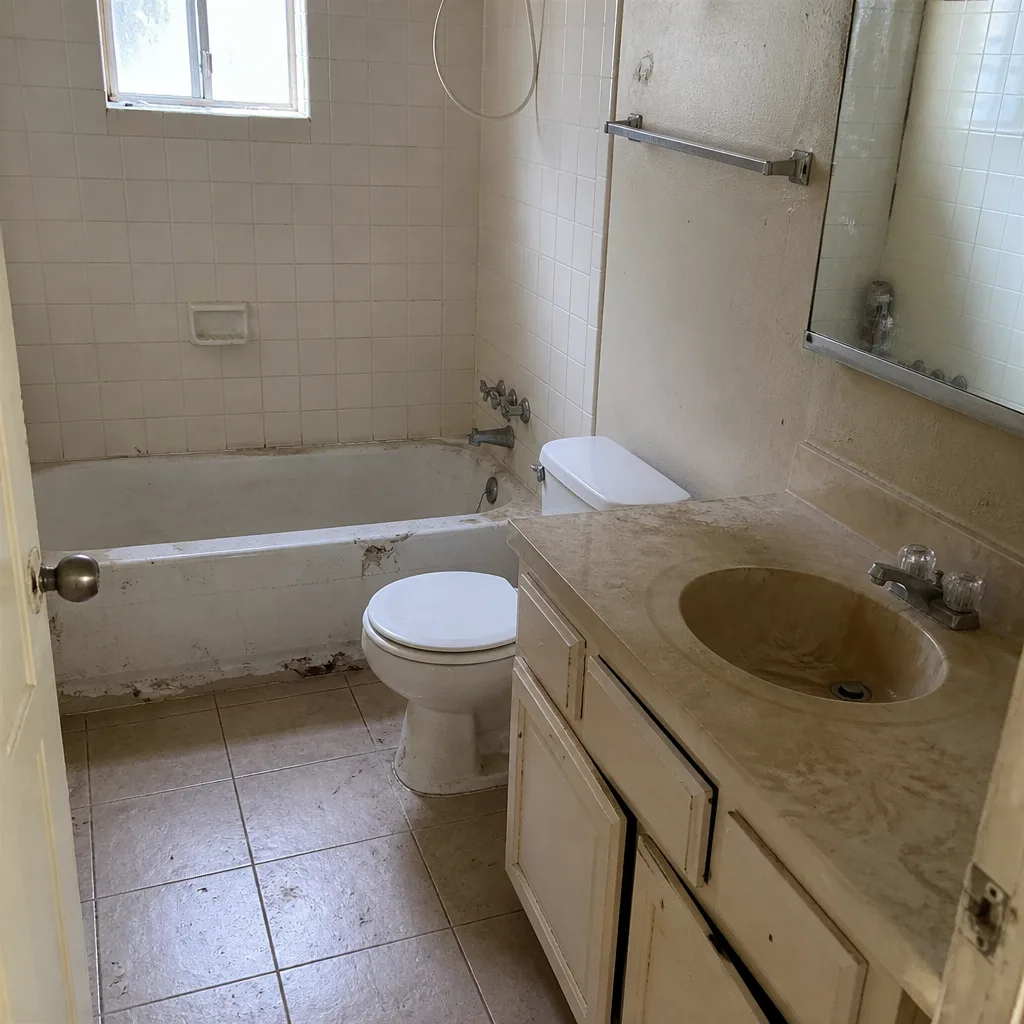 Before
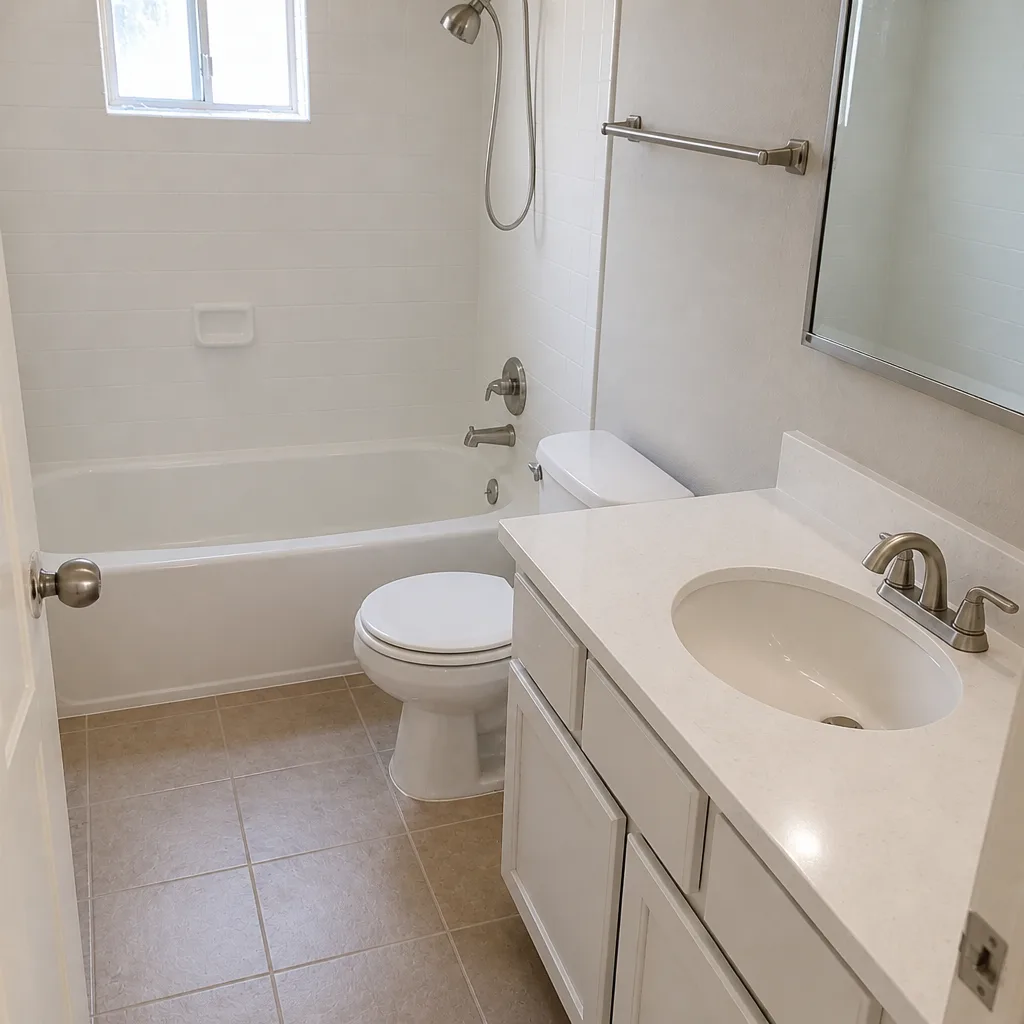 After
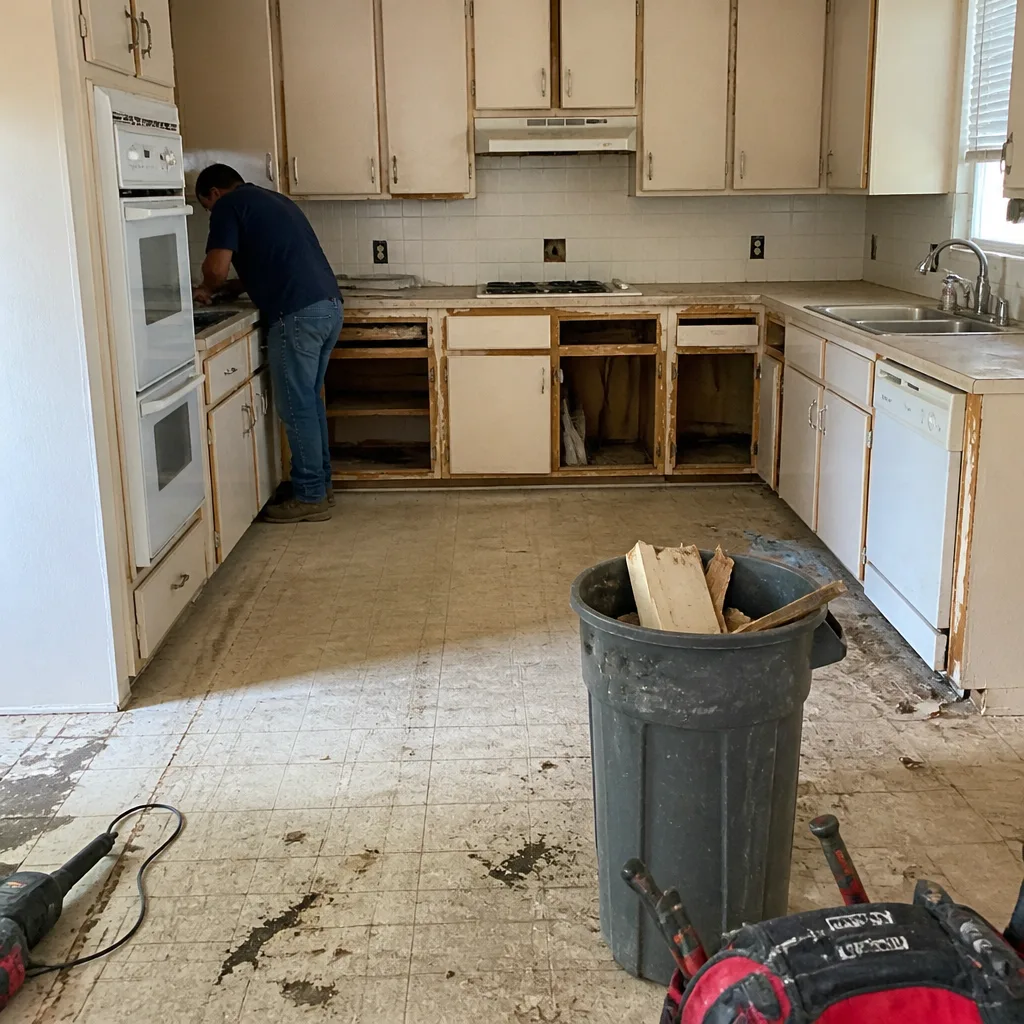 Before
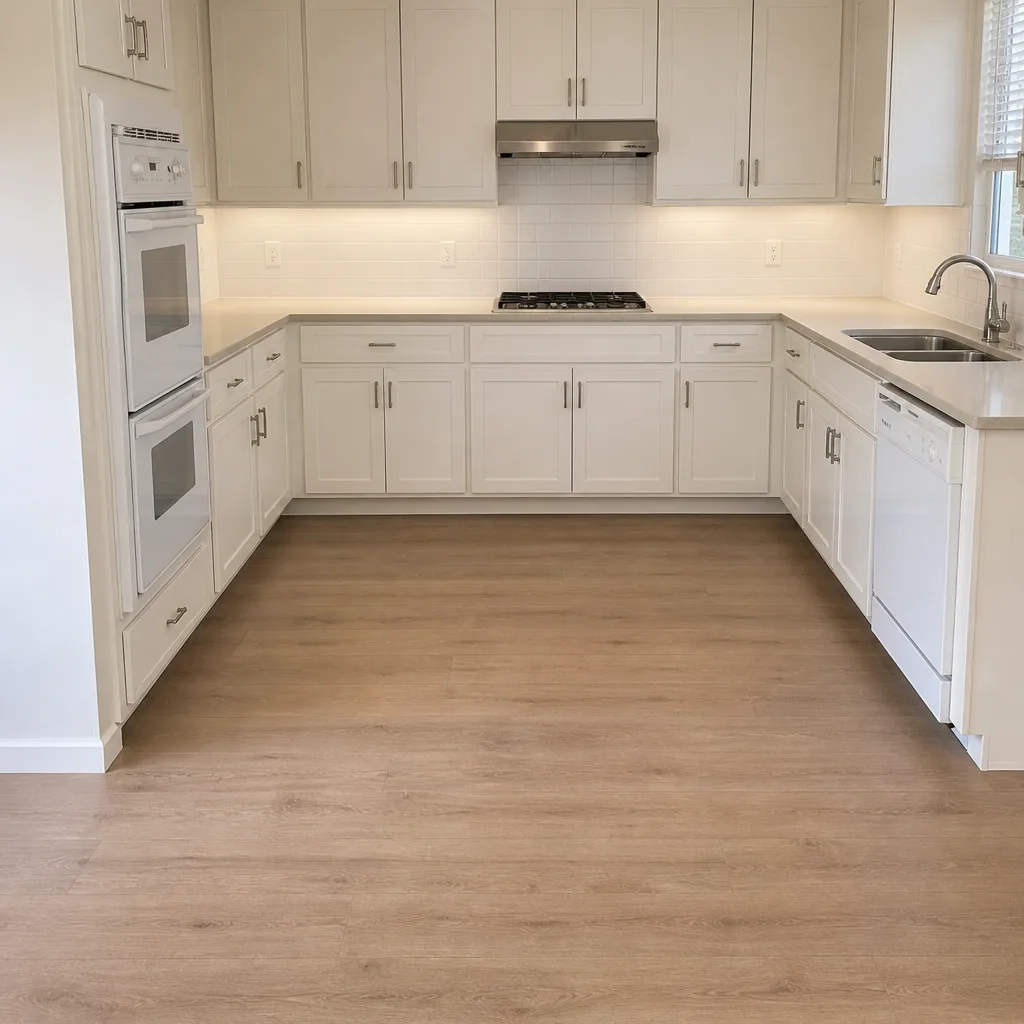 After
 Before
 After