Last updated November 18, 2026


Free written scope consultation - allowances, timeline, and change-order rules on paper before a single trade is scheduled
Driveway & Pavers Warning Signs Every Homeowner Should Know
The gap between a $400 paver repair and a $6,000 section replacement is usually six months and one warning sign that got ignored. In our experience across Carrollton, the driveway tells you it’s in trouble long before it fails – a paver that rocks underfoot in March, a strip of sand washing out near the garage apron in April, a slow dip at the street edge that pools water every storm. Most homeowners read those signals as cosmetic aging and wait. Then a hard freeze, a heavy delivery truck, or one more Texas summer turns a small fix into a torn-out section. This guide gives you a visual field guide to what each sign actually means structurally, a five-minute walk-through you can do this weekend, and the specific thresholds that separate “monitor it” from “call someone now.” In Carrollton, where expansive clay soil and brutal summer heat work together on every driveway, knowing the difference matters more than the pavers themselves.
Quick Answer
The warning signs that matter most on a paver driveway are rocking or heaving pavers, edge creep (pavers sliding away from the perimeter), sand washing out of the joints, and standing water after rain – each points to a base or drainage problem, not just surface wear. Cosmetic issues like faded color or tight hairline joints are normal; structural symptoms get worse and cost more every month you wait. If you can fit a finger under a paver edge, see a dip deeper than a half inch, or count more than three rocking pavers in one area, it’s time for a professional look.
Styles & brands we work with
- Kitchen remodeling
- Bathroom remodeling
- Home additions & ADU
- Roofing
- Windows & doors
- Driveway & pavers
- Fence
Table of Contents
- The Visual Field Guide: What Each Warning Sign Actually Means
- The 5-Minute Driveway Assessment: Walk This Pattern
- When the Problem Is Drainage, Not Pavers
- Normal Texas Sun Weathering vs. Installation Failure
- Carrollton’s Expansive Clay: Why It Makes Every Sign Worse
- When to Call a Professional vs. When to Monitor
- Repair or Replace? How the Numbers Break Down
- Prevention: Keeping a Healthy Driveway Healthy
The Visual Field Guide: What Each Warning Sign Actually Means
Not every paver imperfection is a red flag. What separates harmless surface character from a base problem is whether the issue is isolated or systematic. A single chipped paver from a dropped tool is nothing. Four pavers tipping toward each other along a seam means the bedding layer underneath has shifted. Here’s what the common signs actually signal structurally.
- Heaving: A paver that sits higher than its neighbors, sometimes with a visible ridge. Heaving typically means moisture is trapped under that paver and expanding during freeze cycles, or tree roots are pushing up from below. In Carrollton, we see it most near mature live oaks and anywhere the base wasn’t compacted to the right depth.
- Rocking: A paver that tips when you step on one edge. This is the earliest and most ignored sign. It means the sand bedding has migrated out from under the unit. One rocking paver is a repair; a cluster of rocking pavers is a base failure building.
- Edge creep: The outermost row of pavers sliding outward, away from the body of the driveway, leaving a widening gap. Edge creep almost always means the edge restraint has failed. The pavers push out under load and the whole field can start to spread. On a Carrollton driveway facing a west sun exposure, the restraint can crack and heave within a few summers if it was undersized.
- Sand washout: Sand disappearing from the joints, leaving hollow gaps. A little settling is normal. Channels of erosion or sand piling up at the bottom of a slope point to water running across or through the pavement instead of off it.
- Depressions: Low spots that hold water after rain. Any dip deeper than a half inch is a structural sign – the base layer has compressed or been eroded underneath.
If you’re noticing several of these at once, our Driveway & Pavers in Carrollton team can walk the surface with you and tell you which problems are urgent and which can safely wait. That kind of grounded assessment is worth doing before you spend money on anything.
The 5-Minute Driveway Assessment: Walk This Pattern
You don’t need a level or a moisture meter to catch the early signs. You need fifteen minutes and a consistent walking pattern. Do this the same way each time – ideally after a rain, when the water tells you where the low spots are – so you can compare month to month.
- Walk the perimeter first, slowly, feeling for edge movement. Stand on each edge paver and shift your weight. If the edge dips or the restraint moves, note it.
- Walk a straight line up the center, then a zig-zag back. Feel for anything that rocks underfoot. A subtle “wobble” is enough – you don’t need a loud clack.
- Check the transition seams at the garage apron and the street. These are the highest-stress spots on any driveway. Look for widening gaps, sand piling up at the seam, or broken restraint straps.
- Look for ponding after the next rain. Walk out within an hour of a storm and check where water sits. Any puddle still there six hours after the rain stops is a drainage problem.
- Press a screwdriver into the joints where you saw sand loss. If the joint feels soft or the sand is loose to a depth of an inch, the base bedding is depleted.
Keep a phone photo of the same four spots every season. It’s the cheapest diagnostic you’ll ever run. In a Carrollton calendar, note the differences between wet spring and dry late summer – the pattern shift tells you whether an issue is moisture-driven or base-driven.
When the Problem Is Drainage, Not Pavers
Many driveway problems that look like paver failures are actually water-management failures. And when water is involved, it isn’t only a driveway issue – it’s a foundation issue. In Carrollton, the soil under most homes is expansive clay that swells when it’s wet and shrinks when it’s dry. Water that ponds on a driveway, or that runs toward the house instead of away, moves clay soil and puts pressure on the pier-and-beam or slab foundation.
Here are the drainage warning signs that upgrade the problem from cosmetic to serious:
- Water pooling within two feet of the garage door or any wall of the house after rain.
- A driveway slope that sends water under the fence line or toward a neighboring lot.
- Sand washing into the yard rather than out into the street, indicating the pavement is losing its sub-base through hidden gaps.
- Soft, spongy spots at the driveway’s outer perimeter where the ground has been over-saturated.
- Any standing water that persists more than 24 hours after rain stops.
A driveway that drains correctly sheds water within minutes. If yours doesn’t, the paver layout, the slope, or the surface grading needs to be corrected – not just patched. This is one place where a short-term mental cost of “just replace the sand” gets you a worse problem next year. Fixing drainage first is what our crews check before touching a paver. If your drainage problem is combined with a larger home improvement project, look at how we handle Home Additions & ADU in Carrollton – grading is always part of the plan, not an afterthought.
Normal Texas Sun Weathering vs. Installation Failure
Carrollton pavers take real punishment. Summer temperatures push the surface into the mid-90s most days, and UV exposure fades the surface pigment of any paver over time. That’s expected. But some “wear” patterns are not weathering at all – they’re the paver telling you the installation was flawed.
Normal weathering looks like: uniform color fading, tight joints with visible sand, occasional minor chips on outside corners, and hairline cracks in pavers older than ten years. It’s cosmetic and it doesn’t require action.
Accelerated degradation from installation error looks like: widespread rocking within the first five years, pavers that tip toward a buried utility or tree root, inconsistent elevation across the field, washout along the edges, or a cluster of cracking confined to one section. Those patterns trace back to a base that wasn’t compacted to the right depth, a bedding layer too thin, an edge restraint undersized for the load, or pavers cut and fitted without a proper underlayment.
A driveway built to standard in Carrollton should have a compacted base of four to six inches of crushed stone under the bedding sand, a properly set edge restraint on every outside edge, and polymeric joint sand designed for the local climate. When those three elements are right, a paver driveway should hold its surface for decades with normal re-sanding. When they’re not, the same sun and clay that a good driveway handles will expose the flaws within a few seasons. Our crews see installation-related failure patterns in Carrollton more often than age-related failure.
Carrollton’s Expansive Clay: Why It Makes Every Sign Worse
Carrollton sits in a stretch of North Texas dominated by expansive clay soils. Those soils can swell by several inches in a wet spring and shrink in a dry August, and they move everything sitting on top of them. That constant movement is what makes a pavers warning sign more urgent here than in a sandy or rocky market.
Here’s the practical impact:
- Settling happens faster. The base under a driveway in Carrollton will settle around the edges and at the transition seams faster than it would in most other regions. That’s why edge creep shows up within two or three seasons rather than ten.
- Rocking pavers telegraph worse problems. A rocking paver here is a sign the clay underneath has shifted enough to open a void. In more stable soil, a rocking paver can sometimes be re-bedded and forgotten. In Carrollton clay, it’s often the first sign the base is losing compaction.
- Drainage failures are amplified. Because clay drains slowly, water that should run off a driveway will linger, saturate the sub-base, and create soft spots faster than it would in sandy soil.
That’s also why newer paver installation specs in Carrollton often call for a deeper compacted base, geotextile fabric under the stone, and a heavier edge restraint than you’d see elsewhere. Our crews build to those specs by default because we know how the local soil behaves. If your driveway is only a few years old and already has a combination of rocking and ponding, it likely wasn’t built for the local clay conditions.
When to Call a Professional vs. When to Monitor
Most homeowners wait too long, but a few overreact to normal wear. Here’s the distinction we give our own customers.
Monitor (check again in 60 days):
- One or two rocking pavers in isolated spots, with no other signs.
- Light color fading across the whole surface.
- A tiny chip on a corner paver that doesn’t affect stability.
- Sand settling in joints after a heavy rain, with joints holding overall.
Call immediately (structural signs):
- Three or more rocking pavers clustered in one area, or rocking visible when you walk normally.
- A visible gap larger than a half-inch along the edge, or pavers that shift outward when you lean on them.
- A dip that holds water more than 24 hours after rain.
- Edge creep with an edge restraint separating from the pavement field.
- Heaving near a foundation wall or an underground utility line – both warrant an inspection right away.
If you’re in doubt, a free assessment from our team is the fastest way to know whether you’re looking at a $400 problem or a $6,000 one. That’s what our Groundwork Construction Co. of Carrollton home team is set up to do – a real conversation, a real look, no pressure to book work on the spot.
Repair or Replace? How the Numbers Break Down
The math on paver repair versus section replacement usually determines the smart decision. Here’s how the cost bands break down in the Carrollton market:
- Re-sanding joints with a proper polymeric sand: $150 – $500 for a typical residential driveway, depending on square footage and joint width.
- Replacing an isolated paver group (five to twenty units): $400 – $900 if the base is intact and no sub-base repairs are needed.
- Lifting and re-setting a section (say 200 – 400 square feet): $1,200 – $3,000 depending on access, base repair, and whether the edge restraint needs replacement.
- Full driveway section replacement (with base rebuild): $6,000 – $15,000+ for a standard two-car driveway in Carrollton.
The rule of thumb: if the repair cost exceeds roughly 30% of full replacement, and your driveway is more than 20 years old with failing joints throughout, replacement is usually the better use of the money. If repair is under 15% of replacement and the base is intact, repairing is almost always right. On a Carrollton driveway facing the clay heave we described, a repair today can also prevent the base from failing underneath an entire field.
Whether you’re repairing or rebuilding, ask three questions before signing anything: What’s the compacted base depth being installed? What edge restraint is going in? And what’s the workmanship warranty period in writing? A driveway installed under our 730-Day Done Right Promise gives you a written standard to hold the work to, and that’s true whether you’re repairing one paver or replacing a full section.
Prevention: Keeping a Healthy Driveway Healthy
The single best way to avoid the warning signs is to keep up on the maintenance that prevents them. A paver driveway needs attention four times a year – once per season – and most of it costs less than a dinner out.
- Re-sand joints every two to three years with a polymeric sand rated for the local climate. If the joints look low on sand after a heavy rain, top them up before the next season.
- Do a spring and fall walk-through using the five-minute pattern we described earlier. Note any changes in the photos.
- Sweep off debris and leaves at the start of every season so water runs off instead of soaking in at the edges.
- Check the edge restraint and the transition seams where the garage apron meets the paver field. These are the highest-stress spots anywhere on the driveway.
- Watch your drainage after every heavy rain. Note whether water actually clears, or pools in a low spot. Fix that dip before winter.
- Schedule a professional walkthrough every few years. Half an hour of a professional eye catches what a homeowner might miss for a whole season.
Owners should also look at their fences and yard drainage in the same walk-through. Our Fence Installation in Carrollton team frequently catches driveway drainage issues while inspecting fence lines. If the garage apron keeps washing out and the fence posts along the same side are tilting, that’s a shared grading problem, not two separate ones.
Common Mistakes to Avoid
- Ignoring early rocking pavers because “a paver’s just settling.” In Carrollton clay, one rocking paver is usually a base problem in progress. Wait a full season and you’re often looking at a section instead of a patch.
- Replacing sand without fixing drainage. New sand in a joint where water pools will wash out within a few heavy rains. Address the slope first.
- Patching without checking the edge restraint. A patched paver field will fail again if the outer edge continues to creep. The restraint is the structural backbone of the whole surface.
- Choosing the cheapest bid without a written base spec. A low number usually means a shallow base or no geotextile fabric. Both will telegraph failure within a few summers.
- Skipping the pre-purchase walkthrough on a home you plan to buy. Driveway replacement is one of the biggest “gotcha” costs in a Carrollton home purchase. The warning signs usually show up during an inspection if you know to look.
- Letting water run toward the house. A driveway slope that sheds toward the foundation is a much bigger problem than a driveway that sheds toward the street. Fix that as a priority over cosmetic repairs.
- Assuming sun-bleached pavers need replacement. Color fade alone is not a structural issue. Spend the repair money on the base, the restraint, and the joints.
See the difference
 Before
 After
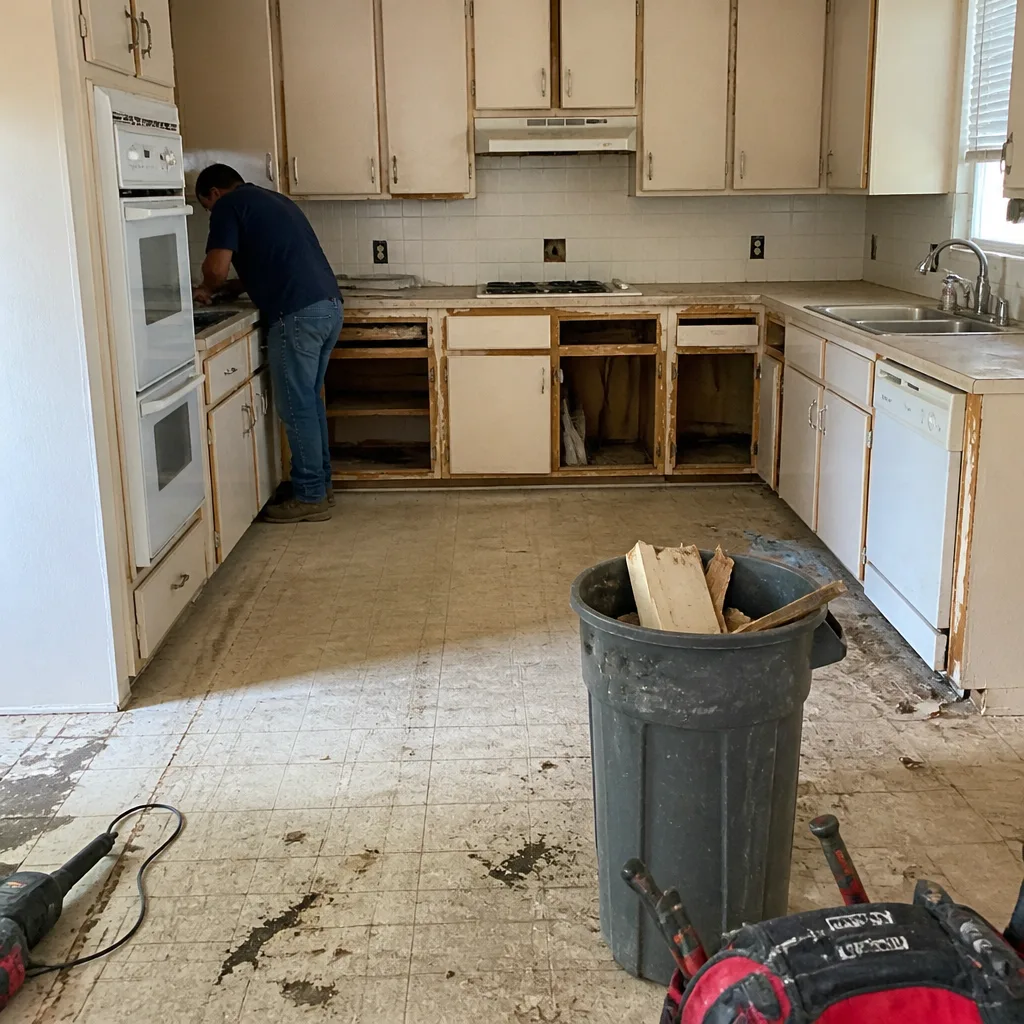 Before
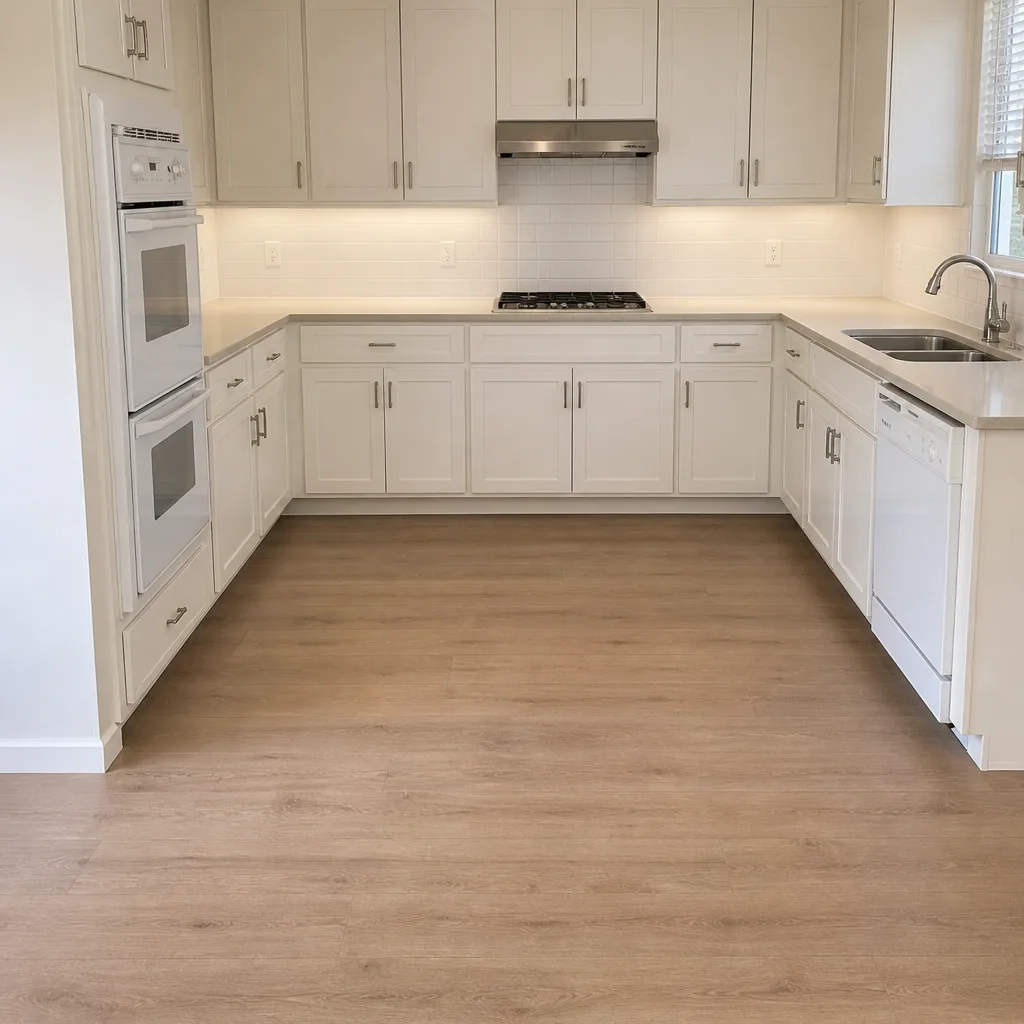 After
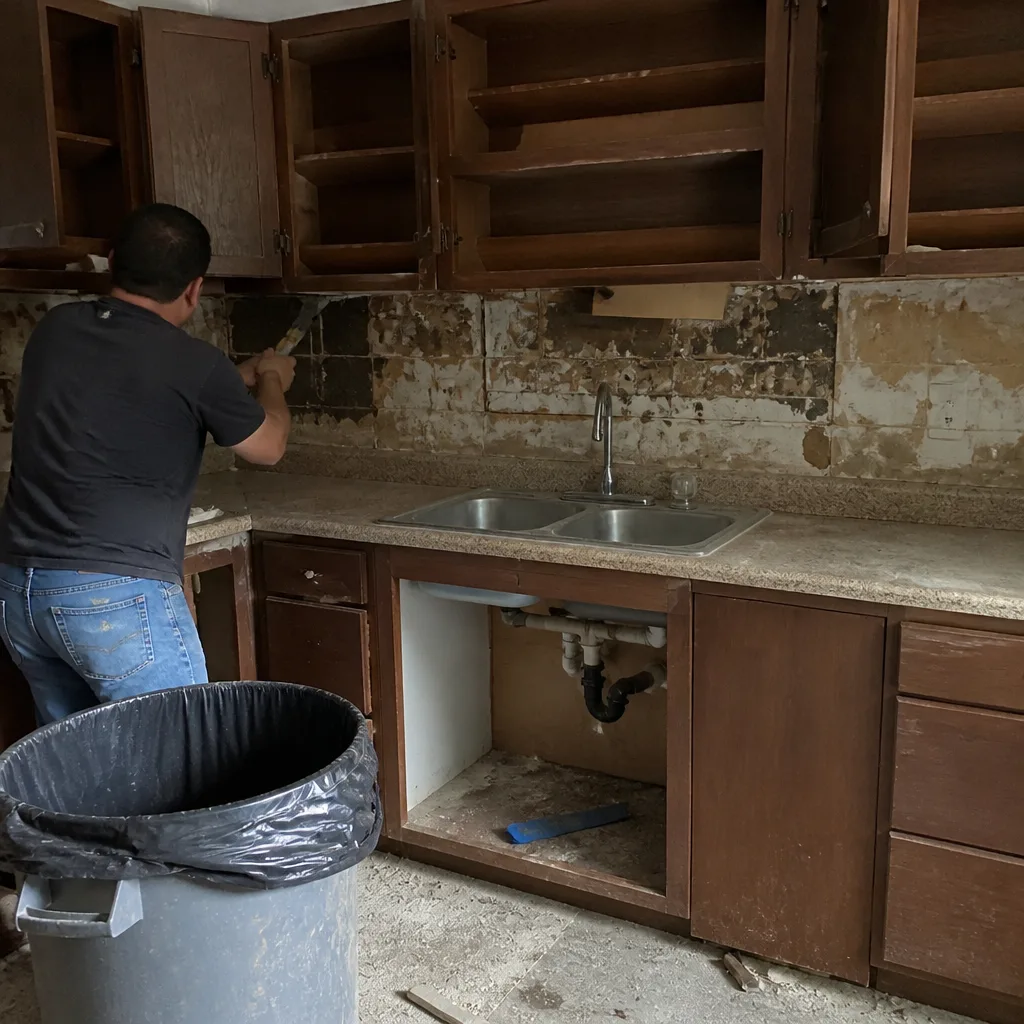 Before
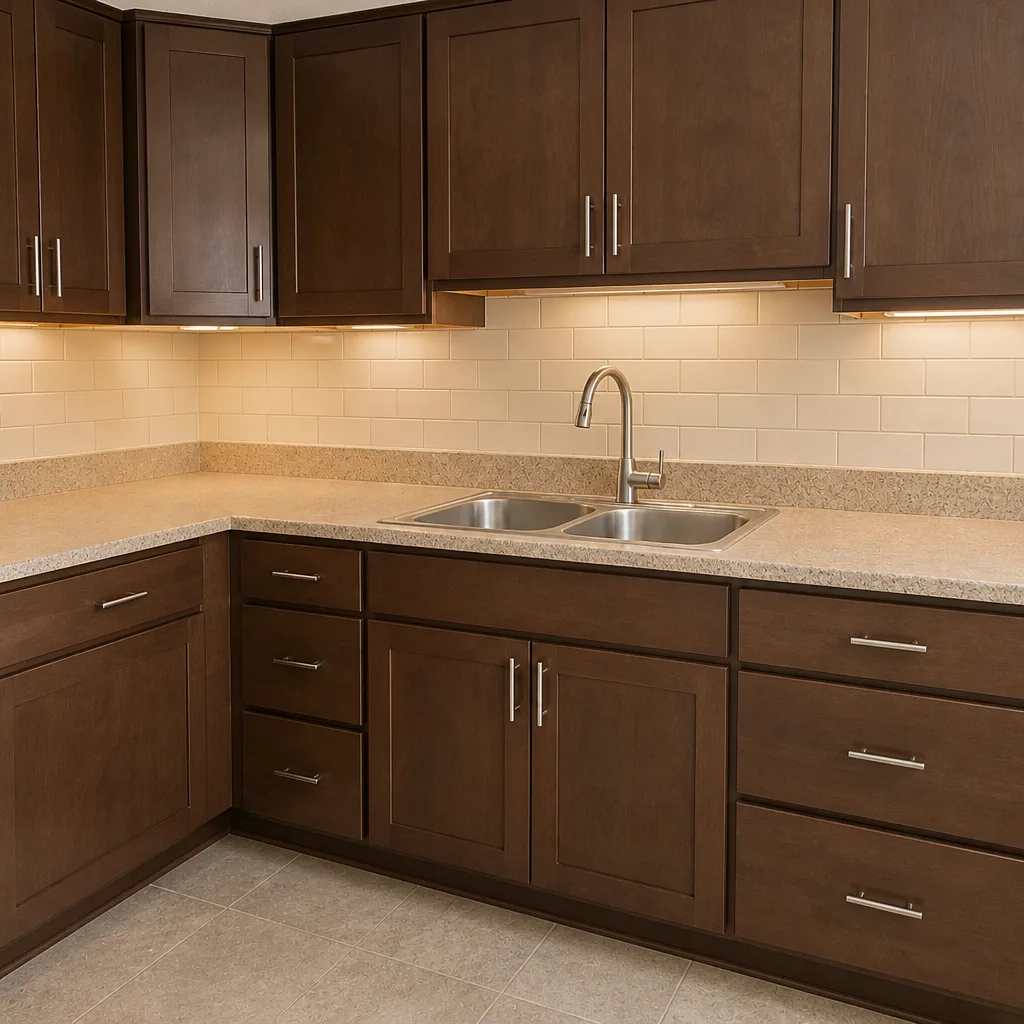 After
When to Call a Professional
Call a professional today if you notice any of the following: three or more rocking pavers in a cluster, a visible gap along the edge wider than half an inch, an edge restraint separating from the pavement, a diHydro problem that pools water within two feet of the garage or house, heaving next to a foundation wall, or a dip deeper than a half-inch anywhere in the field. Those are all structural signals that a base repair is unfolding. Call sooner, not later, if your driveway is over 15 years old or was installed in the last five years and shows symptoms on multiple sides at once.
Groundwork Construction Co. of Carrollton offers free estimates in Carrollton – call (844) 560-0925. A live person answers 24/7, our technicians arrive in uniform and background-checked, and every quote is upfront and line-item. If the driveway is structurally sound and just needs sand, we’ll tell you that too.
Frequently Asked Questions
The earliest signs are rocking pavers and sand washing out of the joints. A single rocking paver, or a little sand piled up near the edge after rain, is usually the first indicator that the base bedding is moving. Catch it at that point and repairs are usually under $500. Wait a full season and it’s often a section replacement. Call (844) 560-0925 for a free walkthrough if you spot either sign in Carrollton.
Normal weathering is cosmetic – color fading, tight joints, and occasional chipped corners on older pavers. Installation failure shows up as clusters of rocking pavers, widespread elevation inconsistency, washout along one section, or a ridge of tipping pavers. If several pavers in one area misbehave, it’s a base problem, not sun damage. Call (844) 560-0925 for a straight look at what you’re seeing.
In Carrollton, sand washout usually traces to a drainage problem, not just normal settling. When water runs across the surface instead of off it, it carves out the joints and can rinse the bedding layer. A driveway that should shed water in minutes is running it slowly or pooling somewhere – that’s the root cause. Our team can evaluate the slope and the edge restraint and quote a fix; call (844) 560-0925 for a free estimate.
A single rocking paver in isolation is often a minor repair and can wait briefly, but it’s never fully harmless. In Carrollton’s expansive clay soil, one rocking paver frequently means the base bedding under a small group has shifted, and the movement usually grows. If you notice a second one nearby, or any rocking at all after heavy rain, get it checked. Free estimates at (844) 560-0925.
Yes. Water that pools on a driveway or runs toward the house moves the expansive clay soil around it, and movement of that soil can damage the foundation. In Carrollton, driveways that don’t drain properly are one of the most common sources of foundation moisture issues. If you see standing water within two feet of the garage or any exterior wall, treat it as a foundation problem and get it looked at. Call (844) 560-0925 to schedule an evaluation.
A paver driveway installed to current standards with a properly compacted base, geotextile fabric, and a correctly set edge restraint typically lasts 30 to 40 years or more with routine re-sanding. Driveways installed with a shallow base or no edge restraint often show structural failure within five to ten years in Carrollton’s clay. The pavers themselves usually aren’t the limiting factor – the base and the edge are. If your driveway is showing more frequent problems, call (844) 560-0925 for a free assessment.
The Bottom Line
Paver driveways fail slowly, and the early signals are readable if you know what to look for. Rocking pavers, edge creep, sand washout, and ponding water are the four signs that matter in Carrollton’s soil and heat. A five-minute walk-through twice a year, a photo record in a phone, and routine re-sanding every few years will catch almost every problem while it’s still a few hundred dollars. Leave the warning signs ignored for a season and you’re looking at a section replacement instead of a spot repair. Catch the sign early, and you spend less and stay ahead. Then, when the work is done, it should be backed in writing – a driveway installed or repaired to a standard should come with a workmanship guarantee you can hold the contractor to, and ours is 730 days. Estimates are free, and our line is open around the clock. Call (844) 560-0925 to talk through what your driveway is showing you.
Written by the team at Groundwork Construction Co. of Carrollton.