Last updated November 18, 2026





Free written scope consultation - allowances, timeline, and change-order rules on paper before a single trade is scheduled
Construction Emergency Preparedness Guide for Carrollton Homes
When a Carrollton home’s foundation shifts after a drought-breaking rain event, the first call most homeowners make is to a foundation repair company. The first call they should make is to their insurance carrier, because the documentation window for a valid claim closes faster than most people realize. Carrollton sits on expansive clay soils that swell and shrink with every wet-dry cycle, and the Trinity Tributary system can push flash water into neighborhoods within an hour of a hard storm. This guide gives you a decision tree for the first 24 hours: what to photograph, who to call, what to leave alone, and how to tell a manageable incident from a catastrophic loss.
Quick Answer
In a construction emergency in Carrollton, protect life first, then document, then call your insurance carrier, then call a licensed contractor for the damage that’s genuinely unsafe. The first 24 hours decide whether a claim runs smoothly or gets denied, and most of that window is consumed by photos, timestamps and written records, not repairs. Structural damage from ice loading, foundation movement and water intrusion should be assessed by a licensed professional before anyone starts fixing anything.
Styles & brands we work with
- Kitchen remodeling
- Bathroom remodeling
- Home additions & ADU
- Roofing
- Windows & doors
- Driveway & pavers
- Fence
Table of Contents
- The First 24 Hours: A Priority Action Sequence
- The Four Emergencies Carrollton Homes Actually Face
- The Texas Documentation Protocol That Protects Your Claim
- Rapid Structural Safety Assessment Without Special Tools
- Emergency Triage: What Can’t Wait and What Can
- What Carrollton’s Emergency Services Will and Won’t Handle
- Pre-Season Preparation Checklist
- Choosing the Contractor Who Handles the Aftermath
The First 24 Hours: A Priority Action Sequence
Every construction emergency in Carrollton plays out on the same clock. The first six hours are about safety and evidence. The next eighteen are about decisions that you’ll live with for months. Get the order right and a bad night stays a bad night.
- Confirm everyone is out of danger. If you smell gas, see sagging ceilings, or hear structural creaking, leave the house and call 911 from outside. Don’t go back in for possessions.
- Stop the water if you can safely. Shut off the main water valve for a burst pipe. For storm water intrusion, move what you can to higher ground and skip anything that requires wading into a flooded space with outlets nearby.
- Photograph before you touch anything. Wide shots first, then close-ups. Include a coin or a tape measure for scale. Timestamp every photo by keeping your phone’s clock on automatic.
- Call your insurance carrier’s claims line the same day. Even if you don’t know yet whether you’ll file. Opening a claim reserves the window; a claim number today costs nothing and protects you if damage turns out worse than it looks.
- Write a timeline. Note when the storm hit, when you noticed the damage, and every call you make. A plain notebook works. Your adjuster will ask for this.
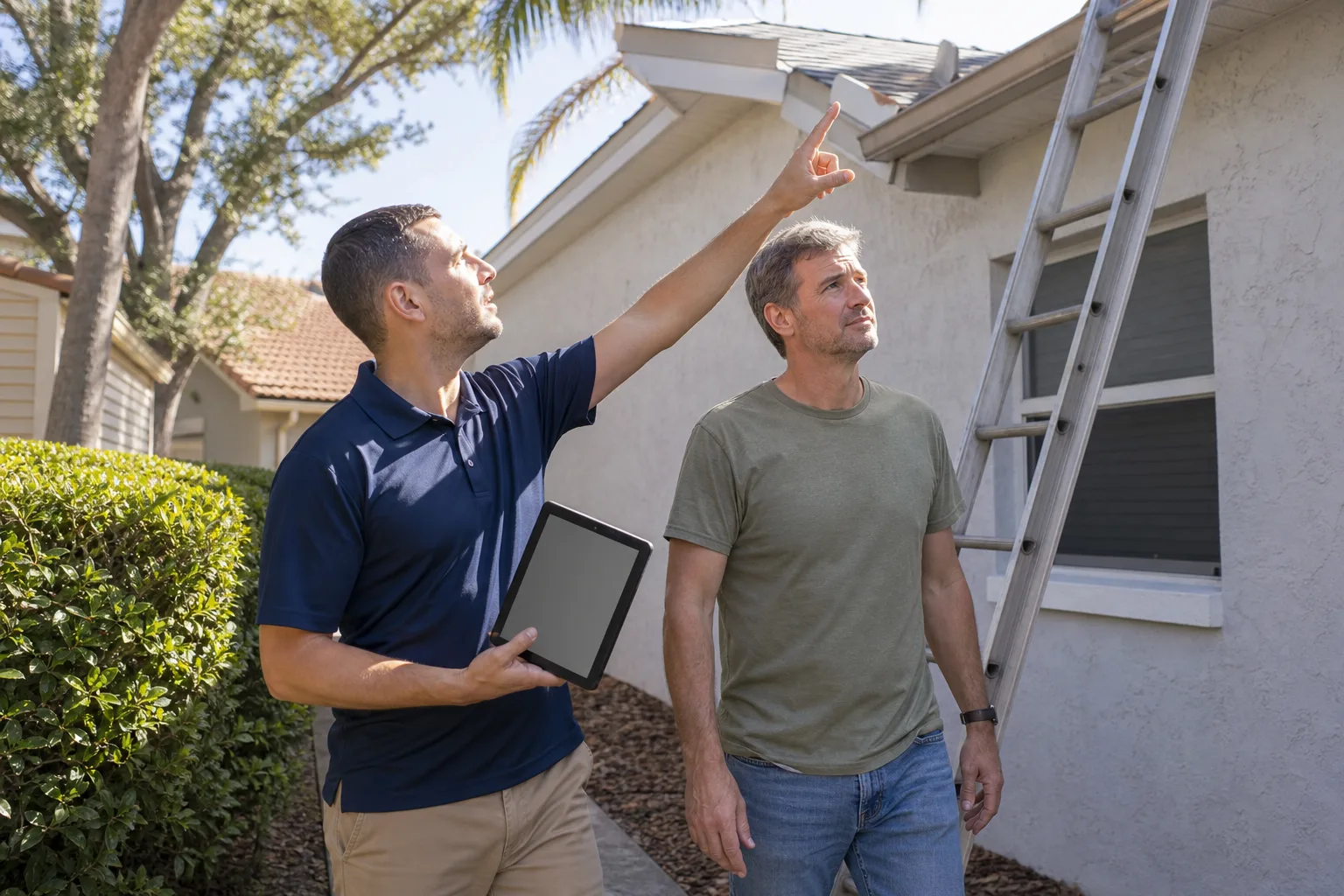
- Call a licensed contractor for a damage assessment on anything structural: roof, foundation, walls, retaining walls. This is the call where the Groundwork Construction Co. of Carrollton home team comes in, and it’s free.
The order matters because the insurance documentation window is measured in days, not weeks. Carrollton claims that stall almost always stall at the front end, before a contractor ever touches the house.
The Four Emergencies Carrollton Homes Actually Face
Not every region has the same emergencies. Carrollton’s combination of clay soil, flat terrain, and periodic ice events produces a specific set. Preparing for the wrong ones wastes effort.
Flash Flood Water Intrusion
Trinity Tributary feeder creeks and the low-lying streets around Rosemeade and Josey Ranch can take on water fast during a stalled spring storm. Water intrusion is the most common Carrollton construction emergency, and the damage compounds hourly: saturated drywall, wicking insulation, and mold colonization that starts within 48 to 72 hours in a closed-up Texas house. Priority action: shut off power to any wet circuit at the breaker, move furniture off wet flooring, photograph everything, then call your carrier and a restoration professional.
Post-Ice-Storm Roof and Structure Assessment
North Texas ice events load roofs unevenly, and the damage isn’t always visible from the ground. The thing that sends homeowners to the phone is a leak, but the more serious risk is a partially compromised roof deck or a cracked rafter that lets water in for weeks before anyone notices. Priority action: stay off the roof, photograph from the ground with a zoom lens, check the attic ceiling for staining, and get a licensed roofer out for a real assessment. Our technicians have up to 12 years of experience reading storm damage, and they know what to look for beyond the obvious.
Sudden Foundation Movement
Expansive clay plus a drought-to-deluge swing is the classic Carrollton foundation stress test. You’ll see it as diagonal cracks at window corners, doors that suddenly stick, or a gap opening at the brick veneer. Priority action: don’t patch the cracks yet. Photograph them with a dated ruler alongside, note whether the movement is recent, and call your insurance carrier before calling a foundation company. Foundation work is expensive and not always covered, so the documentation comes first.
Retaining Wall Failure
Retaining walls fail when saturated soil pushes past what the wall was built for. In Carrollton, that’s usually after a multi-day rain event on a slope-side property near a drainage channel. Priority action: keep people and vehicles away from the base of the wall, photograph the bulge or lean from a safe distance, and don’t try to shore it up yourself. A failing wall can move suddenly.
If your emergency points toward a rebuild rather than a repair, the scope expands into planned construction. That’s where Home Additions & ADU in Carrollton planning comes in, and it’s a different conversation from the emergency call.
The Texas Documentation Protocol That Protects Your Claim
Texas homeowners insurance policies differ, but the claim documentation standard is consistent: carriers want contemporaneous, dated, specific records. Fuzzy phone photos taken a week later are the single biggest reason claims get trimmed or denied. This protocol takes about twenty minutes and protects the claim from the first hour.
- Photograph wide, then close. Every damage area gets a wide shot that shows the room and a close-up that shows the actual damage. Scale reference helps: a coin, a ruler, a hand.
- Timestamp everything. Set your phone camera to embed time and location. If your phone won’t do that, narrate the date and time in a short video instead.
- Video walkthroughs. One continuous video walking the whole house, narrating what you see, is worth more than fifty still photos to an adjuster. Do it before cleanup.
- Written inventory. List damaged items, replacement cost estimates, and where each was. Keep receipts for anything you buy related to the damage.
- Save every communication. Emails, texts, claim numbers, adjuster names. A paper folder works fine.
- Don’t discard damaged material until your adjuster has seen it. Tarp and contain the area, but hold the wet drywall, the cracked brick, the broken shingles.
One detail Carrollton homeowners get wrong: they call the repair company first, get the damage fixed, and then find out the carrier needed to see it. Fix nothing before the carrier or an adjuster has documented the loss, unless the fix is temporary protection from further damage. Temporary mitigation (tarps, boarding, shutting off water) is normally covered and should be done; permanent repair is not.
Rapid Structural Safety Assessment Without Special Tools
You aren’t trained to certify a structure, and we don’t ask you to. What you can do is read visible indicators and make a stay-or-leave call. Here’s the honest test.
Leave the house and call 911 if you see any of these:
- A ceiling that’s sagging or bulging, especially if it’s holding water
- New diagonal cracks in drywall wider than a quarter inch, or any crack that’s actively widening
- Doors or windows that suddenly won’t open, or a door that slams itself
- Brick or siding pulling away from the wall
- A chimney that’s leaning, cracked, or has separated from the roofline
- Water flowing where it shouldn’t from a structural member (a wall, a ceiling, a beam)
- Any smell of gas, or the sound of rushing water you can’t locate
Stay, secure, and call a professional during business hours if you see:
- Cosmetic cracking in paint or drywall under a sixteenth of an inch
- A slow drip from a ceiling that’s within a foot of a sink or a wet area
- Wind-blown shingles missing from a roof area you can see from the ground
- A fence panel down, a gate off its hinges, or a gutter pulled loose
The visible indicators matter less than the trend. A stable crack that’s been there for years is a different situation from a crack that appeared on Tuesday and got wider by Thursday. Photograph, measure, compare, and let a licensed contractor make the structural call. Never ignore a structural member that’s clearly compromised, and never climb on a damaged roof to check it yourself. Falls are the single most common serious injury after storms.
Emergency Triage: What Can’t Wait and What Can
The expensive mistake in a construction emergency is misclassification. Homeowners who panic-repair everything spend too much and lose their claim. Homeowners who wait on the wrong thing turn a fixable incident into a catastrophic loss. Here’s the clean split.
Needs a licensed contractor response the same day:
- Active water intrusion into living space
- Compromised roof area open to the weather, or a hole in the roof envelope
- Structural movement you can see changing hour to hour
- Electrical damage, flooded outlets, or a wet panel
- A retaining wall that’s failing near a walkway, driveway or house
- Anything a contractor needs to stabilize and tarp before the next weather system
Can wait for a standard business-day call:
- Cosmetic damage that doesn’t affect water tightness, structure or safety
- Downed fence panels, pulled gutters, and detached downspouts
- Driveway and paver surface cracking that’s stable
- Window screen damage or a broken pane that isn’t letting water in
- Non-urgent foundation monitoring after a visual inspection shows stable cracking
The risk runs both ways. Calling for a stable driveway crack wastes a service slot, and it delays the response for a homeowner with water pouring through a ceiling. Waiting on a soft spot in a roof deck lets water into the attic for weeks and turns a two-thousand-dollar repair into a full roof replacement. When the classification is genuinely uncertain, call it in. A free assessment settles the question faster than a week of watching.
Exterior damage that isn’t an emergency usually fits neatly into a planned project. Driveway & Pavers in Carrollton and Fence Installation in Carrollton both routinely absorb storm damage that didn’t quite qualify as urgent, and doing them right the first time is cheaper than doing them twice.
What Carrollton’s Emergency Services Will and Won’t Handle
This is the section most homeowners learn the hard way. The City of Carrollton, Dallas County, and Denton County share jurisdiction here, and the boundary between public and private responsibility isn’t obvious. Get it wrong and you lose days waiting for a response that isn’t coming.
What Carrollton emergency services will handle:
- Public street flooding and blocked public storm drains
- Downed trees blocking a public right-of-way
- Damage to public sidewalks, curb and gutter, and public infrastructure
- Downed power lines (call the utility, not 911, unless someone is injured)
- Active fire, gas leak, or life safety event
What Carrollton emergency services won’t handle:
- Water intrusion into your home from your own drainage system
- Drainage failures on private property, including grading and swales
- Damage to your driveway, fence, or landscaping
- Roof damage, foundation movement, or structural damage
- Repair of anything past the right-of-way line
If a blocked public drain is flooding your street, call the city and report it. If water is entering through your foundation or pooling at your back door because of grading, that’s a private property issue and the city will route you to a contractor. Make the call, but don’t wait on it. Photograph what’s happening, then call your carrier and a licensed contractor. Being clear about jurisdiction saves you the frustration of watching a crew fix the street while your basement takes on water.
Pre-Season Preparation Checklist
The best time to prepare for a construction emergency is when nothing is wrong. These steps take an afternoon and shorten the recovery time from days to hours.
- Locate and label your main water shutoff. Show every adult in the house. In a burst pipe event, the difference between a wet carpet and a flooded floor is thirty seconds.
- Photograph the whole house now. Every room, every closet, the attic, the exterior. Keep the photos in cloud storage. Two years from now, this is proof of pre-loss condition.
- Keep your insurance documents in one place. Policy number, carrier claims line, and a written inventory of valuables. Store a copy off-site.
- Clear your gutters and check your grading before spring. Carrollton’s flat terrain moves water slowly. Gutters that dump against the foundation are the most common water intrusion cause we see.
- Trim branches that overhang your roof. Ice-loaded branches are the second most common cause of roof damage in North Texas.
- Have a licensed contractor look at your roof and foundation once before storm season. Most problems that turn into emergencies were visible months earlier.
- Know your drainage. Know where your property drains and check it after the first hard rain. If water pools where it didn’t last year, that’s a grading issue worth addressing before it’s a foundation issue.
One more thing: build a relationship with a contractor before you need one. When a storm hits Carrollton, everyone good is booked solid, and the homeowners who get priority are the ones who already have a working relationship. That’s part of why we offer Home Additions & ADU in Carrollton planning consults as well as emergency assessments. A conversation about your house now means a faster response later.
Choosing the Contractor Who Handles the Aftermath
Emergency repair is where bad contractors find their customers. Storm work attracts out-of-state crews, unlicensed operators, and high-pressure door-knockers. The right contractor for Carrollton work has some specific traits worth verifying before you sign anything.
What to verify before you hire:
- State license and insurance, in writing, before work begins
- Written scope and pricing, line by line, with no change orders for promised work
- Background-checked crews arriving in uniform, not unmarked vans
- A written workmanship guarantee you can read and understand
- A local reputation and a verifiable project portfolio
- Material brands you know: GAF or Owens Corning on a roof, CertainTeed or James Hardie on the exterior
We built Groundwork Construction Co. of Carrollton around the opposite of the storm-chasing model. The 730-Day Done Right Promise covers craftsmanship for two full years from completion, one of the longest workmanship guarantees in residential construction. Backed by industry brand partners and an upfront pricing model where the number we quote is the number you pay, the repair either gets done right or we make it right. Calls are answered by a live person, 24/7, so an emergency call at 2 a.m. gets a real human and a plan.
Common Mistakes to Avoid
- Hiring the door-knocker. Out-of-state crews often show up after a Carrollton ice storm or flood event, do quick work, and vanish before the warranty window closes. Verify a local reputation and a written guarantee every time.
- Repairing before documenting. Fixing the damage before your adjuster sees it is the fastest way to lose a claim. Photograph first, repair second.
- Assuming the city will handle drainage on your lot. The City of Carrollton handles public right-of-way, not private grading. Homeowners who wait on the city lose days they don’t get back.
- Treating a foundation crack with a cosmetic patch. A retail caulk job doesn’t stop a moving foundation. If the crack is widening, the cause needs a licensed assessment.
- Climbing on a damaged roof after a storm. Falls cause more serious injuries in storm cleanup than the storms do. Stay on the ground and photograph with a zoom lens.
- Ignoring the second storm. The real damage in a North Texas ice event is usually the follow-up rain on a temporarily exposed structure. Tarp first, permanently repair after the adjuster sees it.
- Waiting to call in a real emergency, then calling everyone for cosmetic damage. Clogged phone lines and priority lists hurt both the homeowner with a wet ceiling and the one with a stable driveway crack.
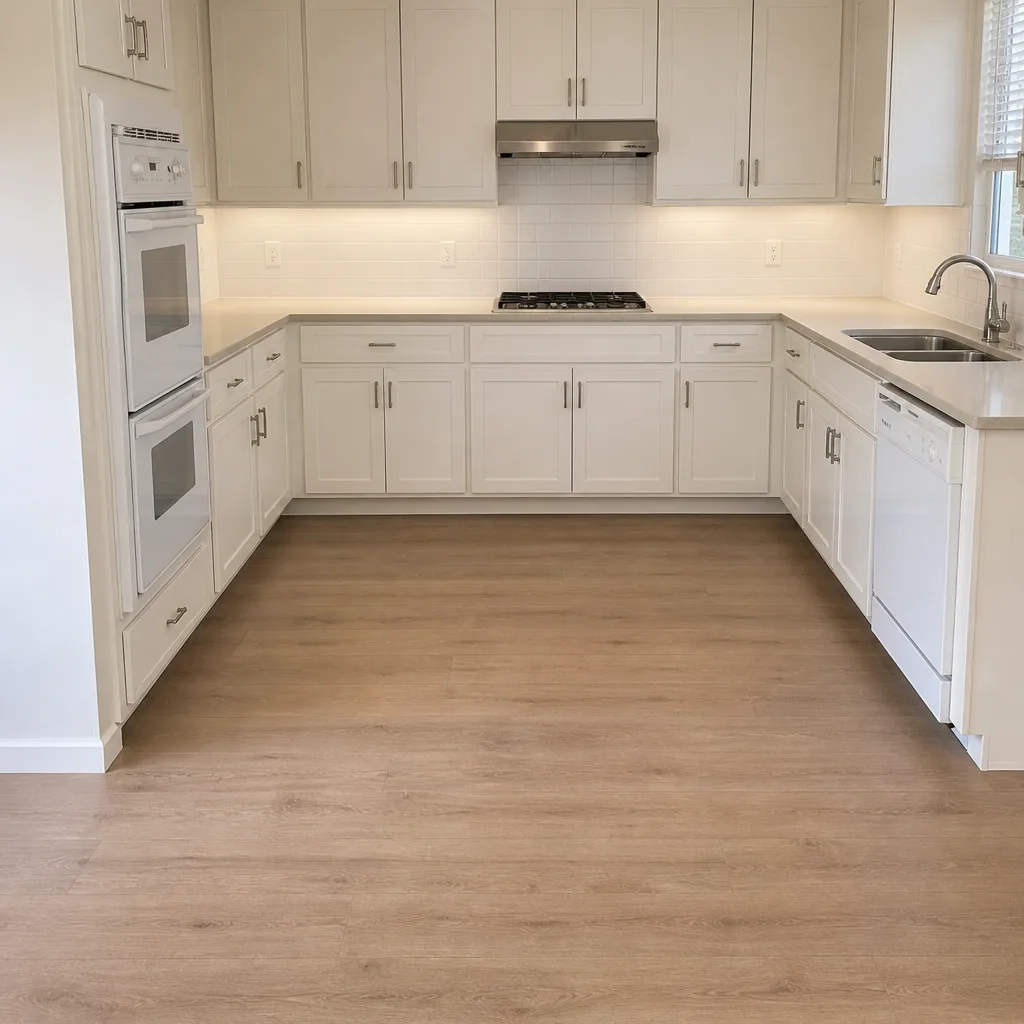
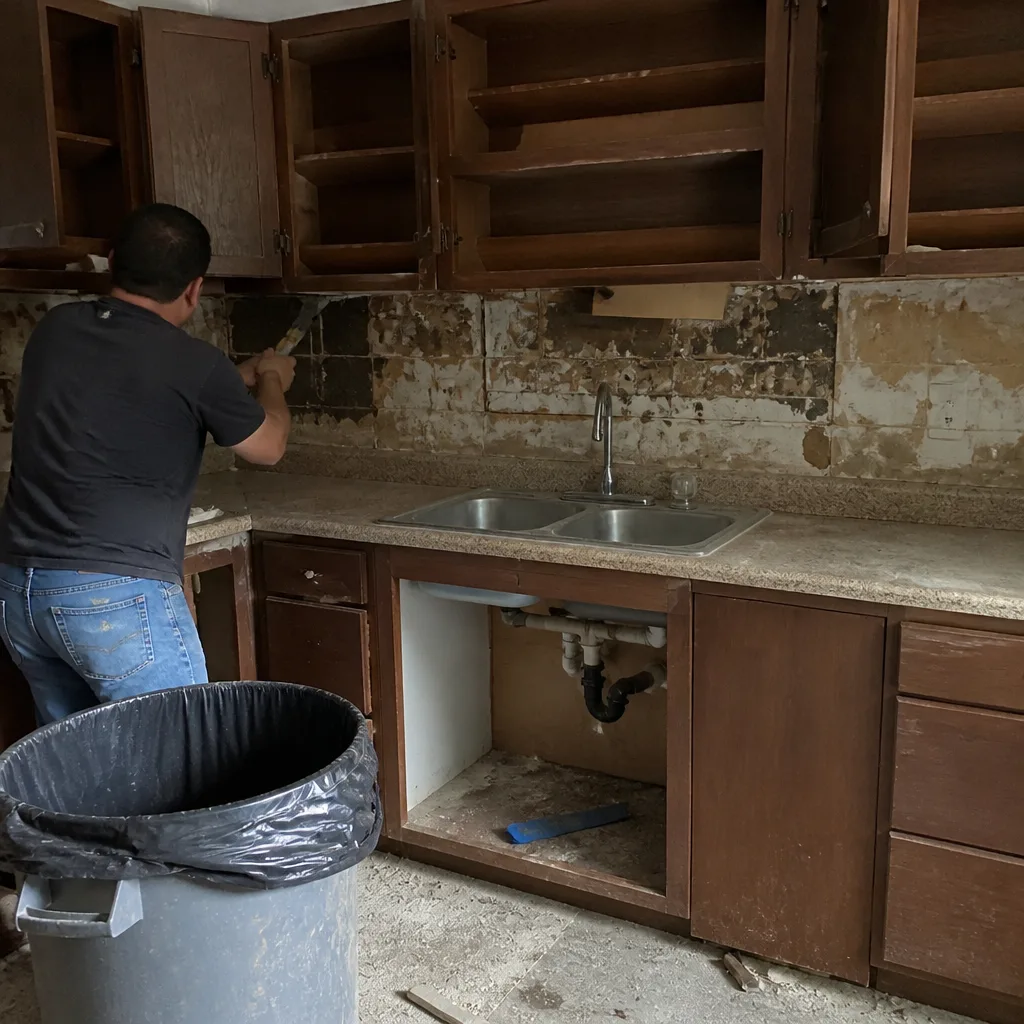
See the difference
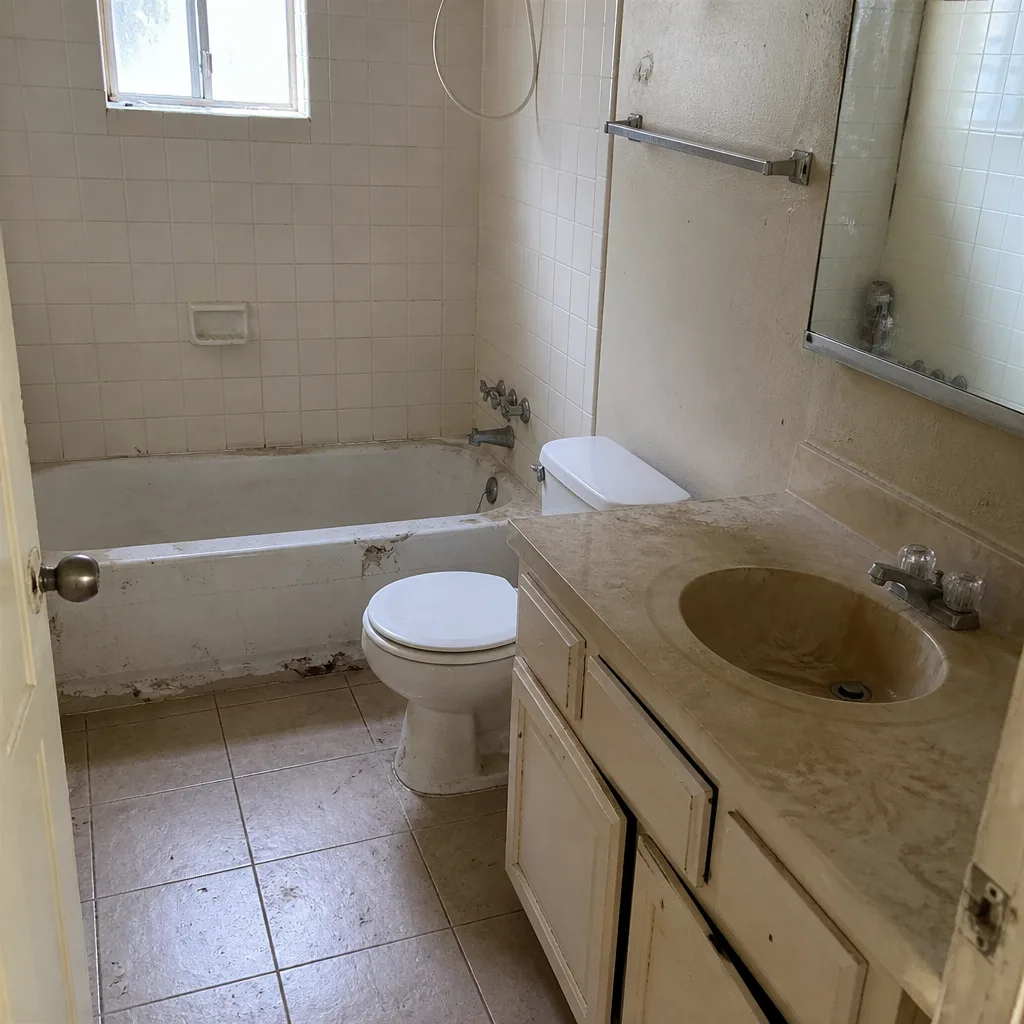 Before
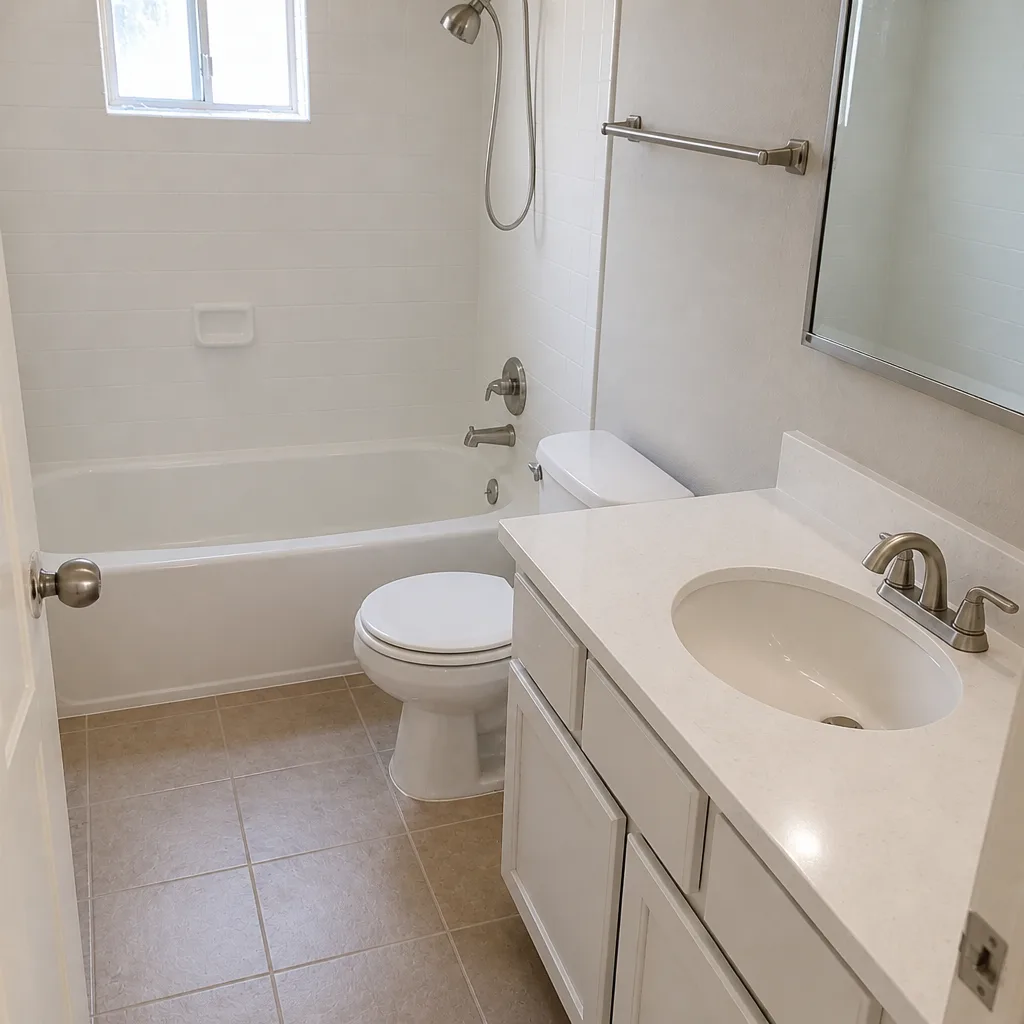 After
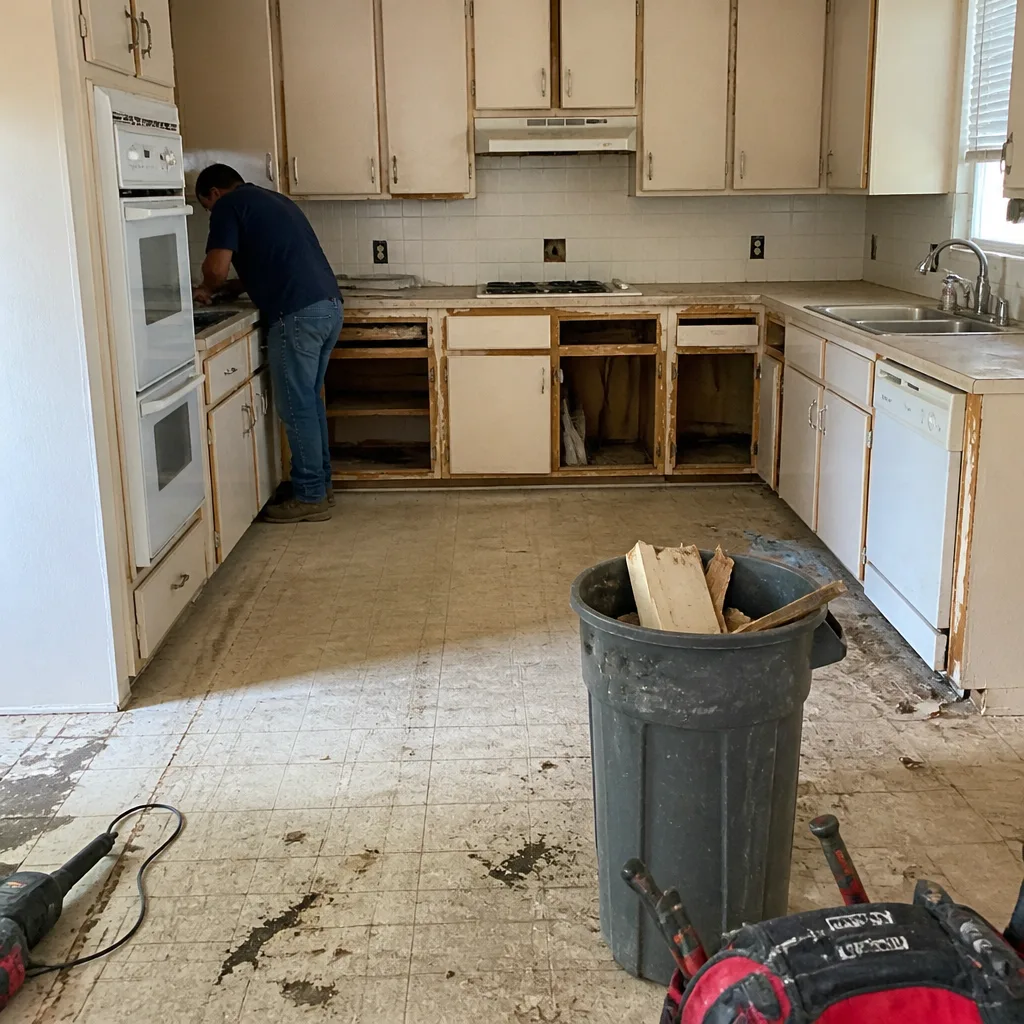 Before
 After
 Before
 After
When to Call a Professional
Call a licensed contractor the same day for any active water intrusion, any structural movement you can see, any roof opening to the weather, any electrical issue below the water line, and any retaining wall that’s leaning or bulging. Call during business hours for cosmetic damage, downed fences, and driveway or paver cracking that’s stable. Groundwork Construction Co. of Carrollton offers free estimates in Carrollton, and we pull permits and pass inspections on every project that requires one. If it’s genuinely an emergency and you’re not sure, pick up the phone. A five-minute call settles the classification before it becomes a bigger problem.
Groundwork Construction Co. of Carrollton brings a curated set of brand partners and the 730-Day Done Right Promise to every repair and rebuild. Background-checked, uniformed technicians arrive on every job, upfront pricing means the number you see is the number you pay, and 0% financing for 18 months with $1,000 off projects over $10,000 makes the rebuild decision easier when the emergency is over.
Frequently Asked Questions
Call your insurance carrier first to open a claim, then call a licensed contractor for a free assessment. The carrier needs to document the loss before repairs begin, and opening a claim early protects your window. A contractor’s assessment helps you and the adjuster scope the work accurately, and it doesn’t cost anything to get one.
Texas doesn’t have a single hard deadline for every policy, but most carriers expect prompt notice, and practical evidence disappears within days as cleanup begins and moisture sets in. File within the first few days, and photograph everything before touching it. If you’re unsure whether you’re filing, call your carrier’s claims line anyway. It’s free to open a claim, and it prevents a denied one later.
The city handles public street flooding, blocked public storm drains, and right-of-way damage. Drainage on private property, including grading, swales and water inside your home, is your responsibility. Report public issues to the city, then call your carrier and a licensed contractor for the private side.
A hairline crack that stays the same is not an emergency; a crack that widens within days usually is. Photograph it with a dated reference, measure it, and re-check in a week. If it’s growing, call a licensed contractor for an assessment. Diagonal cracks at window corners are the ones to watch most closely in Carrollton’s clay soil.
Some exterior cleanup is safe to do yourself, but roof work, structural work, electrical work, and any repair above the ground floor should go to a licensed professional. The injury risk on roof work is high, and most insurance carriers require licensed work for anything structural. DIY shortcuts also jeopardize the coverage on the repaired area.
Groundwork Construction Co. of Carrollton offers free estimates and free assessments for homeowners. That includes a written scope and a line-item quote with no surprises once work begins. Most assessments are scheduled within a standard business-day window, and our priority is a real answer, not a sales pitch.
The Bottom Line
Construction emergencies in Carrollton follow a predictable pattern: a fast-moving event, a documentation window measured in hours, and a set of decisions that either protect or destroy the insurance claim. Protect life first. Photograph and timestamp everything before touching it. Open the claim the day of the event. Keep public and private responsibility straight. Call a licensed contractor for anything structural, and don’t wait on cosmetic damage that won’t get better on its own. The 730-Day Done Right Promise, live person on the phone 24/7, and upfront pricing exist so the recovery after the emergency is straightforward. A bad night should stay a bad night.
Contact

If your Carrollton home just took on damage and you’re not sure what’s an emergency and what can wait, call Groundwork Construction Co. of Carrollton at (844) 560-0925 for a free estimate and a straight answer. A live person answers, 24 hours a day. We’ll help you triage the situation, document what matters, and start the repair on terms you can actually plan around.
Written by the team at Groundwork Construction Co. of Carrollton.