


Free written scope consultation - allowances, timeline, and change-order rules on paper before a single trade is scheduled
Chain Link Fence in Plano, TX: What It Costs and How Approvals Work
Chain link fence in Plano, TX typically runs $3,500 – $9,000, and the small stuff gets decided before anyone digs: line location, height, gate placement, and whether your HOA puts a chain link fence anywhere near the front of the lot. Most residential jobs are two days of fence work plus an inspection, but in built-out Plano the approval step can add time you don’t control. Call (844) 560-0925 and we’ll walk your lot, talk setback and finish options, and get a written estimate out to you.
How We Run a Chain Link Fence Job, Stage by Stage
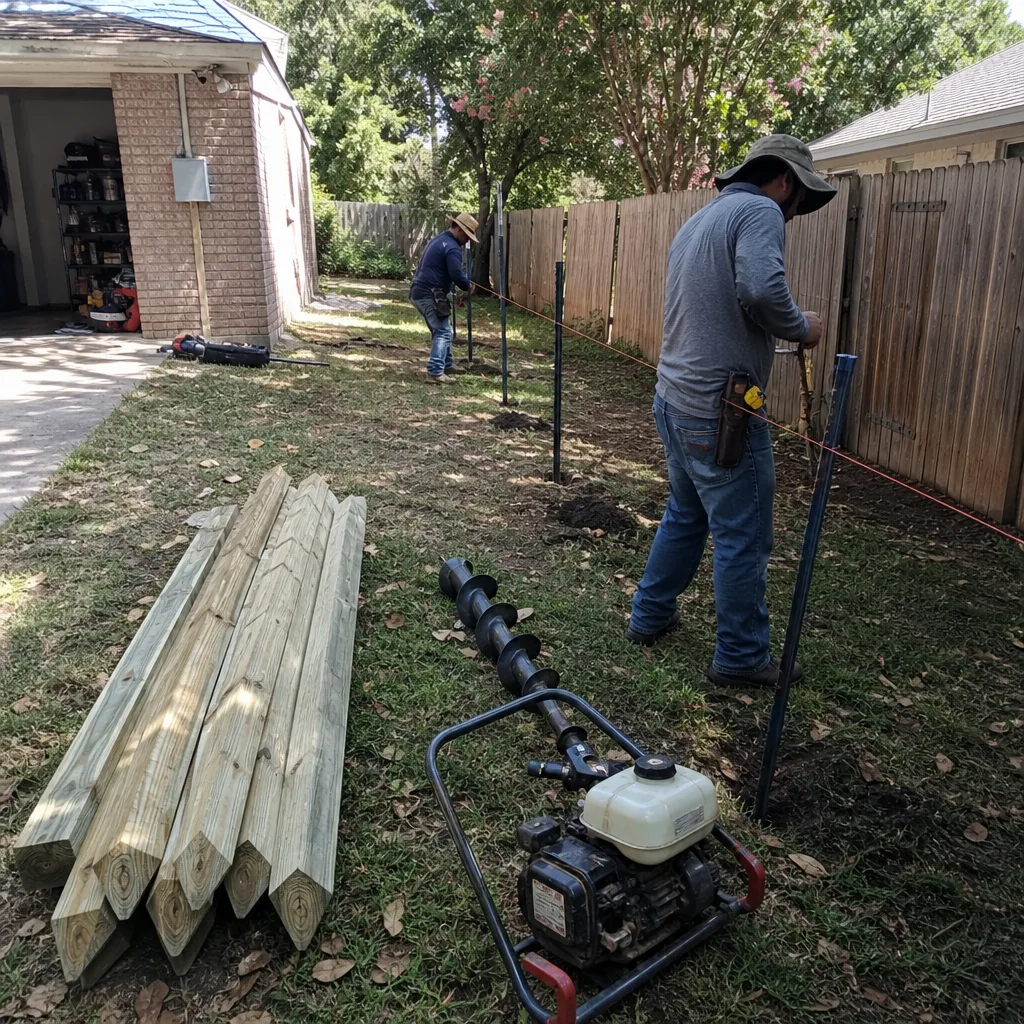
The timeline matters more than the pitch, so here’s the actual sequence. A standard residential run in Plano moves in five stages, and you make one decision at each.
1. Site visit and a survey of what’s already there
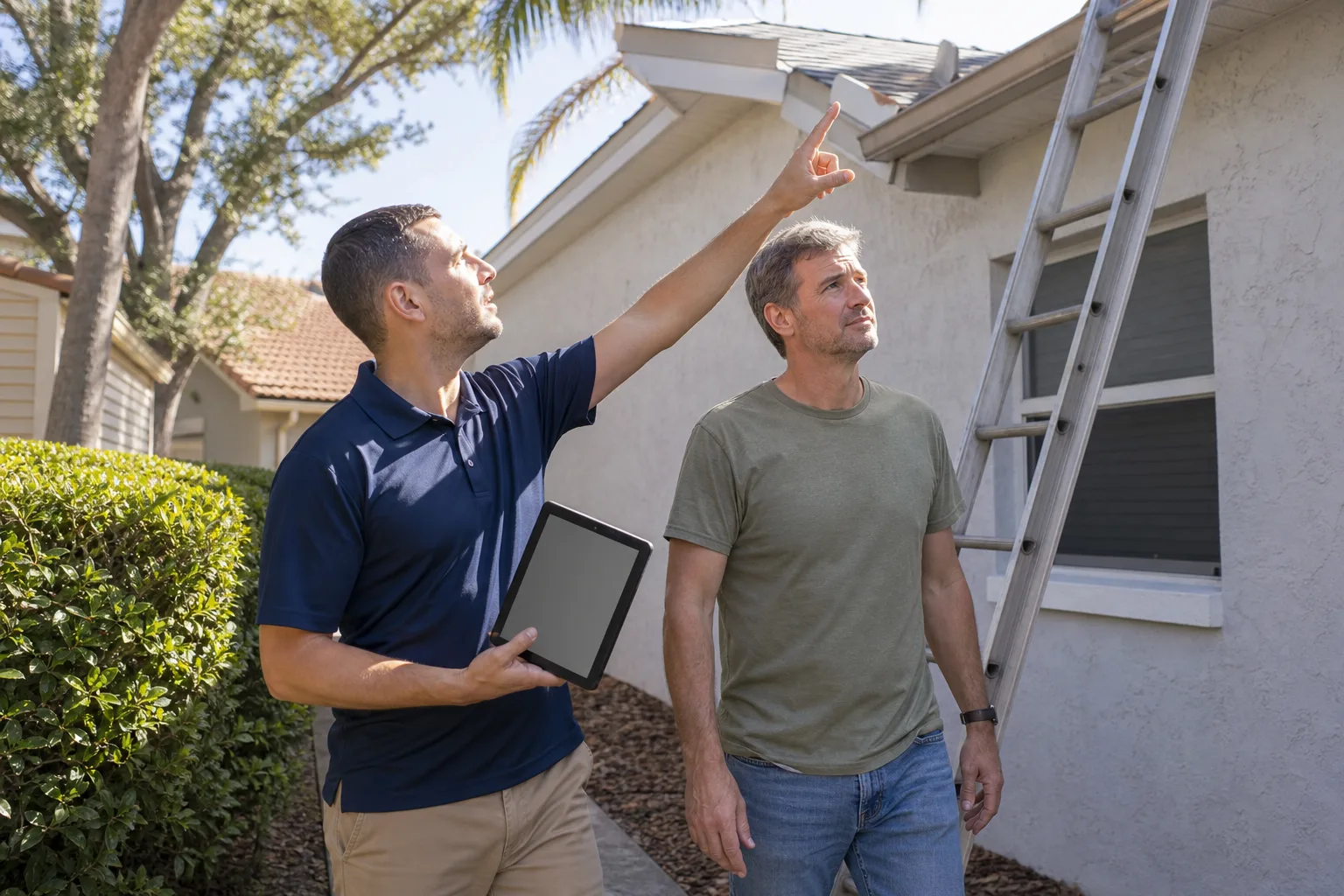
We walk the property, find existing property pins or a prior survey, and mark the proposed line. If there’s an old fence, we look at post footings, root damage from the mature oaks and pecans that shade half the older lots, and drainage paths. You decide whether the new line matches the old one or shifts. Any shift worth more than a few inches means talking to your neighbor and, in an HOA community, your board before we touch a shovel.
2. HOA and city check before materials are ordered
Plano’s own permitting and inspection process runs alongside HOA architectural review, and both layers want to see a drawing before they sign off. We prepare the line drawing and material description you’ll submit. Most Plano HOAs accept a standard galvanized or vinyl-clad chain link as a rear or side-yard fence and push back on anything visible from the street. You decide the finish here, because a color change is the most common rejection trigger.
3. Marking and utility locate
Before any digging, utility locates get called. This is not a step to skip in Plano. Lots here sit on black-clay soil, and services run at depths that vary from lot to lot after decades of settling and repairs. Once the locates are back, we mark post spacing on the ground with string and paint so you can see the gate swing and the corner placement before the first post hole.
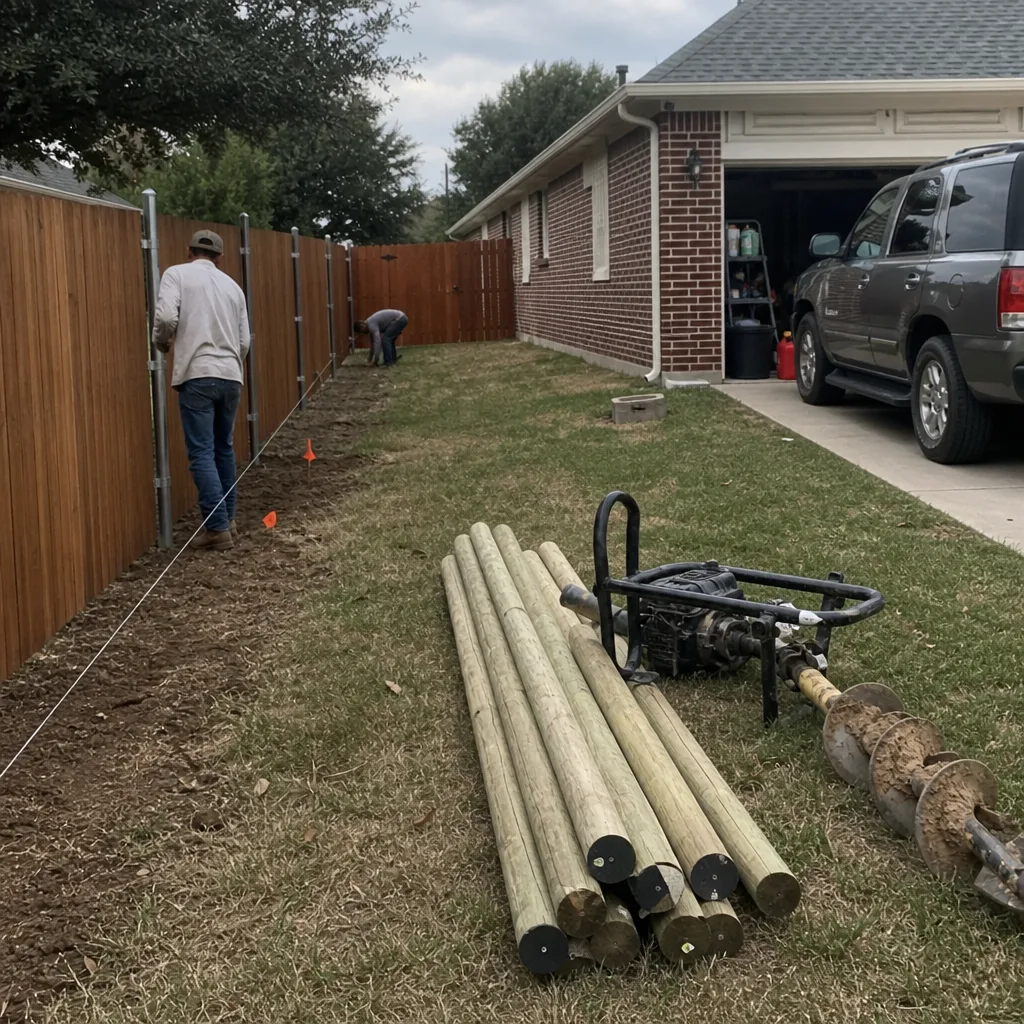
4. Installation: holes, posts, framework, fabric
A typical residential run is a day for posts and framework and most of a second day for fabric, gates, and tensioning. Post holes get set in concrete and allowed to cure. If your soil is the expansive clay common across Plano, post depth and concrete volume matter more than on looser ground; a post set too shallow will lean within two summers. You pick gate hardware and any finish coat on day one, before the concrete sets.
5. Inspection, walkthrough, and the punch list
City inspection happens after install. We walk the fence line with you before we leave: tension at the corners, gate latch alignment, cut ends, and how the bottom of the fabric meets grade. Anything on the punch list gets fixed before final. Your workmanship coverage is the 730-Day Done Right Promise, and if something isn’t done right, we make it right.
Styles & brands we work with
- Kitchen remodeling
- Bathroom remodeling
- Home additions & ADU
- Roofing
- Windows & doors
- Driveway & pavers
- Fence
The Options You’ll Choose Between on a Chain Link Fence
Chain link looks simple from the street. The choices underneath are what separate a fence that lasts fifteen years from one that sags in five. Here’s what you’re actually picking between.
- Gauge and wire weight. Standard residential fabric runs 11.5 to 12.5 gauge. Heavier wire costs more up front and resists hail bruising and dog pressure far better. On Plano lots with spring hail exposure, the heavier fabric is the honest recommendation.
- Post and rail steel. Lightweight 1 3/8-inch line posts suit short runs. Thicker 2 3/8-inch posts and heavier top rails are worth the upcharge on runs over 100 feet or any fence catching west sun and wind.
- Finish options. Bare galvanized is the value pick and holds up well. Vinyl-clad or powder-coated colors cost more and often satisfy an HOA that wants a black or green fence instead of bright metal.
- Height and style. Four-foot is typical for keeping pets in. Five- or six-foot gets you privacy and is standard pool code, and many Plano HOAs cap height near the front.
- Gates and hardware. Walk gates, double drive gates, self-closing hinges, and drop rods for grades. A slope gate with a good drop rod is the difference between a gate that works and one you fight.
- Terminations and top style. Top rail with loop caps, or tension wire and no rail. Tension wire is cheaper and keeps the top cleaner on uneven ground.
What Chain Link Fence Costs in Plano, TX
For a standard residential chain link fence, Plano homeowners see $3,500 – $9,000. That range covers most yards. A short side-yard run with a single walk gate sits near the bottom. A full perimeter with a double drive gate, heavier steel, and a color finish lands at the top.
Five things move the number:
- Linear footage. The biggest driver. Cost tracks the run length, not the square footage of the yard.
- Existing fence removal. Tearing out and hauling an old fence, including concrete-encased posts, is a real line item.
- Gates. Each hinged gate adds hardware, bracing, and labor. A double drive gate costs noticeably more than a walk gate.
- Steel and wire grade. Heavier gauge and larger post diameter push the total up but extend the fence’s life.
- Site conditions. Slopes, root-choked lines, and tight lots with limited staging add labor. Where easement or HOA setback limits where posts can go, expect more engineering time.
Your written estimate should list linear footage, post spacing, wire gauge, gate count, removal, and any finish work, itemized. What it won’t include is the HOA submission fee or city permit cost, unless we’ve scoped those in. Ask for them in writing. Upfront pricing, no surprises: the number you see is the number you pay.
See the difference
 Before
 After
 Before
 After
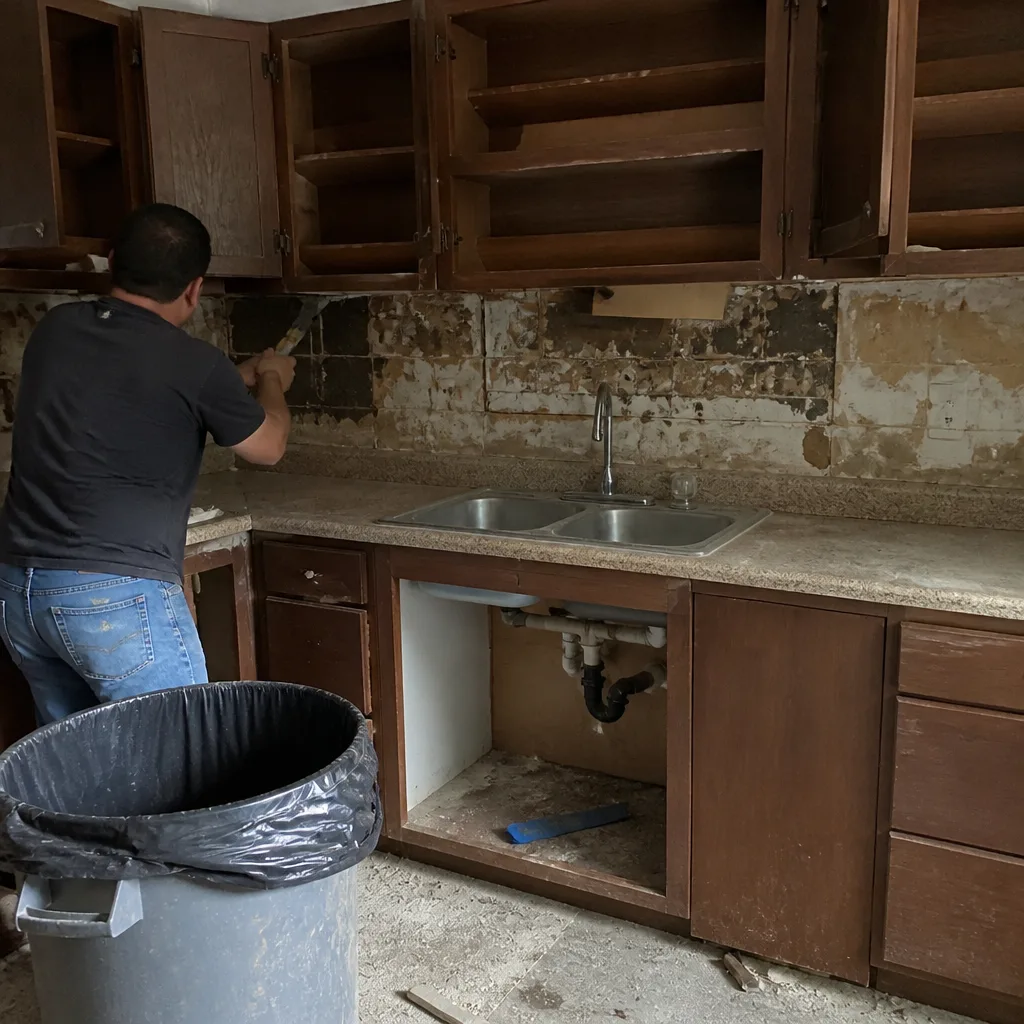 Before
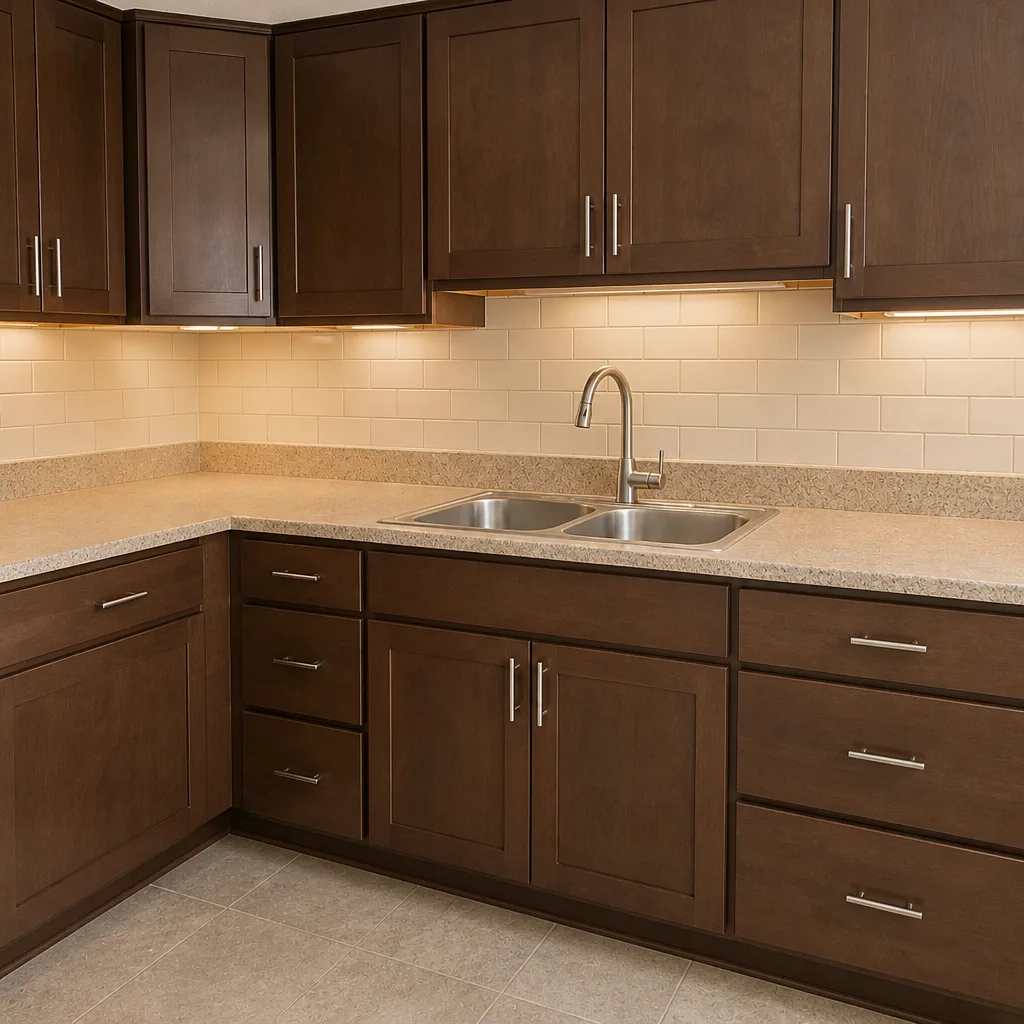 After
What Plano Homes Specifically Do to a Chain Link Fence Job
Plano is mostly built out. The work here is renovation and replacement, not greenfield building, and that changes everything about a fence project. Older subdivisions around the 75023 and 75075 neighborhoods have mature trees and tight lot lines, which means post lines get routed around root systems and staging squeezes into a side yard. In the newer 1990s and 2000s builds out toward 75024 and 75093, you get fewer tree conflicts but more HOA review and setback scrutiny.
The soil is the other constant. North Texas black clay shrinks and swells with the seasons, and it moves posts. We’ve seen plenty of fences in Plano leaning after a dry summer because the footings were undersized for the clay. Set depth and concrete volume are not where to save money. Add the spring hail season, and heavier wire fabric pays for itself. Every chain link fence project in Plano also runs through both the city’s permitting and inspection process and HOA architectural review, a dual layer that nearby cities don’t impose the same way. If your fence is one piece of a larger yard rebuild, that wider scope belongs on our Fence Installation in Plano page, where we cover the full range of fence types and layouts.
Serving Plano, TX – Our Local Coverage Area
We serve Plano and nearby communities. Use the map below to see the area we cover. If you’re nearby, we can almost certainly help.
Frequently Asked Questions: Chain Link Fence in Plano
Most residential runs take two to three days of install, plus the city inspection and any HOA review time, which varies by community. Post and framework day is typically first, fabric and gates second, then inspection. Call (844) 560-0925 for a real timeline on your lot.
Yes, most chain link fence jobs in Plano go through a city permit and inspection and, if you live in an HOA community, architectural review as well. We prepare the line drawing and material description for both. Approvals move faster when you haven’t already built the fence.
Usually yes. A standard chain link install posts at the fence line and doesn’t require regrading or tearing out plantings. Mature trees near the line are the main obstacle and get routed around. If a full rebuild is part of a larger addition, homeowners often pair this with ADU Site Prep & Utilities in Plano, where utility locates and site work get handled together.
Residential chain link fencing in Plano runs $3,500 – $9,000 for a standard job. Shorter runs land near the low end; full perimeters with drive gates and higher-grade steel sit at the top. Call (844) 560-0925 for an exact quote, and the estimate is free.
Workmanship is covered by our 730-Day Done Right Promise, and material warranties depend on the manufacturer and finish you choose. If something fails early, we make it right. Call (844) 560-0925 and we’ll confirm the exact coverage on your line item, in writing, before any work starts.
Get a Free Estimate for Your Chain Link Fence in Plano
If you’re weighing a chain link fence in Plano, start with a free on-site estimate. We’ll measure your line, talk through steel grade and finish, note any HOA constraints on height and color, and hand you a written, itemized quote. No pressure, no surprise additions later. Call (844) 560-0925, a live person answers 24 hours a day, and we’ll get your estimate on the calendar.
Written by the team at Groundwork Construction Co.