Last updated November 18, 2026
Free written scope consultation - allowances, timeline, and change-order rules on paper before a single trade is scheduled
DIY vs Professional Home Additions & ADU: What’s Safe to Do Yourself
Every year we get the same phone call. A homeowner in Carrollton started a garage conversion themselves, framed it out over a weekend, and now the city inspector wants to see the work. What follows isn’t a small fine. It’s a retroactive permit problem that can stall a sale years later, and in the worst cases, an insurance carrier that reads the policy exclusions carefully and walks away from a claim. The truth is the DIY question isn’t really about whether you’re handy enough. It’s about whether the work will pass inspection, hold up structurally, and keep your homeowner’s insurance intact. This guide walks through exactly where the line falls, what you can safely do yourself, and how to save money without putting any of that at risk.
Quick Answer
On a permitted home addition or ADU in Carrollton, structural framing, electrical, plumbing, and HVAC work must be performed by licensed professionals or done under a permit where you are acting as your own general contractor with the city’s approval. Safe DIY work happens after rough-in inspection passes: painting, trim, cabinet installation, finish flooring, and landscaping. Anything that touches the structure or systems before that point isn’t a skill test, it’s a liability question.
Styles & brands we work with
- Kitchen remodeling
- Bathroom remodeling
- Home additions & ADU
- Roofing
- Windows & doors
- Driveway & pavers
- Fence
Table of Contents
- Where Texas Law and Carrollton Permits Draw the Hard Line
- Can You Legally Act as Your Own General Contractor?
- What’s Actually Safe to Do Yourself (and When)
- The Insurance Angle Most Homeowners Never Read
- The Real Cost Math: When Hiring Out Is Cheaper
- How to Be Your Own Project Manager Without Crossing the Line
- Permits, Inspections, and Carrollton’s ADU Rules
- What an ADU Actually Costs in Carrollton Right Now
Where Texas Law and Carrollton Permits Draw the Hard Line
Texas doesn’t license general contractors statewide, which is why so many homeowners assume they can do anything on their own property. That assumption is where people get into trouble. Texas does license electricians, plumbers, and HVAC technicians through the Texas Department of Licensing and Regulation, and those license holders must pull their own permits for the work they perform.
In Carrollton, the Building Inspections division enforces that rule at the counter. When you submit plans for an addition or an ADU, the permit application separates trades. Structural work requires sealed engineering drawings. Electrical, plumbing, and mechanical each require a licensed contractor of record. You can’t sign as the electrician unless you hold the license. That’s not a Carrollton-specific rule, but Carrollton enforces it without much wiggle room, especially on ADU projects where the city has tightened review since the 2023 ordinance updates.
Here’s how the work breaks down on a typical permitted addition:
- Foundation and slab work – Licensed concrete and structural trades, engineered plans, city inspection before pour
- Framing and structural – Licensed framer, engineer-stamped drawings, multiple inspection points
- Electrical rough-in and finish – Licensed electrician only, permit required, inspection required
- Plumbing rough-in and finish – Licensed plumber only, permit and inspection required
- HVAC – Licensed mechanical contractor, load calculations required
- Insulation, drywall, paint, trim – Can be homeowner-performed after rough-in passes
The pattern is consistent: anything behind the drywall that carries water, current, or structural load belongs to a licensed trade. Anything in front of the drywall, or on top of the floor, or attached to the outside, is typically fair game for a capable homeowner.
Can You Legally Act as Your Own General Contractor?
Yes, with conditions. Texas lets a homeowner act as their own general contractor (often called “owner-builder”) on a home they will occupy. This is a real, legitimate cost-saving role. It’s also where ambitious DIYers overreach, because being the GC doesn’t mean you’re exempt from the licensing rules on the trades under you.
In Carrollton, the practical requirements for owner-builder status look like this:
- File the permit under your own name at the Building Inspections office, show proof of ownership and occupancy, and sign the owner-builder affidavit.
- Hire licensed subcontractors for electrical, plumbing, HVAC, and structural work. Each subcontractor pulls their own trade permit and names themselves as the contractor of record. You can’t do the electrical yourself under your owner-builder permit.
- Schedule and attend every inspection. The city calls you, not your sub, when something fails. Miss an inspection and the project stops until it’s cleared.
- Carry the liability. As owner-builder you’re responsible for the schedule, the site safety, the subcontractor payments, and the corrections. There’s no GC insurance standing between you and a lien.
- Disclose on sale. Texas requires seller disclosure of any work done under an owner-builder permit within the prior year, and buyers’ agents in Carrollton ask for the permit history on any addition.
Owner-builder saves you the general contractor’s markup, often 15% to 25% of the project cost. On a $180,000 addition, that’s real money. But the tradeoff is a full second job managing permits, subs, and inspections for six to nine months. In our experience, about half the homeowners who start as owner-builders hire help by the framing stage.
What’s Actually Safe to Do Yourself (and When)
The safe-DIY list is longer than most people expect, but the timing matters as much as the task. Everything on this list happens after the rough-in inspection has passed and the walls are closed up. Do it earlier and you’re either creating rework or, worse, hiding work the inspector needs to see.
After the rough-in inspection clears, here’s what a confident homeowner can do in Carrollton without a license or a permit amendment:
- Interior painting – Walls, ceilings, trim, doors. The most common homeowner task and rarely corrected by an inspector because it doesn’t fall under permit scope.
- Finish trim carpentry – Baseboards, casing, crown molding, window stool and apron. Needs a miter saw and patience more than skill.
- Cabinet installation on finished subfloor – Hanging uppers and setting bases is homeowner-doable. The plumbing rough-in and electrical for the range are already done; you’re just mounting boxed goods.
- Finish flooring – Luxury vinyl plank, engineered hardwood over a level OSB subfloor, tile on a properly prepped substrate. Skip the slab-on-grade tile if you’ve never floated mortar.
- Landscaping and finishing site work – Sod, beds, mulch, walkway pavers, fence repair around the new structure. No permit required. This is also where you’ll want to plan drainage around the new foundation so our North Texas clay soil doesn’t heave.
- Hardware and fixtures – Door knobs, cabinet pulls, light fixture swap-out (the electrical rough is already done), mirrors, shelving.
- Exterior painting and caulking – After the trim is up and inspected, this is homeowner work all day long.
Notice what’s not on the list: drywall. Hanging and finishing drywall is a physically demanding job with a steep finishing curve, and a bad tape-and-float job is visible on every wall in the house. Same for setting tile in a wet area. Both are technically homeowner-legal but practically worth hiring out.
The Insurance Angle Most Homeowners Never Read
Here’s the part of the DIY vs professional home addition math that catches people by surprise. Your homeowner’s policy has a section on owner-performed work, and most policies define it narrowly. Read the “perils excluded” and “conditions” sections carefully before you lift a hammer on anything structural.
Common exclusions we’ve seen homeowners discover after the fact:
- Owner-performed structural work – Many carriers exclude coverage for damage caused by structural work the owner performed without a licensed contractor, even on a permitted project.
- Work without permits – Nearly every carrier excludes losses arising from unpermitted work. If a fire starts in an unpermitted electrical circuit, the claim can be denied outright.
- Gradual damage exclusions – A slow leak from a homeowner-installed shower pan might not surface for two years. By then it’s “gradual damage” and excluded even if the original work was permitted.
- Coverage gaps during construction – Standard HO-3 policies don’t always cover a mid-construction structure the way a builder’s risk policy does. Ask your agent before framing starts.
The remedy isn’t complicated. Before you sign an owner-builder affidavit in Carrollton, call your insurance agent and ask two questions: whether your policy covers owner-performed structural work, and whether you need a builder’s risk rider during the project. Get the answer in writing. If the answer is no, that’s not an invitation to proceed carefully. That’s a hard stop on DIY structural work.
For a fuller picture of what permitted construction looks like in Carrollton, our team covers the process on our Home Additions & ADU in Carrollton page.
The Real Cost Math: When Hiring Out Is Cheaper
Talking to a homeowner about DIY cost savings is usually a conversation about the right tools, not just the labor. A framing nailer, a proper miter saw, a tile wet saw, scaffolding, and a concrete mixer don’t show up in the DIY budget until you’re already committed. Add the material waste, the correction cost after a failed inspection, and the insurance discount you don’t get, and the math shifts.
Here’s a rough comparison on three common addition tasks:
- Interior painting (1,200 sq ft addition) – DIY saves roughly $2,400 in labor. Materials are about $1,100 either way. The tools (sprayer, tape, drop cloths) are reusable. This is a strong DIY candidate.
- Trim carpentry (whole addition) – DIY saves $2,000 to $3,500, but a first-time miter saw user typically produces visible gaps that a professional’s work doesn’t. Whether that matters depends on whether you’re selling in the next five years.
- Tile shower surround – DIY “saves” $1,800 to $2,800, but a failed waterproofing job costs $6,000 to $12,000 to tear out and redo, and that failure is one of the most common insurance claim denials we hear about because the damage is “gradual.”
The pattern is consistent. Painting, trim, and finish flooring are worth doing yourself. Wet-area tile, framing, anything behind the drywall, and anything that requires a permit inspection is almost always cheaper hired out once you factor in real cost.
One number homeowners consistently underestimate: correcting a failed inspection. In Carrollton, a re-inspection fee is small, but the schedule impact is not. A failed rough-in can add two to three weeks to a project because the trade has to reschedule and the subsequent trades (drywall, insulation) can’t start until the correction passes. On a project paying loan interest, that math runs the wrong direction fast.
How to Be Your Own Project Manager Without Crossing the Line
Being the GC is a real role worth the savings. Being the project manager is the role that actually makes owner-builder work. The distinction matters because most homeowners conflate the two, then assume if they can manage a schedule they can hang a beam. You can’t. Here’s the practical breakdown of what the PM role actually involves:
- Build the schedule in writing. Slab, framing, rough trades, inspection, insulation, drywall, finish trades, finish inspection, paint and trim. Each phase has a start date and a buffer. The city of Carrollton won’t schedule an inspection without a permit number for that specific phase, so the order is fixed.
- Hire licensed subs with references. Ask for the TDLR license number and one project they completed in Carrollton in the last 18 months. Call that homeowner. Verify the license.
- Own the permit file. Every plan set, every inspection card, every correction notice stays in one binder or folder. You’ll hand it to the appraiser and eventually the buyer’s agent.
- Walk the site daily. Subcontractors move on when the job ends. If the plumber installs the drain in the wrong spot, you catch it before the slab is poured or you don’t catch it at all.
- Coordinate between trades. This is the biggest hidden job. The electrician needs the framing done. The HVAC tech needs the electrician’s rough done. The inspector needs all three. Being one trade late ripples through the entire schedule.
- Hold the final punch list and warranty paperwork. Every sub hands you their warranty terms in writing. If a shower pan leaks in year three, you’re the one making the call.
That’s the job you’re signing up for. If you can do it well, owner-builder saves real money. If you can’t, the ten-percent fee a full-scope contractor charges is often the cheapest insurance on the whole project.
For homeowners who want the full-scope alternative, including a single point of contact from permits to final walkthrough, our Groundwork Construction Co. of Carrollton home page covers how we run projects from foundation to finish line.
Permits, Inspections, and Carrollton’s ADU Rules
Carrollton’s Accessory Dwelling Unit rules changed meaningfully after the 2023 update, and the current framework has specific requirements homeowners need to understand before they buy a single 2×4.
- Size cap – An ADU in Carrollton is limited in square footage based on the lot size and the primary structure. Plans must show the calculation.
- Setbacks – Rear and side yard setbacks for the ADU are stricter than for the primary home, and vary by zoning district. Check the property’s zoning before assuming the plan will clear.
- Parking – Off-street parking requirements apply. This is often the requirement that sinks an owner-builder plan that looked fine on paper.
- Owner occupancy – Carrollton requires the property owner to occupy either the primary home or the ADU. You can’t build it as a pure rental property.
- Design compatibility – Exterior materials and rooflines must be compatible with the primary home. This is a subjective review, which means the plan reviewer has real discretion.
- Utility connections – Separate electrical and plumbing service for the ADU is typical. That’s two more permits, two more trade contractors, and two more inspections.
The inspection sequence on a Carrollton ADU is roughly: foundation/slab, framing, electrical rough, plumbing rough, mechanical rough, insulation, drywall, then final. Some phases can combine; some can’t. Miss a rough inspection and the drywall can’t go up. That’s not negotiable.
One rule that catches owner-builders more than any other: the final inspection is when you get your Certificate of Occupancy. Until you have it, the structure isn’t legally occupiable. Can’t move a tenant in. Can’t rent it on Airbnb. Can’t even hold a family gathering in it if the inspector decides that constitutes occupancy. Don’t plan a move-in date until the C of O is in your hand.
What an ADU Actually Costs in Carrollton Right Now
Cost is where most DIY vs professional home addition conversations stall, because the numbers vary so much by scope. Here’s what we see in the Carrollton market for a permitted, code-compliant detached or attached ADU:
- Plan and permit fees – $2,500 to $6,000 including engineering and the city’s plan review
- Site prep and foundation – $18,000 to $32,000 depending on existing utilities and grading
- Framing and shell – $45,000 to $75,000 for a 600 to 900 sq ft structure
- Electrical, plumbing, HVAC – $22,000 to $38,000 combined
- Insulation, drywall, paint – $14,000 to $22,000
- Kitchen and bath finishes – $18,000 to $35,000 depending on material tier
- Roofing – $8,000 to $15,000
- Exterior, siding, windows – $12,000 to $24,000 (window package quality varies widely at this stage – brands like CGI and CWS hold up well to North Texas heat and hail, and we specify them on a lot of ADUs for that reason)
Rough total for a fully permitted Carrollton ADU: $140,000 to $250,000 depending on size and finish level. Owner-builder can shave 15% to 25% of that if the project runs on schedule and inspections pass first time. If either of those doesn’t happen, that savings evaporates.
For exterior site work around the new structure, our team handles Fence Installation in Carrollton and Driveway & Pavers in Carrollton, and both are worth coordinating early so the final inspection doesn’t catch a site-work problem.
Common Mistakes to Avoid
- Pulling the permit under your own name for work that requires a license. Signing the electrical permit as owner when you’re not the licensed electrician is a classic owner-builder error, and it can trigger a stop-work order in Carrollton if the inspector notices.
- Skipping the pre-construction insurance call. Two homeowners in five never call their agent before owner-builder projects start. The ones who do often discover a rider is needed, and the ones who don’t find out at claim time.
- Hanging drywall over failed rough-in. The urge to close up the walls and see progress is real. The correction cost after drywall is up can double the fix. Wait for the inspector’s sign-off, always.
- Buying materials before permits are approved. Plan changes during Carrollton’s review are common, especially on ADU setbacks. A garage full of framing lumber for a plan that gets amended is money sitting on a shelf.
- Assuming the contractor’s quote is inflated because of markup alone. On a permitted addition, the fee you pay the GC covers insurance, licensing, warranty obligation, and schedule risk. Strip those out and you’re carrying them yourself.
- Doing the landscaping before final inspection. Sod and beds around the addition can block access for the final walk-through. Save the landscaping for after the C of O is signed.
- Treating the ADU as a rental from day one. Carrollton’s owner-occupancy rule on ADUs trips up investors who buy specifically to rent the ADU. Read the ordinance before you buy the lot.
See the difference
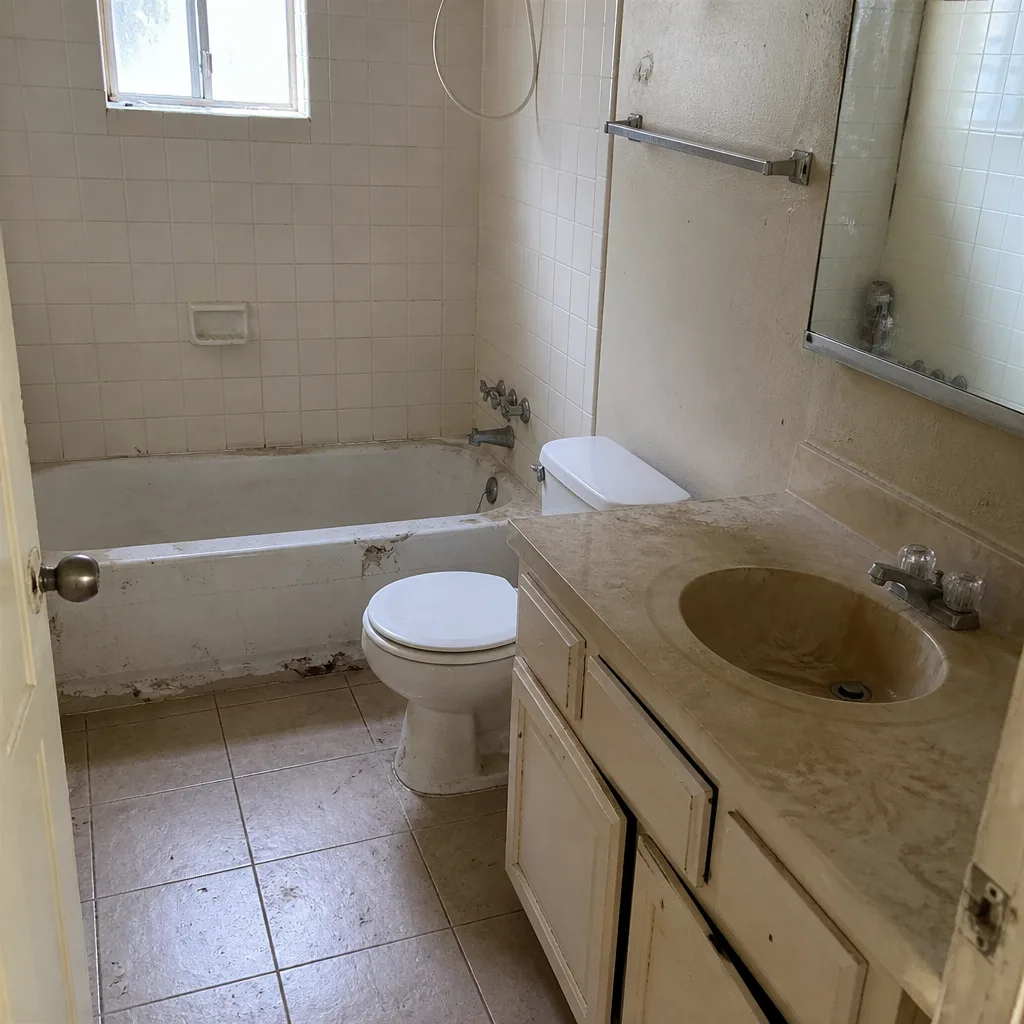 Before
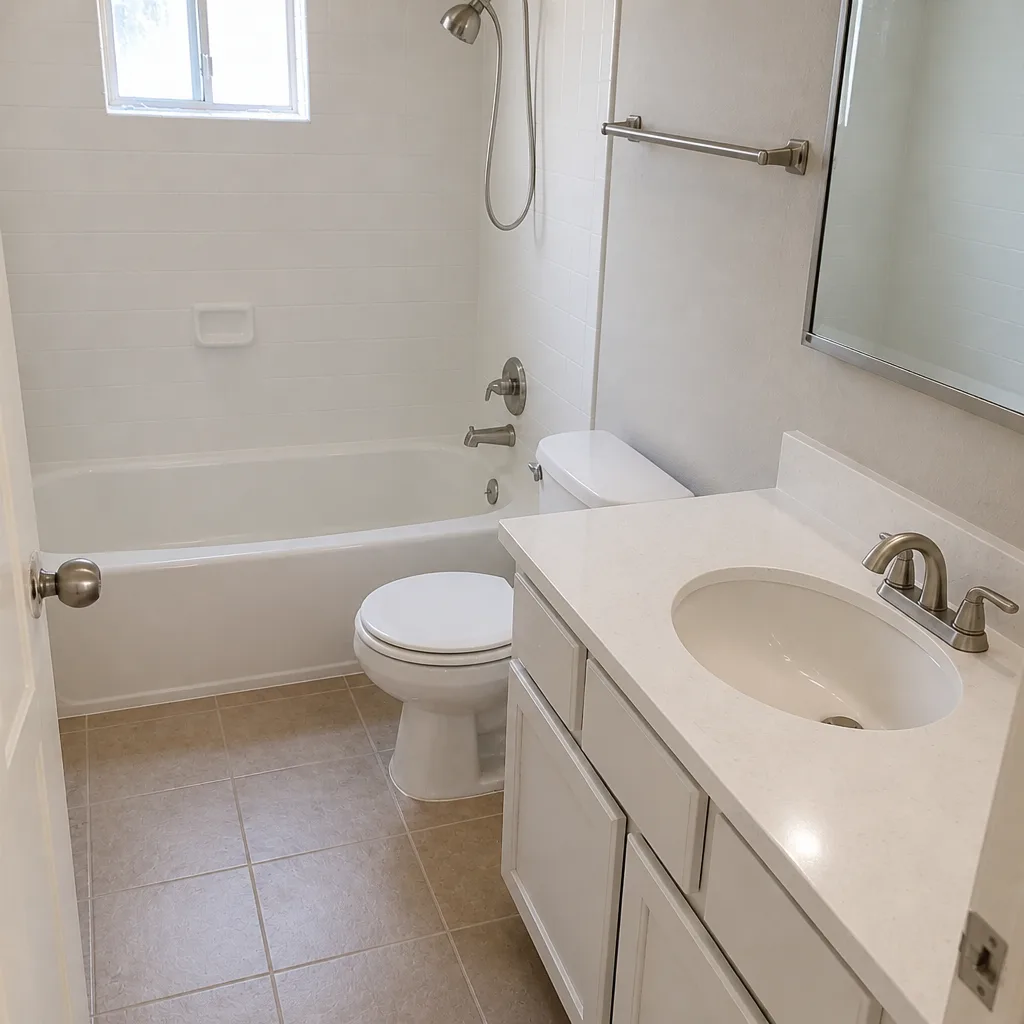 After
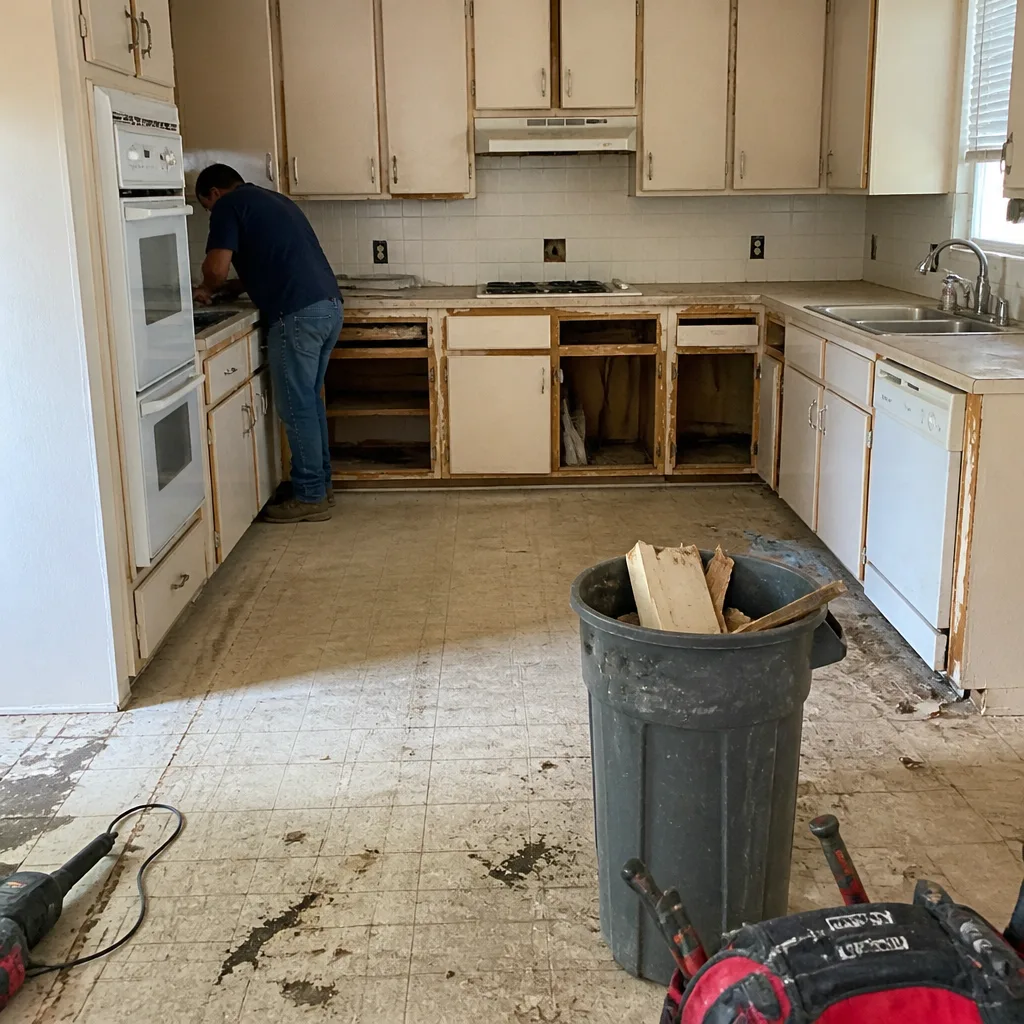 Before
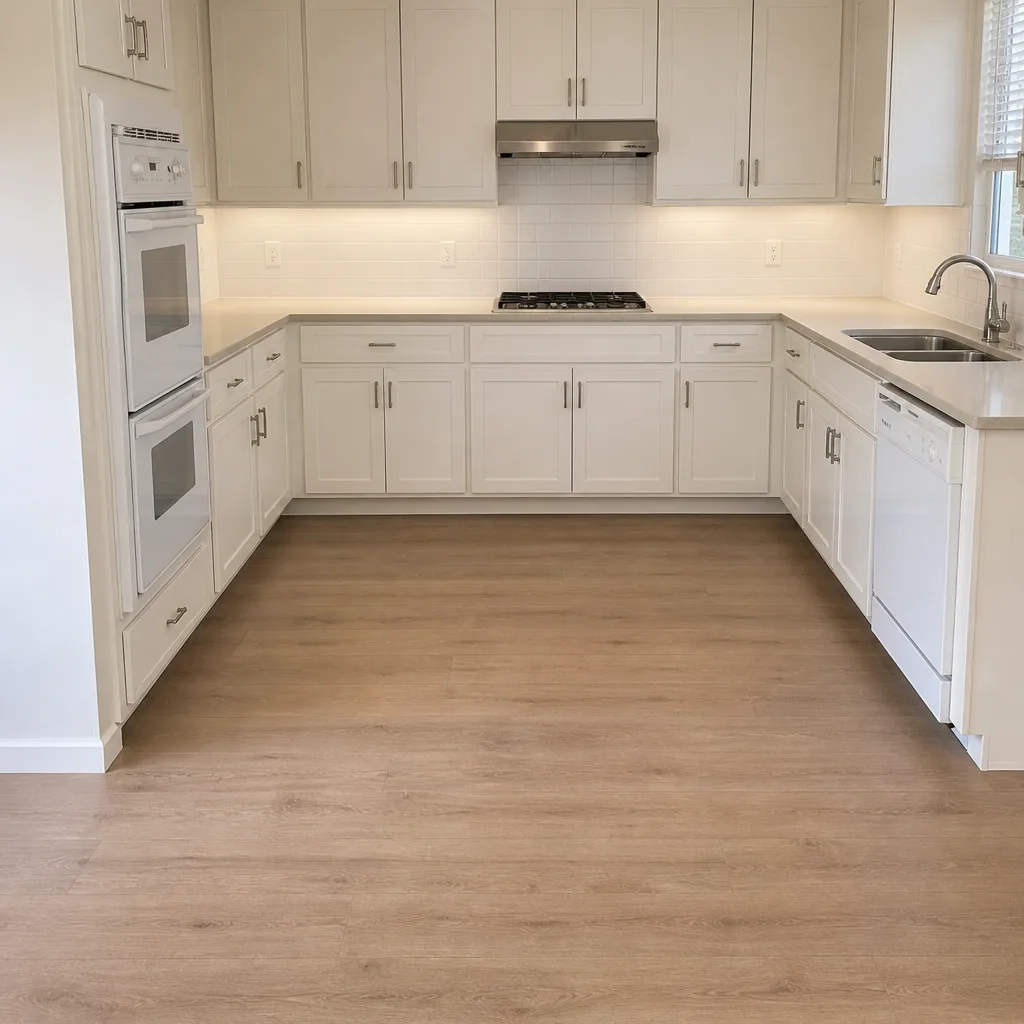 After
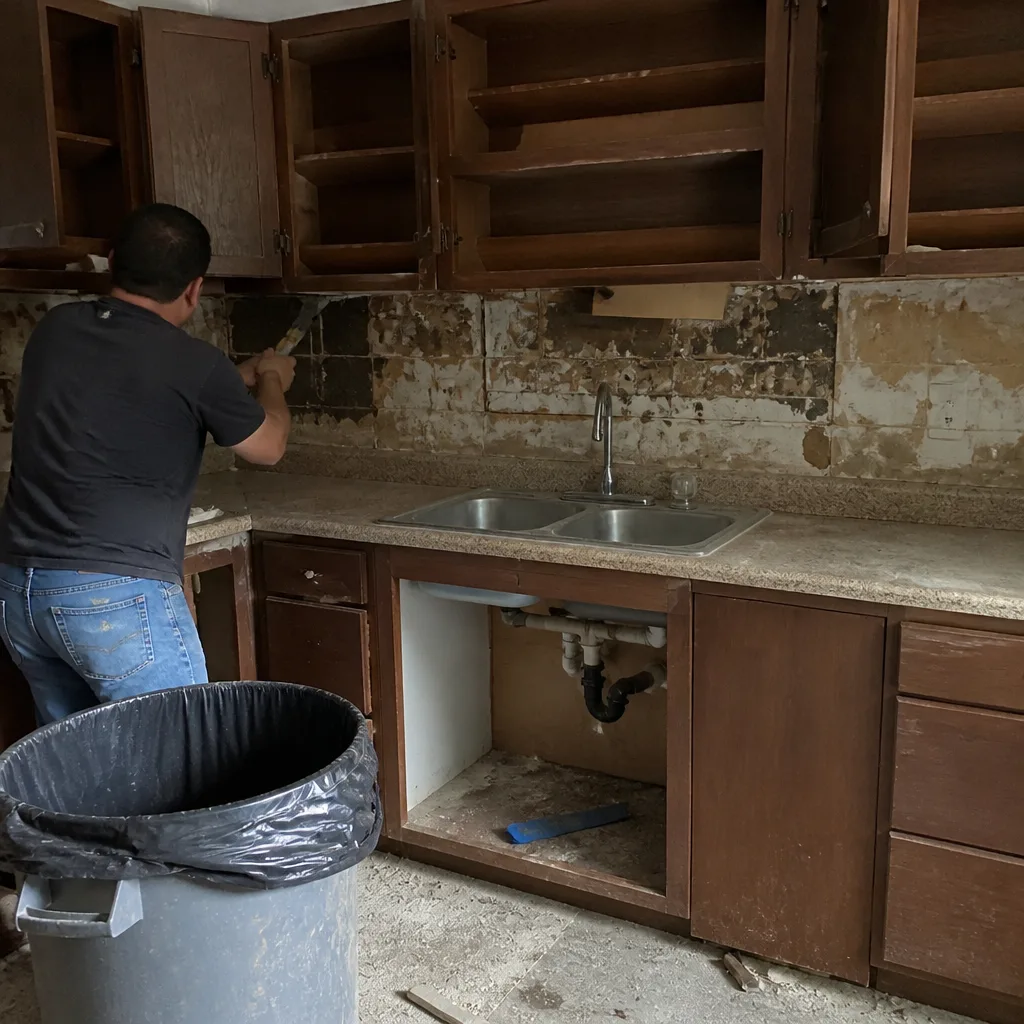 Before
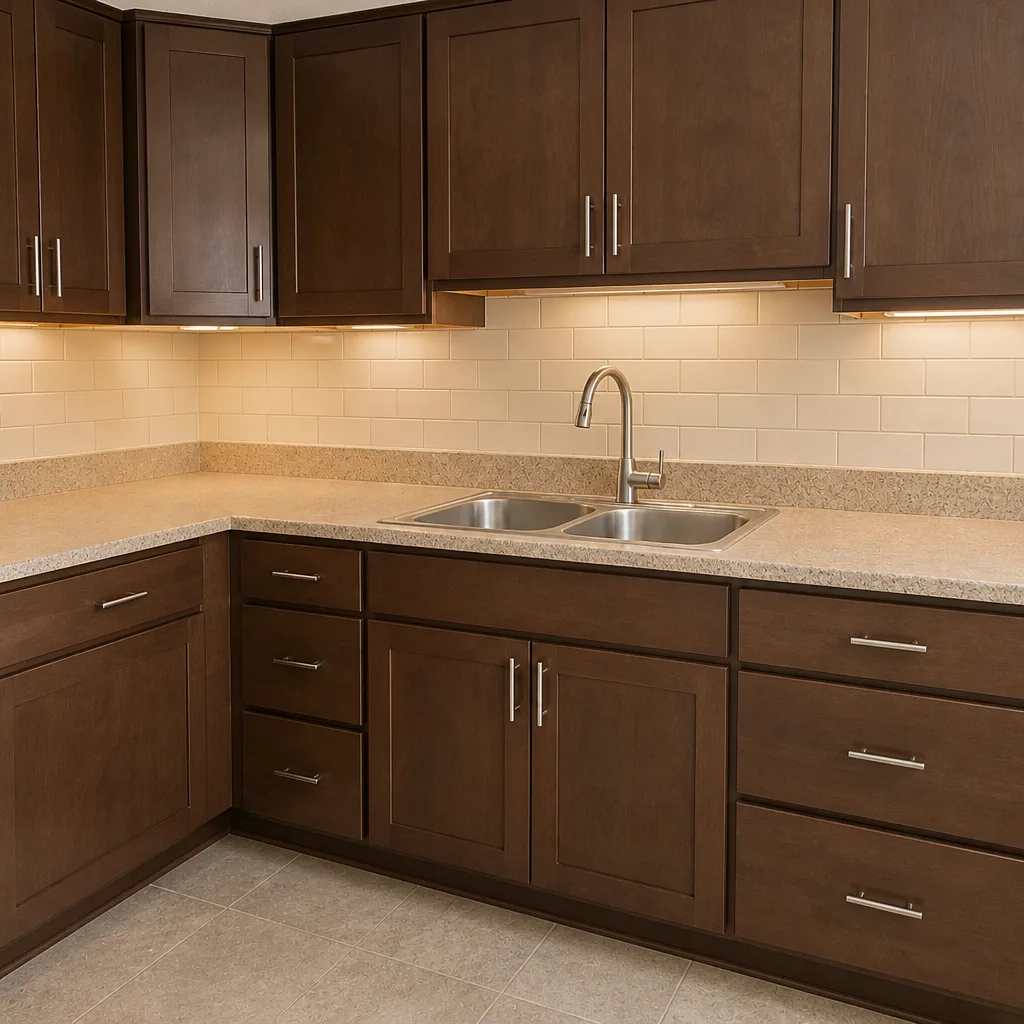 After
When to Call a Professional
The right time to call a professional is before the first permit is pulled, not after the first inspection fails. If your project involves any structural change, any new electrical or plumbing, any HVAC work, or an ADU, those pieces belong to licensed trades in Carrollton and the surrounding area. If you’re unsure whether your homeowner’s insurance covers owner-performed structural work, that’s another call worth making early.
Our team handles full-scope home additions and ADUs without pushing you into a role you can’t safely fill. Our technicians have up to 12 years of experience, arrive background-checked and in uniform, and we back every project with the 730-Day Done Right Promise: if it isn’t done right, we make it right. Upfront pricing with no surprises, and everything from foundation to finish line.
Groundwork Construction Co. of Carrollton offers free estimates in Carrollton – call (844) 560-0925 to schedule yours. Calls are answered by a live person, 24/7.
Frequently Asked Questions
No. Electrical work on a permitted addition in Carrollton requires a licensed electrician who holds a TDLR license and pulls the trade permit. Texas does not allow homeowners to perform permitted electrical work themselves, even under owner-builder status. Call (844) 560-0925 for a free estimate if you want a professional team to handle the full permit and inspection process.
After the rough-in and frame inspections pass, you can safely do painting, trim carpentry, cabinet installation, finish flooring, hardware, and landscaping around the new structure. Those tasks don’t require a license or a permit amendment, and they’re also the tasks where a confident homeowner typically saves the most without creating rework. Call (844) 560-0925 to talk through which parts of your project fit that list.
It depends on your policy, and many policies exclude or restrict coverage for owner-performed structural work, unpermitted work, and gradual damage. Before you start an owner-builder project in Carrollton, call your agent and get the answer in writing. If the answer on structural work is no, that’s a hard stop on DIY for anything load-bearing. Call (844) 560-0925 if you want to talk through a fully permitted, fully insured path instead.
An owner-builder home addition in Carrollton typically runs 15% to 25% less than a fully managed build, which on a $180,000 project saves roughly $27,000 to $45,000 in contractor markup. That savings assumes the schedule holds and every inspection passes first time; a single failed rough-in can eat two to three weeks and the entire savings. Call (844) 560-0925 for a free estimate to compare against your owner-builder math.
Yes. A garage-to-ADU conversion in Carrollton requires permits for framing, electrical, plumbing, and mechanical work, plus a separate review for the ADU itself under the city’s size, setback, parking, and owner-occupancy rules. The project also needs a Certificate of Occupancy before anyone can legally live in it. Call (844) 560-0925 if you want a free estimate on a fully permitted conversion.
It can. Unpermitted work and owner-builder work done within the prior year must be disclosed under Texas seller disclosure rules, and buyers’ agents in Carrollton routinely pull the permit history on any addition. A retroactive permit violation can delay or kill a sale. Call (844) 560-0925 if you want a free estimate on a fully permitted build so the paperwork is clean from day one.
The Bottom Line
DIY is a legitimate cost-saving strategy on a home addition, but only if you’re clear about which role you’re actually playing. Structural framing, electrical, plumbing, and HVAC work on a permitted project in Carrollton belongs to licensed trades. Owner-builder status lets you act as your own general contractor and save 15% to 25% in markup, but it doesn’t exempt the work itself from licensing rules or from the insurance exclusions most policies carry on owner-performed structural work. Do the finish work yourself after rough-in passes. Hire the licensed trades. Manage the schedule tightly if that’s your strength. And read your policy before you lift a hammer, because the question isn’t really whether you’re skilled enough. It’s whether the work will pass inspection, hold up, and keep your coverage intact when it counts.
Written by the team at Groundwork Construction Co. of Carrollton.