Last updated November 18, 2026

Free written scope consultation - allowances, timeline, and change-order rules on paper before a single trade is scheduled
DIY vs Professional Fence Installation: What’s Safe to Do Yourself
The most expensive fence mistake we see in Carrollton isn’t bad installation. It’s a fence built two feet onto a neighbor’s lot because nobody pulled the survey. That single error happens far more often on DIY projects than on permitted, professionally installed ones, and it can cost more in a boundary dispute than the whole fence was worth. This guide separates the fence work a prepared homeowner can genuinely handle from the work that creates liability, failed inspections, and angry neighbors. We’ll walk through property lines, clay soil, permit rules in Carrollton, and a cost-honest comparison of doing it yourself versus hiring it done.
Quick Answer
Replacing boards, swapping hardware, staining, and adjusting a sagging gate are safe, high-value DIY jobs. Setting new posts, verifying property lines, and handling permits are the tasks where DIY most often goes wrong, and those are the ones worth handing to a licensed, insured professional. In Carrollton’s expansive clay soil and strict permit process, the line between manageable and risky is drawn by task, not by how handy you are.
Styles & brands we work with
- Kitchen remodeling
- Bathroom remodeling
- Home additions & ADU
- Roofing
- Windows & doors
- Driveway & pavers
- Fence
Table of Contents
- What Fence Work Is Actually Safe to DIY
- The Three Places DIY Fence Projects Go Wrong
- Property Lines, Surveys, and Texas Boundary Law
- Carrollton Permits and What a Failed Inspection Really Costs
- How a DIY Fence Affects Your Neighbors
- The Real Cost: DIY vs Professional in the DFW Market
- Clay Soil, Post Depth, and Concrete Mix in North Texas
- A Decision Framework: When DIY Makes Sense
What Fence Work Is Actually Safe to DIY
Before we get into the risky stuff, it’s worth being clear about what you can absolutely do yourself. A fair amount of fence maintenance is low-risk, satisfying work that saves real money and doesn’t touch a permit or a property line. If your fence is already standing in the right place and you’re keeping it that way, you’re in DIY-friendly territory.
Here’s the short list of tasks a capable homeowner can handle without specialized equipment or legal exposure:
- Board and picket replacement. Swapping out a cracked cedar picket or a rotted dog-ear board is a one-person job with a drill and a pry bar. Match the profile and stain so the repair disappears.
- Hardware swaps. Hinges, latches, brackets, and gate handles wear out long before the wood does. Replacements are inexpensive and install with basic hand tools.
- Staining and sealing. A fresh coat of stain every two to three years is the single best thing you can do for fence life in North Texas, and it’s pure DIY territory. A pump sprayer and a brush will get it done over a weekend.
- Minor gate adjustments. A gate that drags or won’t latch usually needs a hinge tightened, a diagonal brace added, or the post re-plumbed with a shim. These are small fixes.
- Cleaning and small repairs. Power washing, pulling weeds along the base, replacing a single loose rail. All safe.
What ties these together: none of them require digging a hole in clay soil, none touch the property line, and none trigger an inspection. That’s the dividing line. When we talk to homeowners across Carrollton, the confusion usually isn’t about skill. It’s about where maintenance ends and construction begins. If you’re staying on the maintenance side, you’re fine.
The Three Places DIY Fence Projects Go Wrong
In our experience across North Texas, DIY fence projects that go sideways fail in one of three places. It’s almost never the carpentry. It’s the setup.
One: property line verification. We’ll cover this in depth below, but the short version is that guessing at your boundary is the most common and most expensive DIY mistake. Fences get built from a homeowner’s memory of where the line is, and that memory is often off by a foot or more on long lots. The result can be a fence that has to come down.
Two: post-hole depth in clay. Carrollton sits on the expansive Blackland Prairie clay that runs through much of the DFW metroplex. This soil swells when wet and shrinks when dry, and that movement works on fence posts year after year. A post set 18 inches deep in this clay will heave and lean within a couple of seasons. The rule of thumb that holds up here is one-third of the above-ground post height buried in the ground, plus a few inches of gravel at the bottom for drainage. For a standard 6-foot fence, that’s roughly 2 feet of post in the ground, minimum.
Three: concrete mix ratio. This is where DIYers quietly cut corners. Fast-setting concrete poured dry into the hole is convenient but often under-strengthened. A properly mixed bag concrete at the right water ratio, packed and crowned so water sheds away from the post, is what holds up. Skip the crown and water pools at the base, and the post rots from the ground up in a fraction of its expected life.
Get those three right and the rest of a fence build is genuinely doable for a skilled homeowner. Miss any one of them and you can expect to redo posts within a few years, which is exactly the outcome you were trying to avoid by doing it yourself.
Property Lines, Surveys, and Texas Boundary Law
Property line verification is the first thing we check on every fence project, and it’s the single biggest reason to bring in a professional on new construction. In Texas, a fence built past your boundary is an encroachment, and the legal exposure can get uncomfortable fast.
Here’s what happens in practice. If your fence sits on your neighbor’s property, they can legally demand you remove it, at your cost, and they’re not obligated to share the cost of the fence. If the encroachment is severe enough or long-standing enough to trigger a claim, Texas has a process for adverse possession, but the requirements are strict and the timelines are long. In the short term you’re facing a removal, a rebuild, and a neighbor who now distrusts you.
The fix is simple: pull a survey before you dig. If you don’t have a recent survey on file, order one. It runs a few hundred dollars and takes a couple of weeks, and it definitively answers where your line sits. A good fence builder will insist on it. A survey also reveals easements, utility lines, and setback requirements you might not have known about, all of which affect where the fence can legally go.
On shared fence lines, Texas law doesn’t directly address who pays for a boundary fence, but it does allow neighbors to seek a proportionate share of the cost in some situations. The cleanest path is a written conversation with your neighbor before any work starts, ideally with the survey in hand. That’s a conversation we walk homeowners through on nearly every Carrollton project, and it prevents most disputes before they start.
Carrollton Permits and What a Failed Inspection Really Costs
Most homeowners don’t realize that a new fence in Carrollton requires a permit if it exceeds a certain height, or if it’s a masonry or retaining fence. Even where a permit isn’t required, there are still zoning rules on maximum height, setback from property lines, and visibility at driveways and corners. These rules vary by lot, and they’re strict on corner lots and through-lots.
The inspection process itself is straightforward when your build meets code. It’s the failure path that gets expensive, and it’s worth spelling out:
- Failed inspection. The inspector finds your post depth, footing, height, or setback out of compliance. You get a correction notice.
- Demo and rework. In the worst case, posts come out of the ground and get re-set. That’s days of labor and fresh materials you already paid for.
- Re-inspection fee and delay. You schedule and pay for the follow-up, and the fence stays unusable while you wait.
- Neighbor fallout. An unpermitted fence built past the line or over the height limit can trigger a neighbor complaint to the city, which is the worst possible way to learn your fence was non-compliant.
Bringing in a licensed professional who handles the permit and inspection from the start takes all four of those items off your plate. We’ve watched DIY fences come down and go back up over a single missed setback, and it’s a hard way to learn the code. Our Fence Installation in Carrollton service runs the permit and inspection as part of the job.
How a DIY Fence Affects Your Neighbors
A fence lives at the edge of two properties, so a DIY project that goes wrong is rarely a private mistake. It’s a relationship problem. The most common neighbor issues we see from DIY fences in Carrollton fall into a few categories:
- Encroachment. As above, a fence on the wrong side of the line is the fastest way to sour a relationship. Even a few inches matters to some neighbors.
- Height compliance. Carrollton limits fence height in front and side yards. A too-tall fence that a neighbor complains about can be ordered reduced.
- Drainage changes. A fence footing or grade change that pushes water onto a neighbor’s lot is a real liability issue in this flat clay-terrain market.
- Aesthetics. A fence built out of square or with mismatched materials is visible from the neighbor’s side and gets noticed.
- Boundary-fence cost disputes. When the fence sits exactly on the line, the conversation about who pays for repairs gets complicated, and DIY projects tend to skip that conversation entirely.
None of these are reasons to avoid a fence. They’re reasons to do the prep work. A survey, a permit, and a short conversation with your neighbor before work starts eliminates almost all of them. When a licensed installer runs the project, that pre-work is handled, and neither you nor your neighbor has to wonder who’s responsible when something goes wrong.
The Real Cost: DIY vs Professional in the DFW Market
Now the honest math. DIY looks cheaper on the surface, but the comparison only holds up if you count every cost, including tools, permits, and your own time. Here’s what we see in the Carrollton and wider DFW market, based on typical 150-linear-foot cedar privacy fence projects.
- Material cost, DIY. Roughly $2,500 to $4,000 for cedar boards, posts, rails, concrete, and hardware at retail pricing.
- Tool rental, DIY. Post-hole digger or auger rental, a power mixer, levels, and a saw: $200 to $500, more if you don’t already own the basics.
- Permit and survey. Survey a few hundred dollars. Permit fees vary by scope, and there’s a real time cost in the application and inspection schedule.
- Your time. A 150-foot fence is realistically a 3 to 5 weekend project for a capable homeowner, longer if the weather doesn’t cooperate. At a $50/hour valuation, that’s $1,200 to $2,000 of your own labor.
- Professional install, DFW market. Typically $5,500 to $9,000 installed for the same scope, including permit, inspection, and warranty.
So the DIY savings are real, but they’re smaller than they look once you count tools, permits, and weekends. And the number that flips the math is rework. A single failed post that has to be pulled and reset, or a fence section that has to be rebuilt because it was a foot over the line, eats the entire savings in one weekend. That’s before we start talking about the workmanship guarantee that professional installs include.
At Groundwork Construction Co. of Carrollton, our Driveway & Pavers in Carrollton and fence work both run on upfront, no-surprise pricing, so the number you see is the number you pay. There’s also a standing $1,000 off projects over $10,000 and 0% financing for 18 months, which is worth factoring into a longer project like a fence plus driveway upgrade. The upfront pricing model exists so the decision between DIY and professional is made with an accurate number, not a rough one.
Clay Soil, Post Depth, and Concrete Mix in North Texas
If you take nothing else from this guide, take this: the single biggest factor in how long your fence lasts in Carrollton is what’s happening below the ground, and it’s the part you can’t see once the project is done.
Carrollton sits on Blackland Prairie clay, which behaves very differently from the sandy or loamy soils many DIY guides are written for. This clay swells dramatically when wet and shrinks when dry, and in a typical DFW year that cycle happens repeatedly. A post set too shallow in this soil will heave, lean, and eventually pull out of alignment.
Here’s what a durable build actually looks like in this soil:
- Post depth. One-third of the above-ground post height, plus a few extra inches. For a 6-foot fence, that’s a post set roughly 2 to 2.5 feet deep.
- Gravel base. A few inches of gravel at the bottom of the hole for drainage. Water pooling against the post base is the single biggest cause of rot in North Texas.
- Proper concrete mix. Bag concrete mixed to the manufacturer’s water ratio, not poured dry into the hole. Tamp it down and crown the top so water sheds away from the post.
- Set time. Let the concrete cure fully before hanging rails and boards. Rushing this step is how a fence gets out of square.
- Seasonal timing. In our experience, late spring and early summer in Carrollton see the worst post-heave from the wet-to-dry cycle. Fences set in that window benefit from extra attention to the depth and gravel base.
This is fully solvable by a careful DIYer with the right information. But it’s also the exact set of details that a professional build gets right by default, and it’s why we walk every post depth and mix ratio on our fence installs. The material brand matters less than the prep. GAF and CertainTeed make excellent roofing and building products, and we specify them across our work, but no shingle or board quality overcomes a post set in the wrong place.
A Decision Framework: When DIY Makes Sense
Here’s how we’d frame the call if you’re on the fence about whether to hire out. It’s not about your skill level; it’s about which tasks you’re taking on.
Handle it yourself if: you’re replacing boards, staining, swapping hardware, or adjusting a gate. You’re maintaining an existing fence in its existing location. No new posts and no permit.
Hire a licensed, insured professional if: you’re building a new fence, replacing posts, moving a fence line, building on a corner or through-lot, or working on a shared boundary line. Any of those means a survey, a permit, an inspection, and a post-depth decision, and any one of those going wrong costs more than the labor you saved.
Mixed scope projects. If you’re redoing a fence and a driveway together, or adding a covered structure that ties into the fence line, the scope gets into permit territory fast. That’s the point where a single contractor across fence, pavers, and structures is worth the call. Our Home Additions & ADU in Carrollton work frequently ties into fencing and grading, and having one team responsible for the whole thing removes the finger-pointing between trades.
Common Mistakes to Avoid
- Skipping the survey. Guessing the property line is the most expensive fence mistake in Carrollton. Order a survey before you dig, and never build from memory.
- Setting posts too shallow in clay. An 18-inch hole in Blackland Prairie clay will heave within a couple of seasons. One-third of the above-ground post height plus gravel at the base is the working rule.
- Pouring fast-set concrete dry. Dry-poured concrete is convenient and often under-strength. Mix it, tamp it, and crown it so water runs off.
- Ignoring the permit and setback rules. Carrollton has specific height and setback limits, and corner lots have stricter rules. Build out of compliance and you may be ordered to take it down.
- Not talking to your neighbor first. A boundary fence lives on two properties. A short, polite conversation with the survey in hand prevents most disputes.
- Getting the grade wrong. A fence footing or grade change that pushes water onto a neighbor’s lot is a real liability in this flat terrain. Check drainage before the first post goes in.
- Staining the wrong season. Stain applied to wet or freshly rained-on wood in Carrollton’s humid stretches will peel within a year. Wait for a dry window and let the wood dry out first.
See the difference
 Before
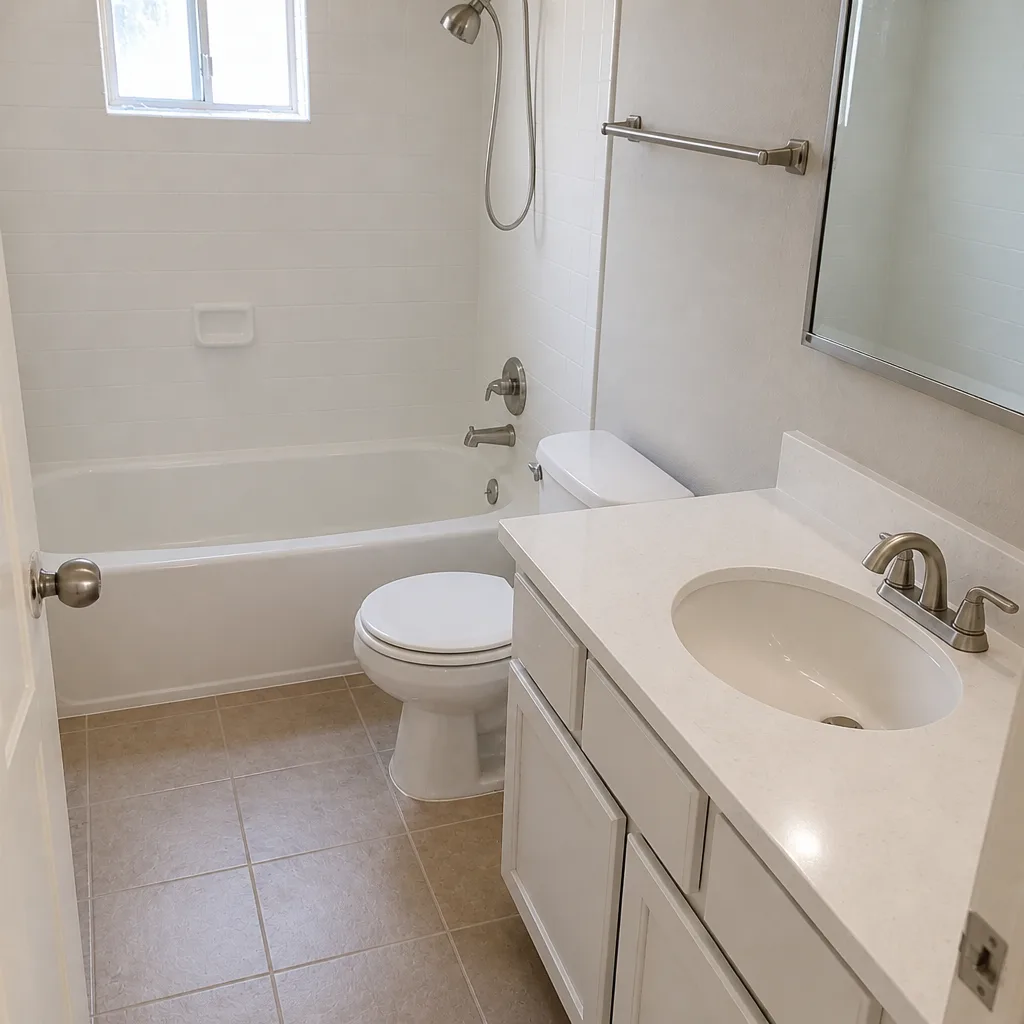 After
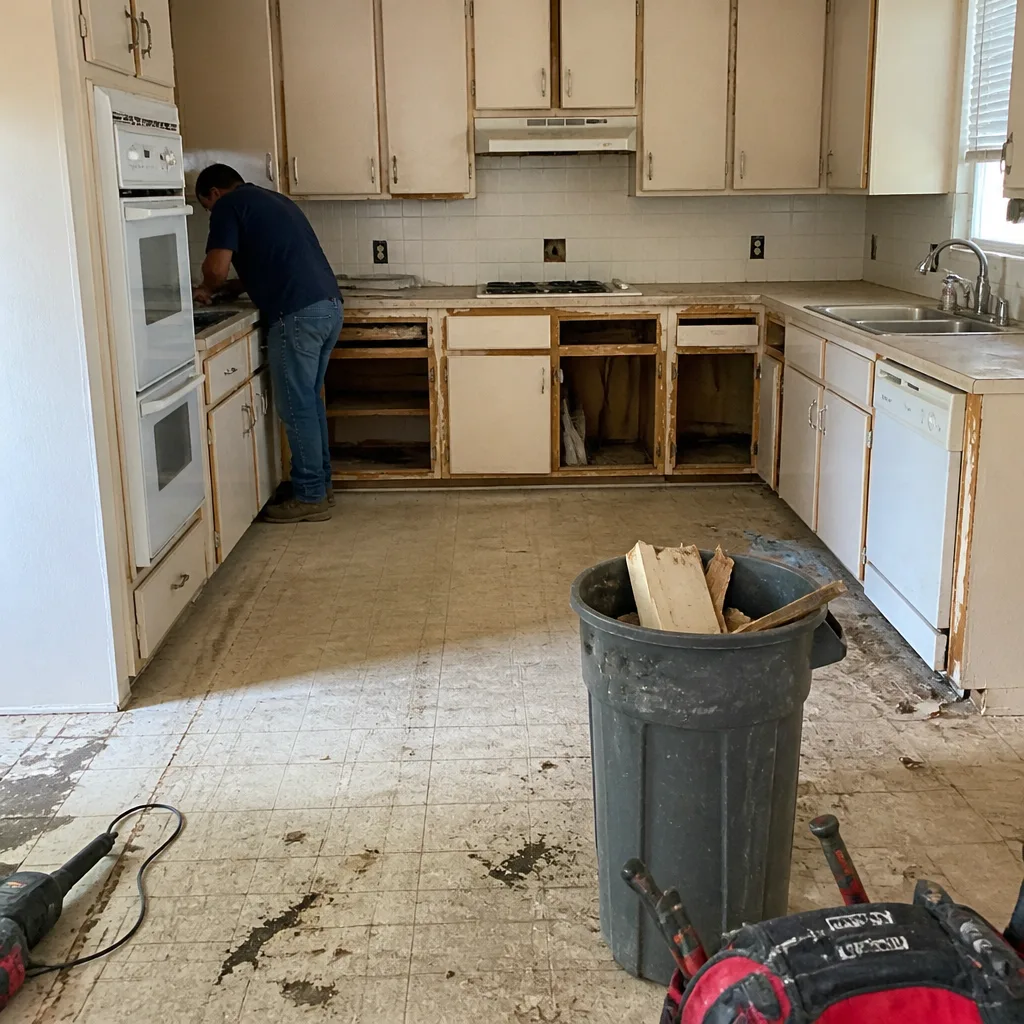 Before
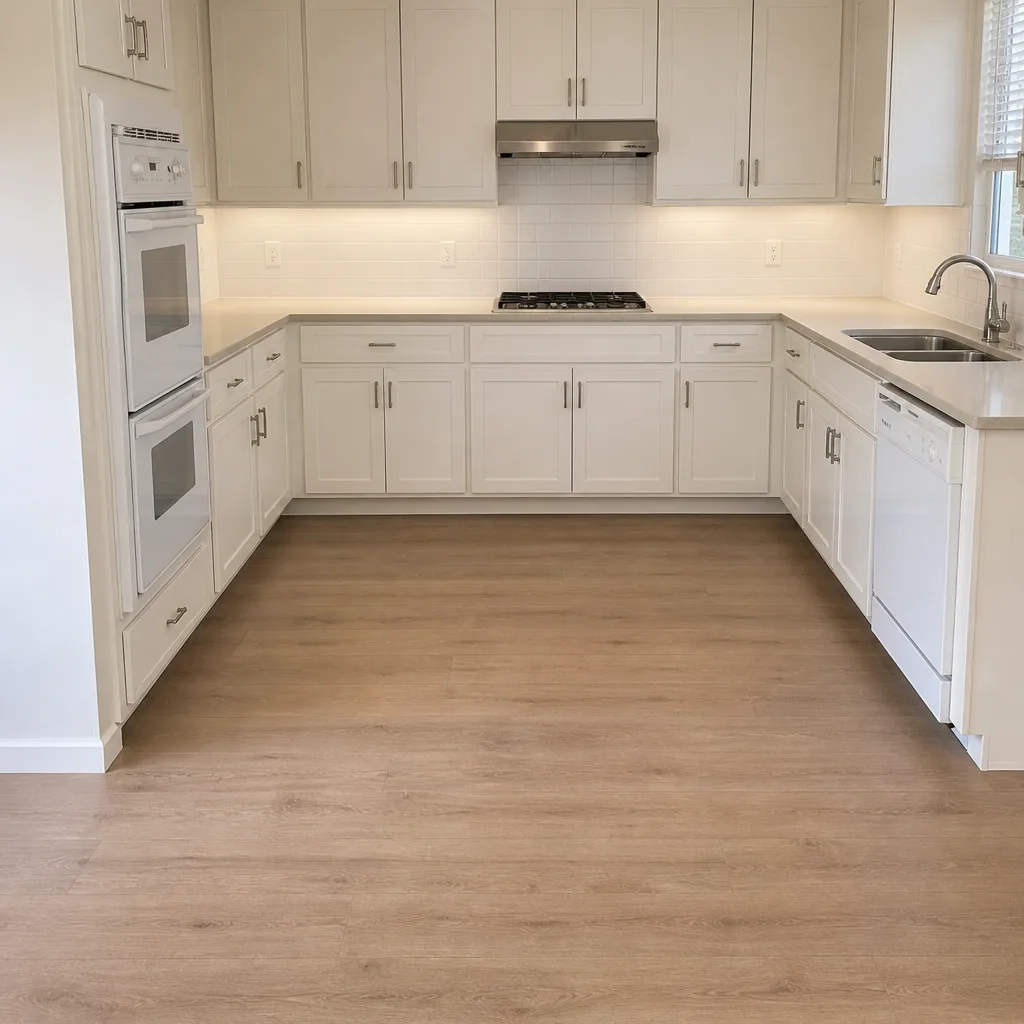 After
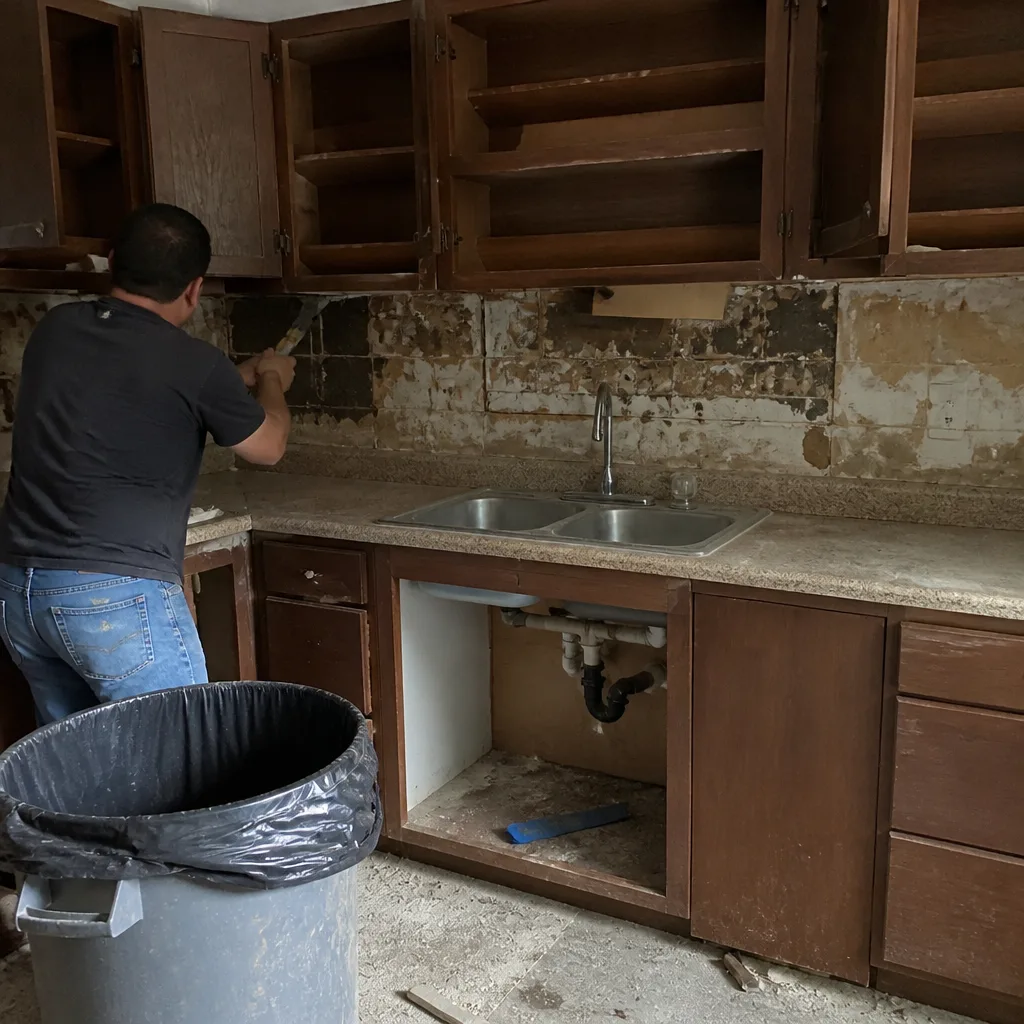 Before
 After
When to Call a Professional
Call a professional when the job touches the ground for the first time: new posts, a new fence line, a boundary fence, or anything that needs a permit and inspection. Those are the projects where a single mistake in property line, post depth, or concrete mix costs more than the labor you’re saving by doing it yourself. Call a professional on any fence over about 5 feet in height, on any corner or through-lot where setbacks are tight, and on any shared fence line with a neighbor. And call one if the fence is part of a larger scope, like a fence plus driveway or a fence that ties into a new structure. Groundwork Construction Co. of Carrollton offers free estimates in Carrollton for fence installation, and our Groundwork Construction Co. of Carrollton home page covers the full scope of what we do. Call (844) 560-0925 to schedule yours; a live person answers around the clock, every day.
Frequently Asked Questions
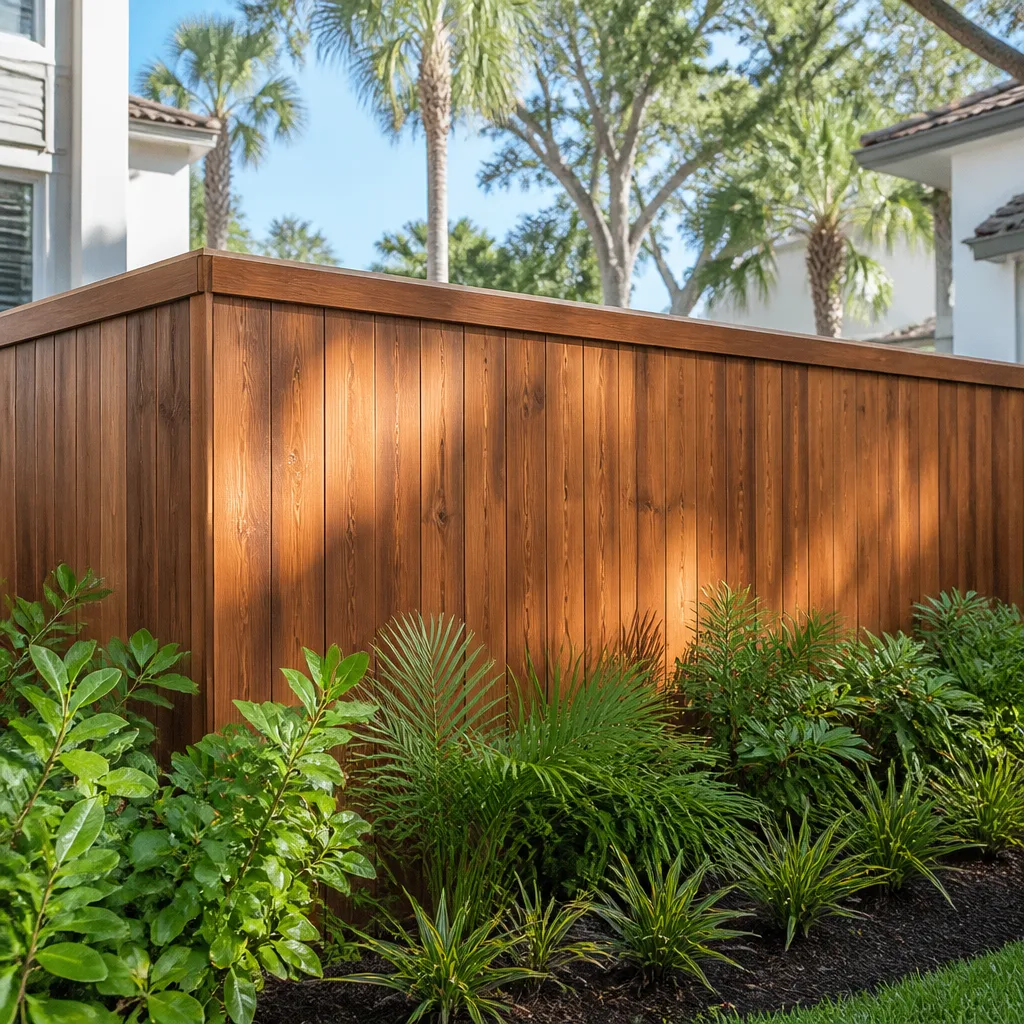
You can do fence maintenance yourself: replacing boards, staining, swapping hardware, and adjusting gates are all safe and permit-free. You should not install new posts or move a fence line yourself in Carrollton, because new construction requires a survey, likely a permit, and post depths suited to Blackland Prairie clay. Call us at (844) 560-0925 for a free estimate if you’re planning a new fence.
Yes, in many cases. Fences above a certain height, masonry and retaining fences, and fences on corner or through-lots generally require a permit and inspection in Carrollton. The specific height and setback limits vary by lot, and getting them wrong can mean a failed inspection and a rebuild. Estimates for a permitted fence install are free; call (844) 560-0925.
Roughly one-third of the above-ground post height, plus a few extra inches for a gravel base. For a standard 6-foot fence, that’s 2 to 2.5 feet deep in the hole. Blackland Prairie clay expands and contracts through the DFW season cycle, and shallow posts heave within a couple of seasons. Call (844) 560-0925 for a free estimate that includes our post-setting method.
In Texas, a fence built past your boundary is an encroachment. Your neighbor can legally demand you remove it at your cost, and you may face a boundary dispute. The clean fix is to order a survey before you dig, and to speak with your neighbor before work starts. A professional install handles that survey and permit work as part of the job; call (844) 560-0925 for a free estimate.
Professional installs in the Carrollton and DFW market typically run $5,500 to $9,000 for a 150-linear-foot cedar privacy fence, including survey, permit, and inspection. DIY material costs for the same project run $2,500 to $4,000, plus tool rental, permit, and your own weekends on the job. Call (844) 560-0925 for an exact quote; estimates are free, and our pricing is upfront with no surprises.
No. At Groundwork Construction Co. of Carrollton, the number you see on the estimate is the number you pay. Every job is covered by the 730-Day Done Right Promise: if it’s not done right, we make it right. Call (844) 560-0925 to schedule a free estimate and design consult.
The Bottom Line
Fence maintenance is genuinely DIY-friendly: replace boards, swap hardware, stain and seal, adjust a gate. New fence construction is a different job, and it’s the job that trips up prepared homeowners because the risk isn’t in the carpentry. It’s in the property line, the post depth in Carrollton’s expansive clay, the concrete mix, and the permit and inspection process. Those four tasks are what a licensed professional handles from day one, and getting them right is what separates a fence that lasts fifteen years from one that has to come down in three. If you’re maintaining an existing fence, we’re glad to have helped. If you’re building one, call (844) 560-0925 for a free estimate from Groundwork Construction Co. of Carrollton.
Written by the team at Groundwork Construction Co. of Carrollton.