Last updated November 18, 2026



Free written scope consultation - allowances, timeline, and change-order rules on paper before a single trade is scheduled
Driveway & Pavers Maintenance Checklist for Carrollton Homeowners
The number one cause of premature driveway failure in Carrollton isn’t traffic load or poor installation – it’s ignoring the two weeks after a hard freeze when the ground is still moving and water is working its way into every micro-crack. Most maintenance advice online was written for mild climates and sandy soil. It doesn’t account for what actually happens here, where black clay swells and shrinks with the seasons and August sun bakes the surface at 100°F or more. This guide gives you a month-by-month plan built around Carrollton’s real climate, from the February freeze window to spring runoff to the summer UV peak. You’ll learn how to read early warning signs, choose the right sealant, and know when to call a professional.
Quick Answer
Maintaining a driveway or paver surface in Carrollton means watching for joint-sand erosion after every freeze, re-sanding and resealing on a climate-appropriate schedule, and keeping water draining away from the base. Do a quick visual inspection monthly, re-sand joints in late winter and early spring, and seal every two to three years with a breathable, temperature-stable product. Tree roots, clay movement, and UV exposure are the three biggest local threats. Most surfaces that fail early in Carrollton fail because joints opened after a freeze and nobody noticed until the base was already compromised.
Styles & brands we work with
- Kitchen remodeling
- Bathroom remodeling
- Home additions & ADU
- Roofing
- Windows & doors
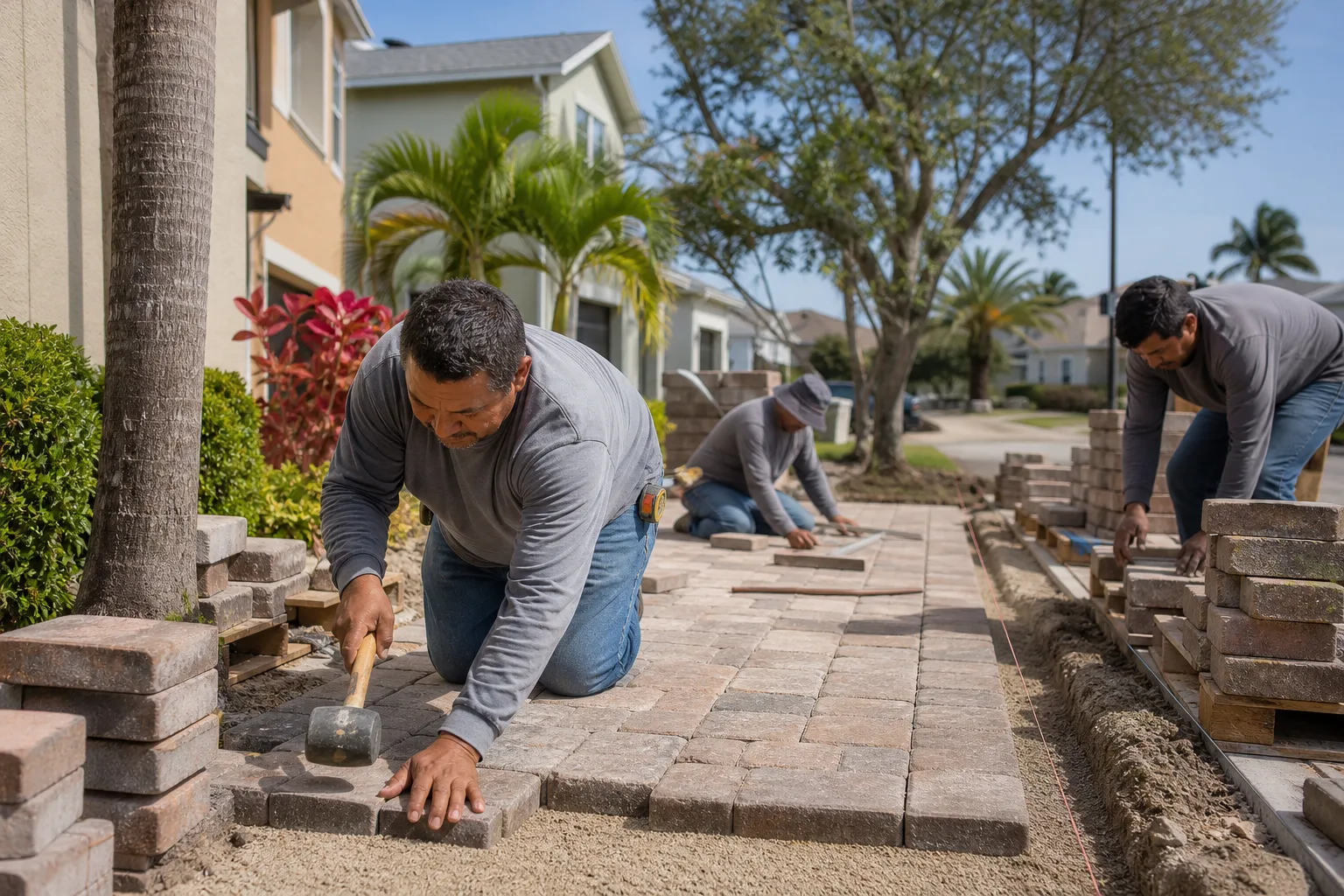
- Driveway & pavers
- Fence
Table of Contents
- Why Carrollton Driveways Fail Faster Than You’d Expect
- The Month-by-Month Maintenance Calendar for Carrollton
- How to Spot Early Joint-Sand Erosion Before It Cascades
- Choosing the Right Sealant for North Texas Temperature Swings
- Tree Root Intrusion: Mapping the Risk from Your Elms and Oaks
- What Maintenance Keeps Your Paver Warranty Valid (And What Voids It)
- Concrete vs. Pavers in Carrollton: Different Care, Different Failures
- Drainage and Slope: The Silent Driver of Base Failure
Why Carrollton Driveways Fail Faster Than You’d Expect
Carrollton sits on some of the most active expansive clay soil in North Texas. That black clay holds water, swells, and then contracts hard when it dries out. Over a single year it can move enough to open paver joints and hairline cracks in concrete. When free water gets into those openings and then a freeze hits, it expands and pries the surface apart from the inside. The damage compounds quietly.
Then comes summer. UV exposure at 100°F-plus breaks down many sealers and accelerates color fade on pavers. Spring storm season dumps inches of rain fast, and if your driveway slopes toward the garage or pools near the expansion joints, you’re feeding the problem every time it rains. We’ve seen driveways in older Carrollton neighborhoods like Downtown Carrollton and the streets near Josey Ranch that lasted decades, and newer installs that started failing in year four. The difference almost always comes down to water and clay movement, not the paver quality.
Here’s what makes this climate uniquely punishing:
- Freeze-thaw cycles in February. North Texas gets just enough hard freezes to be dangerous – not enough to build for like Minnesota, but enough to crack surfaces that hold water.
- Expansive clay movement. The soil under your driveway moves seasonally, and the surface has to accommodate that movement without opening up.
- Summer UV peak in July and August. Sustained heat degrades sealers and fades pavers that weren’t sealed with a UV-stable product.
- Spring storm runoff. Heavy rain events in April and May test your drainage; a driveway that pools is a driveway that’s failing.
Knowing which failure mode you’re facing tells you what to fix. Most of the checklist below is about catching small openings before the freeze and the clay do the rest of the damage for you.
The Month-by-Month Maintenance Calendar for Carrollton
Generic “check your driveway twice a year” advice misses the point here. The tasks that matter are tied to specific windows in Carrollton’s climate calendar. Here’s the schedule we recommend for a paver or concrete driveway in this area.
January and February: Freeze Window
Do a full walk-and-look before the first hard freeze and again after any freeze event. Look for lifted pavers, new cracks, and dark wet spots that stay wet longer than the rest of the surface. Don’t power-wash during a freeze window – trapped water expands and makes things worse.
March and April: Post-Freeze Recovery and Runoff
This is the most important window of the year. After the ground thaws and starts drying, re-sand joints that opened over winter and check that water still drains off the slab. Clear debris from any drainage channel. If you’re going to reseal, late spring (once temps are consistently above 60°F and the surface is dry) is the ideal time.
May through July: Storm Season and Pre-Summer Inspection
After heavy rain, check for pooling. Water standing in a joint or the lowest corner for more than 24 hours is a sign your slope or drainage needs attention. Inspect pavers for rocking or settling. Clean out gutters and downspouts that dump onto the driveway.
August: UV Peak
This is when sealant breaks down fastest and color fades most. A quick look at the surface gloss and color tells you whether your sealer is holding up. Avoid applying new sealer during the hottest weeks – it can cure unevenly or blister.
September and October: Repair Season
The mild fall temperatures are the best time of year for repairs and re-sanding in Carrollton. Replace broken or settled pavers, address any cracks, and get the surface ready for winter.
November and December: Pre-Freeze Prep
Clear all organic debris, make sure joints are full and the surface drains, and seal any small cracks in concrete so water can’t get in before the freeze. This prep is what separates a driveway that cruises through winter from one that keeps you calling for repairs.
Your Yearly Checklist, Summarized:
- Late winter: inspect for freeze damage and opened joints, re-sand as needed.
- Early spring: verify drainage, clear channels, schedule reseal if due.
- Spring and summer: check for pooling after storms; watch for UV fade.
- Fall: perform repairs and re-sanding while temperatures are mild.
- Late fall: final pre-freeze prep – crack sealing, debris clearing, drainage check.
How to Spot Early Joint-Sand Erosion Before It Cascades
In a paver driveway, the joint sand is what locks the pavers together and keeps water out of the base. When it erodes, the pavers shift, water gets in, and the base starts to fail. The tricky part in Carrollton is that clay movement produces visual cues that look different from what you’d see in a stable soil climate. Here’s what to actually watch for.
Specific Visual Cues of Early Erosion
- Recessed joints. Run a finger or a screwdriver handle across the joints. If the sand sits noticeably below the paver surface, it’s washing or blowing out.
- Wavy rows. Clay movement pushes entire rows out of line. If a row of pavers used to be straight and now wanders, the base beneath it is moving.
- Rocking pavers. A paver that rocks underfoot has lost its bedding support, and the joint sand around it is usually compromised too.
- Dark, persistent wet spots. Water is penetrating where it shouldn’t and staying there – a sign the joint seal has failed.
- Sand trails or piles. Sand collecting at the low edge or in a corner after rain means it’s migrating out of the joints.
The Cascade to Base Failure
Here’s how it escalates. Sand erodes, joints open, water gets into the base, the clay base swells and softens. In winter the trapped water freezes and lifts the surface. When it thaws, the pavers settle unevenly, which opens the joints further. This is why a small erosion problem caught in February saves thousands compared to the same problem discovered in June, when the base has already moved and you’re looking at lifting and re-bedding a whole section.
If you catch it early, re-sanding the joints and re-sealing is a weekend job. Once pavers are visibly rocking and settling, the base needs to be rebuilt – and that’s a professional repair. If you’re seeing signs of base failure on your driveway, our Driveway & Pavers in Carrollton team can assess it with a free estimate.
Choosing the Right Sealant for North Texas Temperature Swings
The sealer that works in Minnesota is not the sealer that works in Carrollton, and this is a mistake a lot of homeowners make after reading national advice. A film-forming “wet look” sealer that’s designed for steady cold climates can blister and peel here when the surface hits 140°F in August sun. The wrong sealer can actually cause more damage than leaving the surface bare.
What to Look For
- Breathable or penetrating sealers. These soak into the paver rather than forming a thick skin. They allow moisture vapor to escape, which matters when the surface gets hot and the base is still damp from spring rain.
- UV stability. North Texas UV is hard on sealers. Look for UV-resistant formulas that won’t yellow or go cloudy after a summer.
- Temperature rating. The sealer should be rated for high-heat application and resist blistering. Ask for a spec sheet and check the upper temperature threshold.
- Appropriate for clay-soil settings. Some sealers hold moisture in the base. In an area with expansive clay, a breathable product lets the base dry out more evenly and reduces uneven movement.
When to Apply in Carrollton
Apply in late spring or early fall, when daytime temps are in the 60°F to 85°F range and rain isn’t forecast for at least 24 hours. Never apply in an August heat wave – uneven curing is a real risk. How often you reseal depends on the product: many penetrating sealers go two to three years, while film-forming sealers need attention more often but can degrade fast in the heat.
We work with premium outdoor material partners, and paver brands like Belgard publish their own sealing recommendations. Following the manufacturer’s spec is part of keeping your warranty valid, which we cover later in this guide.
Tree Root Intrusion: Mapping the Risk from Your Elms and Oaks
Older Carrollton neighborhoods – especially around Downtown Carrollton and the streets with established lots – are full of mature live oaks, pecans, and elms. Those trees are a huge asset to the property, and they’re also one of the most overlooked threats to your driveway. Roots don’t just crack the surface; they lift pavers, heave the base, and cause the kind of settlement that makes a whole section of driveway uneven.
How to Assess Your Risk
- Identify the nearest large trees and how far they are from the driveway edge. A mature oak’s roots can reach well past its canopy. If a fifty-year-old oak stands within ten to fifteen feet of your drive, you’re in the risk zone.
- Watch for directional heaving. If pavers are lifting on the side nearest a tree, that’s a strong clue. Root growth follows water, so it’s usually the tree side that fails first.
- Look for surface roots. Exposed roots near the driveway edge mean the root zone is shallow and moving into your base.
- Track settlement over seasons. Take a level reading or even just a photo of a known problem area each fall. If it’s getting worse year over year near a tree, the roots are the likely driver.
What You Can Do
A root barrier installed along the driveway edge can redirect growth before it reaches the base – it’s far cheaper done proactively than after roots have heaved the pavers. Removing the tree entirely is a big decision and usually not the first option; a consulting arborist can tell you whether root pruning is safe for the tree and your driveway. For homeowners planning bigger outdoor work, our Fence Installation in Carrollton service also runs into root issues, and the same site-mapping logic applies.
If roots have already lifted sections of driveway, the fix means lifting the pavers, clearing root growth, and rebuilding the base with a root barrier in place. That’s beyond a DIY re-sand – it’s a job for a professional.
What Maintenance Keeps Your Paver Warranty Valid (And What Voids It)
Premium paver brands back their products with warranties that carry conditions. Most of those conditions are about installation method and proper maintenance, and a lot of homeowners have no idea that a well-meaning DIY fix can actually void the coverage. Here’s the distinction that matters.
Maintenance That Keeps the Warranty Valid
- Regular joint sand replenishment. Filling joints with the correct sand is generally a warranty-maintenance requirement. Letting joints stay empty can be grounds for a claim denial.
- Using manufacturer-approved sealers. Many brands specify the type of sealer permitted. Applying an incompatible or too-heavy film-forming product can void coverage.
- Prompt repair of damage. Documenting and repairing cracked or broken pavers in a reasonable time frame keeps a small issue from becoming a claim denial.
- Keeping drainage clear. Water pooling against the driveway because of a clogged drain or blocked downspout can be treated as homeowner neglect.
What Voids a Warranty
- Applying a non-approved sealer. This is the single most common voided-warranty situation we see. Film-forming sealers that trap moisture or fail in heat are often outside the brand’s spec.
- Pressure washing at high pressure. Blasting joint sand out of the joints with a high-pressure washer damages the surface and removes the sand a warranty requires you to maintain.
- Improper repairs. Replacing pavers with a mismatched product or re-bedding on an inadequate base can void coverage on the affected area.
- Unauthorized alterations. Cutting or modifying pavers for drainage or utilities without approval may exclude that section from warranty.
Before you seal or repair, dig out the manufacturer’s care guide – Belgard and other premium brands publish them – and match your maintenance to their requirements. If you’re unsure, ask. Keeping records of what you applied and when makes a claim much easier to support. For a full-scope project that includes the driveway and other improvements, our Groundwork Construction Co. of Carrollton home has the full service range under one roof.
Concrete vs. Pavers in Carrollton: Different Care, Different Failures
Paver driveways and concrete driveways fail in different ways here, and the maintenance calendar diverges in a few important places. Concrete is more common in newer Carrollton builds, while a lot of older neighborhoods have pavers. Knowing which you have – and how it fails – matters for how you maintain it.
Concrete Driveways
Concrete’s main enemy in this climate is the shrinkage and expansion of the clay base plus freeze-thaw water intrusion through cracks. Small hairline cracks are normal; the damage happens when water gets into them and then freezes. The maintenance priority is sealing cracks before the freeze window, keeping the control joints intact, and making sure water drains off rather than pooling at the edge of the slab. Concrete doesn’t have joint sand to maintain, but it does need crack sealing in late fall and prompt repair of any spalling.
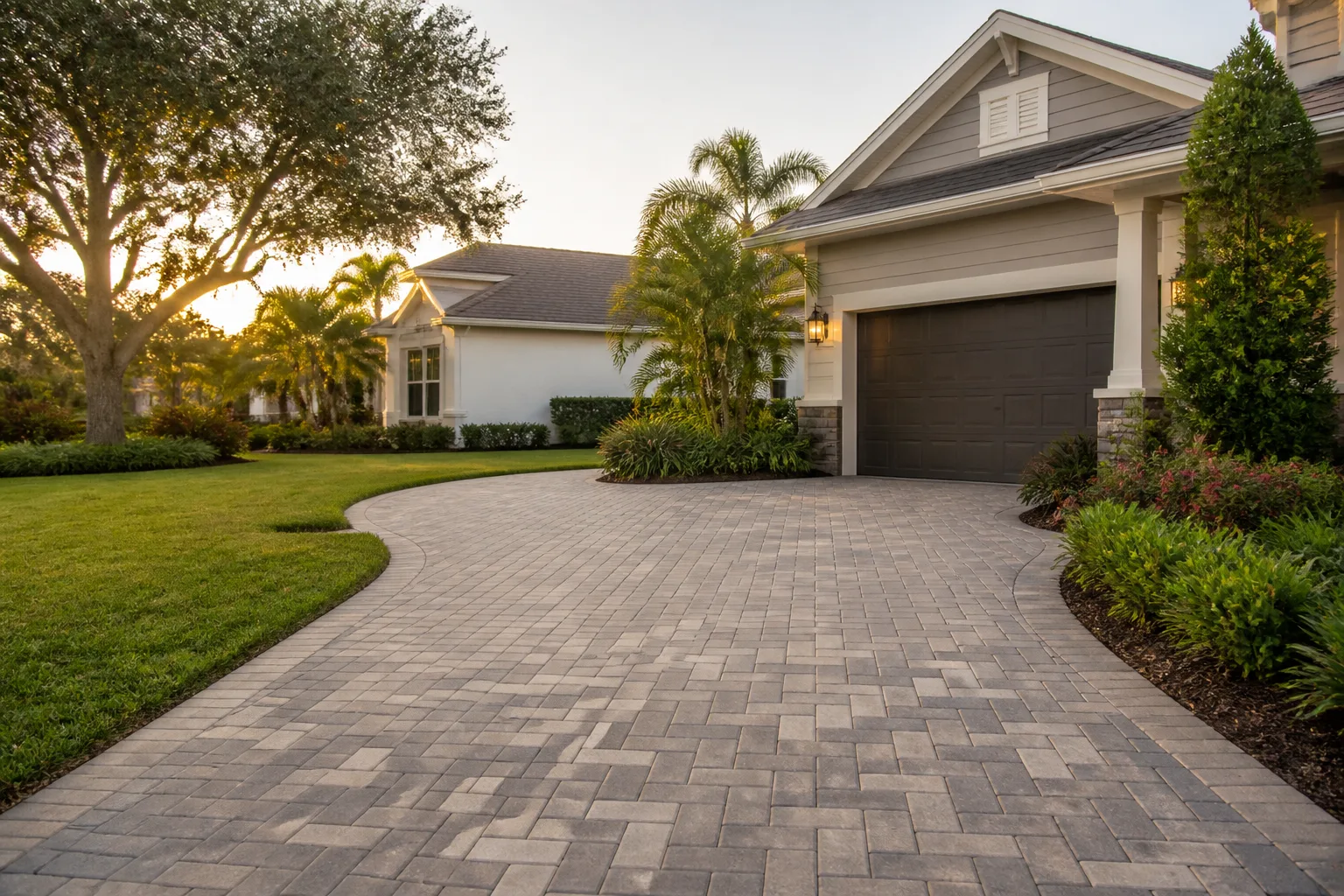
Paver Driveways
Pavers handle clay movement better because individual units can flex slightly, but the joint sand is the maintenance lifeline. Re-sanding, proper sealing, and watching for erosion are the core tasks. Pavers are also much easier to repair – a settled section can be lifted and re-bedded without replacing the whole driveway.
Which Is More Maintenance in Carrollton?
Concrete is lower-maintenance in the short term but more expensive to repair when a slab cracks through. Pavers need more regular attention but fail in smaller, fixable sections. Either way, drainage is the deciding factor for longevity. If you’re weighing a new install, our Driveway & Pavers page covers material choices and installation details for the area.
Drainage and Slope: The Silent Driver of Base Failure
If you take one thing from this guide, make it this: water is what kills driveways in Carrollton, and drainage is what controls water. A driveway that pools, or that slopes toward the garage or a low corner instead of away, is feeding the clay and the freeze-thaw cycle every time it rains. No amount of re-sanding fixes a drainage problem.
How to Check Your Drainage
- Watch a heavy rain. Note where water stands and for how long. Anything more than a thin film that clears within a day is a problem.
- Check the slope at the garage door. Water should run away from the door, not toward it. If water enters the garage during heavy rain, the slope is wrong or a drain is blocked.
- Look at the lowest corner. A low spot that holds water is a chronic erosion zone. It softens the base and accelerates failure.
- Check downspouts and gutters. A downspout that dumps onto the driveway edge is one of the most common causes of local base failure. Extend it or redirect the flow.
- Verify any channel or grate drains. Clear debris before storm season. A clogged drain is worse than no drain because it concentrates water in one spot.
Signs You Need a Professional Drainage Assessment
If water pools for days, if the driveway has settled into a low spot, or if you’re seeing repeated base failure in one area, the fix often means re-grading, adding a drain, or relocating a downspout. That calls for an assessment. And if your project extends to outdoor living or a garage conversion, our Home Additions & ADU in Carrollton team can coordinate the site work so drainage is handled from the start.
Common Mistakes to Avoid
- Ignoring the two weeks after a freeze. That’s the window when the ground is still moving and water is working into micro-cracks. Skip it and a small opening becomes a base failure by summer.
- Applying a film-forming sealer designed for cold climates. It blisters and peels in a Carrollton August. Match the sealer to the temperature swing, not the shelf at a national hardware store.
- Pressure washing at full blast. High pressure blasts the joint sand out and often voids the manufacturer warranty on the affected area. Use low pressure and expect to re-sand afterward.
- Letting water pool against the garage door. A slope or downspout problem that sends water to the door will eventually find its way into the garage and the base under the apron.
- Forgetting about tree roots until the pavers heave. A root barrier installed early is far cheaper than rebuilding a driveway section after the roots have lifted pavers.
- Choosing a sealant or repair that voids the paver warranty. Read the manufacturer’s care guide before you buy a product. A weekend DIY fix can cost you the coverage on a whole section.
- Skipping the fall pre-freeze inspection. Fall is the last chance to seal cracks and clear joints before water gets in and freezes. It’s the cheapest maintenance task of the year.
- Assuming concrete is maintenance-free. Concrete still needs crack sealing and drainage checks, or a small crack becomes a spall and then a slab replacement.
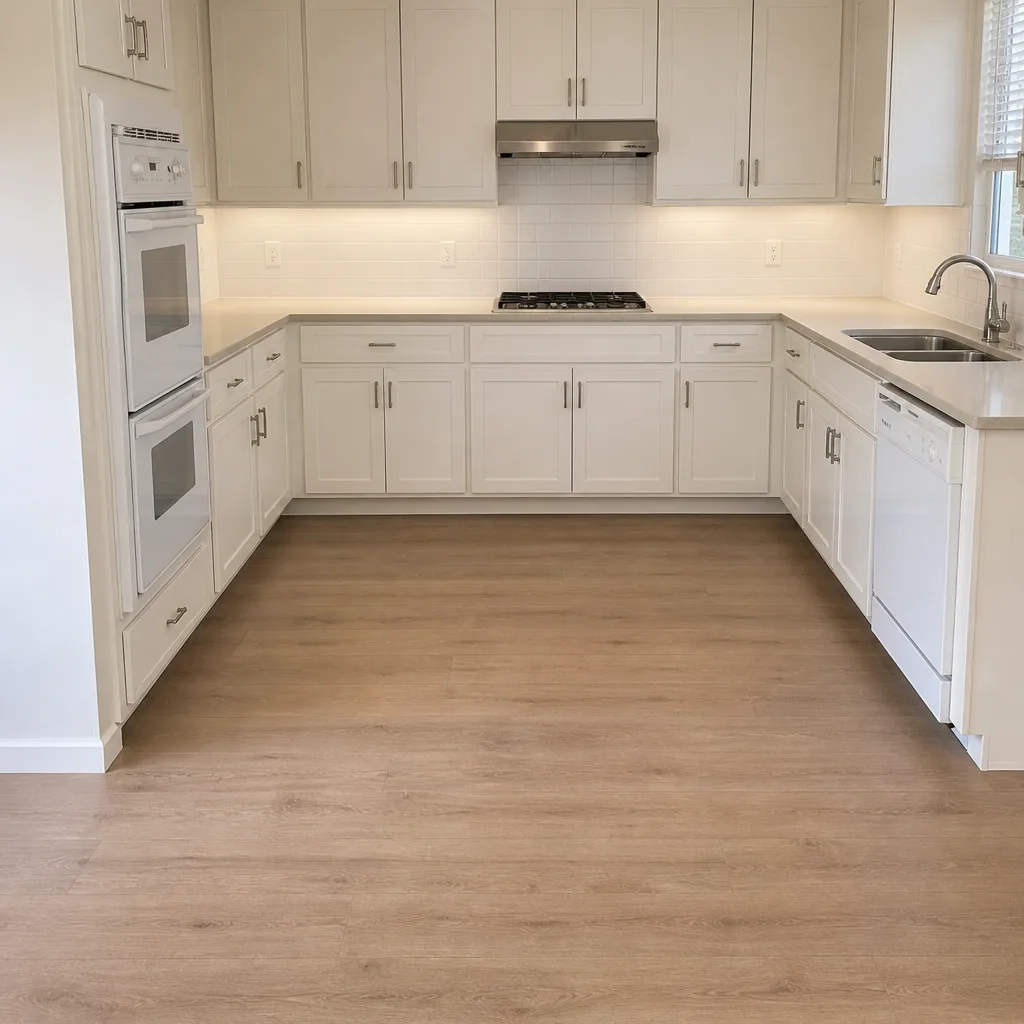
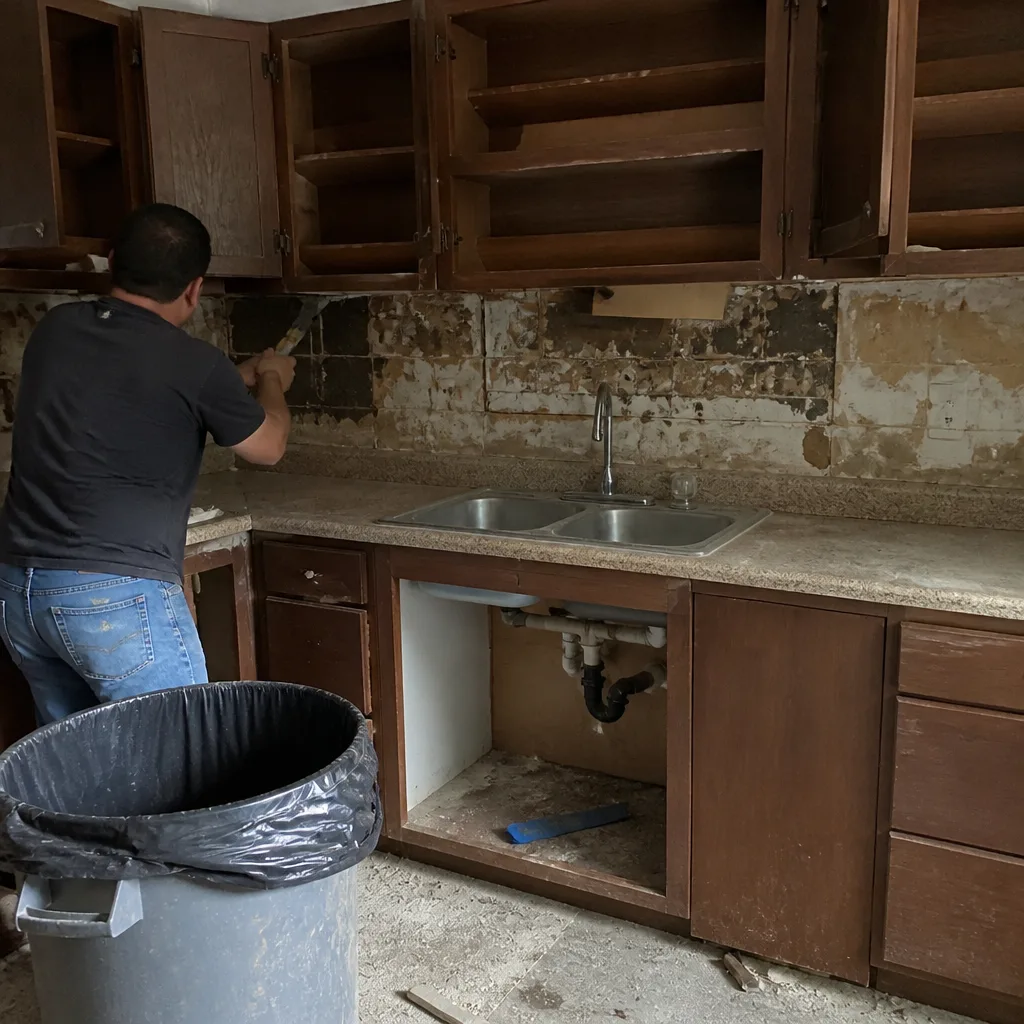
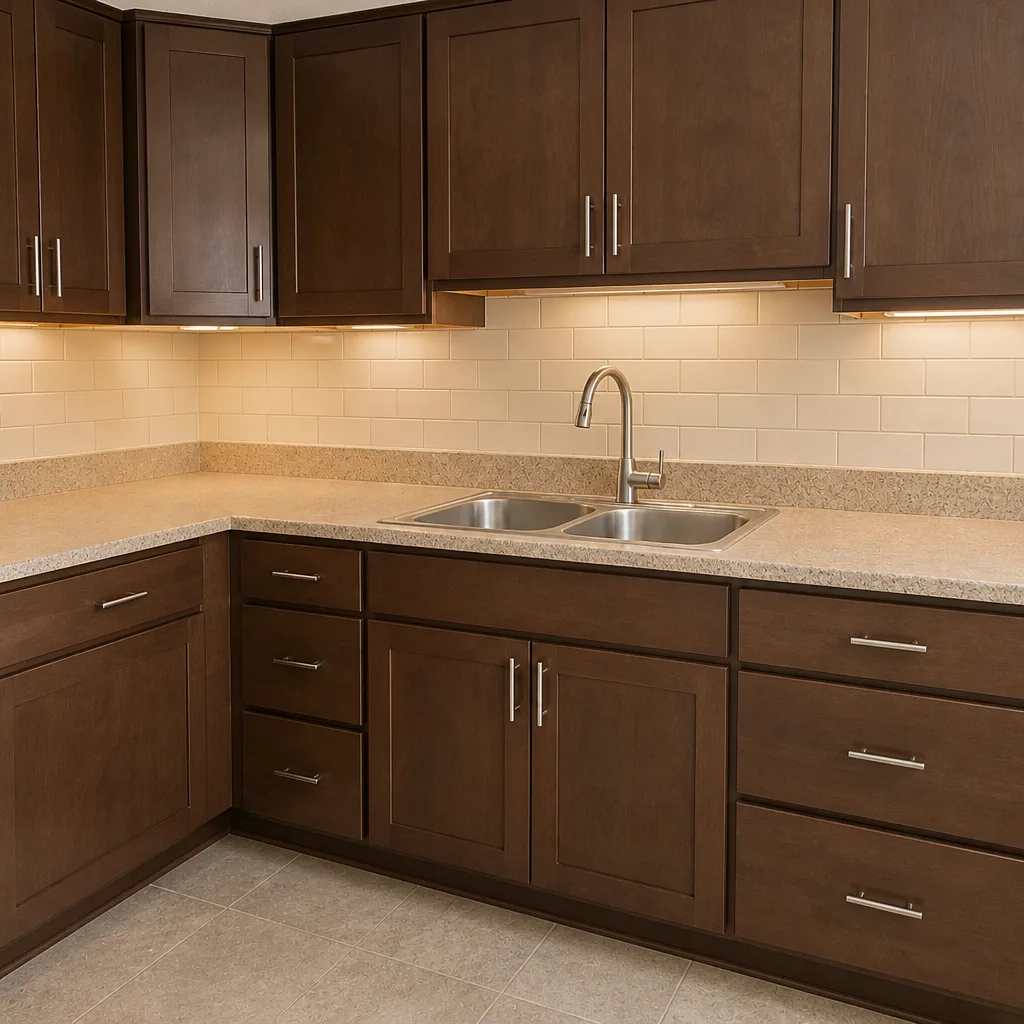
See the difference
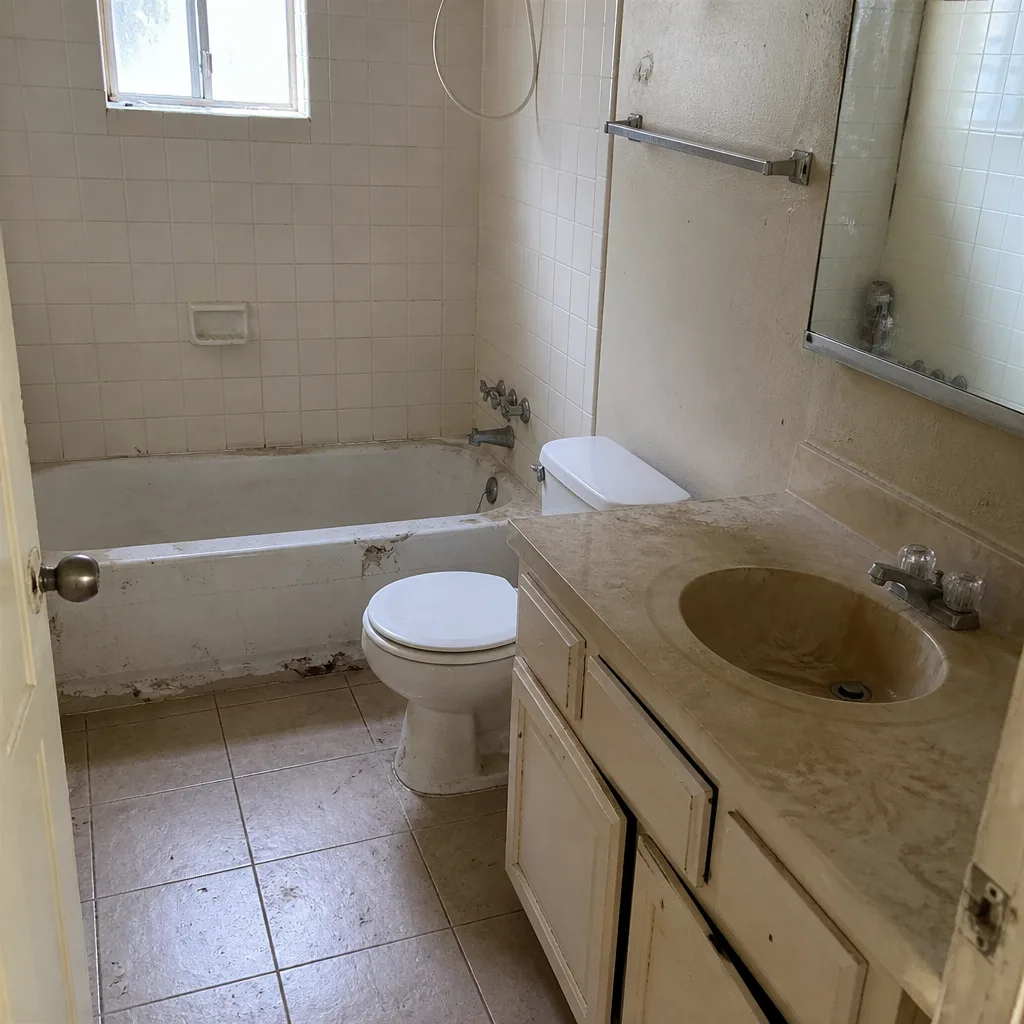 Before
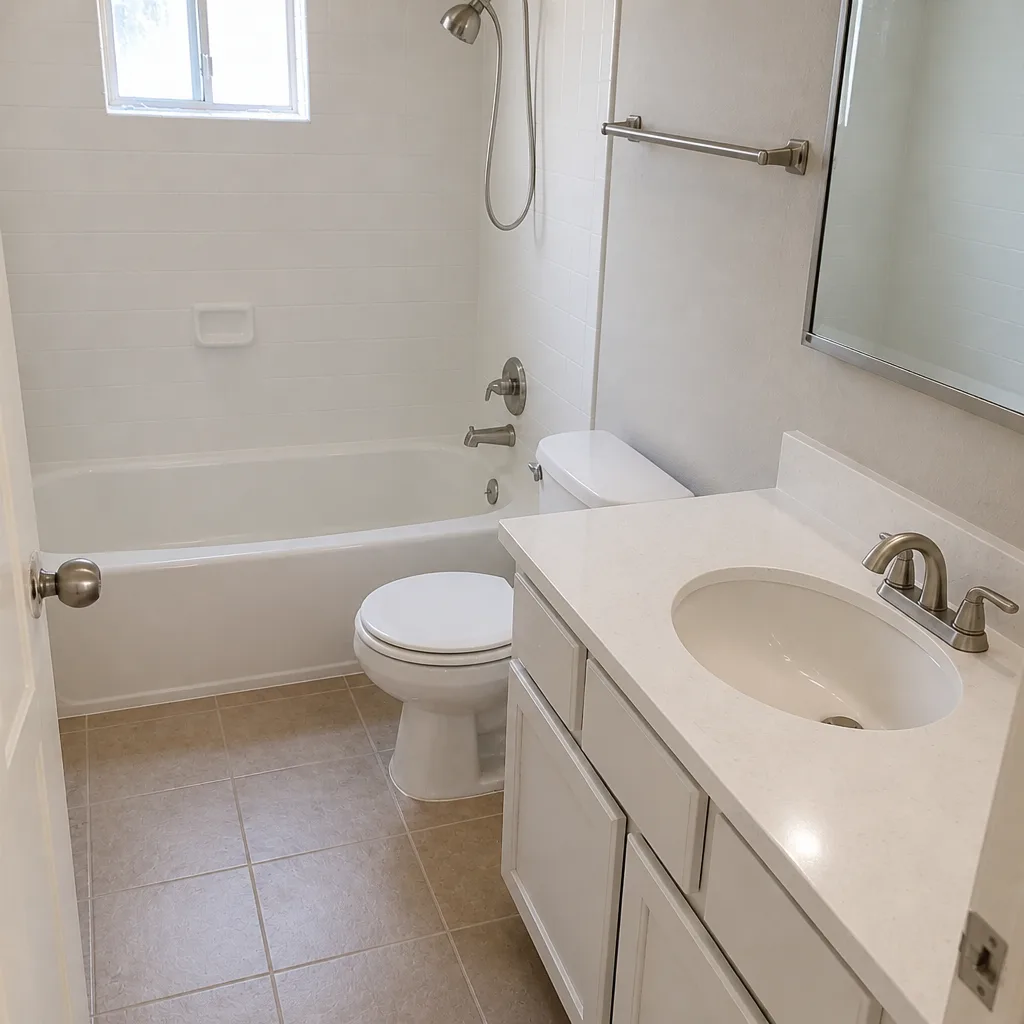 After
 Before
 After
 Before
 After
When to Call a Professional
Some jobs are DIY-friendly: re-sanding joints, clearing debris, extending a downspout, and crack sealing are all reasonable weekend projects. But a few situations call for a professional assessment before you spend more on materials. Call when pavers are rocking or visibly settled, when water pools for days and the slope clearly needs correction, when roots have lifted a section of driveway, when a concrete crack has widened or a slab has spalled, or when you’re not sure whether your intended sealant or repair will void the manufacturer warranty. Unlike high-tension garage springs or roof work, a driveway isn’t a life-safety job, but base failure and drainage corrections are genuine construction work that the right equipment and experience make a one-time fix instead of a repeat problem.
Groundwork Construction Co. of Carrollton offers free estimates in Carrollton – call (844) 560-0925. Our technicians have up to 12 years of experience, every project is covered by our 730-Day Done Right Promise, and the people who answer the phone are live around the clock.
Frequently Asked Questions
Most penetrating sealers in Carrollton last two to three years, while film-forming sealers need recoating more often and can degrade fast in the summer heat. Check the surface in late spring once it’s clean and dry – if water beads quickly and the color looks even, you’re probably fine for another season. Reapply in mild spring or fall temperatures, never during a heat wave.
Freeze-thaw cycles and expansive clay movement are the two main drivers. Water gets into the joints, freezes, expands, and pries the pavers apart; in spring the clay swells and shifts the surface further. Re-sanding in late winter and early spring is the most effective fix, and resealing helps keep water out in the first place.
You can, but use low pressure and expect to re-sand the joints afterward. High-pressure washing blasts joint sand out, damages the surface edge, and can void a manufacturer warranty on the affected area. If your pavers have premium brand coverage, check their care guide before washing.
Yes, that’s a real risk in older neighborhoods with established lots, especially around Downtown Carrollton. A mature oak’s roots can heave pavers and lift the base, and it usually starts on the side nearest the tree. Installing a root barrier early is far cheaper than rebuilding the section after the roots have done their damage.
Call a professional if a crack has widened, if a section has spalled, or if the driveway has settled into a low spot that holds water. Hairline cracks are normal and can be sealed yourself. Anything that affects drainage, structure, or a large area is a repair that should be handled by someone with the right tools and experience.
Usually not. Film-forming sealers designed for steady cold climates can blister, peel, and trap moisture when the surface hits high summer temperatures here. Look for a breathable, UV-stable sealer rated for high heat, and follow the paver brand’s recommendations if you’re under warranty.
The Bottom Line
Carrollton driveways don’t fail because of traffic or bad materials – they fail because water and clay movement catch homeowners off guard. The two weeks after a hard freeze, the spring storm runoff, and the August UV peak are the three windows that decide whether your surface lasts. Keep the month-by-month calendar close, watch for joint-sand erosion early, choose a breathable sealant rated for the heat, and respect your warranties. A little attention in the right season saves you from a base failure that costs far more to fix. And when a repair goes beyond re-sanding, call in the professionals. Groundwork Construction Co. of Carrollton operates from foundation to finish line, backed in writing by the 730-Day Done Right Promise, and the crew is background-checked and uniformed on every job. For premium installations and repairs, we work with leading brand partners like Belgard so you get real quality, not just what’s on the shelf. When you’re ready to tackle your driveway project, call (844) 560-0925 for a free estimate and design consult.
Written by the team at Groundwork Construction Co. of Carrollton.
Need a professional eye on your driveway? Call (844) 560-0925 for a free estimate. A live person answers around the clock, and our upfront pricing means the number you see is the number you pay.