
Free written scope consultation - allowances, timeline, and change-order rules on paper before a single trade is scheduled
Chain Link Fence in Allen, TX: What It Costs and How Long It Takes
A chain link fence in Allen, TX typically runs $3,500 to $9,000 for a standard residential lot, installed in two to three working days once we have the survey and any HOA approval in hand. You’re getting galvanized steel posts set in concrete, tension wire and top rail, and a fabric that holds its tension through North Texas wind. Call (844) 560-0925 for a free on-site estimate and a written, line-item price you can hold us to.
How a Chain Link Fence Gets Built Here, Stage by Stage
Every job follows the same sequence, whether it’s a small backyard run or an acreage perimeter. Here’s what actually happens and when.
Stage 1: Site walk and measurement (day 1, about an hour)
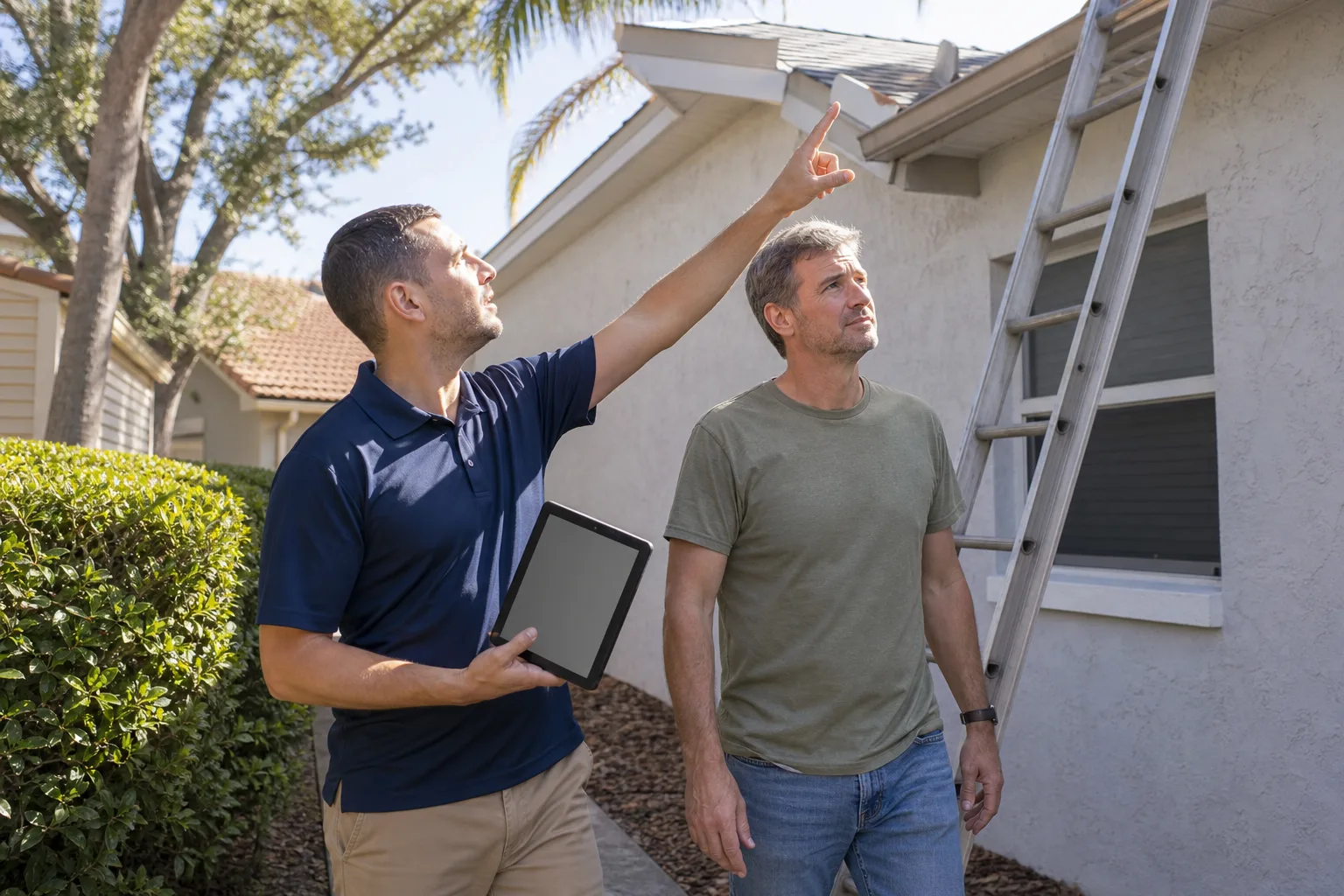
We walk the property line with you and flag what matters: existing utilities, drainage swales, the slope of the lot, and any tree roots or easements that will force a corner or a gate placement. You’ll make your first big decision here – the exact line. In Allen subdivisions on tighter lots, moving a fence 18 inches can be the difference between clearing a utility easement and needing a variance, so we mark it and confirm before anyone digs.
Stage 2: Call 811 and HOA submittal (day 1 to day 5)
Utility locates get called before we break ground; in a market this built-out, hitting a sprinkler line or a cable is common and we’d rather know. If your subdivision has an architectural review committee, this is when your packet goes in. That review can take a week or more depending on the HOA, and it’s the single largest variable in the schedule – not the install itself.
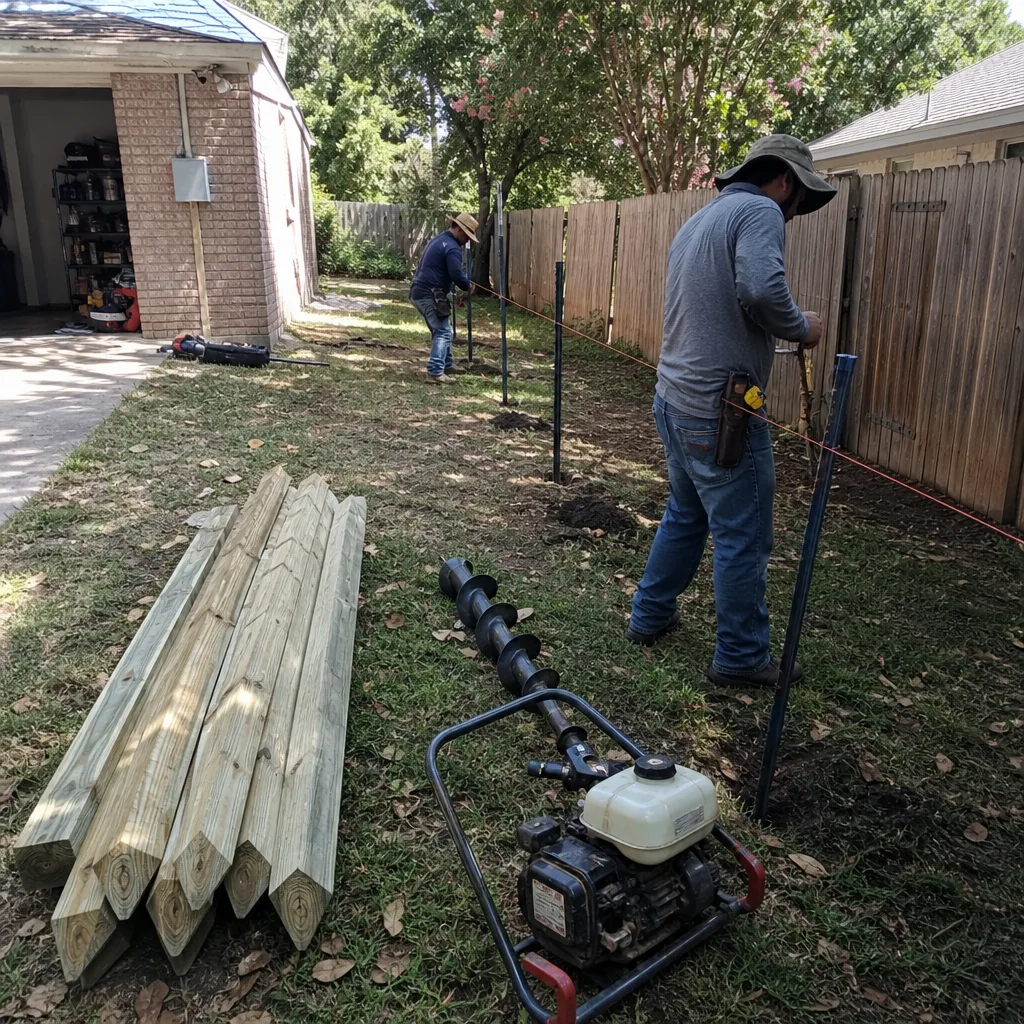
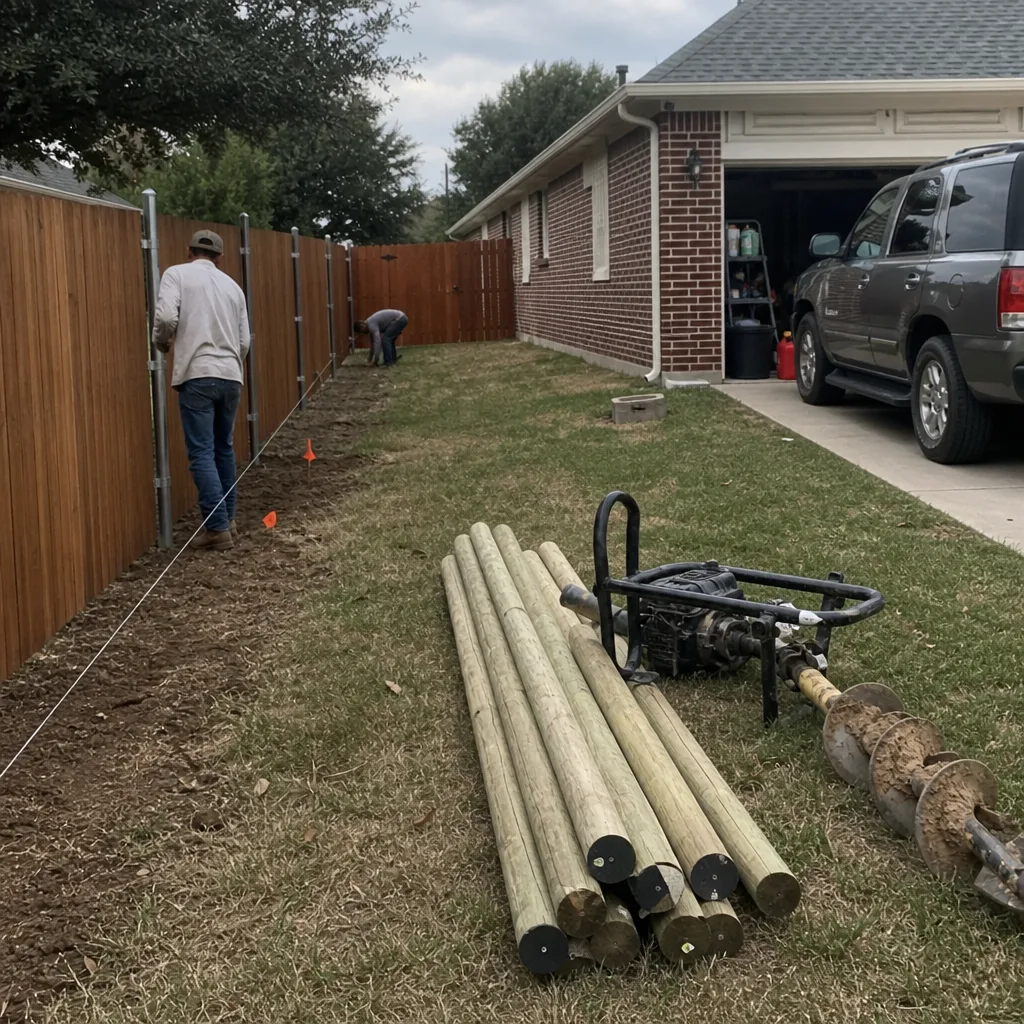
Stage 3: Dig and set posts (day 1 of install, roughly 4 – 6 hours)
Posts go roughly two feet deep in concrete, spaced ten feet apart on straight runs. On Allen’s black clay this is where the job earns its keep: the soil holds water in spring and shrinks hard by August, so we set concrete properly and check plumb as we go rather than after it cures. Corner and terminal posts get extra concrete because they carry the tension. You’ll decide gate locations and swing direction before the first post goes in the ground.
Stage 4: Rails, fabric, and tension (day 2, 3 – 5 hours)
Top rail threads through, fabric gets stretched with a come-along and tied off, and tension wire runs along the bottom to keep the fabric from lifting. We walk the line with you at the end for tension and height checks. This is the stage that separates a fence that stays tight for fifteen years from one that sags by year three.
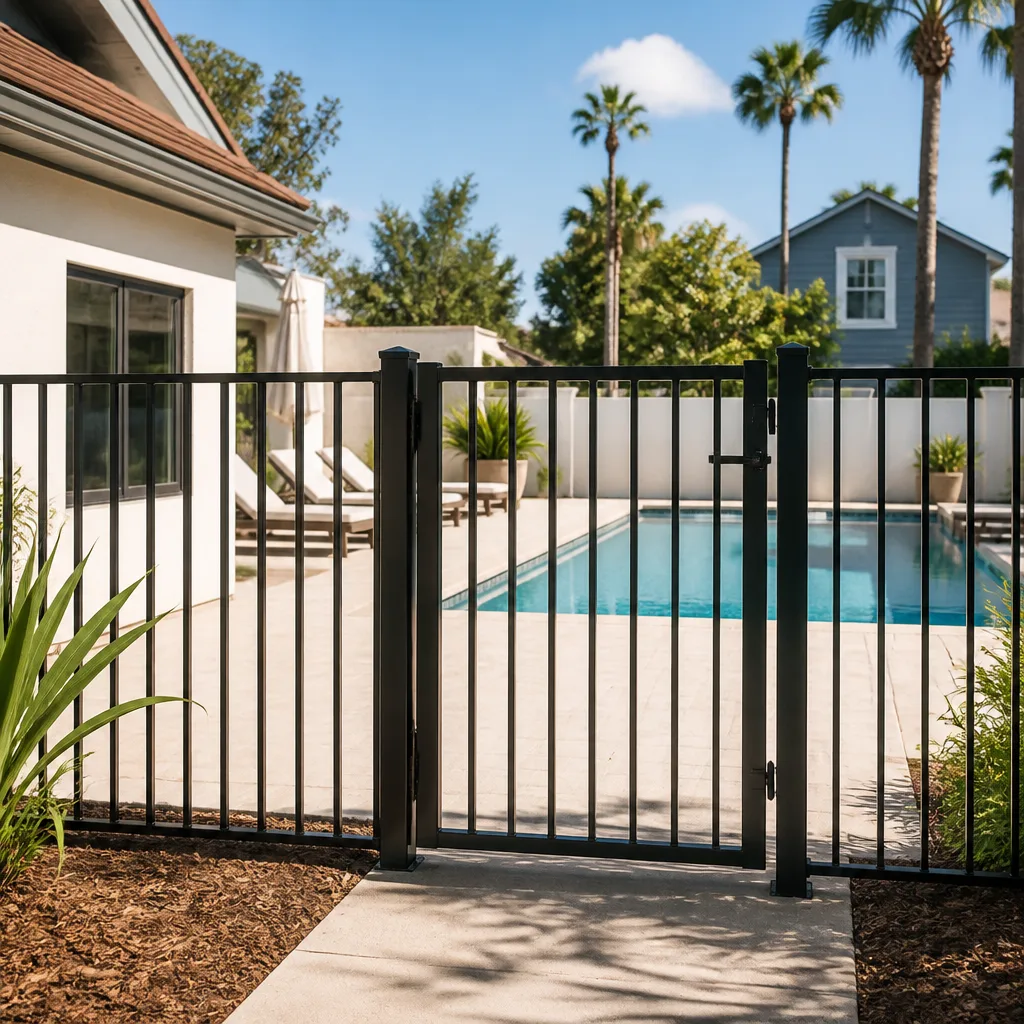
Stage 5: Gates and cleanup (day 2 or 3)
Gate frames get hung, hinges and latches set, and the site gets cleared. We haul off cuttings and concrete spoil; you shouldn’t be looking at a wheelbarrow of clay after we leave. Most jobs finish inside three days of install work – the paperwork, not the labor, is what stretches the calendar.
Styles & brands we work with
- Kitchen remodeling
- Bathroom remodeling
- Home additions & ADU
- Roofing
- Windows & doors
- Driveway & pavers
- Fence
The Options You’ll Choose Between
Chain link isn’t one product. These are the real forks in the road, with the honest trade-off on each.
- Galvanized vs. vinyl-coated fabric. Plain galvanized is the value pick and lasts decades, but it turns dull gray and reads industrial. Color-coated (black or green) costs roughly 15 – 25% more and blends into landscaping far better. On an Allen backyard visible from a screened porch, most homeowners go coated.
- Height: 4 ft, 5 ft, or 6 ft. Four-foot is typical for a residential boundary; six-foot is what HOAs and pool barriers usually demand and it costs more per linear foot because of heavier posts, more fabric, and more concrete.
- Mesh size and wire gauge. Standard residential is 2-inch mesh in 11.5-gauge wire. Smaller mesh and heavier wire cost more but resist dogs and impact better – worth it if you have a large breed.
- Gates: walk-through vs. drive-through. A walk gate is a small line item; a 12-foot double drive gate with heavy hinges and a drop rod adds real money and needs better posts. Decide gate count early, because retrofitting one later means resetting posts.
- Privacy options. Slats, windscreen, and privacy tape convert chain link into a visual barrier without a new fence. Cheaper than a full privacy build, and honestly not as good-looking. If privacy is the actual goal, that’s a different conversation.
What Chain Link Fence Costs in Allen, TX
Plan on $3,500 to $9,000 for a residential chain link job in Allen. A simple 150-foot backyard run with one walk gate and no surprises lands near the bottom; a large corner lot with multiple gates, six-foot height, coated fabric, and HOA submittal work pushes toward the top.
| Line item | Typical range |
|---|---|
| Standard 4 – 5 ft galvanized chain link | $3,500 – $6,000 |
| 6 ft height, coated fabric | $5,500 – $9,000 |
| Walk gate (installed) | $250 – $550 |
| Double drive gate (installed) | $800 – $1,800 |
| Slats or privacy insert | $600 – $2,000 |
| Removal and haul-off of old fence | $300 – $900 |
Four things move the number: total linear feet, height and gauge, gate count, and site condition – slopes, tree removal, and old concrete footings that have to come out all add labor. A written estimate from us lists post spacing, gauge, height, gate hardware, and whether removal and HOA submittal are included. It also states what isn’t: landscape repair, sod replacement, irrigation relocation, and any survey work if the property line isn’t marked.
Every job we do is covered by our 730-Day Done Right Promise – if it’s not done right, we make it right – and our technicians have up to 12 years of experience. Beyond fence work, if your project grows into a full Fence Installation in Allen scope with mixed materials, that’s a conversation we can have on the same visit. Pricing is upfront: the number you see is the number you pay.
See the difference
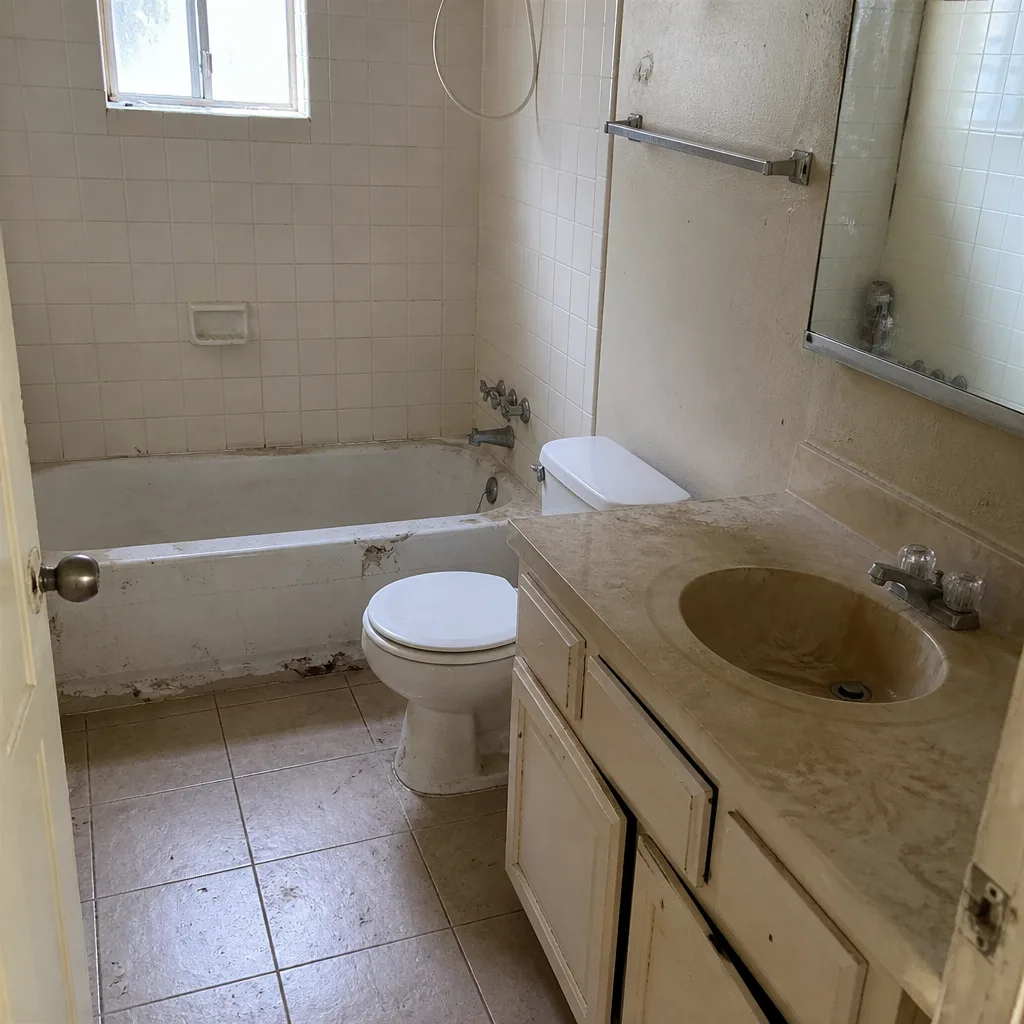 Before
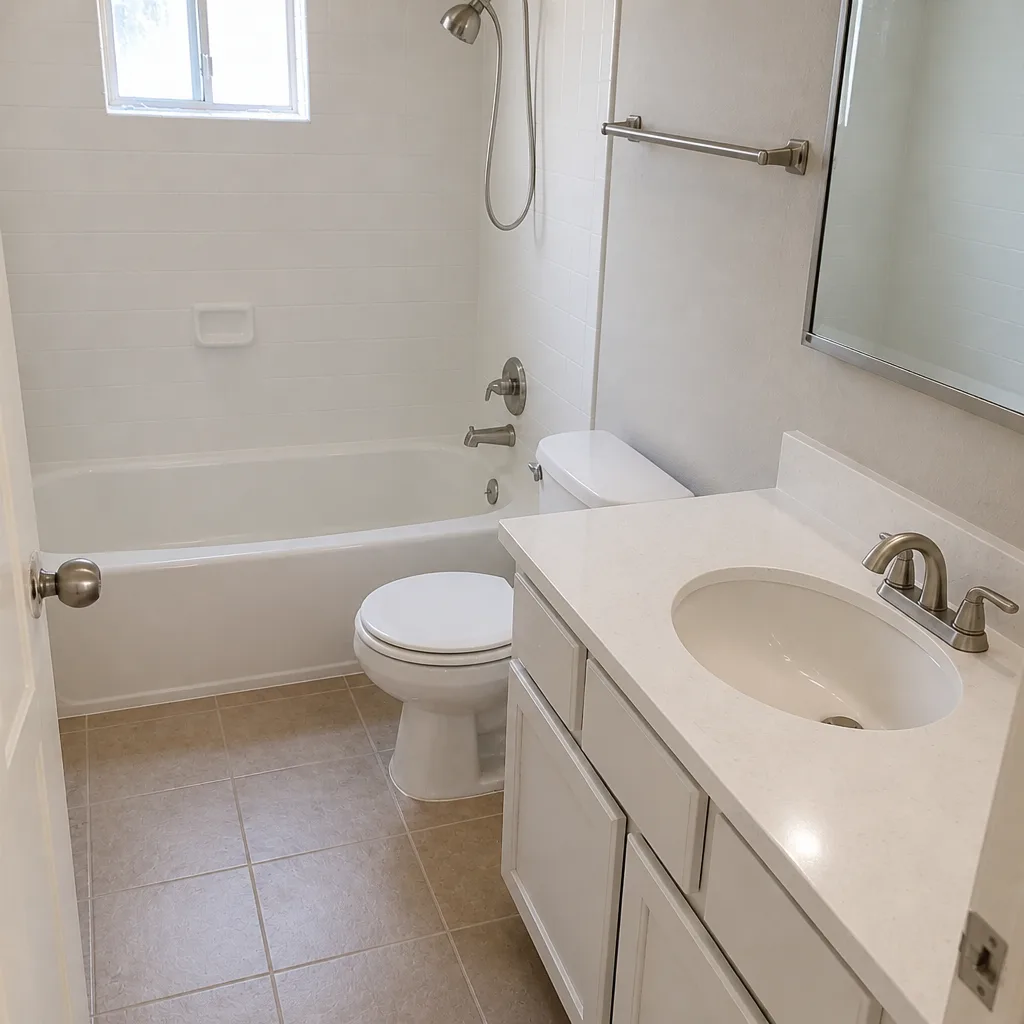 After
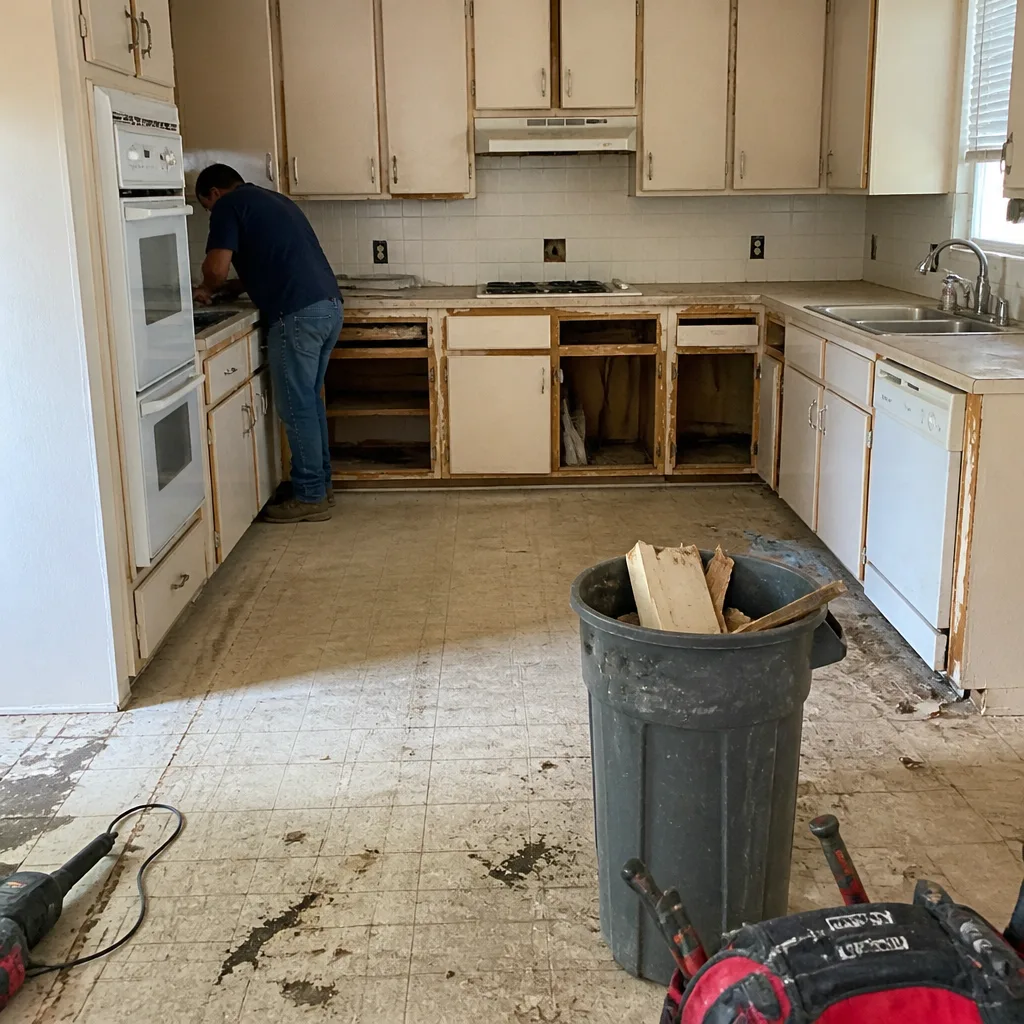 Before
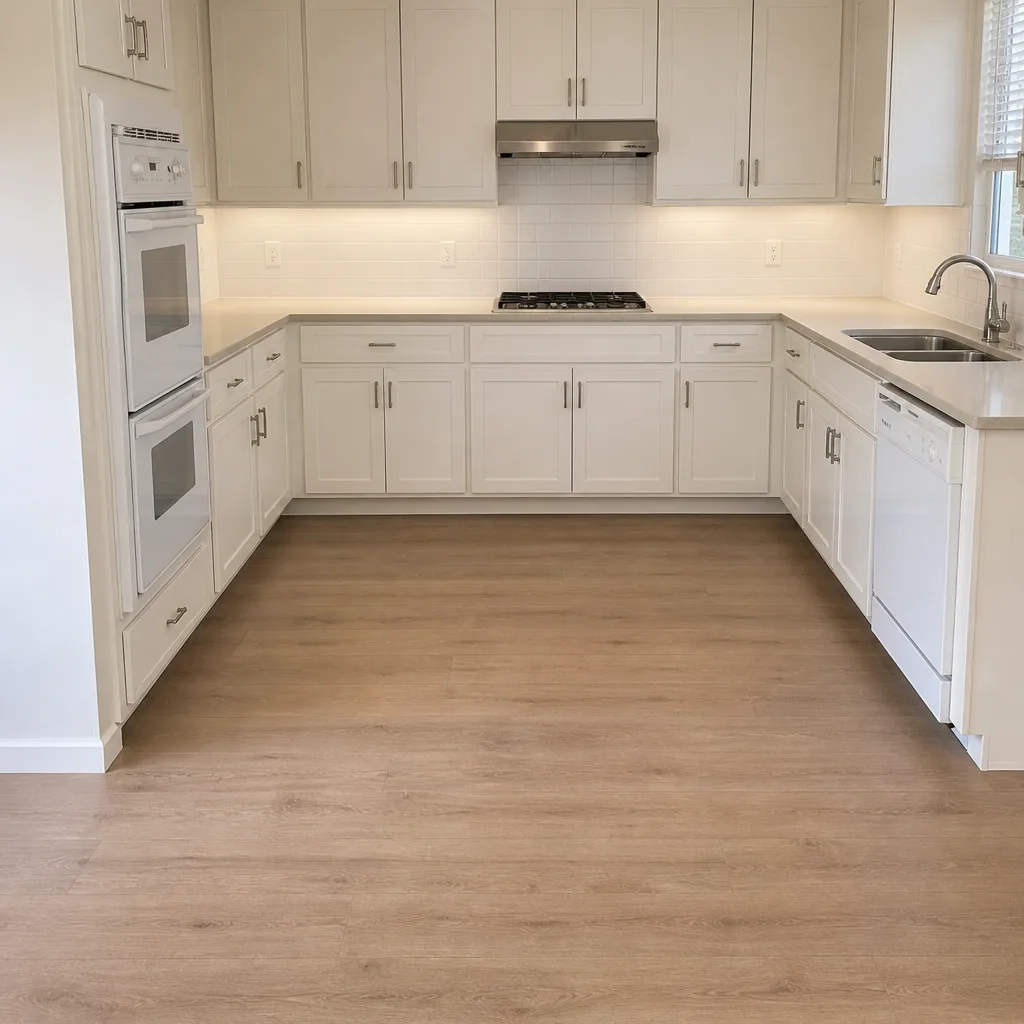 After
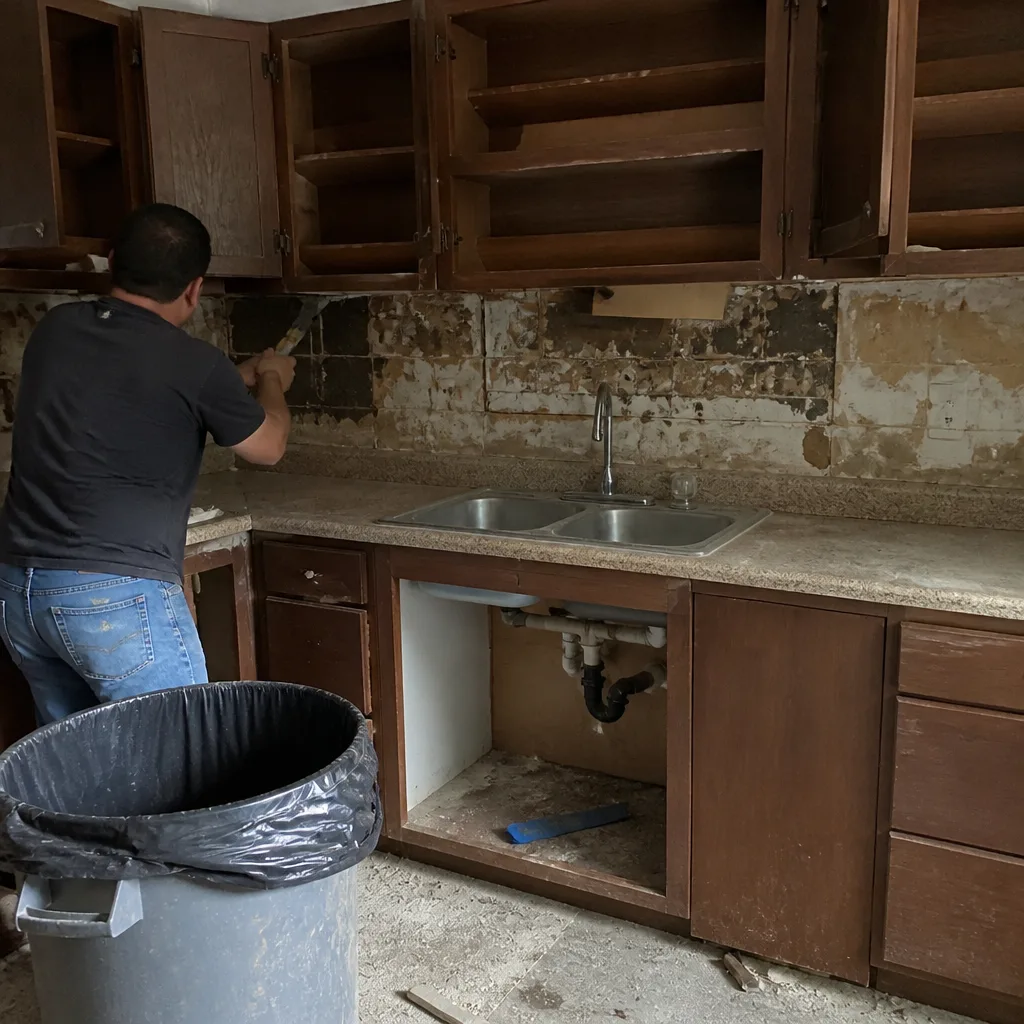 Before
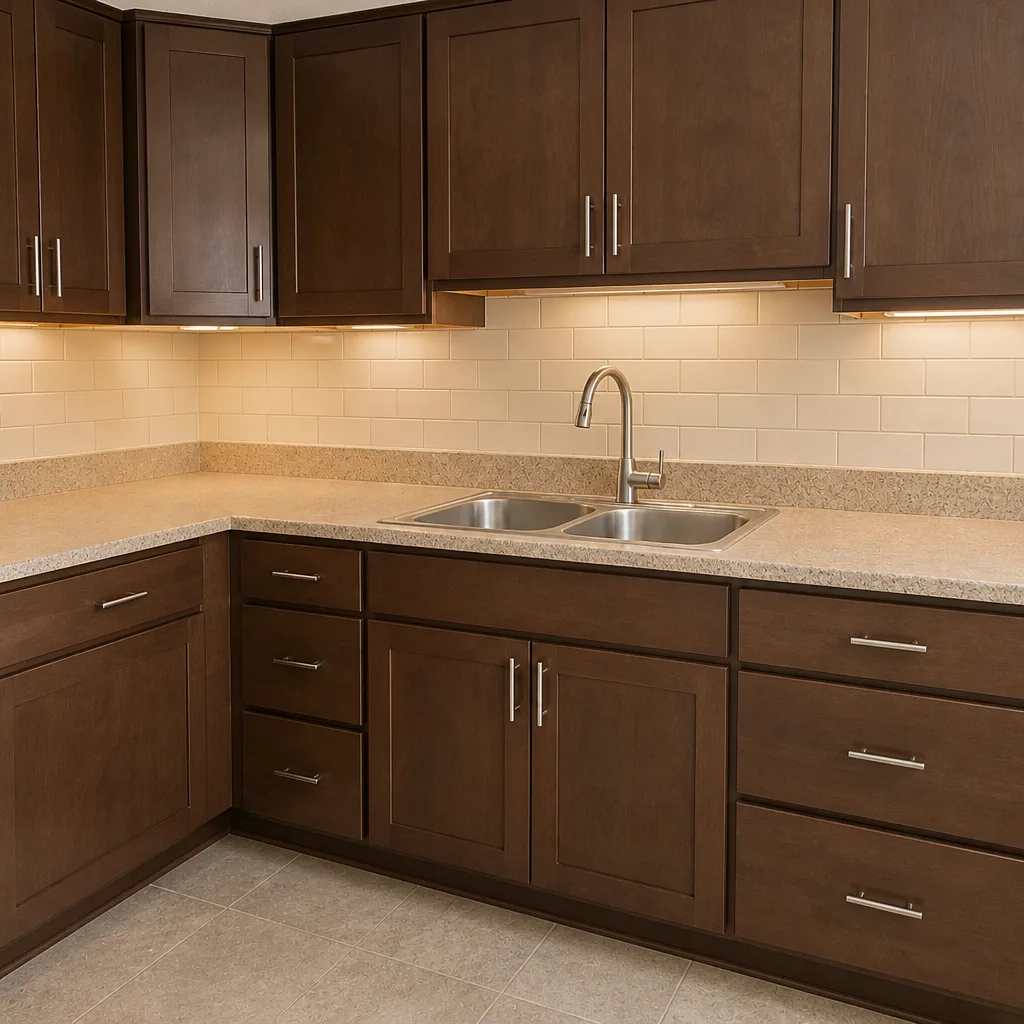 After
What Allen Homes Specifically Do to This Job
Allen was a small rural town until the late 1980s and 90s, when it became a Collin County suburb almost overnight. That means most of the homes we fence here sit in a narrow build-era band from roughly 1990 to 2015 – a master-planned subdivision stock of brick veneer, slab-on-grade, and composition roofs. Contractors in Allen are doing first-cycle replacement work on 25- to 30-year-old subdivisions all at once, not the patchwork remodel you’d see in an older inner-ring city.
In practice, that reshapes a chain link job in three ways. First, original fences from the 90s are typically at the end of their life – posts rusted through at the soil line, gates sagging from stretched hinges – so removal is often part of the bid, not an afterthought. Second, the black clay under these slab foundations expands and contracts hard with the wet-dry cycle, and fence posts live in that same soil. A post set in a wet spring can heave and lean by August if it wasn’t concreted correctly, which is why we over-set corner and terminal posts rather than trusting the straight runs. Third, spring hail and straight-line winds are a fact of life from the Exchange Parkway corridors out to the 75002 acreage edges, and chain link handles wind far better than a solid panel fence – one more reason it stays common on larger lots.
HOA rules vary block to block in the 75013 townhome and mixed-use infill areas near US-75, so we read your specific covenants before we quote, not after. Where a project includes regrading a fence line or trenching for utilities, homeowners often pair this with ADU Site Prep & Utilities in Allen so the site work happens once. If a gate line happens to include an exterior entry door, we handle that too through Door Installation in Allen – using brands like Therma-Tru, which holds up to the same North Texas sun and hail that beats up your fence. Our Fence Installation service covers the wider material range, and we work across Allen including Fairview, Plano, Murphy, and Richardson edges.
Serving Allen, TX – Our Local Coverage Area
We serve Allen and nearby communities. Use the map below to see the area we cover. If you’re nearby, we can almost certainly help.
Frequently Asked – Chain Link Fence in Allen

Most residential chain link projects in Allen finish in two to three working days of install, once survey and HOA approval are in hand. The HOA architectural review is the longest variable – plan a week or more if your subdivision requires it. Call (844) 560-0925 for a schedule estimate specific to your lot.
Residential fence permits in Allen depend on height and lot type, and HOA covenants often add their own rules on top. We check your specific situation before we quote, and where a permit is required, we handle it. Call (844) 560-0925 and we’ll tell you exactly what your property needs.
Budget roughly $18 to $32 per linear foot installed in Allen, depending on height, wire gauge, coated vs. galvanized fabric, and gate count. Full projects typically land between $3,500 and $9,000. Call (844) 560-0925 for a free line-item estimate.
No – the number you see is the number you pay. If we discover an old concrete footing or a hidden utility during the dig, we stop and talk to you before any change happens. You’ll never see a surprise line item on the final invoice. Call (844) 560-0925 to schedule your free estimate.
Every fence we install is covered by our 730-Day Done Right Promise – if it’s not done right, we make it right. That covers workmanship; manufacturer warranties cover the fabric and hardware separately. Calls are answered by a live person 24/7, so you’re never stuck with voicemail when something needs attention. Call (844) 560-0925 to get started.
Get a Free Chain Link Fence Estimate in Allen
We’ll come out, walk the property line with you, confirm the height, gauge, and gate layout, and leave you with a written line-item price – free, no pressure. Spend ten minutes on the call and you’ll know whether your HOA needs a submittal and roughly how long the job will take. Call (844) 560-0925 today and we’ll get a site visit on the calendar.
Written by the team at Groundwork Construction Co.