Free written scope consultation - allowances, timeline, and change-order rules on paper before a single trade is scheduled
Styles & brands we work with
- Kitchen remodeling
- Bathroom remodeling
- Home additions & ADU
- Roofing
- Windows & doors
- Driveway & pavers
- Fence
See the difference
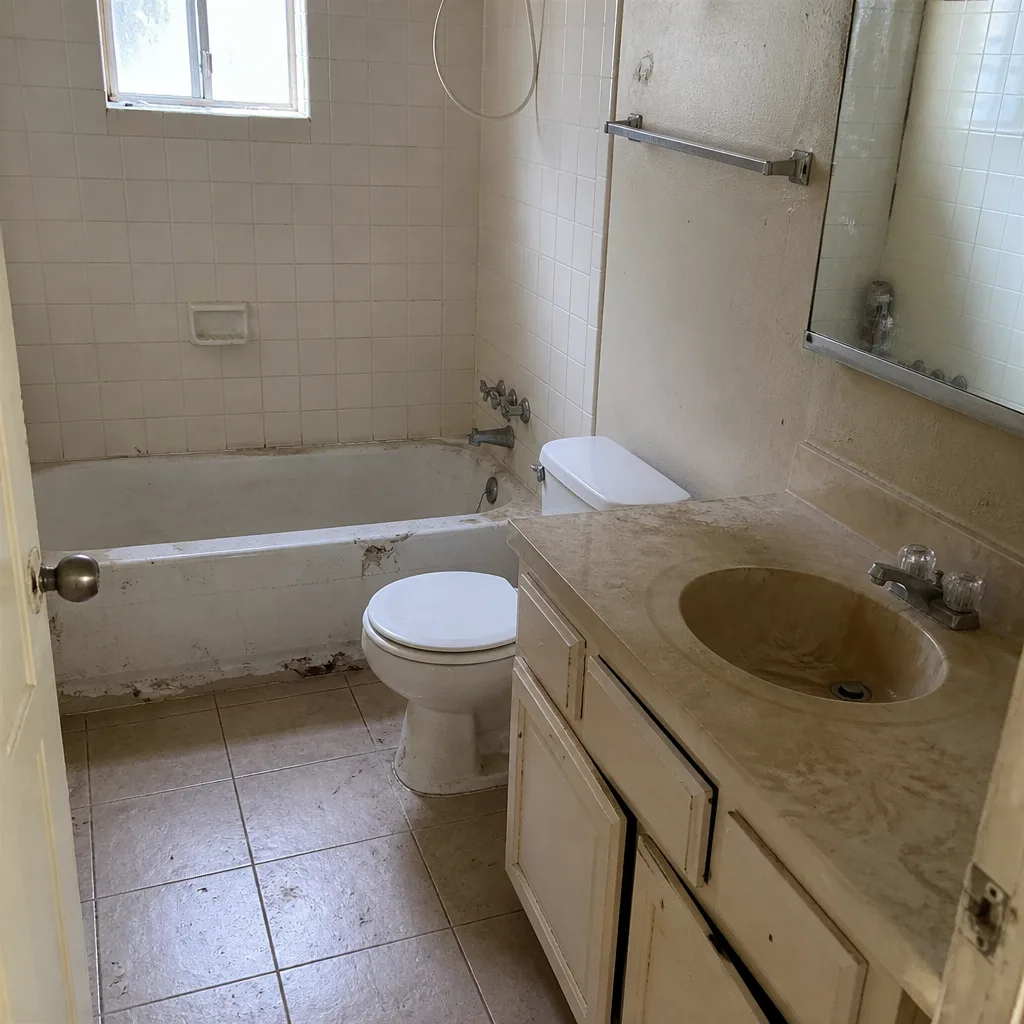 Before
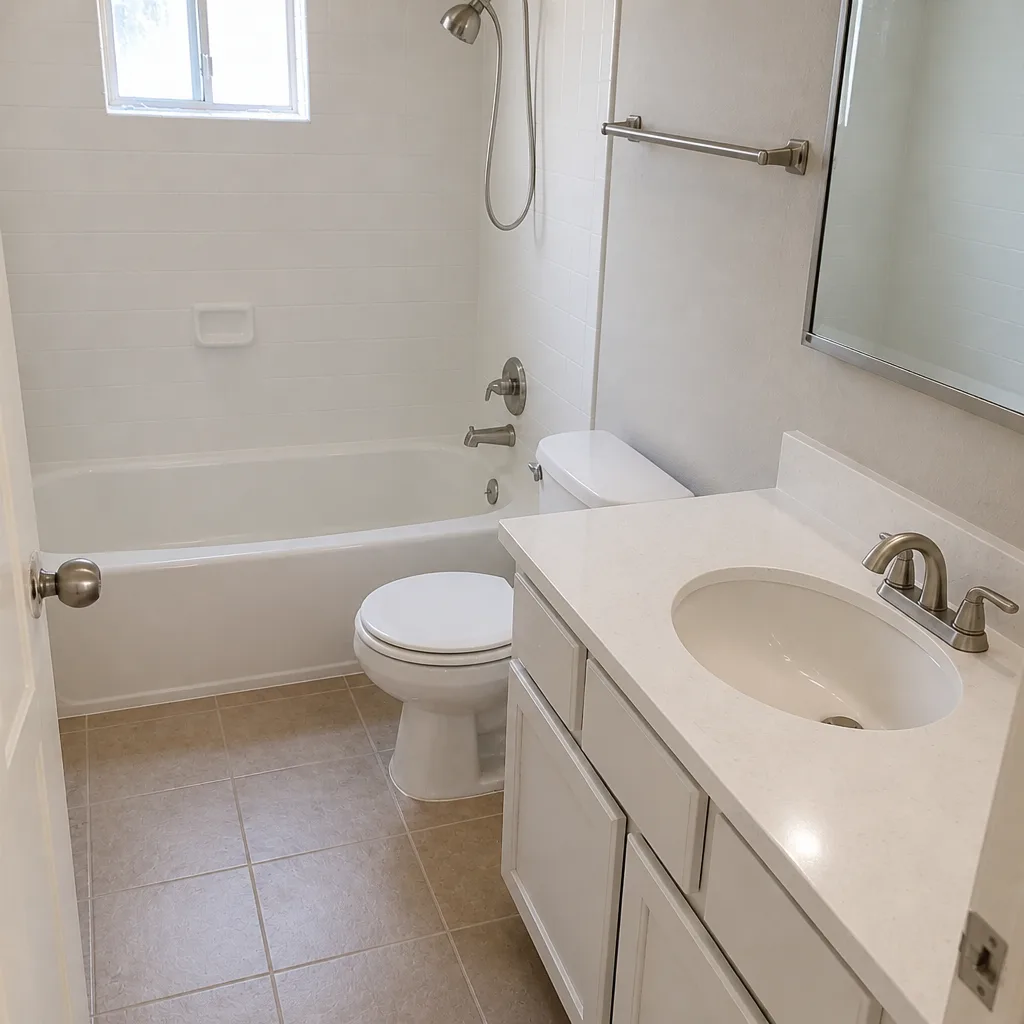 After
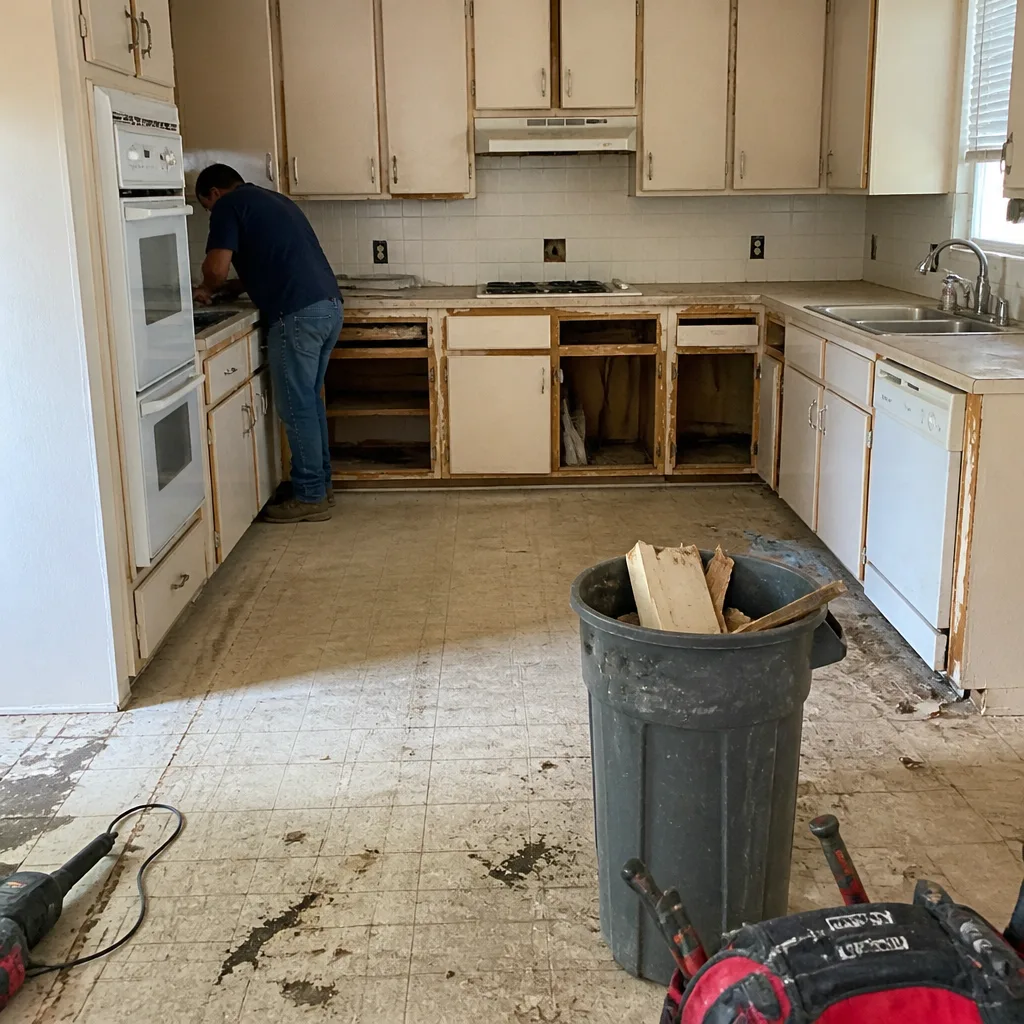 Before
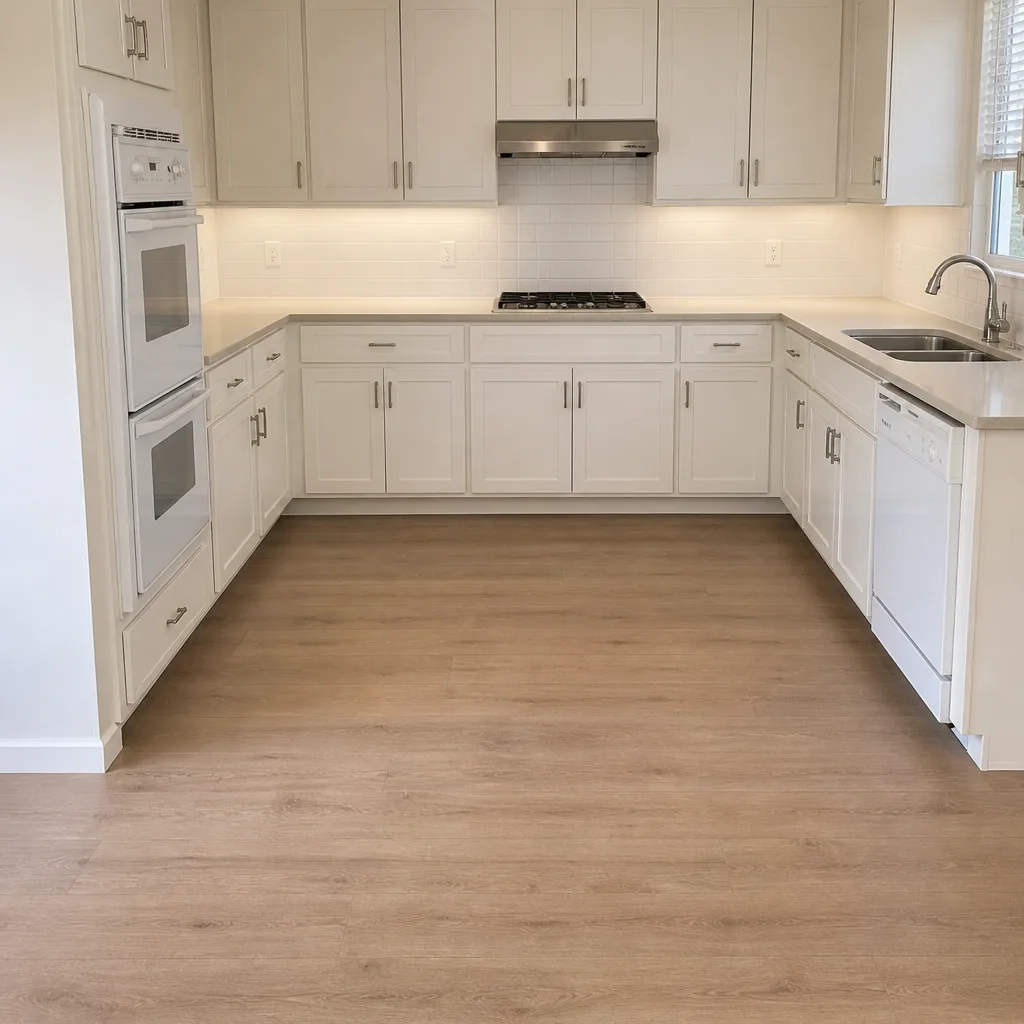 After
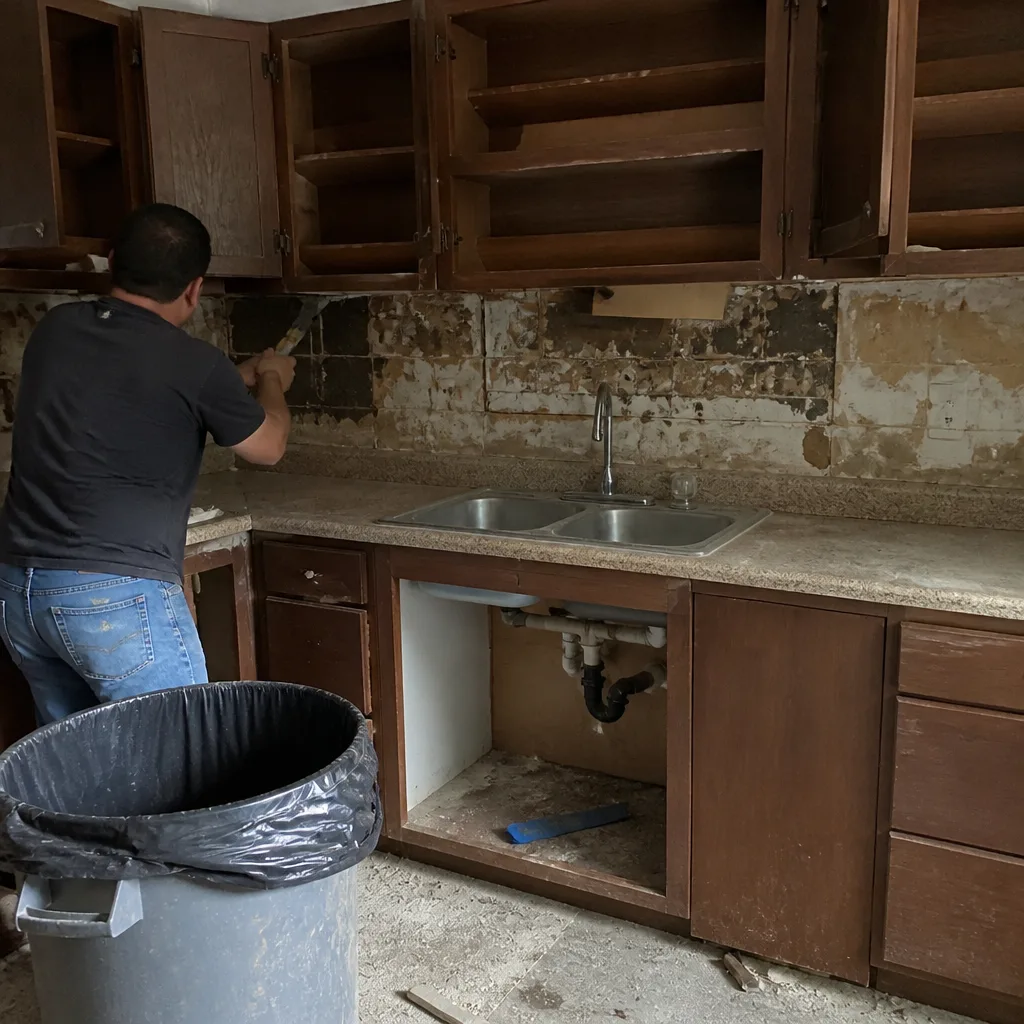 Before
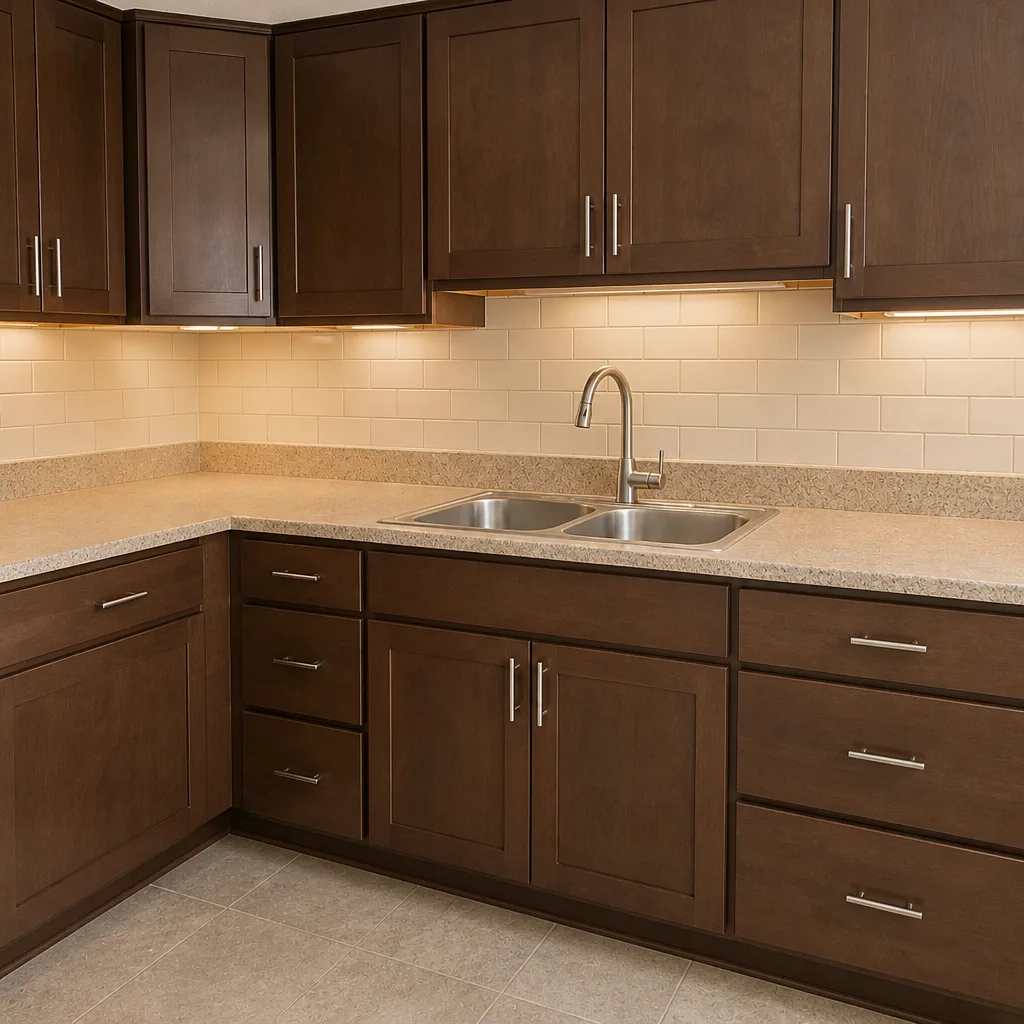 After
Junior ADU vs Standard ADU in Carrollton, TX: Which One Fits Your Lot?
Choose a junior ADU (JADU) if you want the lower-cost, faster-to-permit path and you’re willing to give up an interior bedroom or convert part of your existing house. Choose a standard ADU if you need a fully independent unit you can rent separately and you have the lot depth for a detached structure. On most 1960s Carrollton ranch lots, that second condition is the one that decides it. Call (844) 560-0925 for a free estimate and we’ll tell you straight which path your property can actually support.
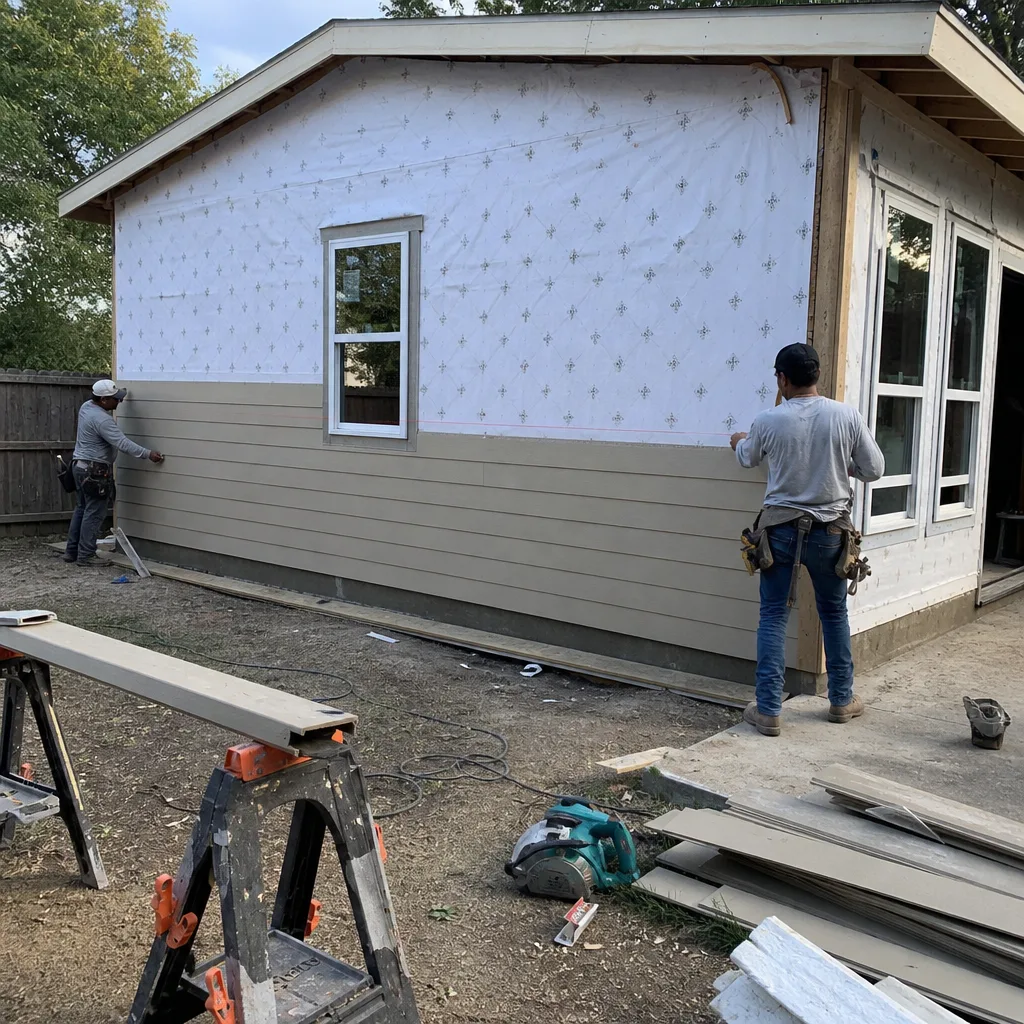
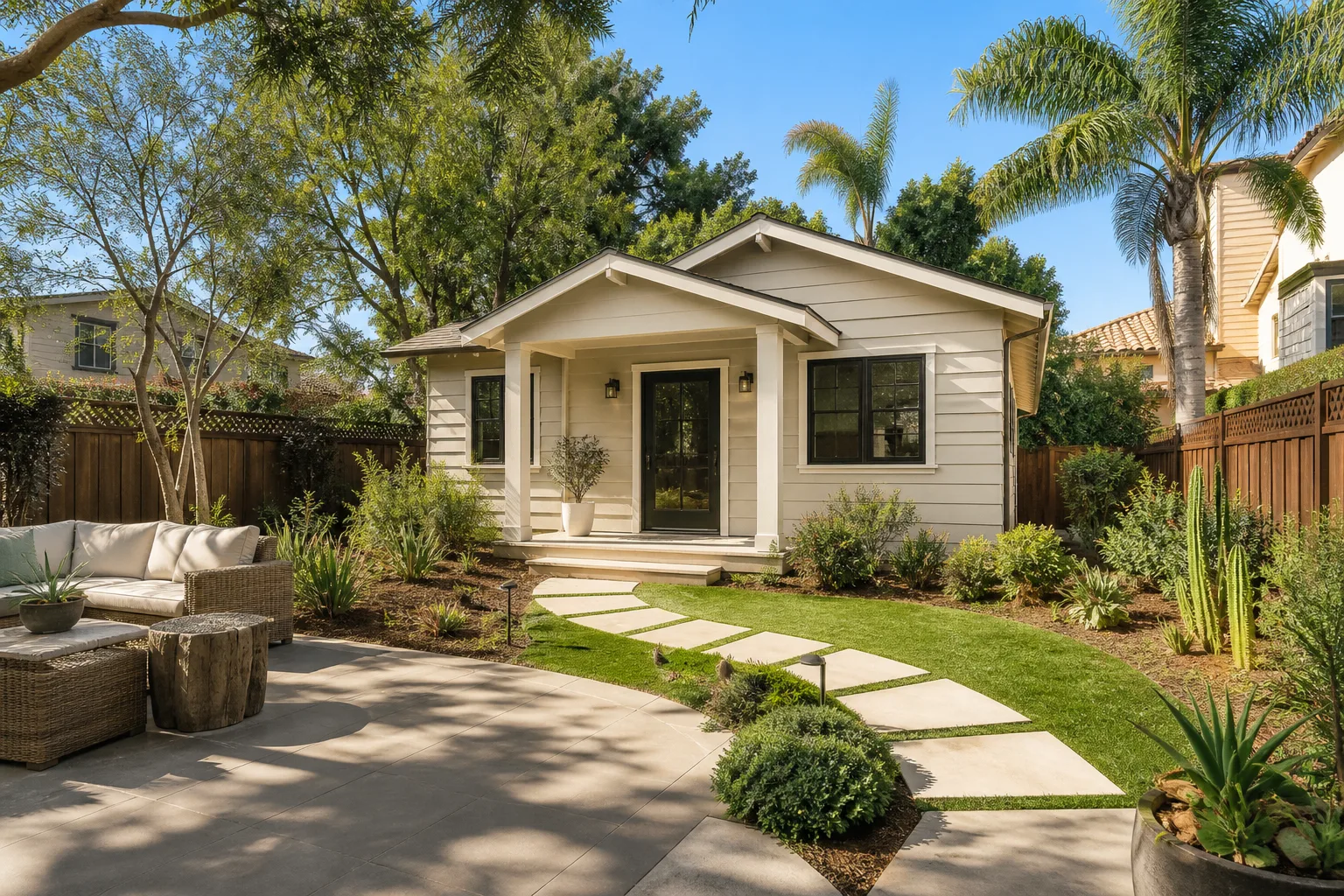
Why Carrollton Lots Force This Decision Earlier Than You’d Expect
On a typical 60×125 Carrollton ranch lot, once you subtract front, side and rear setbacks and clear the alley easement at the back, there often isn’t room left for a code-compliant detached ADU. That’s the reality that shapes everything else. The junior ADU path isn’t just cheaper here – on many of these lots it’s the only option the city will approve.
Carrollton’s postwar building boom from the 1950s through the 1970s left large tracts of ranch homes now heading into their first major remodels and room additions. The city’s alley-access and drainage rules run stricter than what neighbors like Plano or Farmers Branch enforce, which is why a garage-conversion or interior JADU often pencils out where a detached build simply stalls at the setback review. If your lot is tight, we walk the property and check the easement before anyone draws a plan.
JADU vs. Standard ADU: The Comparison That Actually Matters
Here’s how the two paths stack up across the variables Carrollton homeowners ask about most. Pricing reflects our market ranges; permitting and timeline depend on your lot and existing structure.
| Variable | Junior ADU (JADU) | Standard ADU |
|---|---|---|
| Typical total cost | $45,000-$80,000 | $90,000-$220,000 |
| Permitting complexity | Moderate – interior/garage conversion, fewer site-plan hurdles | Higher – new footprint, setback and coverage review |
| Typical timeline | Faster, since the shell already exists | Longer, from site work through final inspection |
| Impact on lot coverage | None – reuses existing square footage | Adds to coverage; often the dealbreaker on tight lots |
| Utility metering | Shares the main house meter | Separate connections or documented shared metering; new subpanel, water meter application, possibly a sewer lateral tie-in |
| Can it be rented independently? | Limited – kitchenette only, no full range | Yes – full kitchen, independent rental appeal |
The recommendation, plainly: if your goal is a private suite for a parent, adult child or long-term guest, and your lot is the standard 60×125, the JADU is usually the smarter spend. If your goal is rental income at market rate, the standard ADU earns its extra cost back over time – provided your lot clears setbacks. We build both under the same Home Additions & ADU scope, so the recommendation comes from the site walk, not a sales script.
The Kitchen Rule That Changes Your Rental Math
A junior ADU cannot have a full kitchen with a range – only a kitchenette. That single code limit is the biggest reason a JADU rents for less than a standard ADU and appeals to a narrower pool of tenants. A kitchenette covers a microwave, sink, small fridge and counter space. It’s plenty for family. It’s thin for a renter who cooks every night.
Standard ADU units avoid that ceiling because they get a full kitchen and their own utility setup. But those connections are where the hidden costs live: a new electrical subpanel, a water meter application, and in some cases a sewer lateral tie-in. None of those line items exist in a JADU conversion, which is exactly why the cost gap between the two is real and not just marketing.
What We Check Before We Quote a JADU (The Cast-Iron Problem)
Original cast-iron drain lines under 1960s Carrollton ranch homes are now at or past service life. That matters for a JADU specifically, because adding a kitchenette drain tie-in can expose a failing section of the main drain stack – a problem a standard detached ADU never touches in your existing house.
So we scope drain conditions before we finalize a JADU estimate. We’d rather find a soft cast-iron run during the walkthrough than have it surface mid-project with your flooring already open. That’s the first-hand operator detail most bids skip, and it’s the difference between an upfront number and a change order.
North Texas clay soils and summer heat add their own wrinkles. Foundation movement shows up in older slabs and shallow pier-and-beam setups, and the spring storm season reshapes our build calendar. A conversion that integrates with an aging structure has to account for both.
Why the 730-Day Done Right Promise Matters More on a JADU
Our 730-Day Done Right Promise – if it’s not done right, we make it right – covers both paths equally. But the coverage lands differently. On a standard ADU, you’re warranting new construction. On a JADU, you’re warranting new-to-old system connections: where a new kitchenette drain meets a 60-year-old cast-iron stack, where new wiring meets an aging panel. Two years of workmanship coverage on those junctions is a materially different value proposition, and it’s the kind of integration point that gets skipped by crews who only warranty the shiny new parts.
Every project runs with background-checked, uniformed technicians. Calls are answered by a live person, 24/7. Pricing is upfront, so the number you see is the number you pay, backed by 0% financing for 18 months if you want to spread the cost.
Which Path Fits Your Situation?
A quick way to sort it before you call:
- Choose a JADU if: you have a spare bedroom or attached garage to convert, want the lower $45,000-$80,000 range, and the unit is for family rather than market-rate rent.
- Choose a standard ADU if: your lot clears setbacks for a detached build, you want full kitchen independence, and rental income justifies the $90,000-$220,000 spend.
- Check the lot first if: your home sits in one of the older alley-access neighborhoods where rear easements trim your buildable depth. That check usually settles the question.
If you want the broader picture on permits, utility tie-ins and pricing across both, our Home Additions & ADU in Carrollton page covers the full scope, and the home page shows how the trades connect.
FAQs
Yes. A JADU in Carrollton typically runs $45,000-$80,000 versus $90,000-$220,000 for a standard ADU. The gap comes from reusing an existing shell and skipping separate utility connections. Call (844) 560-0925 for an exact quote on your lot – estimates are free.
You can, but its kitchenette-only limit narrows tenant appeal and rental rate compared to a fully equipped standard ADU. Family use is the more common fit. If rental income is the goal, ask us whether your lot supports a standard ADU before you commit.
No, and on many 60×125 ranch lots you can’t build one after setbacks and the rear alley easement are applied. A garage or interior conversion is often the only compliant path. That’s the main reason we recommend a site walk before any plan gets drawn.
It can. Adding a kitchenette drain to a 1960s cast-iron stack can reveal failing sections, so we scope drain conditions before finalizing your estimate. Finding it early beats finding it mid-project with the flooring open.
Ready to Know Which Path Your Lot Allows?
If you’d rather have it looked at, Groundwork Construction Co. of Carrollton offers a no-pressure assessment in Carrollton – we walk the lot, check the easement, scope the drain, and give you a straight answer on JADU versus standard ADU. Call (844) 560-0925 for your free estimate.
Written by the team at Groundwork Construction Co. of Carrollton, serving Carrollton, TX.