



Free written scope consultation - allowances, timeline, and change-order rules on paper before a single trade is scheduled
Styles & brands we work with
- Kitchen remodeling
- Bathroom remodeling
- Home additions & ADU
- Roofing
- Windows & doors
- Driveway & pavers
- Fence
See the difference
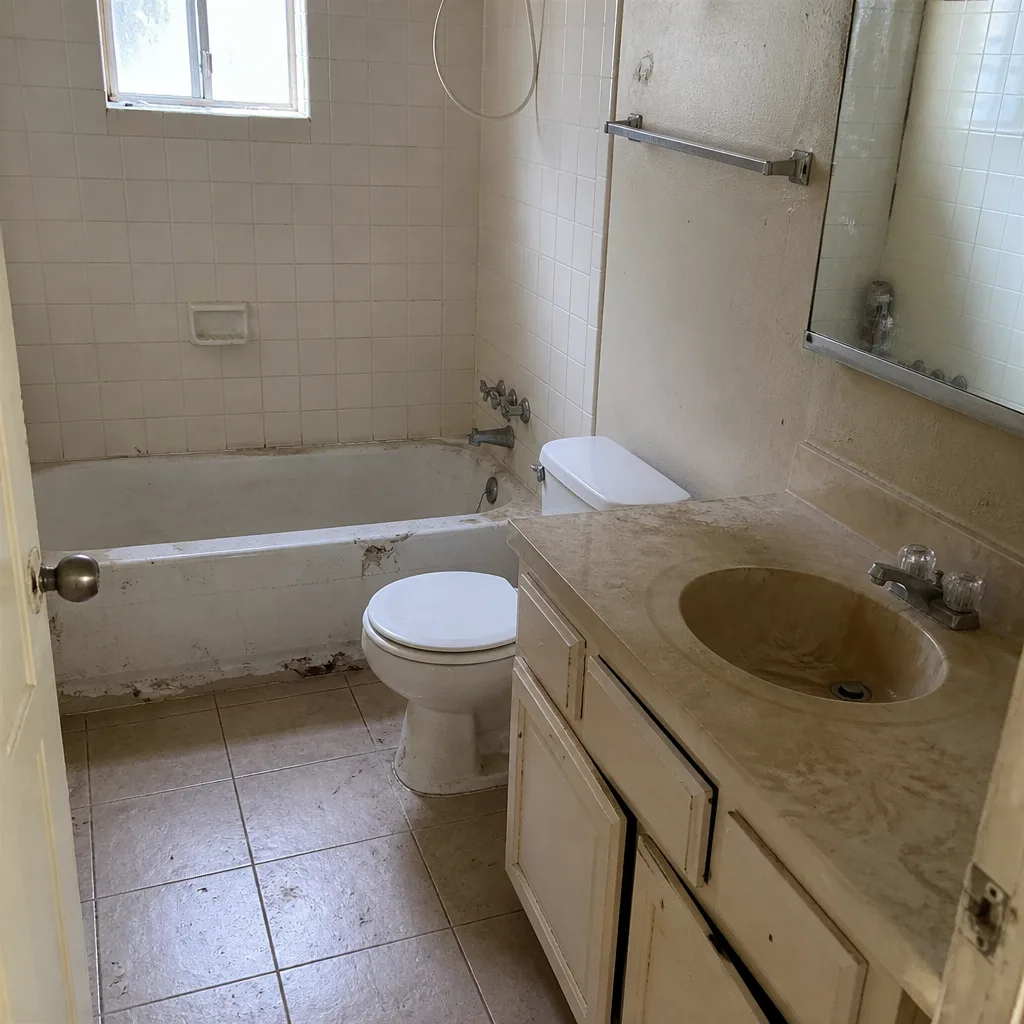 Before
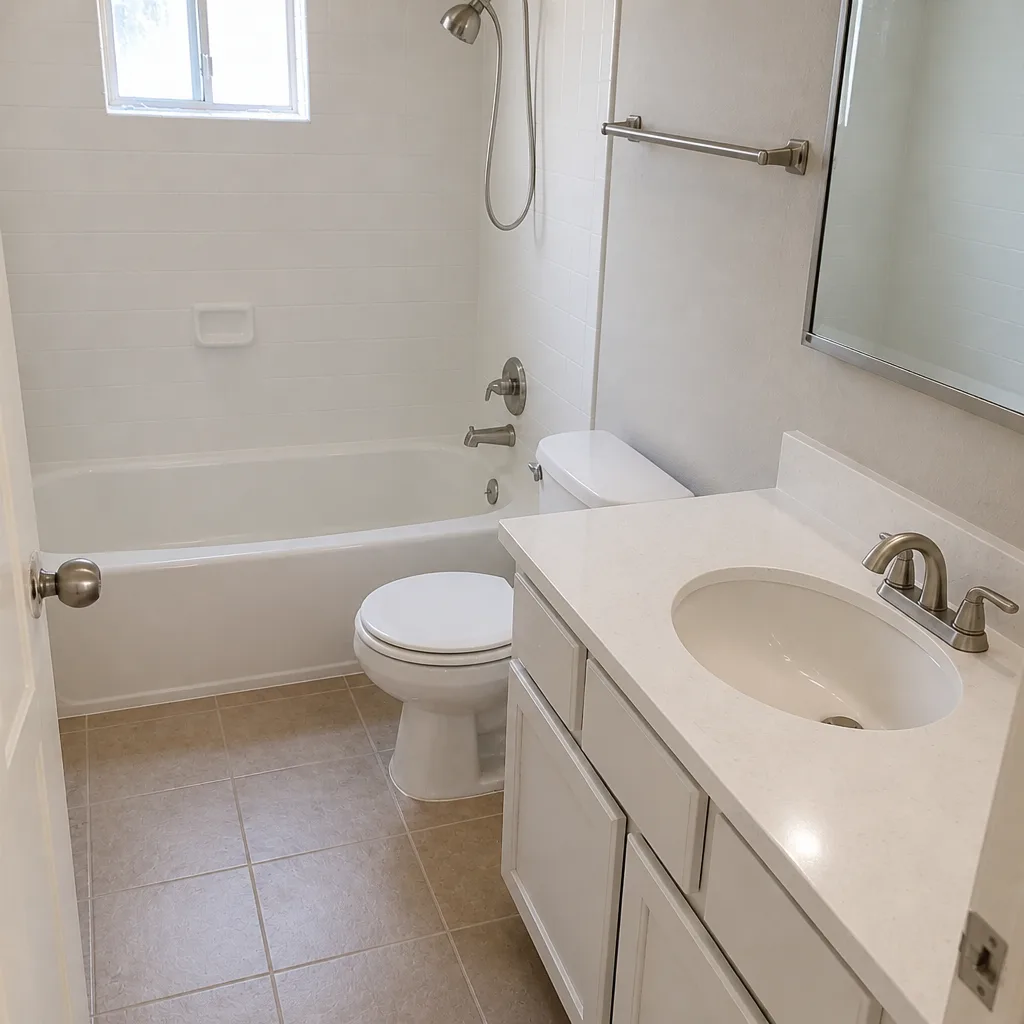 After
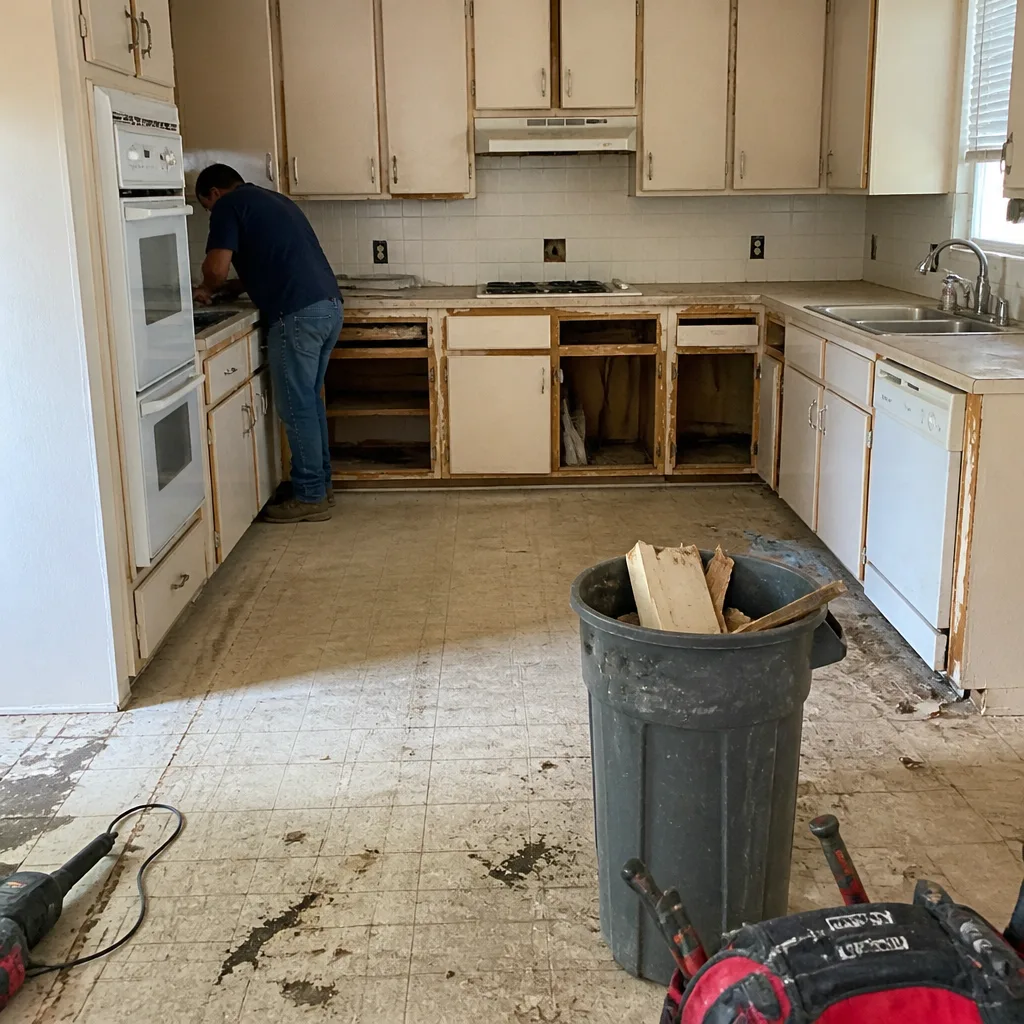 Before
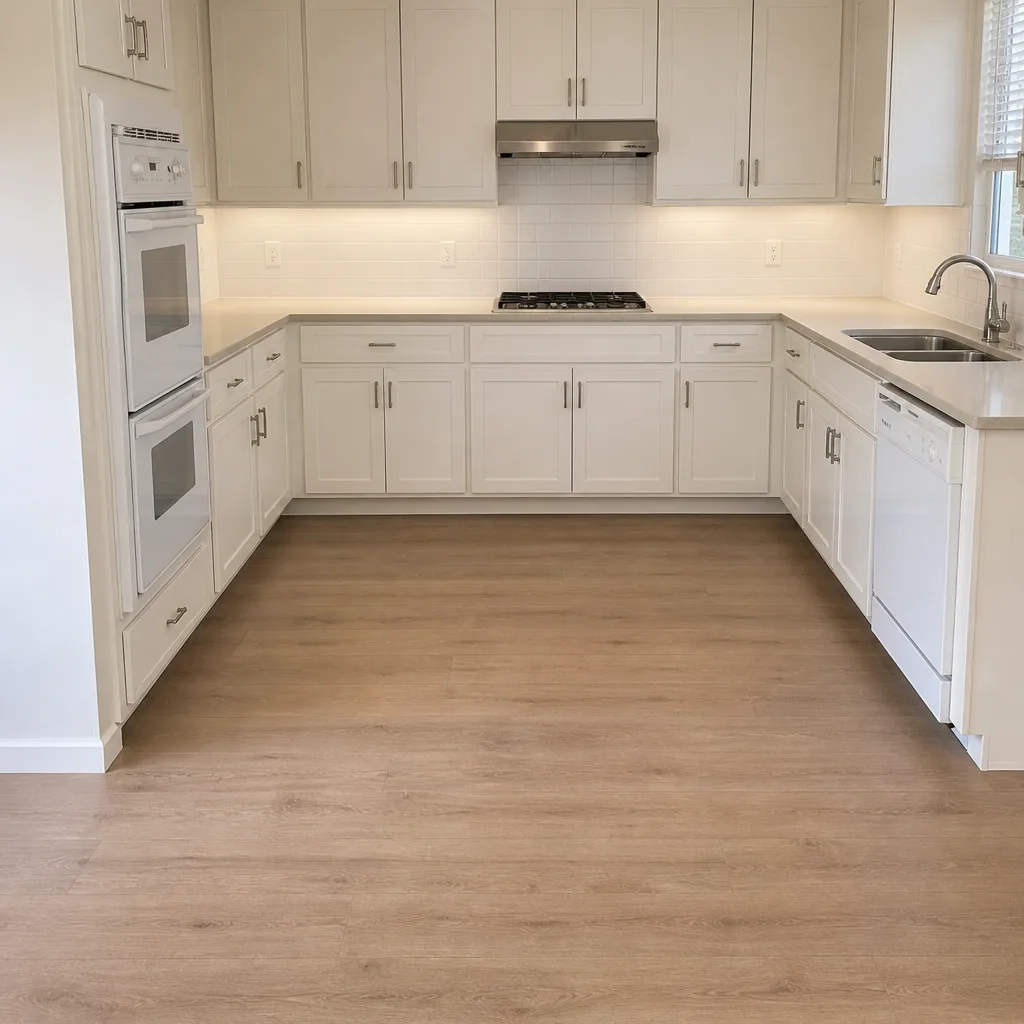 After
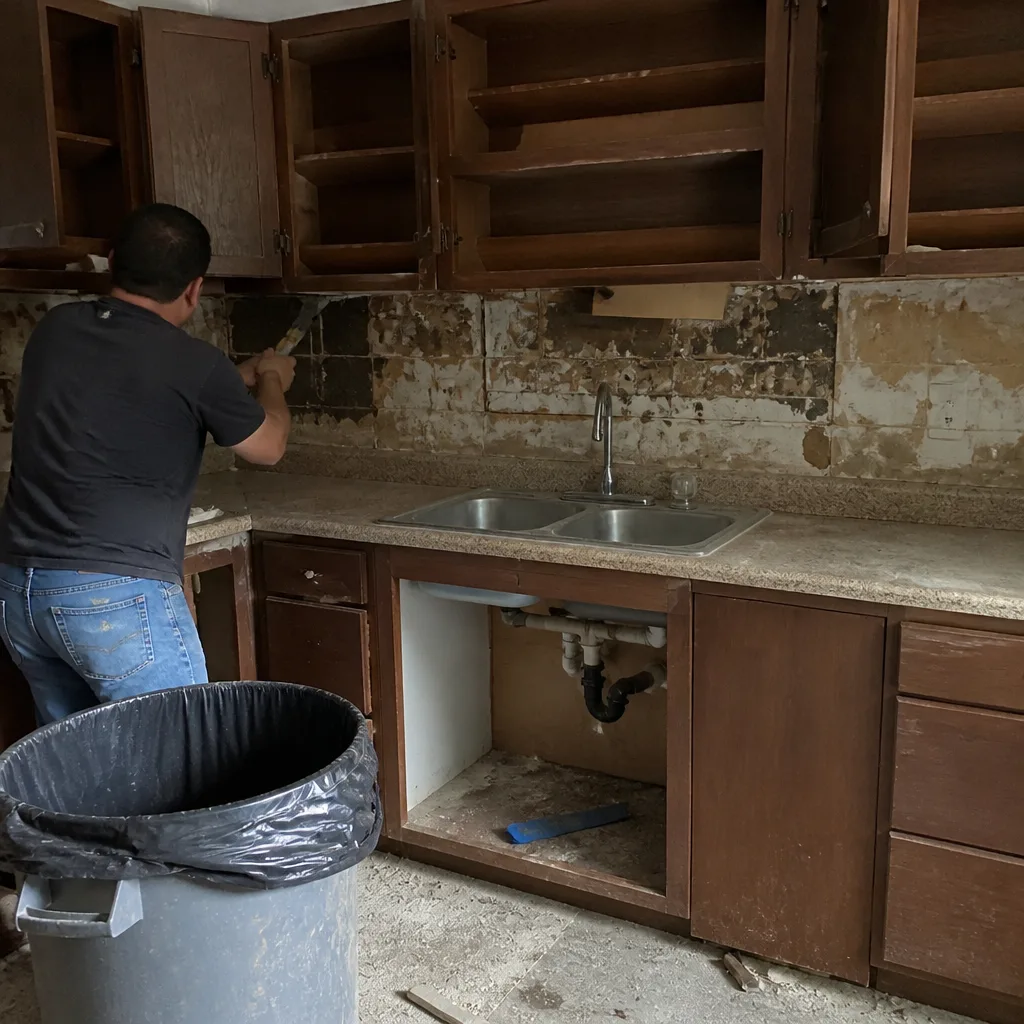 Before
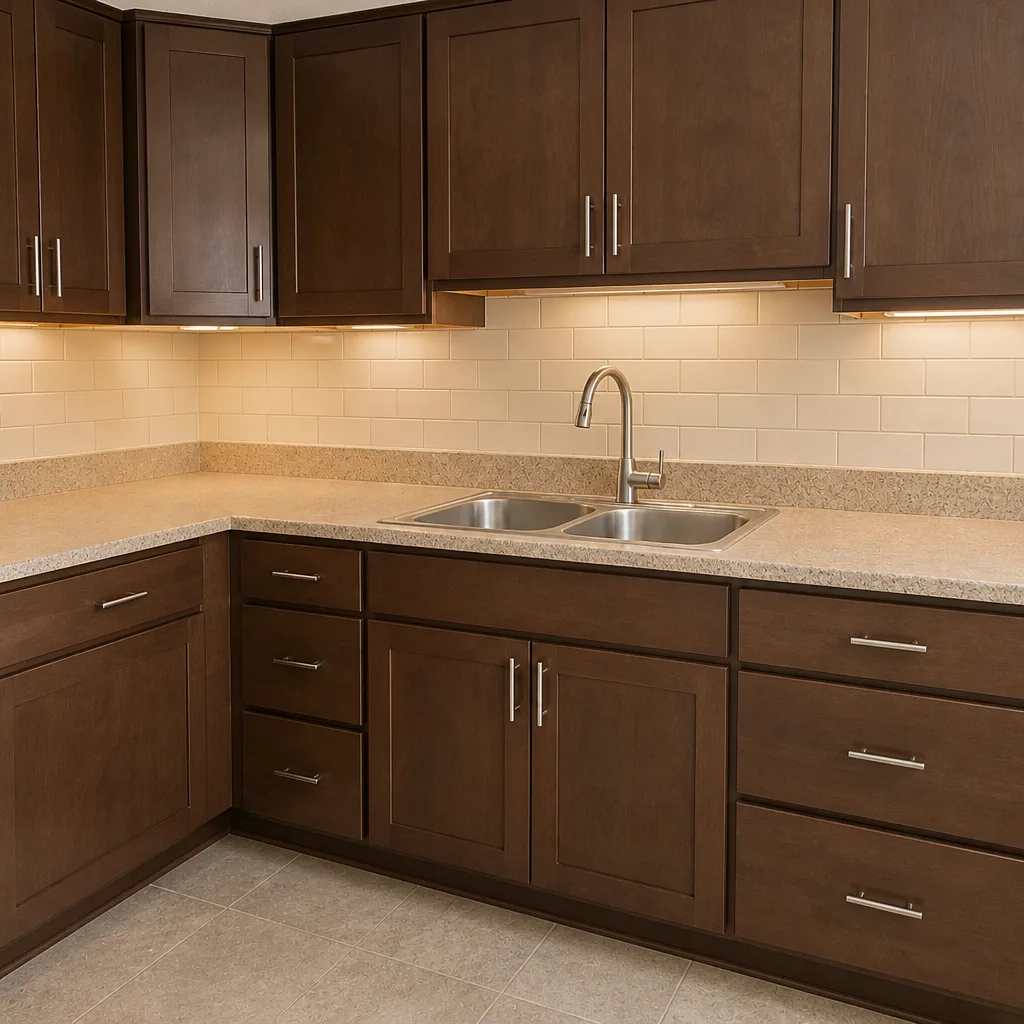 After
How to Find a Roof Leak in Carrollton, TX: Start by Looking Sideways, Not Up
If you see a water stain on your ceiling and immediately look at the roof deck directly above it, you’ll find the wrong spot about 70% of the time on a low-slope ranch roof. The short answer: trace the water backward along the attic rafters and insulation, because it travels 8-12 feet laterally through batt insulation before it finds a gap to drop through. That’s how most roof leaks actually work in Carrollton’s ranch homes, and it’s why the real entry point is almost never straight up from the stain. Call (844) 560-0925 if you’d rather have a trained eye map it for you.
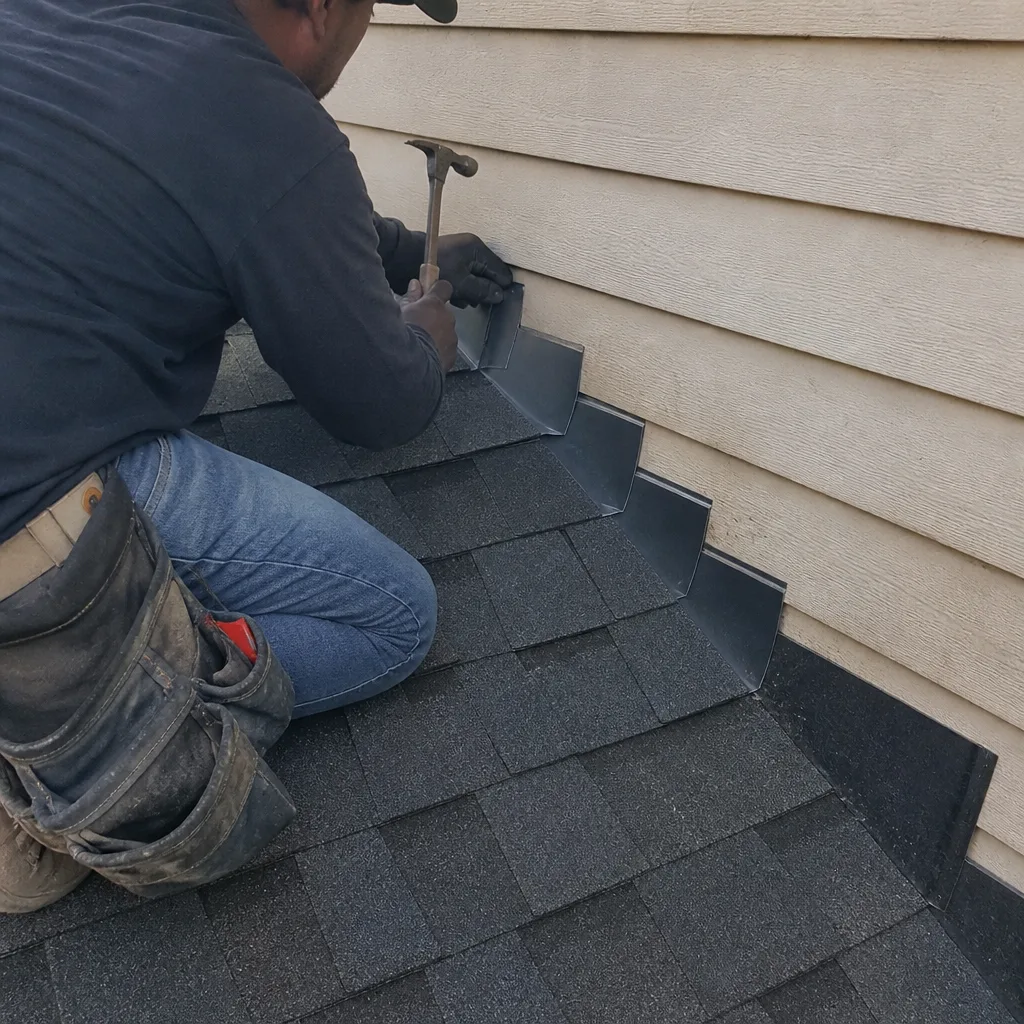
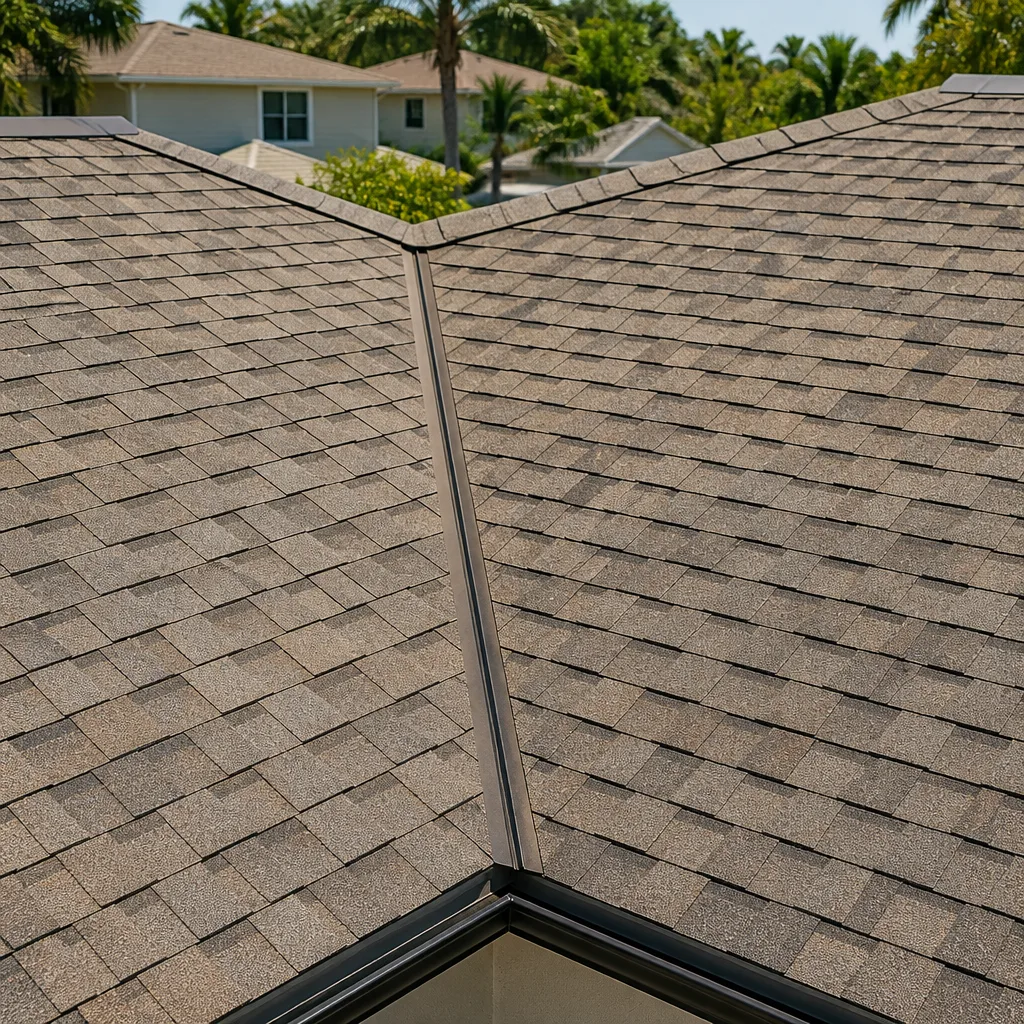
Why the Entry Point Is Rarely Above the Stain in Carrollton
Most of Carrollton’s housing stock went up between the 1950s and 1980s, which means a lot of single-story ranch homes with long, low-slope rooflines and shallow attic space. Those rooflines don’t shed water the way a steep pitched roof does. They give it time to creep. Once a shingle fails and water gets under the decking, it hits the insulation and starts moving sideways, following the slope of a rafter or the low side of a batt. It can run a dozen feet before it reaches a spot with nothing underneath it and finally drips onto your ceiling.
That horizontal structure is the whole puzzle. Here’s how we map it from the stain back to the source:
- Find the stain’s edge, not its center. The drip point is usually at the highest or uphill edge of the water mark, not the roundest part.
- Go up into the attic with a flashlight and follow the rafter lines. Water stains a distinct path on the wood. Follow that streak uphill until it stops.
- Look for compressed or darkened insulation. Wet batts sag and darken. The compression marks the trail better than a stain on the drywall does.
- Check for daylight and rusted nail tips. Poking through the deck from the attic, a rusted nail shaft almost always points uphill toward the entry point.
The Three Entry Points We Find Most on Carrollton’s 1960s Ranch Roofs
On a ranch home this age, three spots account for the majority of leaks, and all three tend to be upstream from where the stain shows up:
Pipe boot flashings. The original lead boots around plumbing vents crack after 30-40 years of North Texas sun and heat cycling. Once that lead collar splits, water runs down the pipe and into the attic. This is a small part with an outsized reputation for ceiling stains.
Valley metal joints. Where two roof planes meet, the metal valley can rust through or pull loose. On a low-slope ranch design, valleys catch a lot of water fast, so a joint that’s been compromised for a season shows up as a stain far from the valley itself.
The chimney saddle or cricket. The small peaked piece that diverts water around a chimney is a spot builders often got wrong, and 60 years of expansion and contraction hasn’t helped. Missing or worn step flashing here sends water sideways along the shingles.
There’s a fourth one worth flagging on older Carrollton homes specifically: the original cast-iron plumbing vent flashings. The lead collars on those vents were never designed for modern EPDM compatibility, and they crack right where they meet the asphalt shingles. If your home has original plumbing vents, this is a spot to check before anything else.
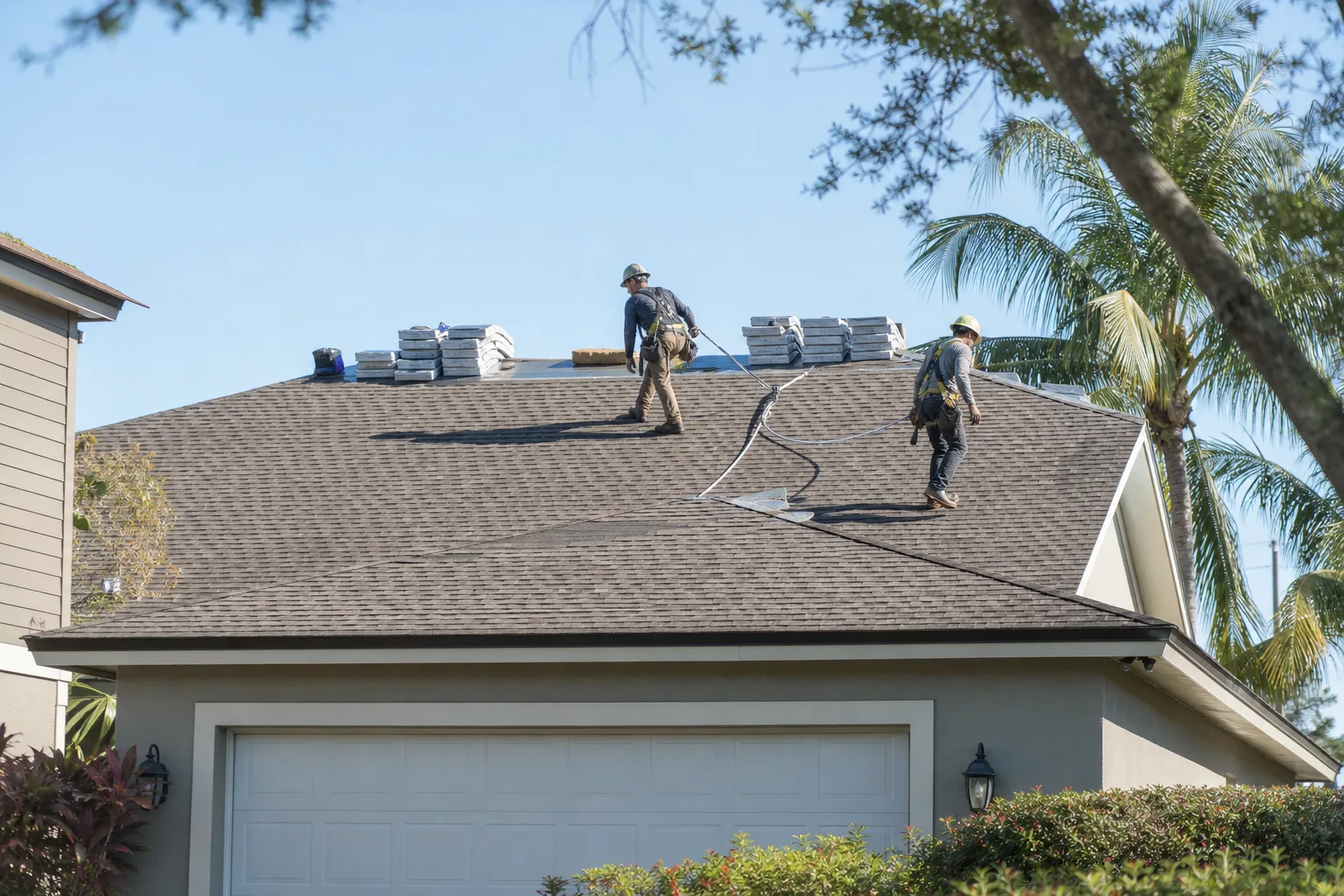
How to Narrow It Down Yourself With a Garden Hose
Before you pay for a full inspection, you can localize the source with a helper and a hose. It’s a safe, low-cost way to narrow things down. Work section by section, and start at the lowest point of the roof and move uphill.
- Put your helper in the attic with a flashlight and a phone, and keep them on a call with you.
- Start at the bottom edge of the suspect roof area and soak one section for several minutes.
- Wait. Water takes time to travel that lateral distance, so give it 10-15 minutes before you move on.
- Move uphill to the next section and repeat, working toward the ridge.
- When your helper sees a drip, you’ve bracketed the general area. That’s the zone to inspect closely.
Keep the hose on a low, steady flow and don’t spray into vents or blow debris into the gutters. The point is to mimic rain, not to pressure-wash the shingles. If you want a visual reference for what a worn roof looks like up close, our Roofing page covers what we look for in an assessment.
When DIY Location Stops Working
Some leaks resist a hose test, and it’s worth knowing when to stop climbing around. If the entry is intermittent, shows up only in wind-driven rain, or comes through a failed step flashing buried under a course of shingles, a visual inspection from the attic is the right next step. Shallow ranch attics are tight, hot, and easy to damage underfoot, and a missed flashing detail costs more than it saves.

Spring storm season in North Texas makes this worse. A leak that only appears during a driving storm can hide for weeks, then show up as a fresh stain after the next system rolls through. That’s also when a lot of homeowners call us at 10pm. Groundwork Construction Co. of Carrollton answers calls with a live person 24/7, so you get a real answer after a storm instead of a voicemail and a Monday callback.
What a Professional Leak Assessment Costs in Carrollton
Once you’ve narrowed the zone, an assessment or repair is usually a modest job. Here’s what roof work typically runs in this market:
| Service | Typical Carrollton Range |
|---|---|
| Roof repair (flashing, boots, small patch) | $400-$1,800 |
| Tile roof repair | $600-$2,500 |
| Roof replacement (if the deck is compromised) | $8,000-$20,000 |
| Metal roof installation | $15,000-$40,000 |
Most leak repairs fall in the repair line above. If the assessment finds that the decking under the shingles has been rotting for a couple of seasons, a patch won’t hold, and that’s when a replacement conversation makes sense. We use GAF, CertainTeed, and Owens Corning materials on the roofs we build, and every job is backed by our 730-Day Done Right Promise. Our technicians have up to 12 years of experience, and every one of them is background-checked and arrives in uniform.
One Carrollton-specific detail that affects scheduling: alley-access restrictions in the older neighborhoods mean we plan staging and dumpster placement carefully before the crew arrives, so a simple repair doesn’t turn into a driveway blocked for a week. If you’re also weighing a larger project while we’re out, our Carrollton service area page covers the remodeling and addition work we handle across the city.
A Few Tips That Save Homeowners Money
Repair is almost always cheaper than replacement when the decking is sound, and a targeted flashing or boot fix can run under $500. Get a second look before you approve a full tear-off if the only problem is one cracked boot. And if you’re planning a bigger improvement down the road, our guides on kitchen remodeling, bathroom remodeling, window replacement, fence installation, and driveway and paver work show how roof condition factors into the budget. We also handle home additions and ADUs and garage conversions when a Carrollton ranch is outgrowing its footprint.
FAQs
Start in the attic and trace the water backward along the rafter lines and insulation from the stain, because on a low-slope ranch roof the entry point is usually 8-12 feet laterally from where the drip shows. Follow rusted nail tips and darkened insulation uphill, then use a two-person garden hose test to confirm the area. If it won’t show up on a hose test, call (844) 560-0925 and have it looked at directly.
Because water runs sideways through batt insulation and along rafters before it finds a gap to drop through, so a stain rarely sits under the actual entry point. That’s especially true on Carrollton’s shallow ranch attics. Track the trail uphill from the stain instead of staring at the ceiling. If you’re not comfortable in the attic, an assessment gets an answer fast – call (844) 560-0925.
You can usually localize it yourself with an attic walk and a hose test, but call a pro if the leak only shows up in wind-driven rain, if it comes through a buried flashing, or if the attic access is too tight to inspect safely. For those, call (844) 560-0925 and we’ll take a look with no pressure.
Most roof leak repairs in Carrollton run $400-$1,800 depending on the entry point and how much decking needs replacing. A simple boot or flashing fix sits at the low end; a rotted deck section pushes toward the top. Call (844) 560-0925 for an exact quote – estimates are free and the pricing is upfront.
If you’d rather have it looked at, Groundwork Construction Co. of Carrollton offers a no-pressure assessment in Carrollton – call (844) 560-0925, and a live person picks up any hour.
Written by the team at Groundwork Construction Co. of Carrollton, serving Carrollton, TX.