
Free written scope consultation - allowances, timeline, and change-order rules on paper before a single trade is scheduled
Styles & brands we work with
- Kitchen remodeling
- Bathroom remodeling
- Home additions & ADU
- Roofing
- Windows & doors
- Driveway & pavers
- Fence
See the difference
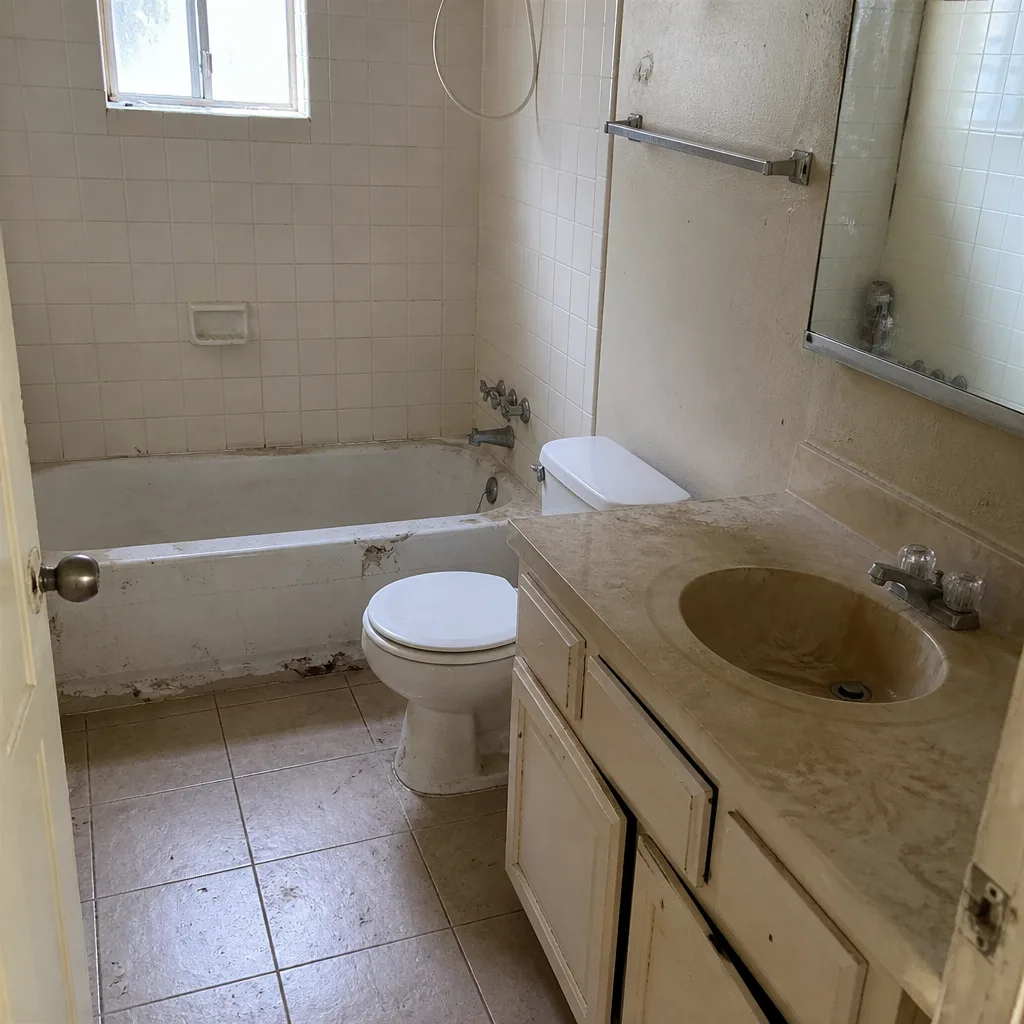 Before
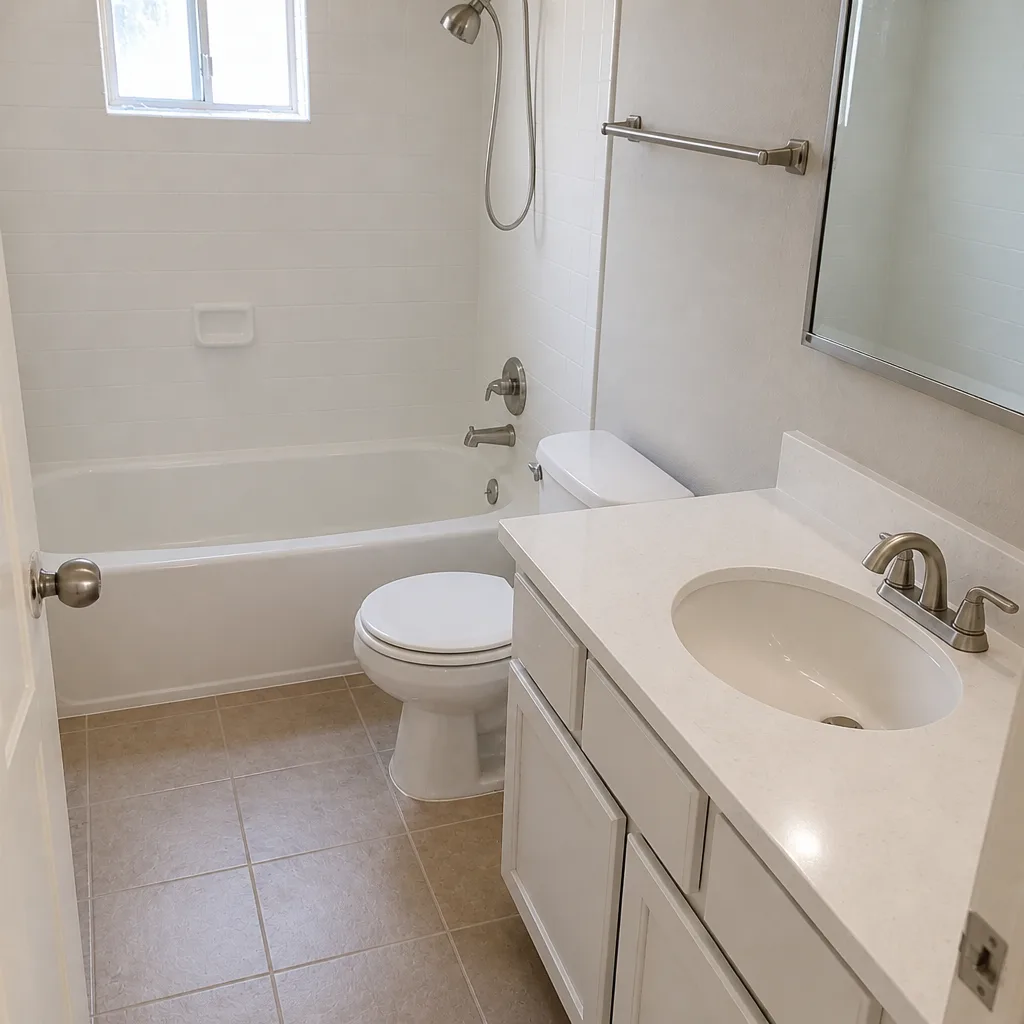 After
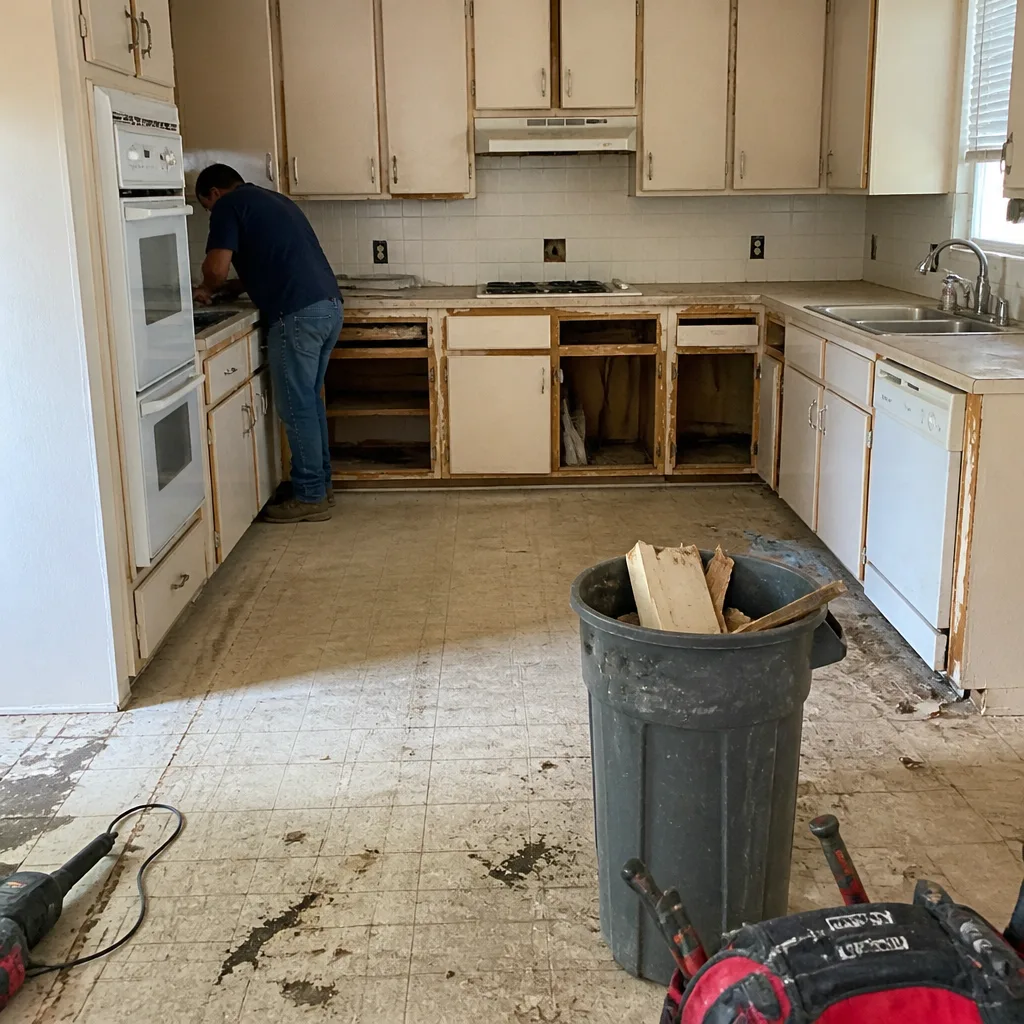 Before
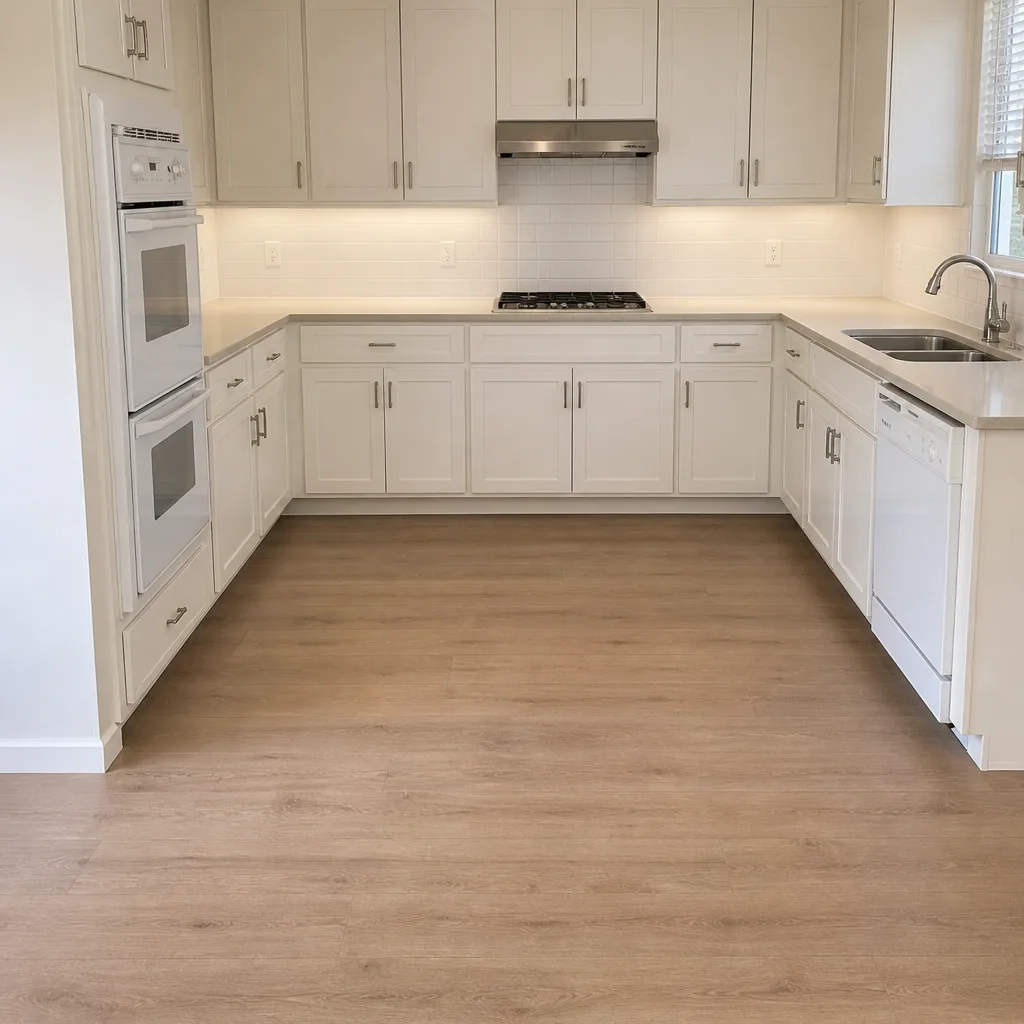 After
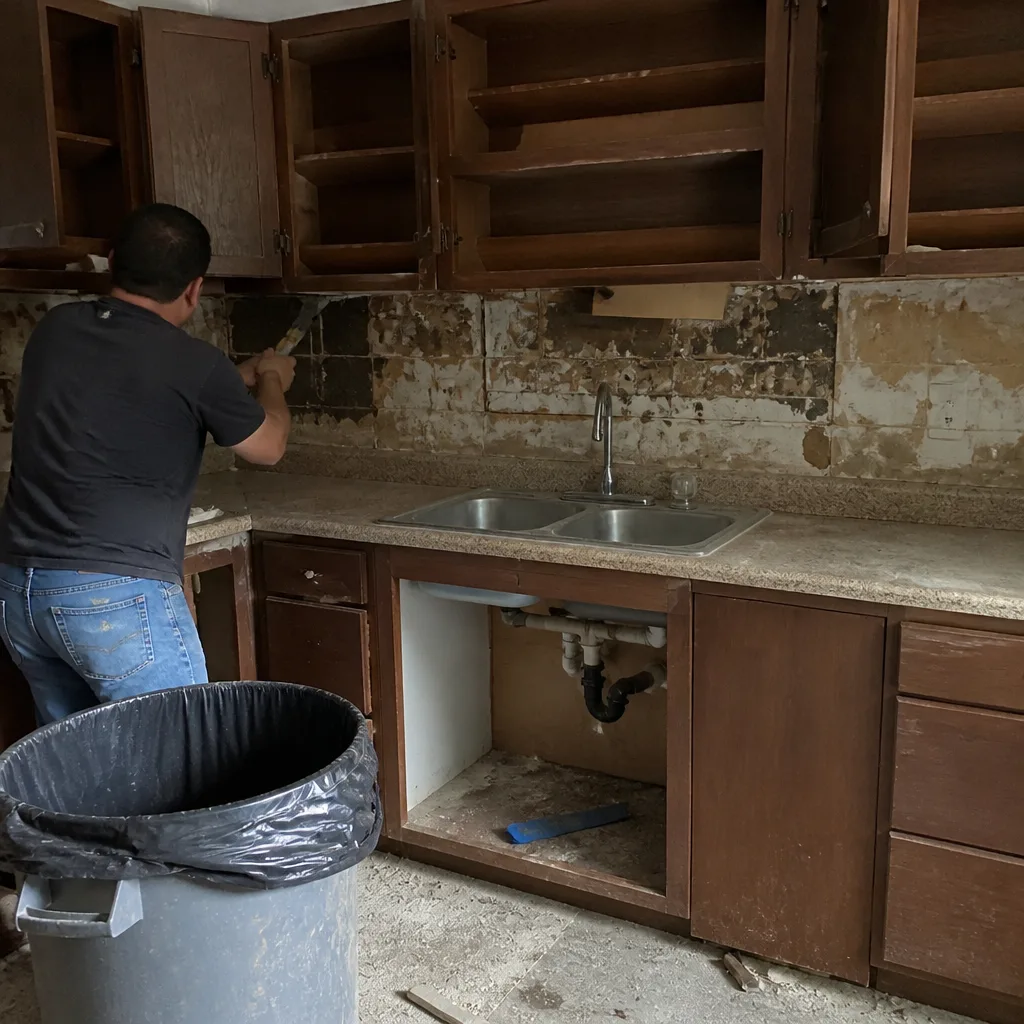 Before
 After
Signs You Need a New Roof in Carrollton, TX: The Deck-Level Checklist for 1960s Ranch Homes
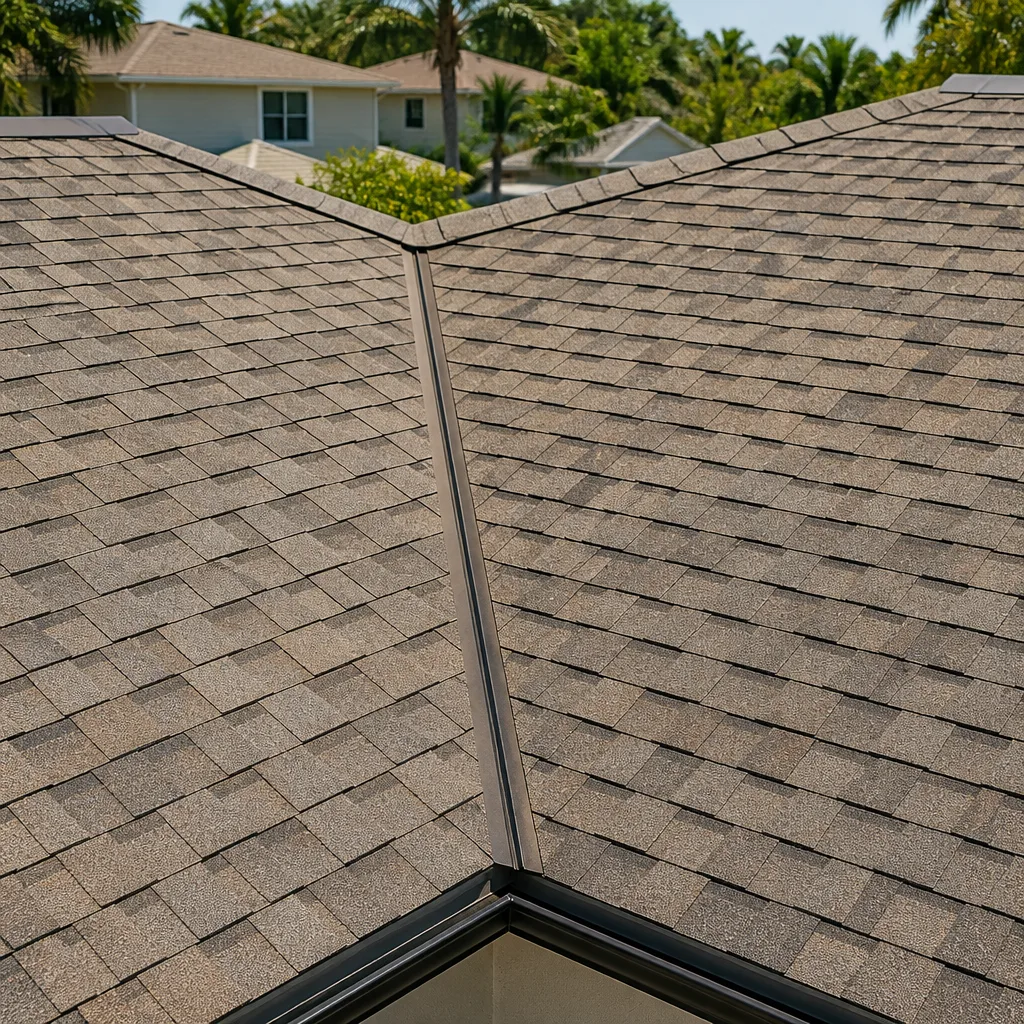
The strongest early sign you need a new roof in Carrollton is not curling shingles or a ceiling stain - it’s deck-level decay you can only feel and see up close: soft spots under the shingles, tight clusters of nail pops, and rafters sagging between the boards when you look up from the attic with a flashlight. On a 1960s Carrollton ranch, a roof can look intact from the curb while the original skip-sheathing beneath it has been soaking up humidity cycles for sixty years. If your home was built between 1955 and 1975 and has never had a full replacement, the odds of hidden deck damage are high enough to justify an inspection regardless of surface appearance. Call Groundwork Construction Co. of Carrollton at (844) 560-0925 for a documented assessment.
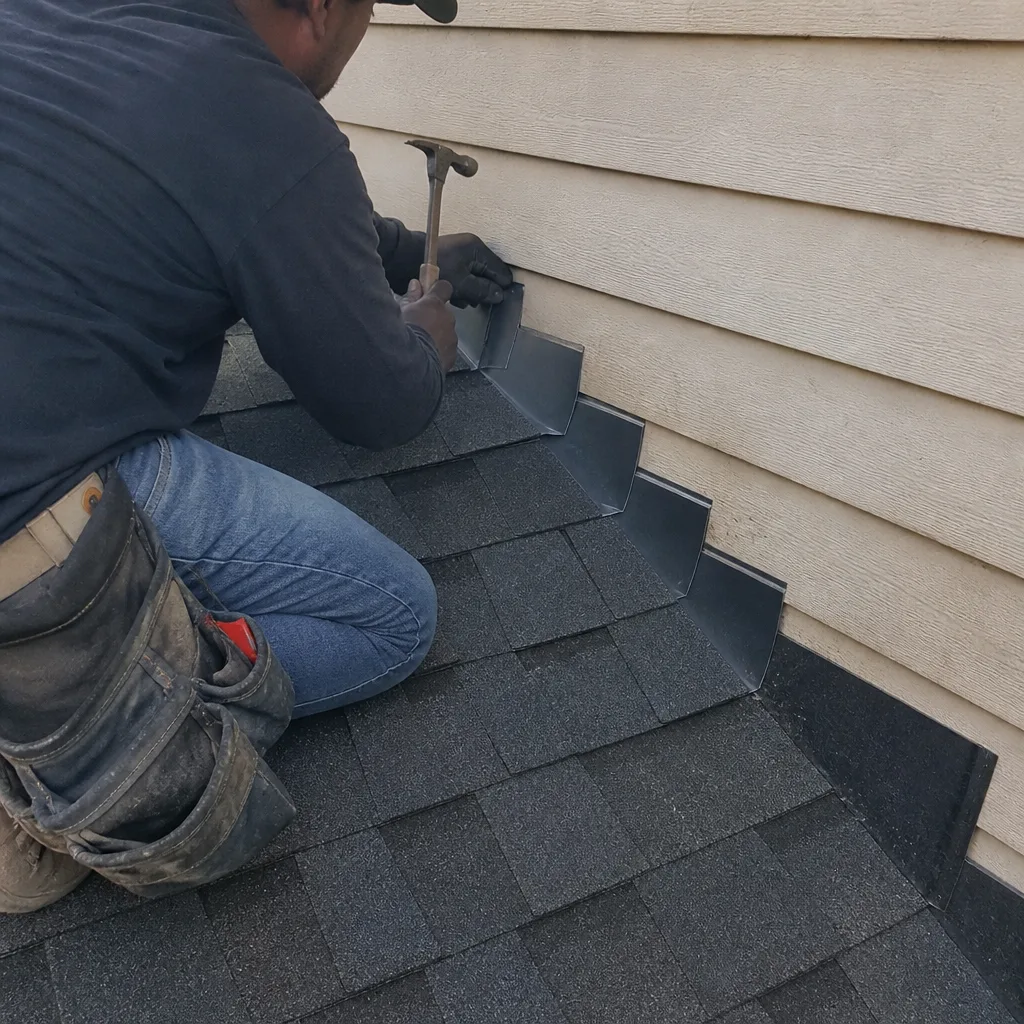
The standard checklist - missing shingles, granule loss, water stains - applies here like anywhere else. What it misses is the part specific to Carrollton’s housing stock. Most of the single-family homes in town went up during the postwar boom between the 1950s and 1970s, and many still carry the original roof deck under two or three layers of asphalt. That combination - aging deck under stack shingles, baking through North Texas summers and flexing on expansive clay soils - produces a failure pattern the curb never shows you. Below is what to look for at each level, from the attic out.
Key Takeaways
- Feeling for soft spots and looking for clustered nail pops tells you more about a 1960s Carrollton roof than any driveway-level inspection.
- North Texas hail leaves a bruising and spatter signature that looks nothing like ordinary age-related granule wear.
- Attic temperatures above 150°F in summer cook shingles from the underside - high energy bills are often the first symptom.
- If your Carrollton home predates 1975 and has never had a full replacement, a documented inspection is the only way to know what’s happening under the shingles.
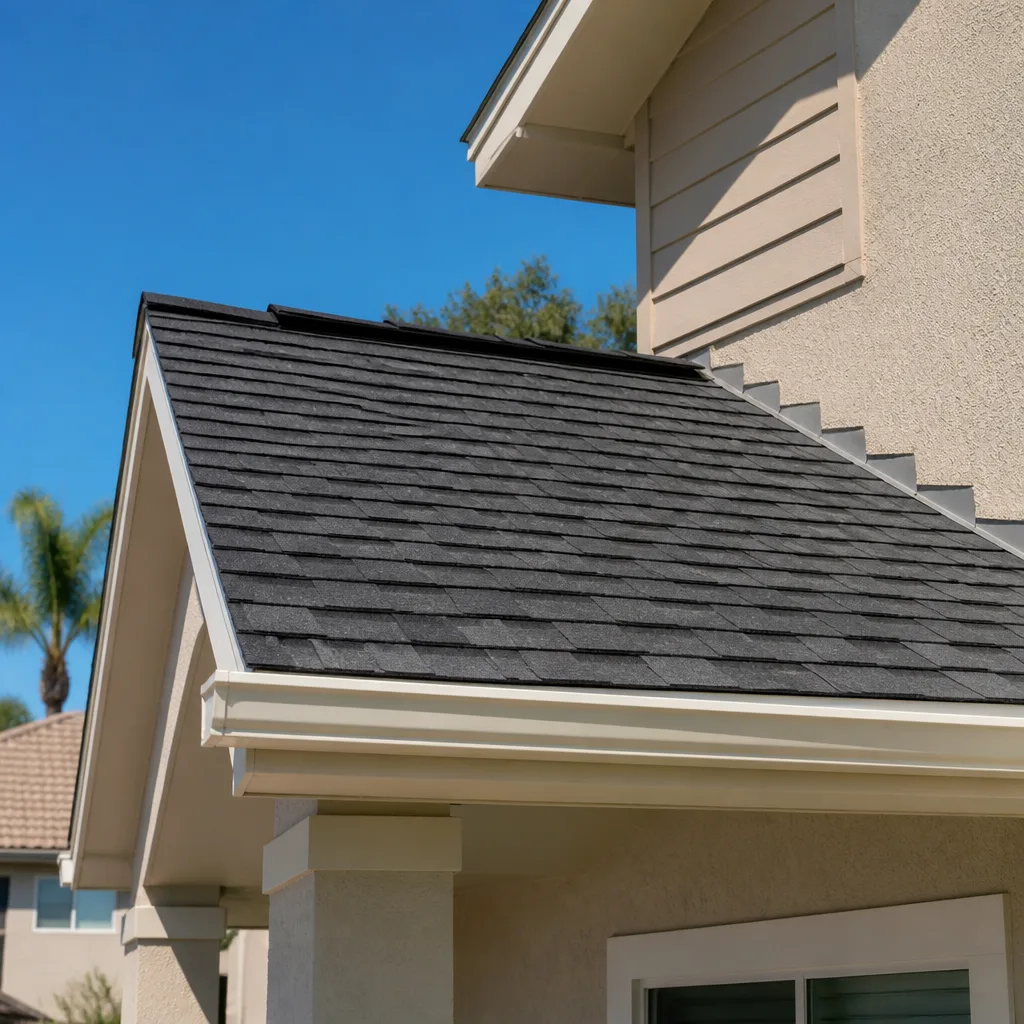
What do deck-level roof failure signs look like on a 1960s Carrollton ranch?
Deck-level failure means the plywood or 1×6 skip-sheathing under your shingles has lost structural grip - and it produces three signatures you won’t spot from the ground. On the roofs throughout our Carrollton service area, our technicians look for these up close:
- Soft spots under the shingles. When you press down along a rafter line, the surface should feel firm and consistent. Spongy or springy areas mean moisture has delaminated the decking from the shingles above. On an original 1960s Carrollton deck, the sheathing boards may have been absorbing humidity for decades, and this flexes with every seasonal swing from wet spring to triple-digit summer.
- Nail pops in clusters, not at random. One loose nail is nothing. A tight group of popped nails along a seam or near a valley usually means the deck has shifted or pulled loose - the nails are the symptom, not the problem. Cluster patterns are the deck telling you it has let go.
- Sagging between rafters, visible from inside the attic. Bring a flashlight up and look at the underside of the roof deck. A straight, firm line is healthy. A wavy or dipping line between rafters means the sheathing has weakened, and this is the sign that most often gets caught in a Groundwork inspection years before a ceiling collapse. The same expansion-and-contraction cycle that puts stress on Carrollton slab and pier-and-beam foundations works on your roof deck too, and both respond to the region’s clay soil movement.
The right way to read this list: a single item is worth watching, but two or more together on a pre-1975 home means you’re no longer looking at surface wear. The original deck may be structurally compromised even when the shingles look fine. That’s the window where a replacement is straightforward and less expensive than it will be after interior damage lands.
How do you tell hail damage from ordinary aging on a North Texas asphalt roof?
Hail and age both remove granules, but they leave different signatures. The pattern matters more than the missing granules themselves. On a Carrollton roof after a spring storm, here’s how to separate the two:
| What you’re seeing | Hail (functional damage) | Age (cosmetic wear) |
|---|---|---|
| Granule loss pattern | Concentrated on slopes facing the storm, often in a directional band | Even and uniform across all slopes |
| Bruising shape | Round, random-feeling dents with soft mat beneath, often fingerprint-sized | No soft mat, just worn surface |
| Spatter marks | Pitting visible on HVAC caps, gutter aprons, soft metal vents | None |
| Surface flexibility | Shingles may look intact but feel soft where bruised | Shingles feel brittle and dry |
The spatter pattern on HVAC caps and gutters is the piece of evidence most homeowners never check. If your downspouts and condenser top have dents and pits, the hailstones were large enough to bruise the shingle mat - and a bruised shingle loses its waterproofing even though it looks whole. That’s the difference between cosmetic aging and functional damage, and it changes how the whole repair conversation goes. When the assessment comes back as hail damage, Groundwork Construction Co. of Carrollton installs full systems using brands like GAF and Owens Corning, backed in writing by our 730-Day Done Right Promise - if the work isn’t right, we make it right.
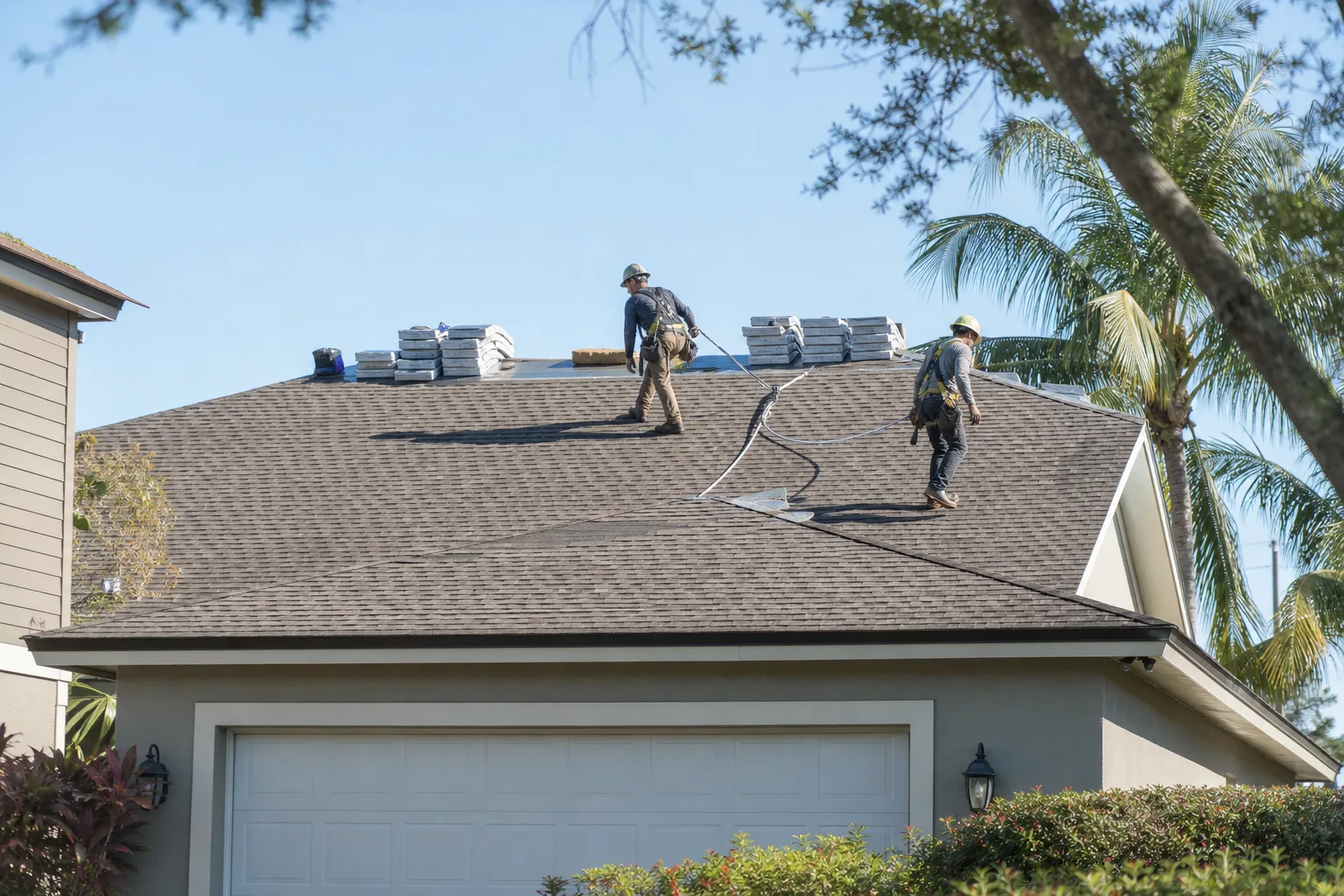
Why are your summer energy bills the first sign of roof trouble?
High attic heat is a warning in itself, and it often shows up on your electric bill before anything appears on the outside of the roof. When attic temperatures climb above 150°F in July and August, shingles cook from the underside out. The degradation runs reverse to what most people picture: the asphalt starts failing from the inside of the roof, not just from sun and rain hitting the top. Insulation compressed or missing in a 1960s Carrollton attic lets that heat build, and the deck above it pays the price.
If your summer bills have climbed for two or three seasons and nothing else in the house changed, it’s worth having the attic checked. That single inspection covers ventilation, insulation, and deck condition at once. Which leads to the question we ask every caller in this situation: what does a real inspection actually cover?
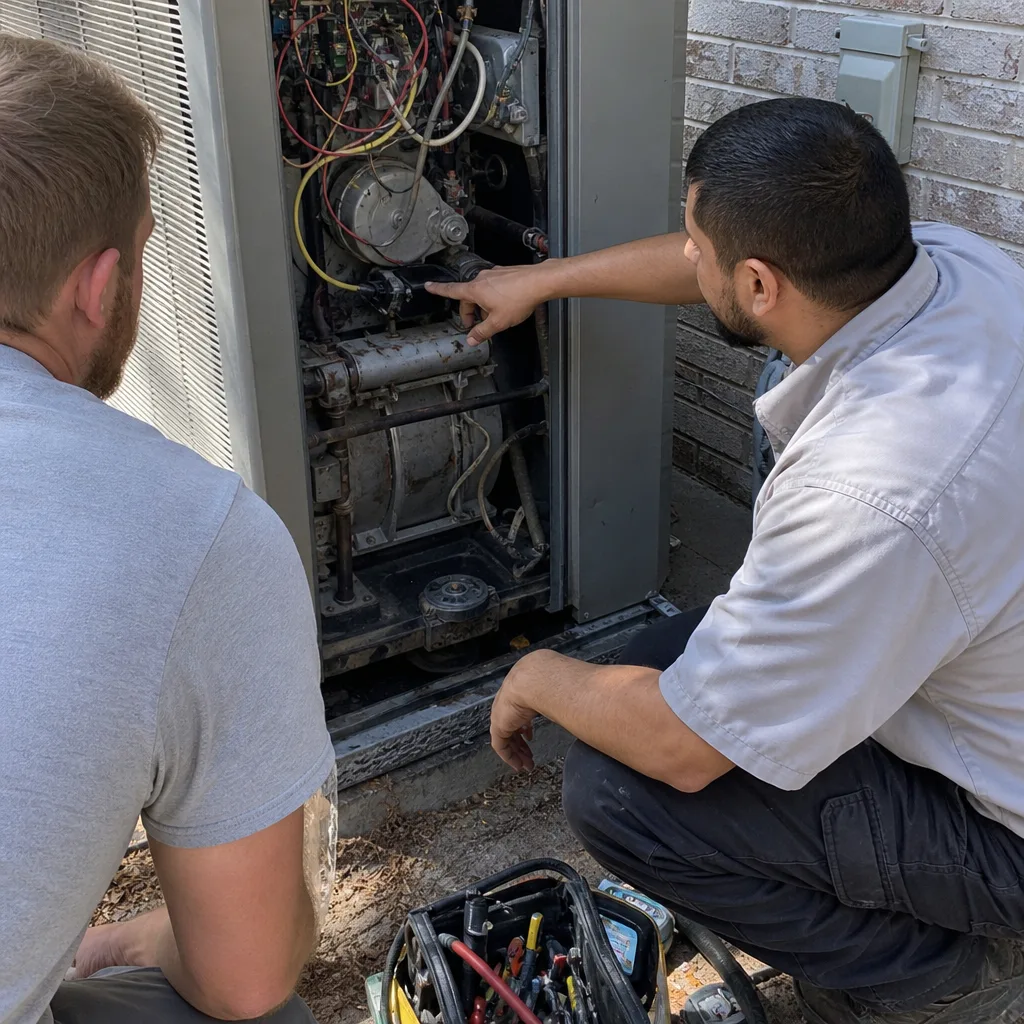
What does a Groundwork roof inspection cover that a “free” one doesn’t?
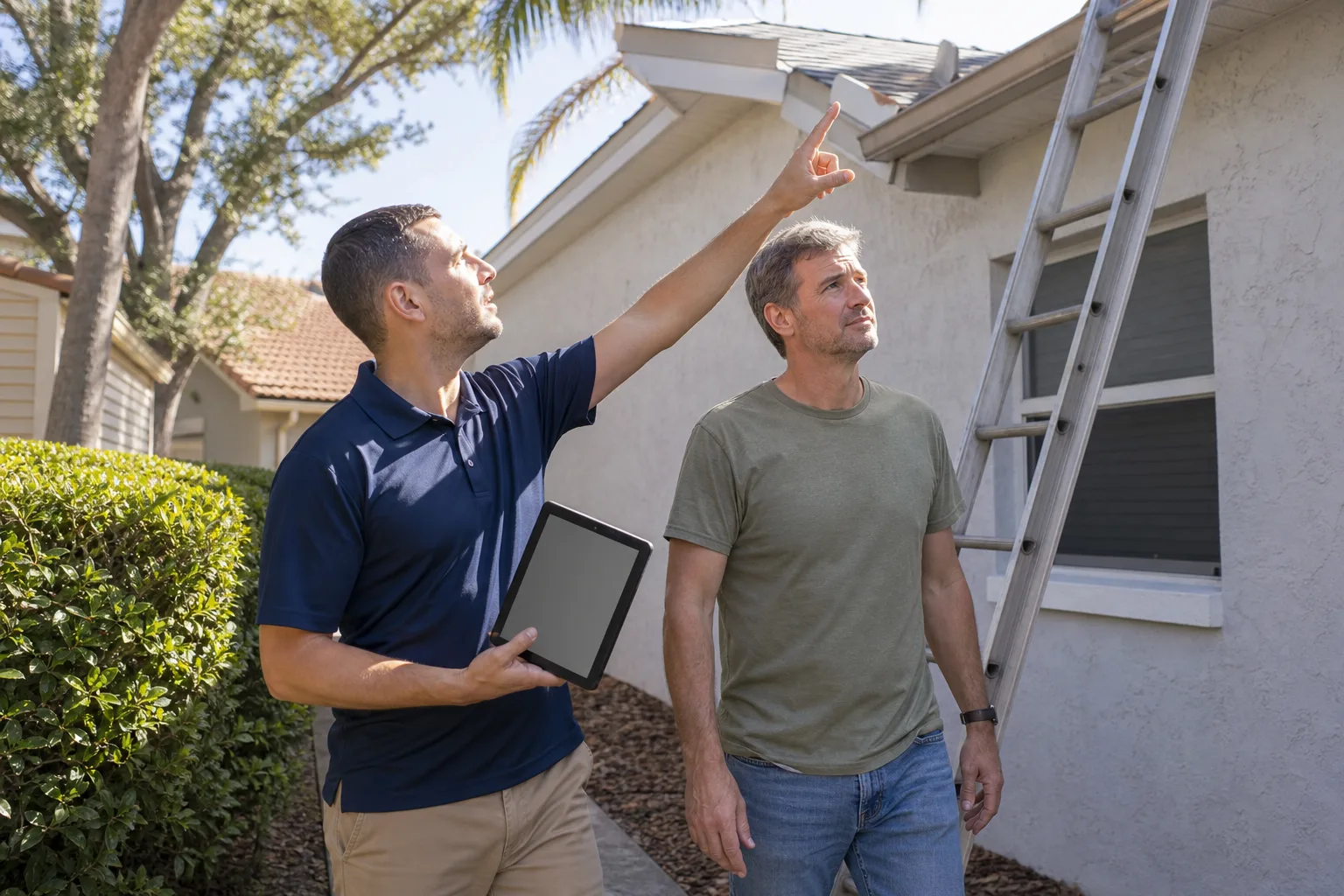
A free inspection from a storm-chasing crew typically ends in a verbal verdict and a pressure to sign. Ours ends in a written scope with photo evidence for every finding - because you need something to compare, whether you hire us or not. A Groundwork inspection of a Carrollton roof covers:
- Attic-side review of decking, rafters, and insulation, flashlight in hand.
- Surface review of shingle condition, granule loss, and hail or wind signatures.
- Metal spatter checks on HVAC caps, gutters, and vents.
- A photographic record of soft spots, nail-pop clusters, and sag lines.
- A written scope that separates deck-level repairs from a full replacement.
And if something on the report doesn’t make sense, you can call and reach a live person 24/7 - not a voicemail box or a Monday morning callback. Our technicians arrive background-checked and in uniform, and our pricing is upfront: the number on the scope is the number you pay. Our technicians bring up to 12 years of experience to the deck-to-ridge evaluation, and the work is done from foundation to finish line by a company that has been in business since 2014. When it’s time to move forward, our Roofing team handles repair or full replacement, and the city’s stricter-than-neighboring drainage and alley-access rules - tighter than Plano or Farmers Branch - are factored into staging from the first walkthrough. That includes where the dumpster sits and how materials get to the roof without blocking alley access.
For budgeting, Carrollton roof replacement typically runs $8,000-$20,000 depending on size, deck condition, and material choice, while roof repair runs $400-$1,800. Metal roofs run $15,000-$40,000 and tile repairs $600-$2,500. If deck-level issues turn the job into a replacement, the standing promotions help: $1,000 off projects over $10,000 and 0% financing for 18 months.
FAQs
A repair is usually the answer when damage is isolated to a few shingles or a single flashing point and the deck underneath feels firm. A replacement is usually the answer when you find two or more deck-level signs - clustered nail pops, soft spots, or sagging between rafters - especially on a home built before 1975 that has never had a full replacement. Call (844) 560-0925 for a free assessment that tells you which one you’re facing.
Roof replacement in Carrollton runs $8,000-$20,000, with the final number depending on square footage, how much of the original deck needs replacing, and material selection. Localized repair work is far less, at $400-$1,800. Groundwork Construction Co. of Carrollton quotes upfront and pairs larger projects with $1,000 off over $10,000 and 0% financing for 18 months. Call (844) 560-0925 for an exact, written quote - estimates are free.
Yes. On older Carrollton ranch homes, deck-level decay develops under shingles that still look centered and complete from the street. The signs show up in the attic or underfoot, not on a curbside glance - soft spots, clustered nail pops, and sag lines between rafters. If your home was built between 1955 and 1975, a documented inspection is worth doing even when the roof looks fine. Call (844) 560-0925 to schedule one.
Hail damage is functional: it concentrates on storm-facing slopes, leaves bruises with a soft mat underneath, and dents the HVAC caps and gutters nearby. Normal wear is uniform, dry, and brittle across all slopes. If a professional inspection shows hail signatures, the roof may be covered under insurance for the replacement. Our Carrollton team documents every finding with photos so the claim is easier to support. Call (844) 560-0925 for a storm-damage assessment.
If you’d rather have it looked at than guess from the driveway, Groundwork Construction Co. of Carrollton offers a no-pressure assessment in Carrollton - call (844) 560-0925. A live person answers 24/7, and the written scope tells you exactly where your roof stands.
Written by the team at Groundwork Construction Co. of Carrollton, serving Carrollton, TX.