Last updated November 18, 2026
Free written scope consultation - allowances, timeline, and change-order rules on paper before a single trade is scheduled
The Complete Driveway & Pavers Guide for Carrollton Homeowners
Carrollton sits on some of the most expansive clay soil in Texas, soil that can move up to 4 inches vertically in a single season. Most driveway guides never mention it once. That silence is expensive. A paver driveway that looks flawless in a showroom can heave, settle, and rut in a North Texas yard within three years if the base underneath it was built for a different climate and a different soil. This guide treats clay behavior as the starting point for every decision: which paver material survives Carrollton heat, how deep the base has to go, what your HOA and the City will require before a single stone goes down, and what a realistic budget looks like when soil prep is priced honestly instead of buried in a change order.
Styles & brands we work with
- Kitchen remodeling
- Bathroom remodeling
- Home additions & ADU
- Roofing
- Windows & doors
- Driveway & pavers
- Fence
Quick Answer
A driveway in Carrollton should be built on a compacted, properly drained base of 6 to 8 inches of crushed stone over geotextile fabric, because the Blackland Prairie clay beneath most of the city expands and contracts with moisture and will move a thin base out from under itself. Concrete pavers, clay brick, and natural stone all perform well here when that base is correct and joint sand is maintained; permeable systems need an engineered drainage plan tied to your lot’s slope. Expect a true installed cost of roughly $14 to $30 per square foot for pavers in Carrollton, with soil prep and drainage accounting for a meaningful share of it.
Table of Contents
- Why Carrollton’s Clay Soil Changes Everything
- Pavers vs. Brick vs. Stone vs. Permeable: What Survives North Texas
- How Deep Does the Base Actually Need to Go?
- Getting HOA Approval in Carrollton Subdivisions
- Driveway Permits and City Inspections in Carrollton
- What Driveway Pavers Really Cost in Carrollton
- Keeping a Paver Driveway Flat Through Carrollton Summers
- Common Mistakes to Avoid
- When to Call a Professional
- Frequently Asked Questions
- The Bottom Line
Why Carrollton’s Clay Soil Changes Everything
Carrollton sits squarely in the Blackland Prairie soil zone, a band of dark, heavy clay that runs through much of North Texas. This clay has a high shrink-swell capacity. When it’s wet, it expands. When it dries out through a July drought, it contracts. During a wet spring followed by a dry summer, the ground under a driveway can shift several inches vertically, and it rarely shifts evenly across the whole slab or the whole paver field.
That uneven movement is the root cause of almost every paver failure we see in Carrollton. The pavers themselves are rarely the problem. The base is. A crew that builds a 4-inch base because that’s what they build in sandy or gravelly soil will hand you a driveway that looks great at the walkthrough and starts showing dips, rocking units, and popped edges by the second or third summer.
What actually counters expansive clay:
- Excavation to the right depth. That means removing enough native clay that the compacted base sits above the active zone, not mixed into it.
- Geotextile separation fabric. A woven fabric between the native clay and the crushed stone stops clay fines from pumping up into the base and fouling the drainage layer.
- Drainage that moves water away from the driveway edge. Clay that stays saturated is clay that stays swollen. Grade, swales, and in some cases a French drain along the low side matter as much as the pavers.
- Edge restraint that’s actually pinned. When clay moves, an unrestrained paver field spreads. Spiked or glued edge restraint holds the pattern together.
We’ve seen yards in Carrollton where one side of a driveway sits over undisturbed clay and the other sits over fill from the original home construction. Those two sides behave completely differently, and a base built without accounting for that will fail on the fill side first. The right answer is often a deeper, more heavily compacted base on the fill, not the same spec everywhere. If you want the full picture of how we approach driveway work in this city, start with our Driveway & Pavers in Carrollton page.
Pavers vs. Brick vs. Stone vs. Permeable: What Survives North Texas
Every paver material will look good on day one. The question is what it looks like after five Carrollton summers, a couple of freezes, and a few rounds of clay movement. Here’s how the main options hold up in this specific climate and soil.
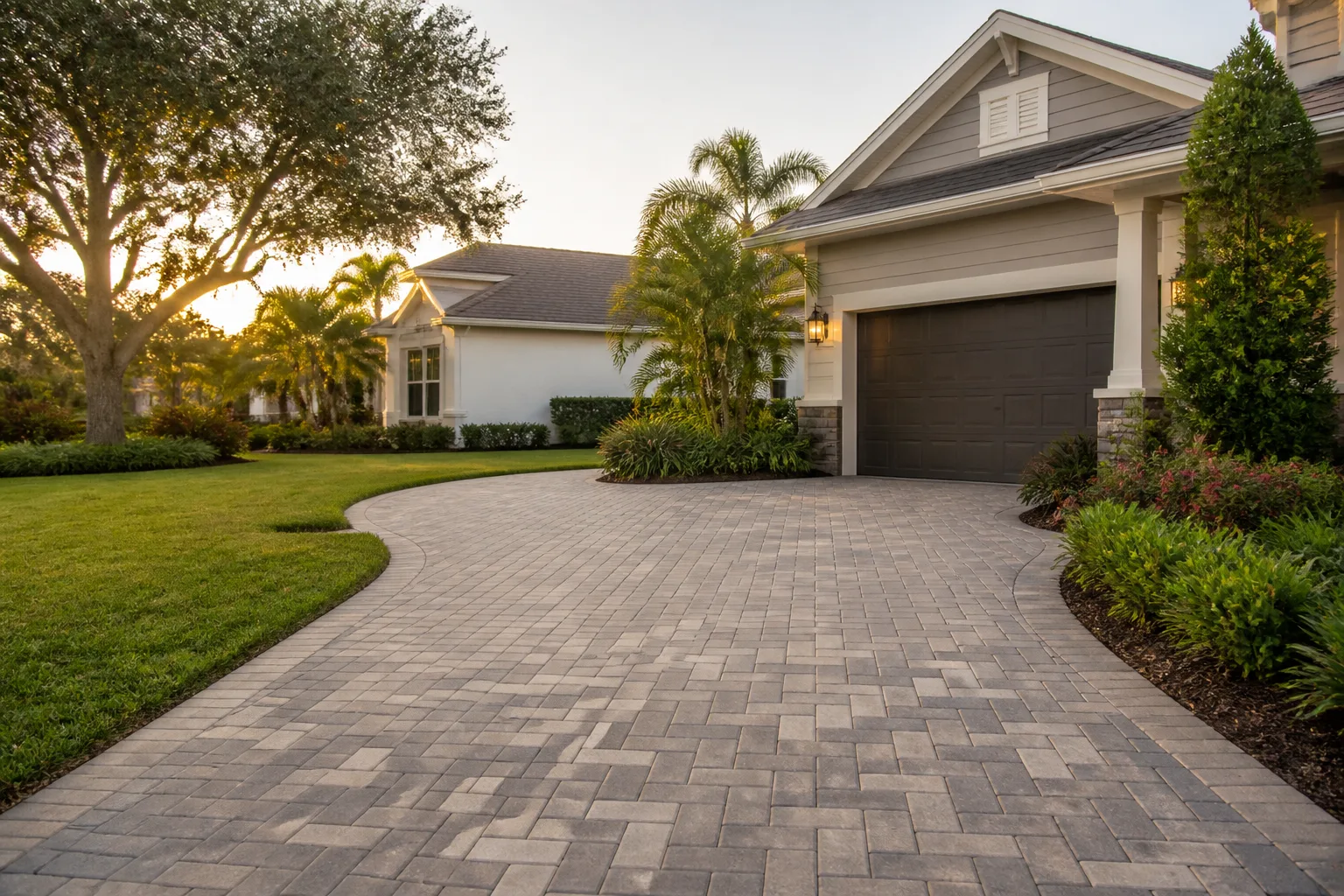
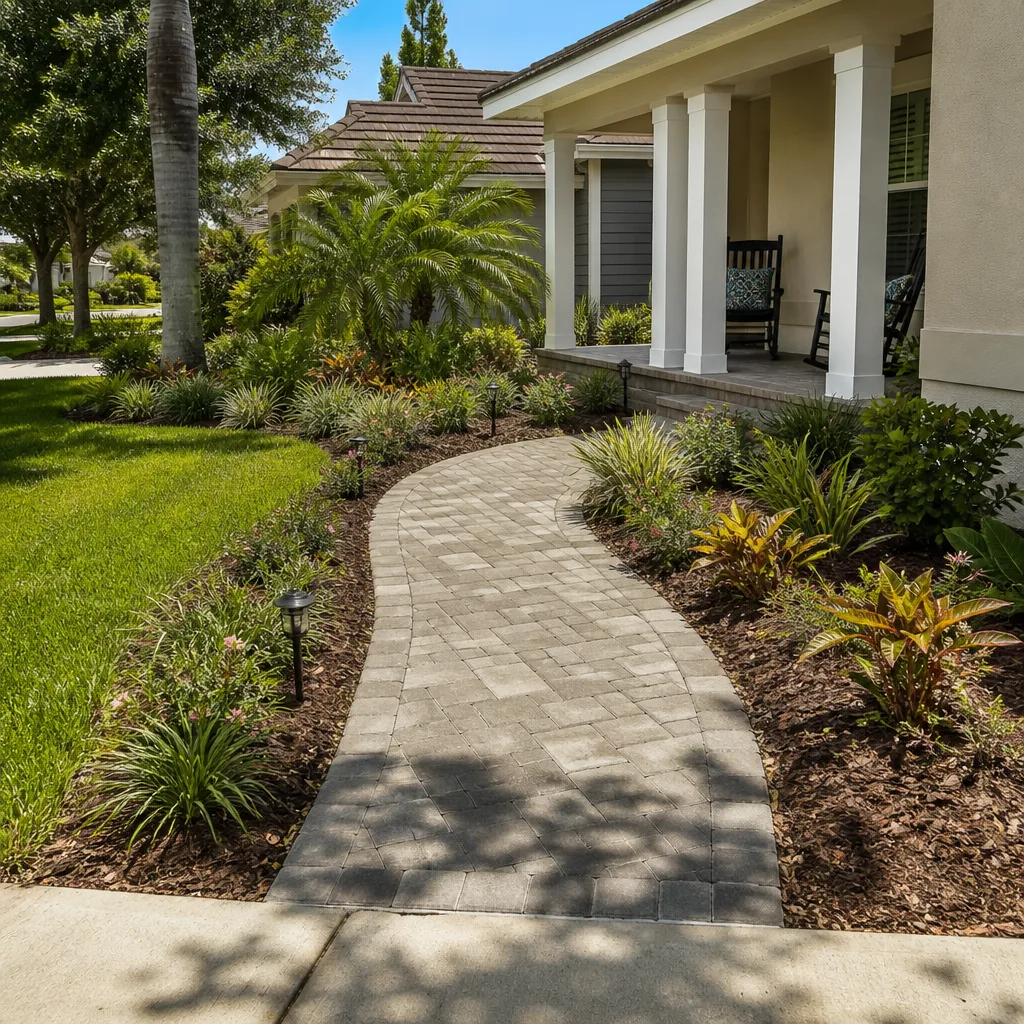
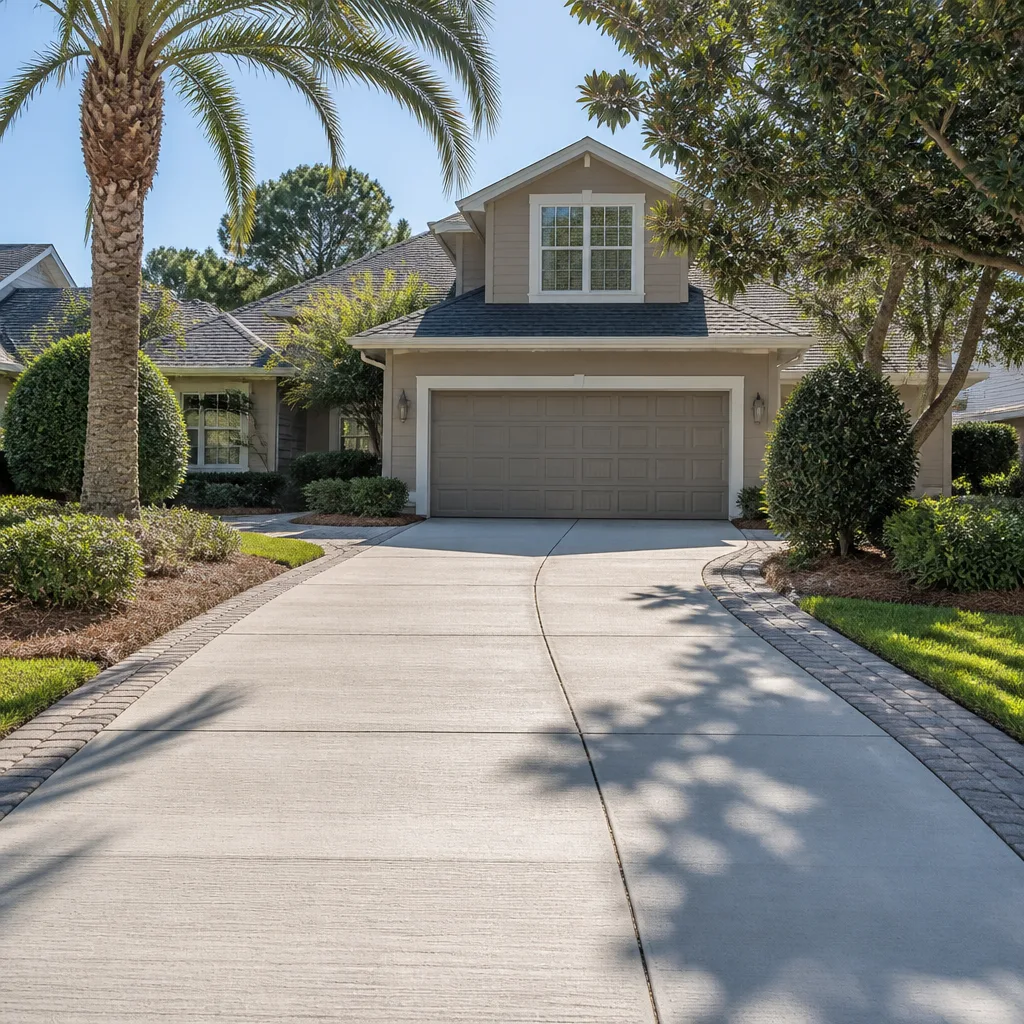
- Concrete pavers (interlocking). The workhorse choice for North Texas. Manufactured to a consistent strength, available in a wide range of colors and textures, and resistant to the freeze-thaw cycles we get in Collin and Dallas County winters. Brands like Techo-Bloc and Cambridge Pavers make systems engineered around base stability and joint locking, which is exactly what clay country needs. Concrete pavers also handle the intense UV and heat of a Carrollton July without fading the way some older asphalt products do. This is the most common choice we install, and usually for good reason.
- Clay brick pavers. Genuinely beautiful, and the classic look many homeowners in older Carrollton neighborhoods want. Brick is dense and handles heat well. The catch is that brick is rigid, so it transfers clay movement straight to the joints. It needs a very well-built base and disciplined joint sand maintenance. When it’s done right, brick can last decades. When it’s done cheaply, it’s the first material to show heaving.
- Natural stone (flagstone, travertine, limestone). Premium look, premium price. Some natural stones are porous and stain in our climate, and some are soft enough to chip under tire traffic. Limestone is common in North Texas but varies a lot in hardness. Natural stone also needs a thicker, more carefully graded base because individual pieces are heavy and irregular. It’s a great choice for a front walk or accent border and a demanding one for a full driveway.
- Permeable pavers. A real solution to clay drainage problems, but only when it’s engineered rather than just spec’d. Permeable units with open joints let water through, but if the clay below can’t drain, you’ve built a bathtub. A proper permeable system here needs an open-graded base reservoir, a defined outlet, and a plan for where the water goes. Done right, it can reduce runoff and standing water at the driveway edge. Done as a marketing checkbox with no outlet, it fails fast.
For most Carrollton driveways, the honest recommendation is interlocking concrete pavers on a properly excavated and drained base. Brick and stone are worth it when the design calls for them and the budget supports a base that matches the material’s weight and rigidity. Permeable is worth it when there’s a real drainage problem to solve and an engineer or an experienced installer designs the outlet.
How Deep Does the Base Actually Need to Go?
Base depth is where the money goes and where most of the quality lives. Here’s the sequence a correct Carrollton paver installation follows, and why each step matters with expansive clay underneath.
- Strip the native soil to the required depth. For a residential driveway over Blackland Prairie clay, that typically means excavating 8 to 12 inches below finished grade, depending on the existing soil, the slope, and whether there’s fill on the lot. Cheap bids skip this and build up from grade.
- Proof-roll and evaluate the subgrade. Compact and check the exposed clay for soft spots. Any soft, saturated, or fill area gets corrected before stone goes in, not after.
- Lay woven geotextile fabric. This separates the clay from the base stone and keeps fines from migrating upward. It’s inexpensive relative to the job and it’s a big part of why a base stays stable through wet-dry cycles.
- Install crushed stone in lifts. Typically 6 to 8 inches of compacted crushed stone, placed in 2 to 3-inch lifts and compacted each one. You can’t compact an 8-inch layer all at once and get real density. Quikrete and similar suppliers’ base materials are common in this market; the brand matters far less than the compaction discipline.
- Set a bedding course. About an inch of coarse bedding sand, screeded to grade, so the pavers sit flat and lock together.
- Lay pavers and cut edges. Pattern, slope away from the house, and a clearly defined edge.
- Install edge restraint. Spiked or glued restraint on every open edge, pinned into the compacted base, not just set on the surface.
- Sweep joint sand and compact. Polymeric or stabilized joint sand swept in and vibrated into the joints, then a final compaction pass over the whole field.
If a bid doesn’t mention excavation depth, fabric, lift compaction, or edge restraint, you’re looking at a paver installation designed for a different soil. In Carrollton, that’s the difference between a driveway and a future repair. If your project also touches the property line, our team handles Fence Installation in Carrollton as well, and it’s worth coordinating the two so grading and drainage get decided once, not twice.
Getting HOA Approval in Carrollton Subdivisions
Most of Carrollton’s larger subdivisions have architectural review committees, and most of them care about driveways more than homeowners expect. The approval process isn’t hard, but it has a sequence, and skipping a step is how you end up tearing out work you already paid for.
What Carrollton-area HOAs typically want before they’ll approve a driveway change:
- A material and color specification. “Pavers” alone usually gets bounced. They want the manufacturer, the specific product line, and the color name, often with a photo or sample board.
- A dimensioned drawing. Driveway width, apron, any expanded parking area, and how the new surface ties into the sidewalk and the garage apron.
- Setback and width limits. Some associations cap driveway width or require a certain distance from the property line and the neighboring lot.
- Drainage impact. Where water currently goes and where it will go after. This is where permeable specs or a documented drainage plan tilt the conversation.
- Color tone rules. A handful of Carrollton associations restrict driveways to natural earth tones or a handful of approved colors. Ask for the approved palette before you choose a Techo-Bloc or Cambridge color.
- Contractor information. Some committees request proof of insurance and a copy of the contract before approving the work.
The practical order of operations is: get your HOA packet, choose material and color, submit the drawing and sample, get written approval, then schedule the install. If the association meets monthly, plan for that lead time. Submitting after the pavers are ordered is the mistake that costs real money, and it’s entirely avoidable with a short conversation up front.
Driveway Permits and City Inspections in Carrollton
Whether your driveway project needs a City of Carrollton permit depends mostly on whether you’re working inside or modifying the public right-of-way. A straight replacement of an existing private driveway surface within your own property often doesn’t require a permit. Anything that changes the driveway apron, curb, sidewalk, or the connection to the street typically does, because it touches right-of-way that the City controls.
Plan on the following if your project touches the right-of-way:
- A right-of-way or driveway approach permit through the City, with a submitted drawing showing the driveway location, width, and apron detail.
- Meet the City’s standards for approach width and curb transitions. The inspector will check that the apron slopes and transitions match what was approved.
- Inspection before you close it up. Expect a City inspection at the key stages: base/subgrade before paving, and the finished apron connection.
- Coordination with any utility work. If a utility line crosses the approach, the City will want it addressed before the surface goes down.
Skipping a required right-of-way permit is a real risk. The City can require you to remove and redo work that doesn’t comply, and in a neighborhood with a paved approach standard, that’s an expensive lesson. The honest rule of thumb: if the job stays inside your property line, call the City’s permitting line to confirm; if it touches the apron, the sidewalk, or the curb, plan on a permit and a couple of inspections. Do that before the crew mobilizes, not during the tear-out. Our team pulls the permits and schedules the inspections so the job isn’t held up mid-install, and if you’re weighing a driveway against other exterior projects, our Home Additions & ADU in Carrollton work is coordinated the same way.
What Driveway Pavers Really Cost in Carrollton
Here’s the part most bids hide. The paver material is rarely the biggest variable. The excavation, base, fabric, edge restraint, drainage, and labor are, and that’s exactly the section a low bid tends to thin out. When a contractor quotes you well below market in Carrollton, they’re usually building for a shallower base, skipping geotextile, or leaving drainage unsolved, and those gaps show up later as a change order or a failing driveway.
Realistic installed ranges for a paver driveway in Carrollton, priced honestly:
- Concrete pavers, standard pattern: $14 to $20 per square foot installed
- Concrete pavers, premium or large-format pattern: $18 to $26 per square foot installed
- Clay brick pavers: $18 to $30 per square foot installed
- Natural stone: $22 to $40+ per square foot installed, depending on stone type and pattern
- Permeable paver system with engineered drainage: $20 to $32 per square foot installed
- Soil excavation and base prep premium (7 to 12-inch depth, fabric, compaction): often $3 to $6 per square foot of the totals above, and frequently the difference between cheap and correct
- Drainage additions (French drain, swale, outlet): quoted per linear foot or as a project add-on, and worth clarifying before signing
- Demo and haul-off of existing concrete or asphalt: typically $2 to $5 per square foot, higher if there’s rebar or a thick slab
A typical Carrollton two-car driveway runs roughly 400 to 600 square feet, so a concrete paver install lands in the high four figures to low five figures depending on material and site conditions. It’s the kind of number that makes you want honest numbers on paper, in advance, not a handshake and a hope. If you’ve been quoted a number and want a second set of eyes, our no-hassle upfront pricing and written line-item estimates are free. If the project is part of a larger exterior and addition plan, we’re set up to run it from foundation to finish line as your Groundwork Construction Co. of Carrollton home partner. Our team also brings $1,000 off projects over $10,000 and 0% financing for 18 months to the table, which makes a full driveway install a much easier decision than one lump-sum payment.
Keeping a Paver Driveway Flat Through Carrollton Summers
Even a well-built driveway needs a little attention in this climate. The 2026 version of paver care in North Texas is about managing water and re-seating joint sand, not rebuilding anything.
- Replenish joint sand every year or two. The joints are what lock the field together. When they wash out, pavers start to rock and the field wants to spread.
- Keep the edge restraint intact. Walk the open edges once a season. A loose restraint is a quiet invitation for the whole pattern to creep, and clay movement accelerates it.
- Watch the low spots. If a paver starts pooling water after rain, find out why before winter. Standing water on a clay yard is a warning sign.
- Manager irrigation. Overwatering near the driveway edge is one of the most common causes of clay swelling against the base. Adjust sprinkler heads so they don’t soak the driveway edge.
- Deal with cracks and chips when they’re small. A single cracked paver is a five-minute swap. A rocking paver that’s been rocking for a year is a base inspection.
- Avoid deicing salt as your default. The occasional ice storm gets handled, but salt is tough on some surface colors and finishes. Sand is the gentler choice for a paver surface.
Keep a few spare pavers from your install in the garage. Matching a color two seasons later is easier when you already have the stock, and it saves a special order for a tiny repair.
Common Mistakes to Avoid
- Building on a base made for a different soil. The most frequent failure we see in Carrollton is a shallow base with no geotextile, installed by a crew that builds the same way everywhere. It looks finished and it isn’t.
- Choosing pavers from a showroom without a soil consult. A sample board in a showroom tells you nothing about how the material behaves over Blackland Prairie clay. Choose the material and the base spec together.
- Skipping the HOA submission. Approving the work mentally and starting install without written committee approval is how homeowners end up tearing out brand-new pavement. Get the approval in writing, then order.
- Ignoring the right-of-way permit. If the project touches the apron or sidewalk and there’s no permit, the City can make you redo it. Confirm the permit before the crew shows up.
- Solving drainage with a slope and nothing else. Grade helps, but expansive clay needs a real direction for water, and sometimes a drain. A driveway that sheds water onto the house or the neighbor’s yard is a problem, not a solution.
- Accepting a barely-there written estimate. A one-line bid for pavers with no line item for base depth, fabric, drainage, or edge restraint is the wrong document to sign in a city with this soil. Get the line items.
- Not asking what the warranty actually covers. Material warranties and workmanship warranties are different, and the workmanship one is what protects you if the base is wrong. Ask for it in writing.
When to Call a Professional
Some paver work is a genuinely a do-it-yourself job: re-sweeping joint sand, swapping a cracked unit, or clearing a little debris from a drain grate. The moment the project involves excavation, base evaluation on clay, a drainage change, an edge that’s failing, or anything touching the right-of-way, the risk tilts toward a professional. Expansive clay punishes guesswork, and the fix after a failed base costs far more than getting the base right the first time.
Call a professional when you see a paver field that’s rocking more than a couple of units, a driveway edge that’s spreading, new dips or pooling water, an apron that needs replacing, or a project that intersects HOA and City requirements. Groundwork Construction Co. of Carrollton offers free estimates in Carrollton, with line-item numbers, written quotes, trusted brands including Techo-Bloc, Cambridge Pavers, and Oldcastle, and a 730-Day Done Right Promise on the workmanship. Call (844) 560-0925 to schedule your free estimate.
Frequently Asked Questions
Most paver driveways in Carrollton run roughly $14 to $30 per square foot installed, depending on material and site conditions, with soil excavation and base prep often adding $3 to $6 per square foot on expansive clay. A typical two-car driveway lands in the high four figures to low five figures. Call (844) 560-0925 for an exact quote – estimates are free and written line by line.
Yes, and they work very well, but only when the base is built for expansive clay: 6 to 8 inches of compacted crushed stone in lifts, geotextile fabric below it, and edge restraint pinned into the base. Paver driveways are often a better choice than a thin concrete slab here precisely because a paver field can flex slightly and be repaired unit by unit. The base is the deciding factor. Call (844) 560-0925 to have yours evaluated.
It shouldn’t. Our bids are line-item and written before the job starts, and the number you see is the number you pay. Surprises on paver jobs usually come from a subcontractor who quoted a shallow base and discovered clay, so we price the excavation and base honestly up front. If a change is ever truly unavoidable, it’s documented and approved before we proceed, never discovered on your final invoice. Call (844) 560-0925 to schedule your free estimate.
Yes. When a project touches the right-of-way, the apron, the sidewalk, or the curb, a City of Carrollton right-of-way or driveway approach permit is required, and we pull it and schedule the inspections. That way the crew isn’t waiting mid-job and the finished apron actually complies with City standards. Call (844) 560-0925 to talk through whether your project needs a permit.
Most residential driveway installations take several days to about a week of on-site work, with the excavation and base phases taking roughly as long as the pavers themselves because of lift compaction and curing. Weather and site conditions can extend that, and permit or HOA lead times should be added before the work starts. Call (844) 560-0925 for a realistic timeline on your specific driveway.
We install curated, top-tier brands, including Techo-Bloc, Cambridge Pavers, and Oldcastle, and we match material to the site rather than to whatever’s in the warehouse. On Blackland Prairie clay, the material choice and the base spec have to be decided together. Call (844) 560-0925 and we’ll walk you through which options fit your lot, your HOA, and your budget.
The Bottom Line
In Carrollton, your driveway is a soil project first and a paving project second. The pavers you choose matter, but the base under them, the fabric, the compaction, the edge restraint, and the drainage are what determine whether the surface stays flat through five North Texas summers. Choose material that suits clay and heat, get your HOA and City approvals in writing before you order, and insist on a written line-item quote that doesn’t hide the soil prep. Do those three things and a paver driveway here can last for decades. Skip them and the showroom look won’t survive three years. Our team is glad to put real numbers on paper for you, and to back the work with our 730-Day Done Right Promise – if it’s not done right, we make it right. Call (844) 560-0925 for a free estimate, with a live person answering 24/7, and let’s get your driveway built to last and backed in writing.
Written by the team at Groundwork Construction Co. of Carrollton.
See the difference
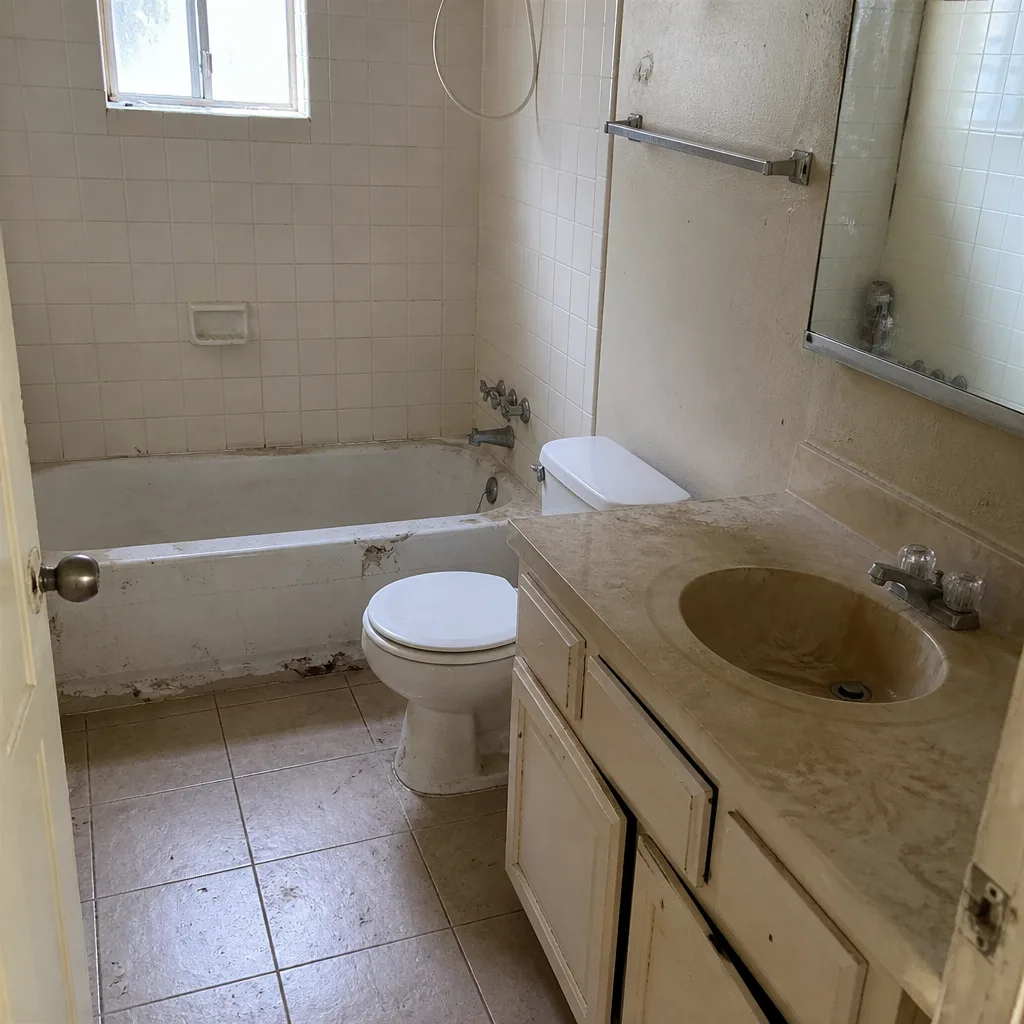 Before
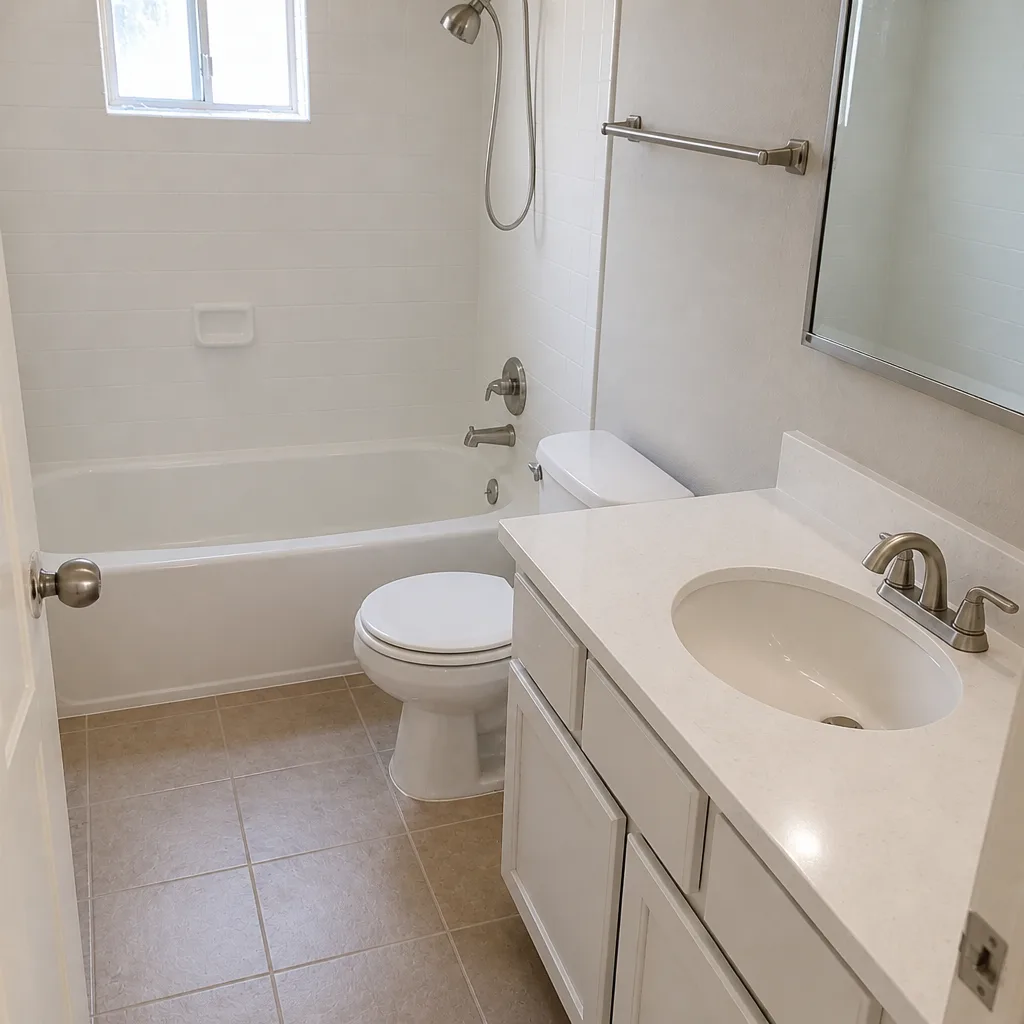 After
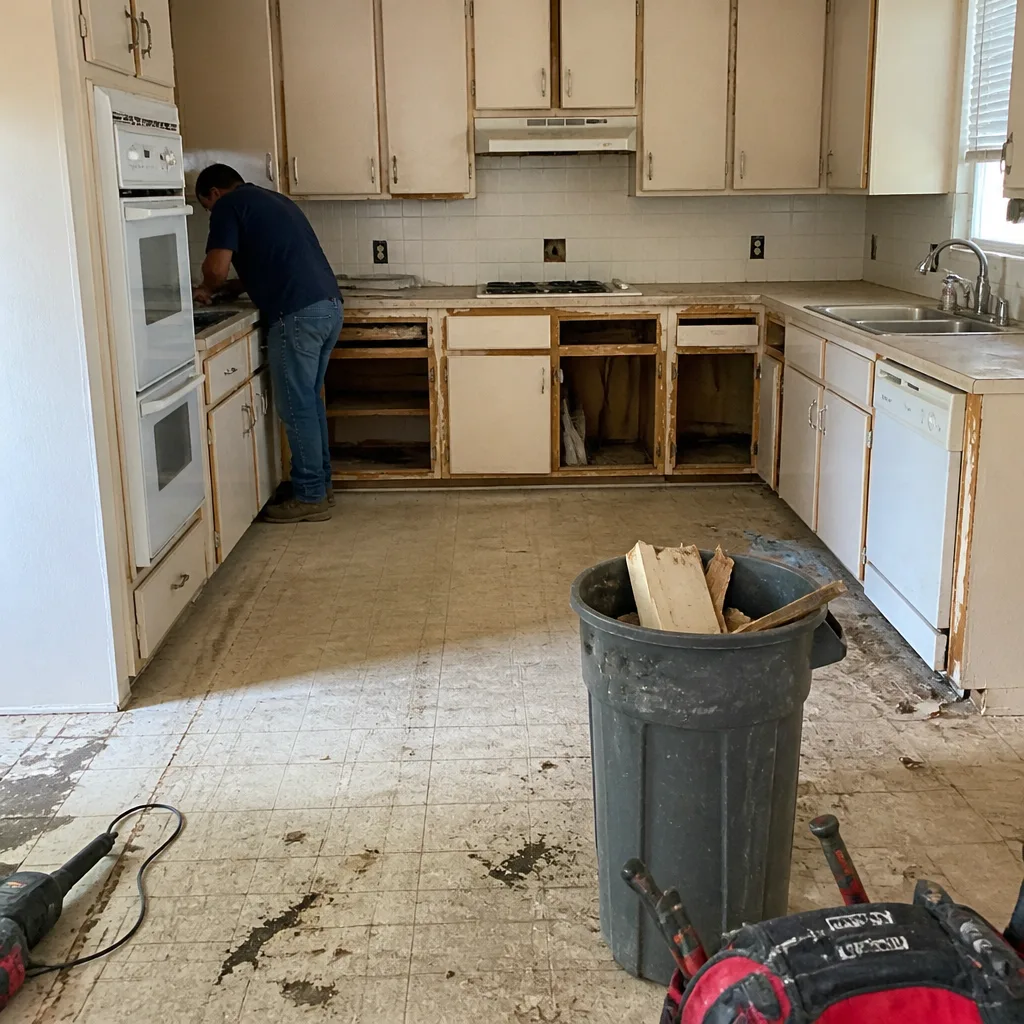 Before
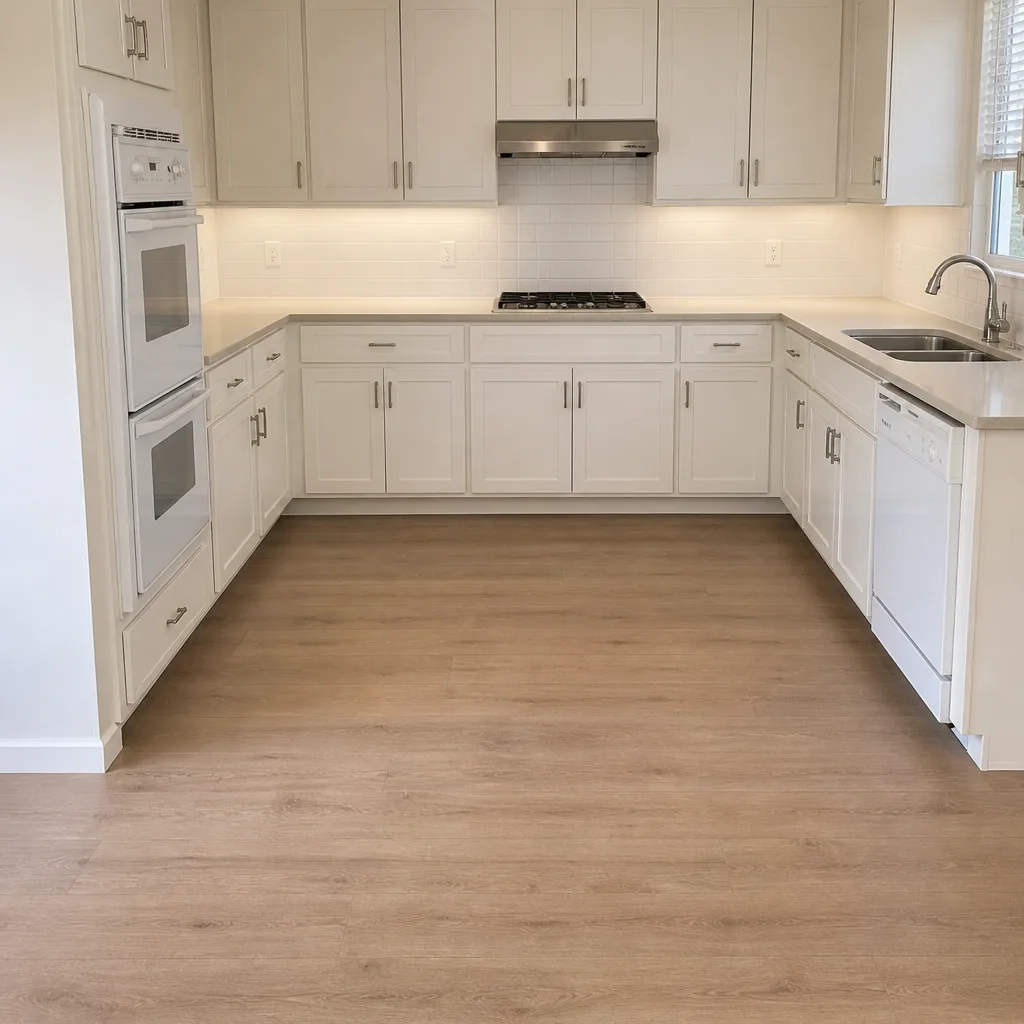 After
 Before
 After